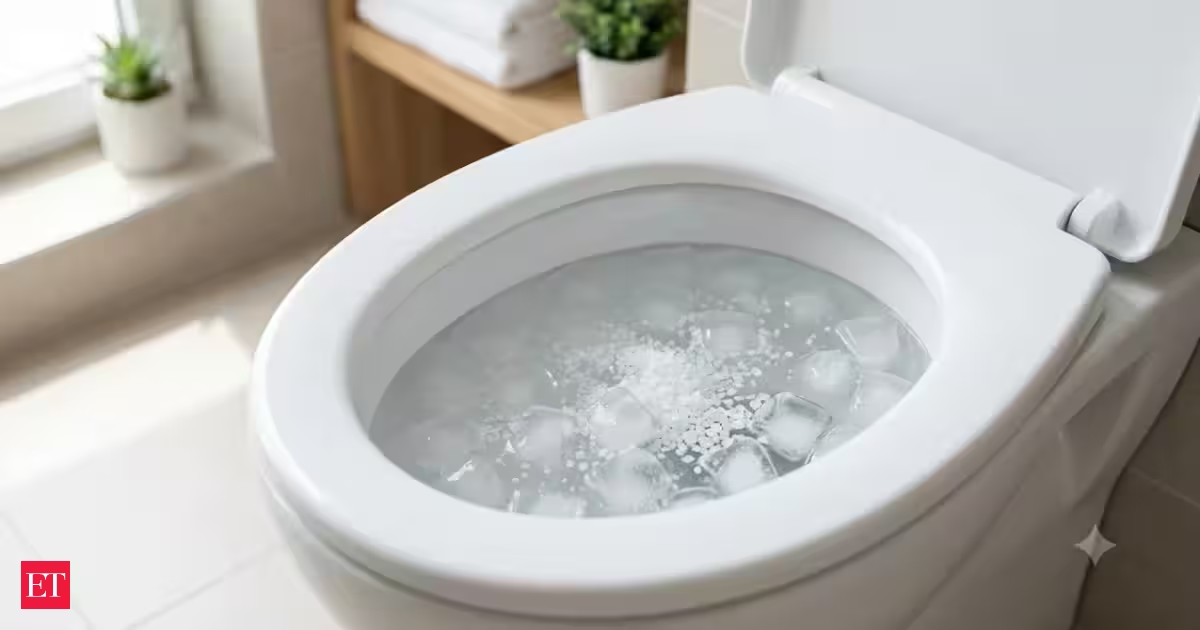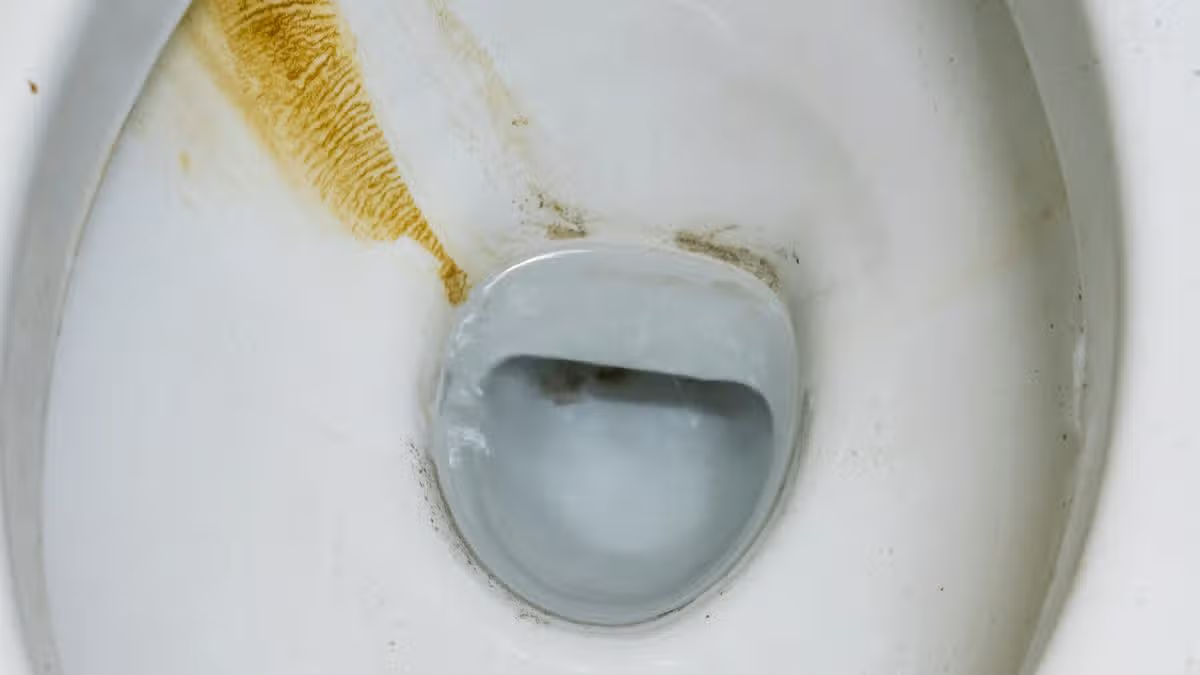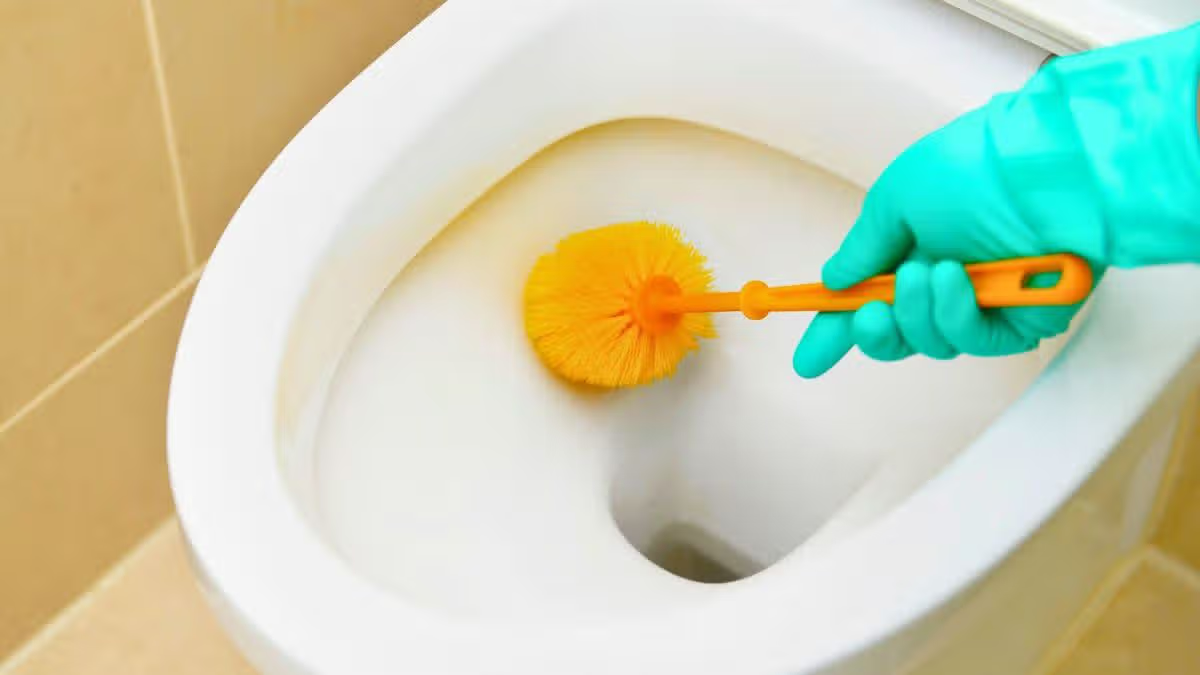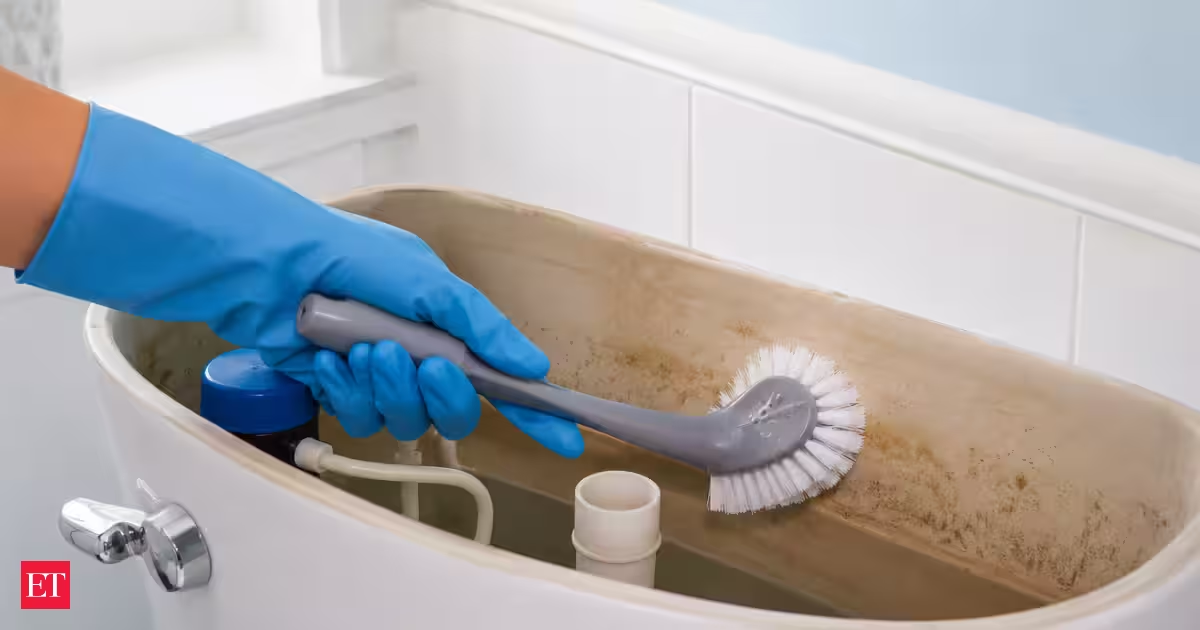
SynopsisMany people overlook cleaning the toilet tank, allowing grime and mold to accumulate. This hidden buildup can affect the entire toilet system and bathroom freshness. White vinegar and baking soda effectively remove mineral deposits and stubborn stains from the tank. Turning off the water and scrubbing the interior are key steps in this process. Regular cleaning every three to four months ensures a fresher bathroom environment.The one part of your bathroom you probably never clean. Image Credits: ChatGPTMost people probably clean the toilet bowl once a week. Almost no one lifts the lid on the tank behind it. That’s normal. But that's also why your "clean" bathroom might still smell a little off. The tank holds water that barely moves, so grime, mineral deposits, and mold can settle there. According to the guidance from the Centers for Disease Control and Prevention, soap and water alone remove most dirt and germs from a surface, even before you disinfect it. That's the whole idea behind cleaning a toilet tank.Why does the tank get ignoredThe toilet tank is out of sight, so it stays out of mind. But it also holds your water longer. Every flush dumps water from the tank right into the bowl. So anything in the tank can affect the rest of the toilet system. This is usually not an immediate health concern. It is usually a slow buildup of grime, rust, and hard-water stains. Over time, it quietly makes your bathroom feel less fresh, even right after you've scrubbed the bowl.What's actually happening inside thereMineral deposits and mold or mildew are two things that tend to build up in a toilet tank. Much of the United States has hard water that contains dissolved calcium and magnesium. Eventually, these minerals form solid deposits, according to the U.S. Geological Survey. That is the same buildup that leaves spots on glasses or a filmy ring inside the tank. It isn't dangerous. Just stubborn.Hard water minerals and mold both like still, dark spaces like this. Image Credits: ChatGPTAnother issue is mold or mildew. It needs moisture to grow, and a toilet tank is always damp and dark. The guide from the Environmental Protection Agency says spaces that stay wet all the time can be hard to keep completely mold-free, even with routine cleanings. A tank checks nearly every box on that list.Gather your supplies firstYou don't need anything fancy. All you need is white distilled vinegar, baking soda, a soft scrub brush or an old toothbrush, rubber gloves, and a clean rag or sponge.Avoid using bleach or chlorine tablets as a long-term fix. Plumbers often say that constant exposure to these chemicals degrades the rubber flapper and other seals. That can lead to a running toilet and more costly repairs over time.Step one: turn off the water and drain the tankLook for the shutoff valve near the base of the toilet. Turn it clockwise to stop the flow of water. Flush once to empty most of the tank, then hold the handle down to drain as much as possible.Step two: scrub the insideWhen the tank is empty, pour in two cups of white vinegar. Let that sit for about 20 to 30 minutes. Vinegar is a mild acid. As the USGS explainer notes, acids like vinegar help break down mineral buildup so it rinses away more easily. It’s the same reason people run vinegar through a coffee maker to descale it.Vinegar and baking soda do most of the heavy lifting here. Image Credits: ChatGPTLet it sit. Then scrub the walls and bottom of the tank with your brush. Carefully check the corners and moving parts. For more stubborn rings or stains, sprinkle in a little baking soda. It provides gentle abrasion without scratching the porcelain.Step three: rinse and refillTurn the water back on and refill the tank. Flush a couple of times to remove any remaining residue. Check inside again to make sure the water runs clear.Step four: wipe down what you can reach from outsideDust and splashes can collect on the outside of the tank and around the lid. Give it a quick wipe with a disinfecting cleaner. It makes the whole unit look cared for, not just the bits you can see with the lid off.How often do you really need to do thisFor most households, cleaning every three to four months is ideal. Do you notice a musty smell or discoloration? Do you have well water or a known source of hard water? If so, clean it more frequently, perhaps every two months. This helps prevent buildup from forming in the first place.The bigger pictureYou do not need to be perfect when cleaning your toilet tank. It’s a small, low-effort habit. It stops mold and mineral buildup in parts of your bathroom you normally don't see. A little elbow grease, some vinegar, and twenty minutes go a long way. Your bathroom will smell fresher, your toilet will be cleaner, and you'll never have to worry about what's lurking under that lid again.Read More News on(Catch all the US News, UK News, Canada News, International Breaking News Events, and Latest News Updates on The Economic Times.) Download The Economic Times News App to get Daily International News Updates....moreless
What is living behind your toilet tank lid, and how to get rid of it
Discover how to clean your toilet tank effectively to eliminate odor and build-up. This step-by-step guide covers everything you need for a fresher bathroom experience.
867 words~4 min read