(Image credit: Shutterstock)
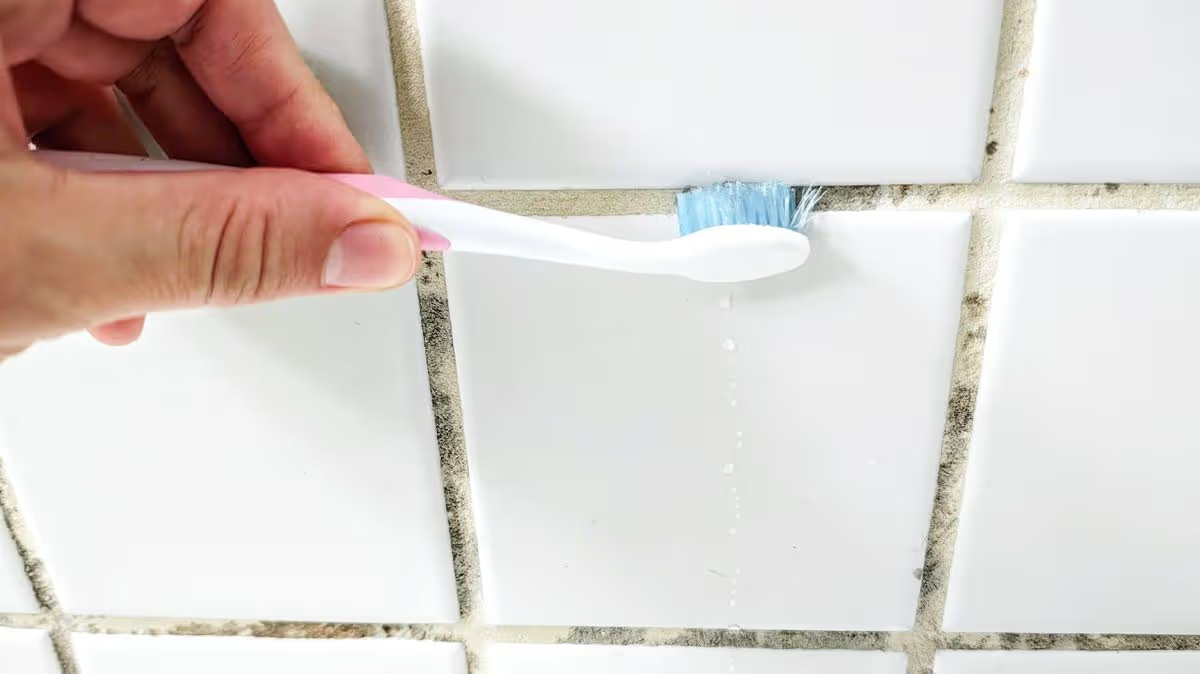
I don’t find cleaning therapeutic, but I do get a dopamine high when I see the results — especially when it comes to rescuing grimy kitchen and bathroom grout.While the effort is worth it to cook and bathe without staring at stains and mold, there has to be an easier way. To save us all from endless scrubbing, I asked top cleaning experts how to get sparkling grout in a fraction of the time.Know your stain
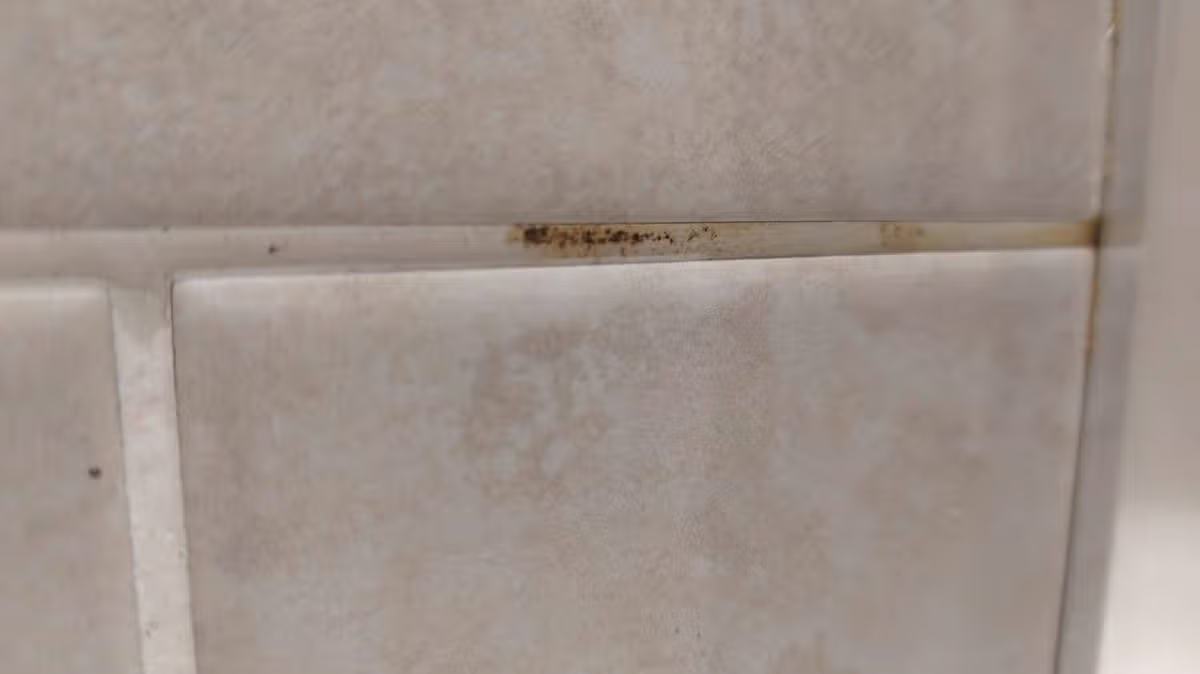
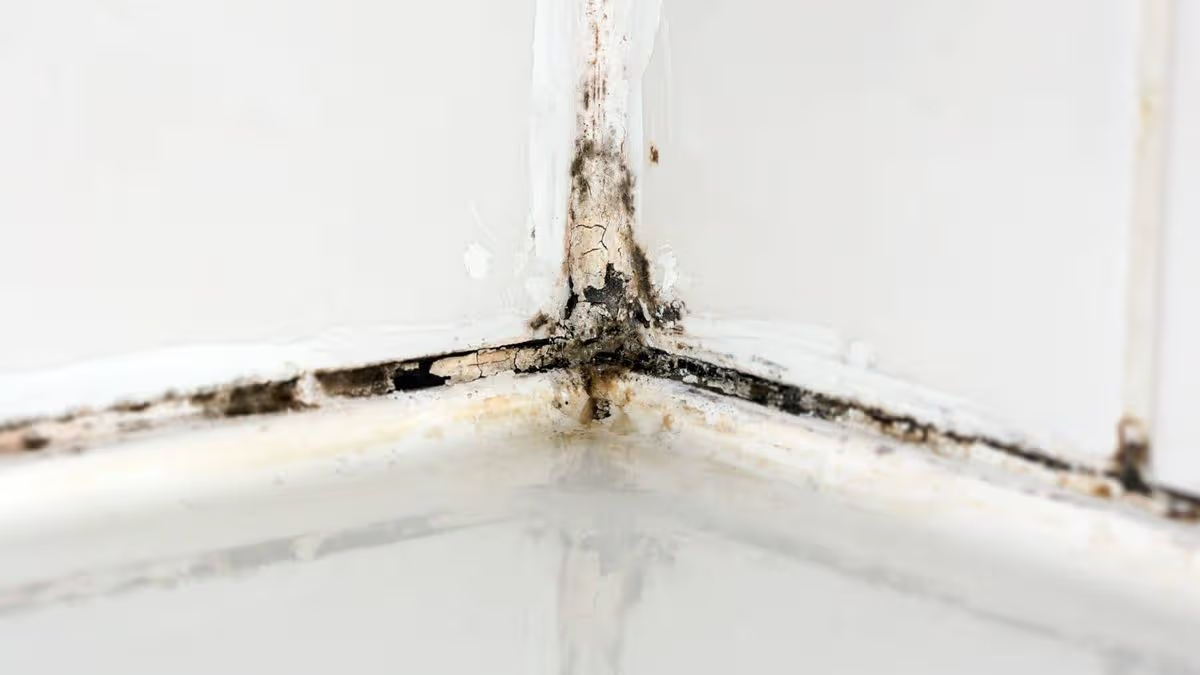
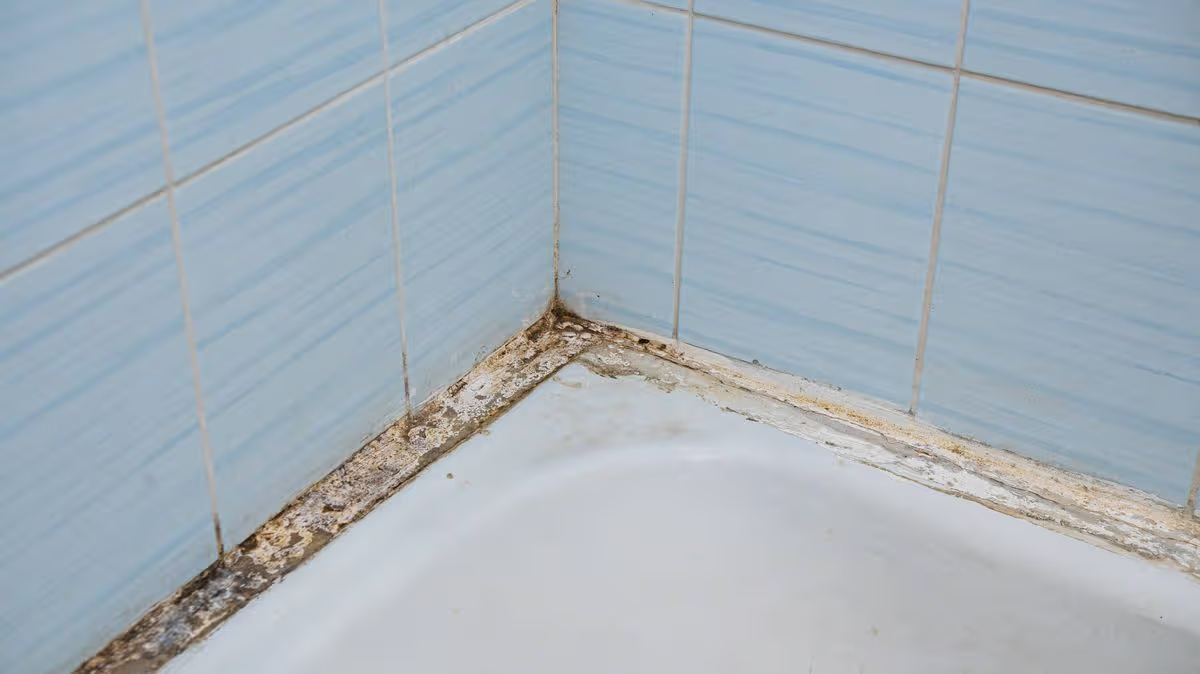
(Image credit: Shutterstock)According to the cleaning pros, the secret of cleaning less is knowing what you’re fighting against. Once you’ve identified the culprit, you can use the right method without wasting time.The most common grout stains fall into four categories.1. Mold and mildew“Mold and mildew are the top offenders in bathroom environments, creating a black, dark green, or gray color which most people associate with dirty grout,” says Reanato Cruz, cleaning expert and professional organizer at Coastal Maid San Diego.And for mold and mildew to exist, she says there needs to be moisture present and poor ventilation, which is why it’s usually worse in shower areas.2. Soap scumSoap scum, which also includes shampoo and body wash, is another culprit that clings to grout, and is present in bathrooms.Get instant access to breaking news, the hottest reviews, great deals and helpful tips.3. LimescaleYou may also spot white, chalky, limescale deposits if you live in an area with hard water. These marks will be noticeable in any area where water is present in your home.4. Grease“Grease and cooking oil are the primary stain-causing agents in kitchen grout where they penetrate into the pores of the grout and continue to darken it over time,” says Cruz.These stains can also sink into kitchen floor grout, unless spills are cleaned up promptly.For light clean ups