Allocations in certain categories remain too tight to accommodate existing trade volumes, say exporters
| Photo Credit:
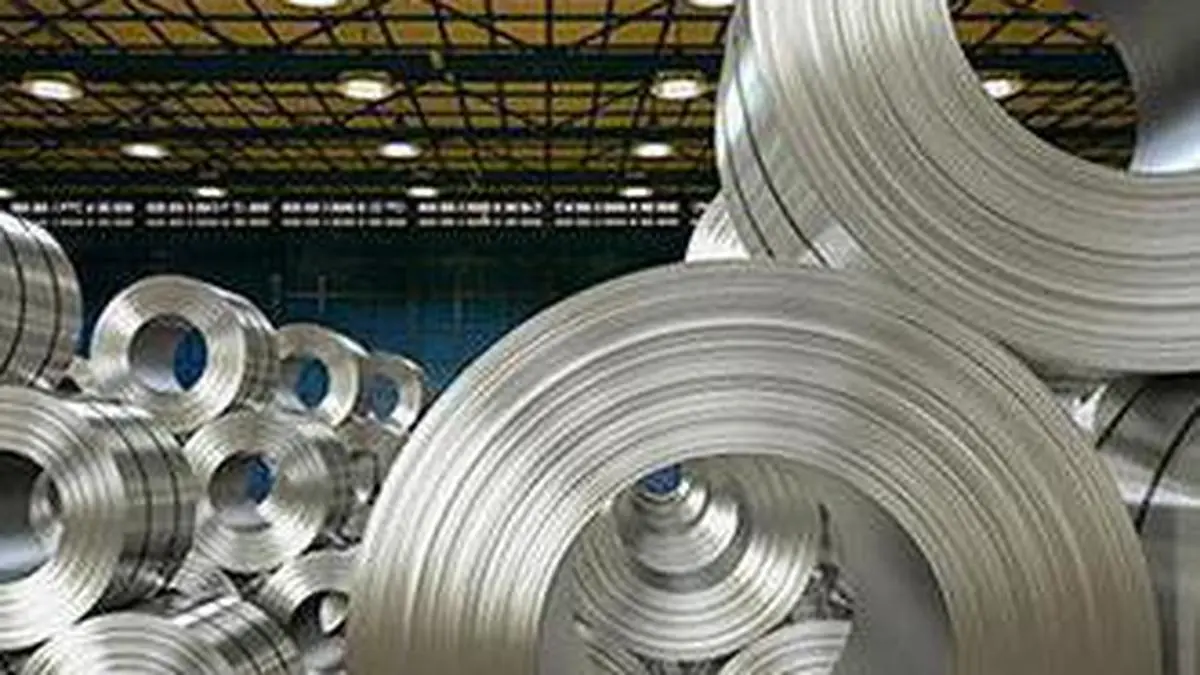
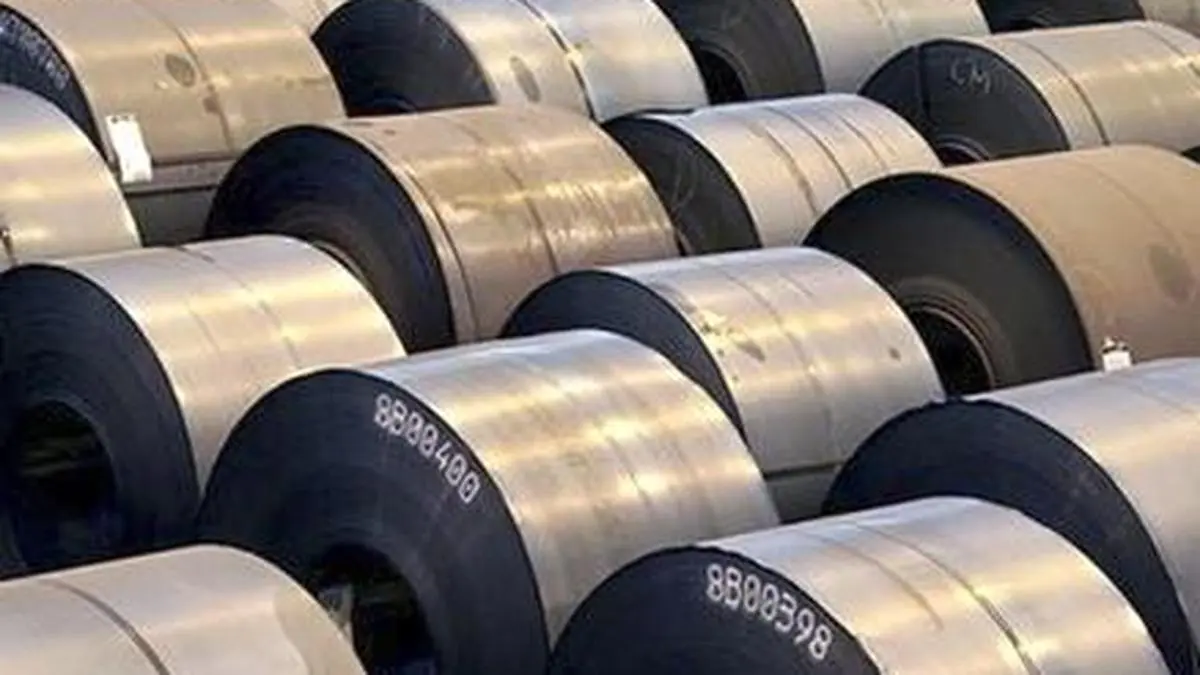
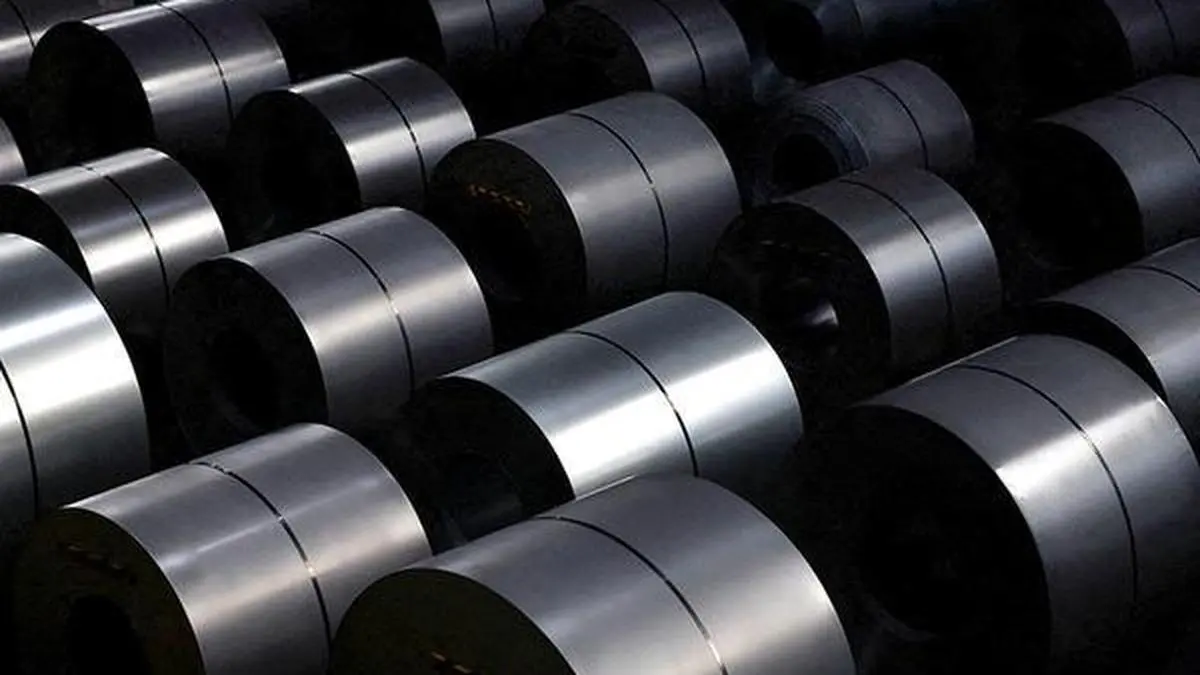
The duty-free quota for steel exports to the UK secured by India falls short in several key product categories, with exporters warning that it could quickly exhaust limits and choke shipments.While the country-specific and residual tariff-rate quotas (TRQs) negotiated by India improve on the UK’s earlier safeguard regime, which took effect on July 1, industry representatives say the allocations remain inadequate for products where India already has a strong export presence.“It doesn’t matter what the overall quota is if there isn’t enough allocation in categories where Indian industry has considerable ongoing exports. Exporters would want quotas equivalent to at least the average of their last three years of exports. India must urge the UK government to give enhanced quotas in the categories that matter most, or exports would decline,” said Pankaj Chadha, Chairman, EEPC India.The UK’s announcement of new steel safeguard measures earlier this year, involving deep cuts to duty-free import quotas from July 1, had prompted India to delay finalisation of the India-UK CETA. The impasse was resolved before the agreement took effect on July 15, with India securing higher quotas, access to the UK’s residual quota and exemptions for some product lines. Even so, exporters say allocations in certain categories remain too tight to accommodate existing trade volumes.Tariff TriggerEEPC has identified six product categories where India’s recent export volumes already exceed the UK’s duty-free quotas, risking quota exhaustion and exposure to the 50 per cent out-of-quota tariff.These include non-alloy and other alloy hot-rolled sheets and strips (category 1), stainless bars and light sections (category 14), stainless wire rod (category 15), non-alloy merchant bars and light sections (category 12B), gas pipes (category 20) and other welded tubes (category 26).Quota gapViraj Profiles Managing Director Rakesh Chauhan said the company was “surprised” that under the UK’s revised notification of July 2, the annual residual quotas for categories 14 and 15 stayed unchanged even as the EU’s quotas were increased.“The critical issue is that India does not have a dedicated country-specific quota in categories 14 and 15. Indian exporters are competing with all other non-EU and non-US suppliers for the residual quota on a first-come, first-served basis,” Chauhan said.He noted that Viraj Profiles’ FY26 exports of stainless bars and profiles to the UK were already close to the annual residual quota for category 14, signalling lower exports as Indian suppliers compete with exporters from other countries for limited duty-free access. Imports beyond these limits attract a 50 per cent tariff.Published on July 17, 2026