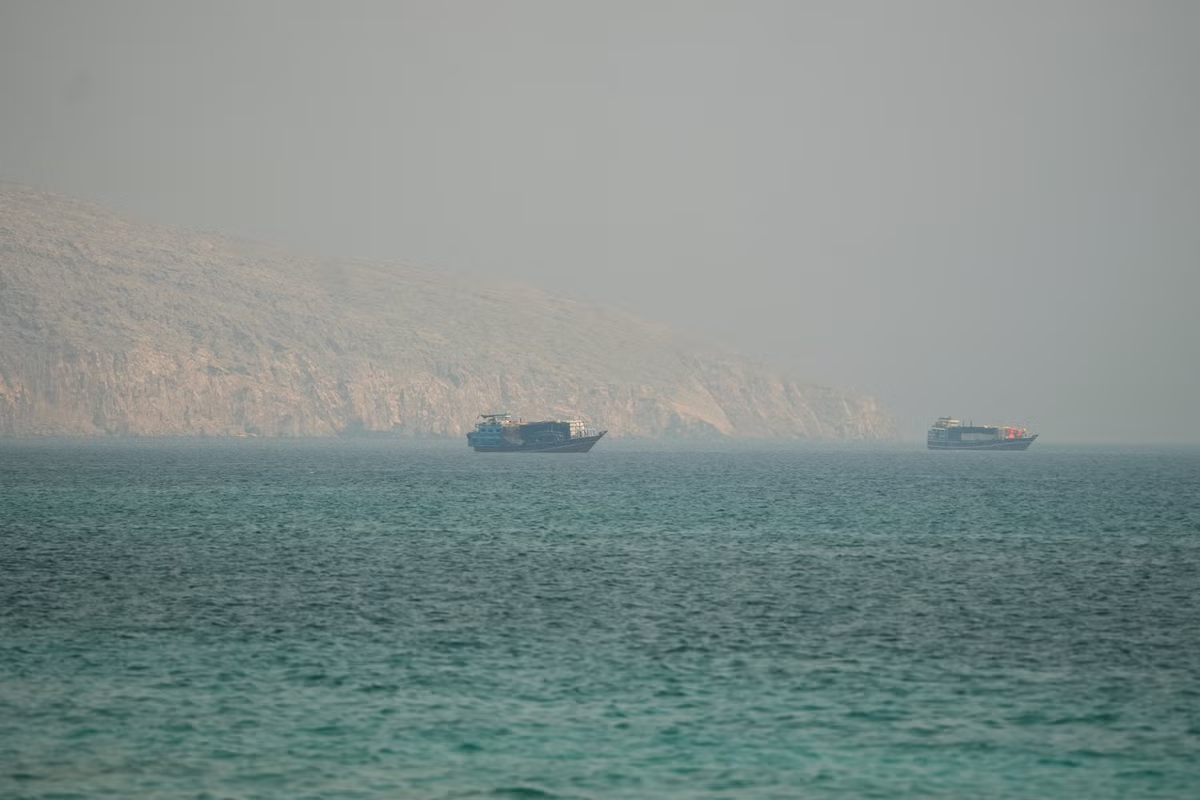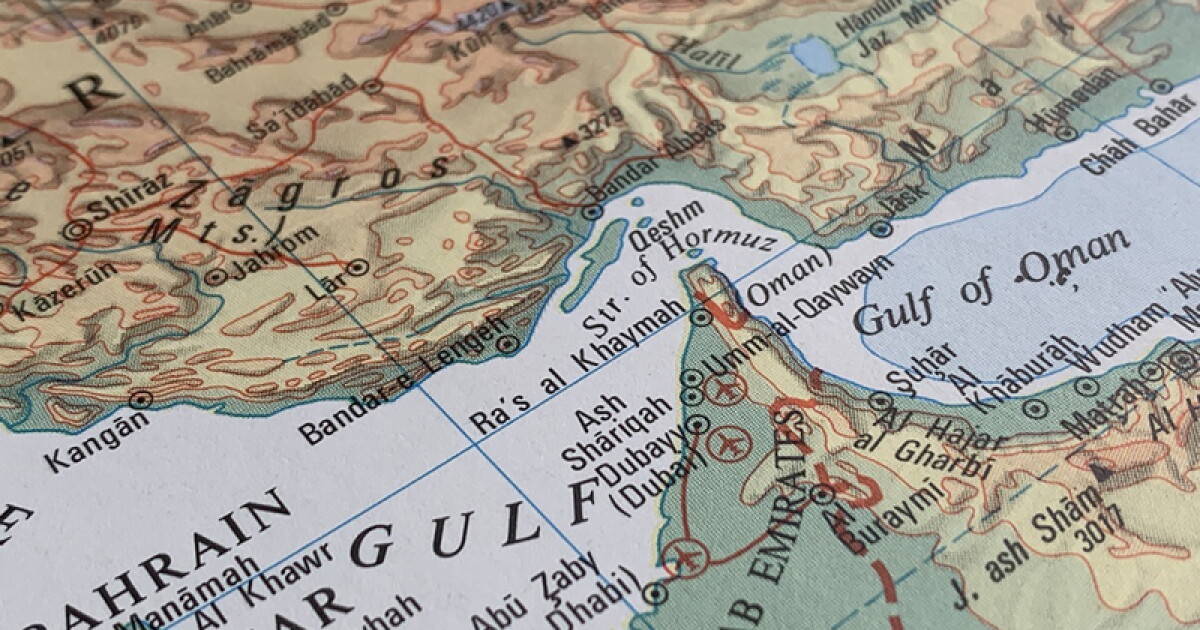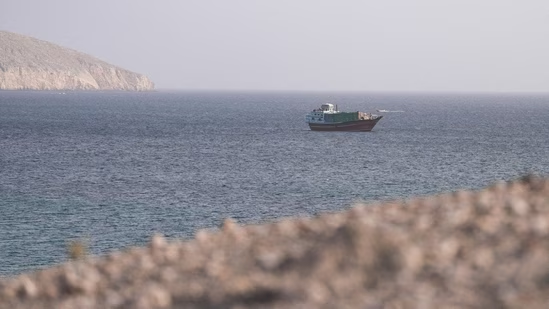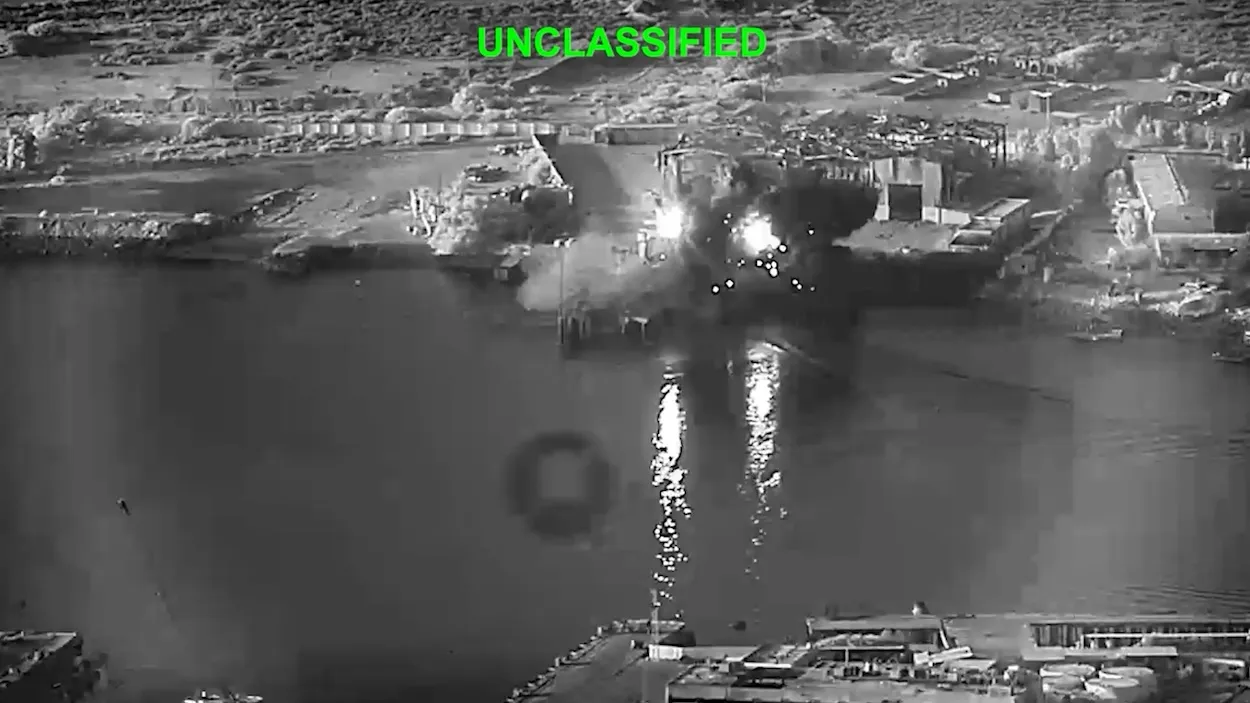
The war in Iran rumbles on, in parallel to talks that are aimed at stopping it. Both sides would rather the war were over; this limbo is causing mayhem in Iran’s economy and politics, while MAGA too has been bent out of shape. Yet a reality might be starting to take hold in which fighting simply drifts aimlessly, much like the peace talks. And much like the ships that are stuck in the Strait of Hormuz, too.
As both sides try to game the stalemate, unintended consequences are emerging
The US is calculating that a naval blockade, in the absence of a memorandum of understanding, can economically constrict Tehran, narrowing its room for maneuver and eventually forcing Tehran back to the table. A variation of this tactic worked in the lead up to the 2015 JCPOA, when the Islamic Republic felt it necessary to negotiate as it watched the pain of sanctions spill out onto streets. Iran, likewise, calculates that the US’s inability to land a knockout blow and Trump’s obsession with stock markets gives it the advantage in this increasingly bloody game of chicken.
Tehran, perhaps, overestimates its ability to withstand much more economic pressure. It overestimates, too, just how much the US cares about this conflict. In a similar vein, the US may be overlooking the fact that the Islamic Republic has little care for the welfare of its own citizens and is therefore more than willing to tolerate economic and social pain, so long as it doesn’t threaten the Islamic Revolutionary Guard Corp’s dominance over the levers of power. Certain figures in Tehran lean towards trying to wait Trump out to see who replaces him. A J.D. Vance presidency may well be less closely aligned with Israel, they believe. May well be even more generous to the Islamic Republic when it comes to concessions, borne of a desire to end what he fears could be turning into a forever war.