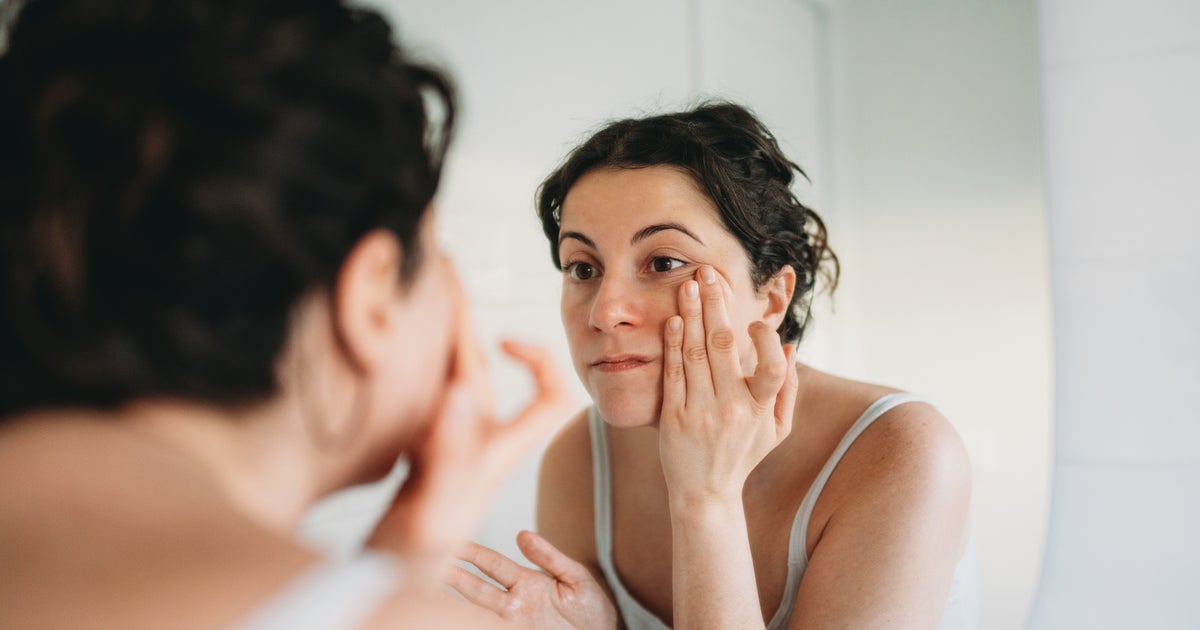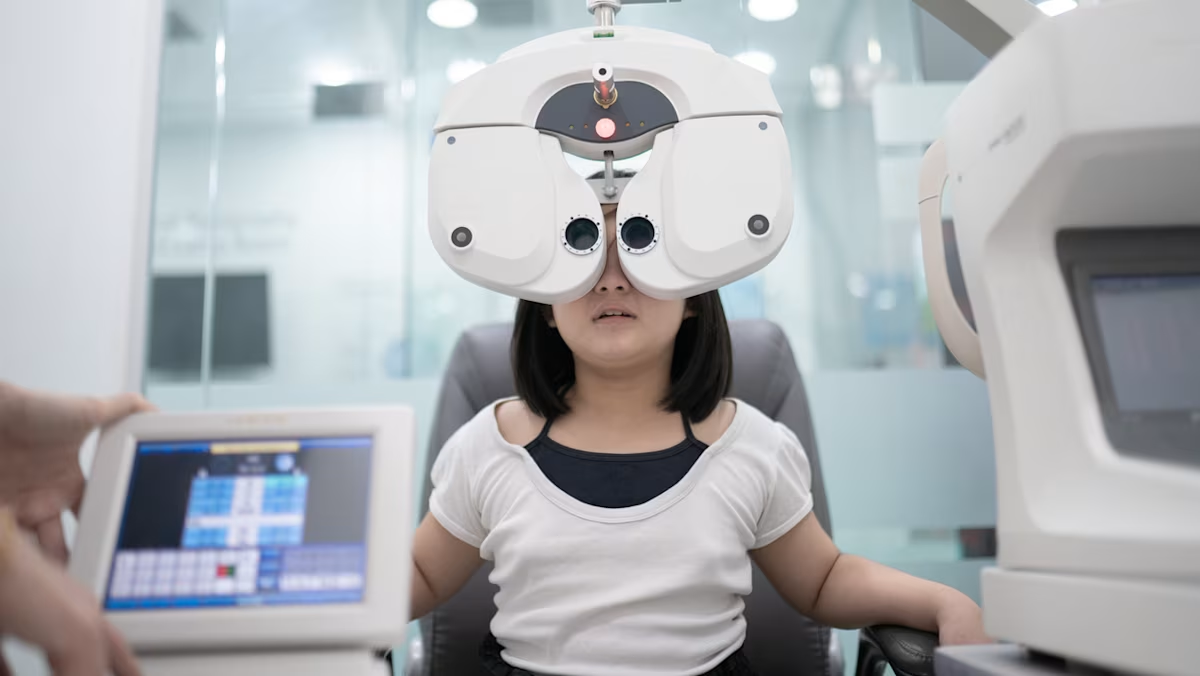
From headaches to squinting your eyes, know the signs which tell you need new glasses, and when your prescription power is most likely to change. Glasses help you see better every day, giving you greater clarity and crisper vision. However, the same prescription may not work forever. Depending on your age and habits, your spectacle power may change, particularly during childhood, the teenage years and then in early and late adulthood.Is your vision blurry, and are you squinting to see? It could be a sign your glasses power changed. (Picture credit: Freepik)So, how can you tell if you are due for a new pair of glasses? Dr Ankit Vinayak, consultant ophthalmologist at Dr Agarwals Eye Hospital, Gurugram, shared some common signs your body may show when your spectacle power has changed, and your prescription needs to be updated.When in life does your spectacle power change?First, the doctor described that spectacle power generally follows a predictable pattern. It is most likely to change the most during a few key phases of life. Minor fluctuations are understandable, but most changes happen during two phases of life.“The earlier window falls across childhood and the teenage years, a period when the eyes are still actively developing and growing," he noted. "Then, somewhere around the fourth decade of life, a second shift quietly takes hold as presbyopia emerges, gradually stealing the ability to see nearby objects with clarity.”Addressing vision changes promptly is vital so that they do not affect your work or your ability to navigate your surroundings safely.The doctor advised getting your eyes examined if you notice any of these signs:Five signs your glasses power may have changedFrequent headaches are one of the indicators of changing prescription power. (Picture credit: Freepik)1. Frequent headachesOne of the most telling signs of a wrong spectacle prescription is recurring headaches.It is a constant dull ache, a sense of heaviness around the eyes, or discomfort that sets in after reading or spending time in front of a screen.2. Moving closer to objectsIf a child begins sitting closer to the television, holding books unusually close or struggling to see the classroom board, it may indicate that their myopia is worsening.3. Squinting to see clearlyChildren and adults often narrow their eyes in an attempt to improve focus.Frequent squinting is a classic sign that vision may no longer be adequately corrected.4. Excessive eye rubbing or eye strainFrequently rubbing your eyes.Experiencing persistent eye strain.Feeling that your eyes are unusually tired.Inability to focus for a long time.5. Holding reading material farther awayFor those past the age of 40, finding it progressively harder to read a phone screen, newspaper, or medicine label at a comfortable distance is frequently the first hint that presbyopia is advancing.The ophthalmologist's parting advice was that neglecting regular eye examinations may lead to reduced academic performance in children, workplace inefficiency in adults and unnecessary eye strain across all age groups. Most importantly, an eye examination can also help detect eye diseases at an early stage. This is why children and adults over the age of 40 should undergo regular eye examinations, even if they do not notice any observable signs.About the doctorDr Ankit Vinayak has over 15 years of experience and has conducted over 45,000 successful eye surgeries. His expertise areas include general ophthalmology, cataracts, and refractive surgery. Note to readers: This article is for informational purposes only and not a substitute for professional medical advice. Always seek the advice of your doctor with any questions about a medical condition.Adrija Dey’s proclivity for observation fuels her storytelling instinct. As a lifestyle journalist, she crafts compelling, relatable narratives across diverse touchpoints of the human experience, including wellness, mental health, relationships, interior design, home decor, food, travel, and fashion that gently nudge readers toward living a little better. For her, stories exist in flesh and bones, carried by human vessels and shaped through everyday endeavours. It is the small stories we live and share that make us human. After all, humans and their lores are the most natural and raw repositories of stories, and uncovering them, for her, is akin to peeling an orange under a winter afternoon sun. Always up for a chat, she believes the best stories come from unfiltered yapping, where "too much information" is kind of the point. A graduate of Indraprastha College for Women, University of Delhi, and an alumna of the Indian Institute of Mass Communication (IIMC), Delhi, Adrija spends her idle hours cocooned with herbal tea and a gripping thriller, scribbling inner monologues she loosely calls poetic pieces, often with her succulents in attendance. On lazier days, she can be found binge-watching, for the nth time, one from her comfort-show holy trinity: The Office (US), Brooklyn Nine-Nine, or Modern Family. Dancing by herself to her peppy playlists, however, is an everyday ritual she swears by religiously.Read MoreHealthCatch every big hit, every wicket with Crick-it, a one stop destination for Live Scores, Match Stats, Quizzes, Polls & much more. Explore now!.Catch your daily dose of Fashion, Taylor Swift, Health, Festivals, Travel, Relationship, Recipe and all the other Latest Lifestyle News on Hindustan Times Website and APPs.See Less
Do you need new glasses? Ophthalmologist Dr Ankit Vinayak reveals 5 signs your prescription has changed
From headaches to squinting your eyes, know the signs which tell you need new glasses, and when your prescription power is most likely to change. | Health
850 words~4 min read