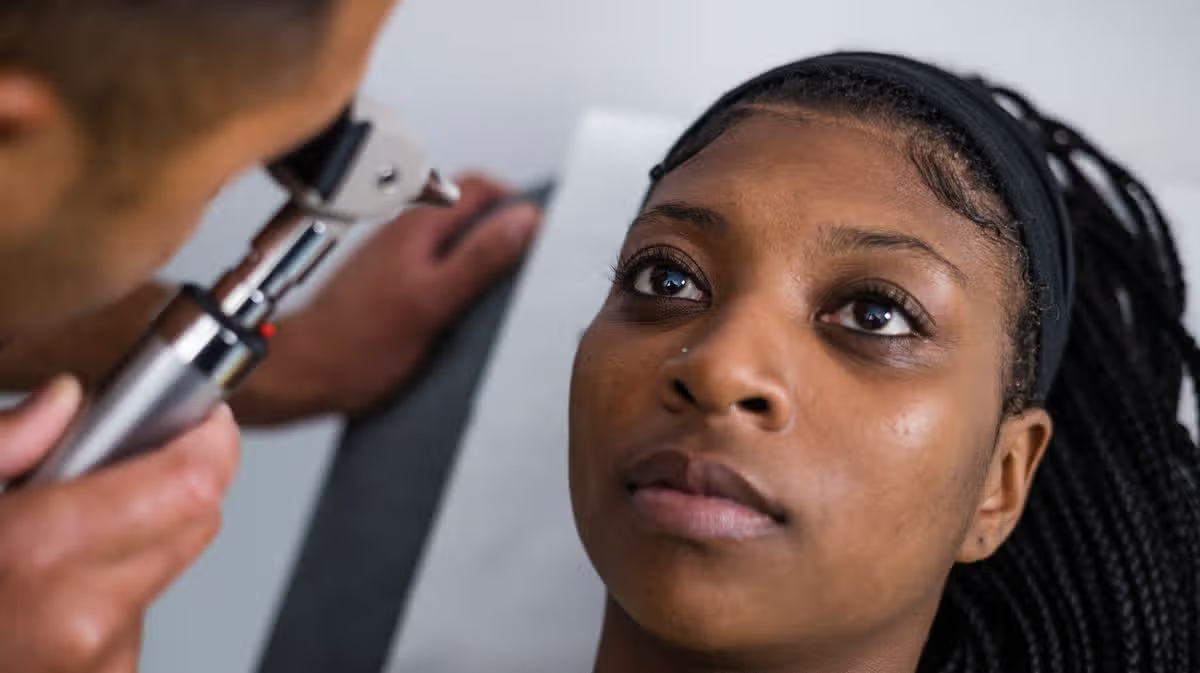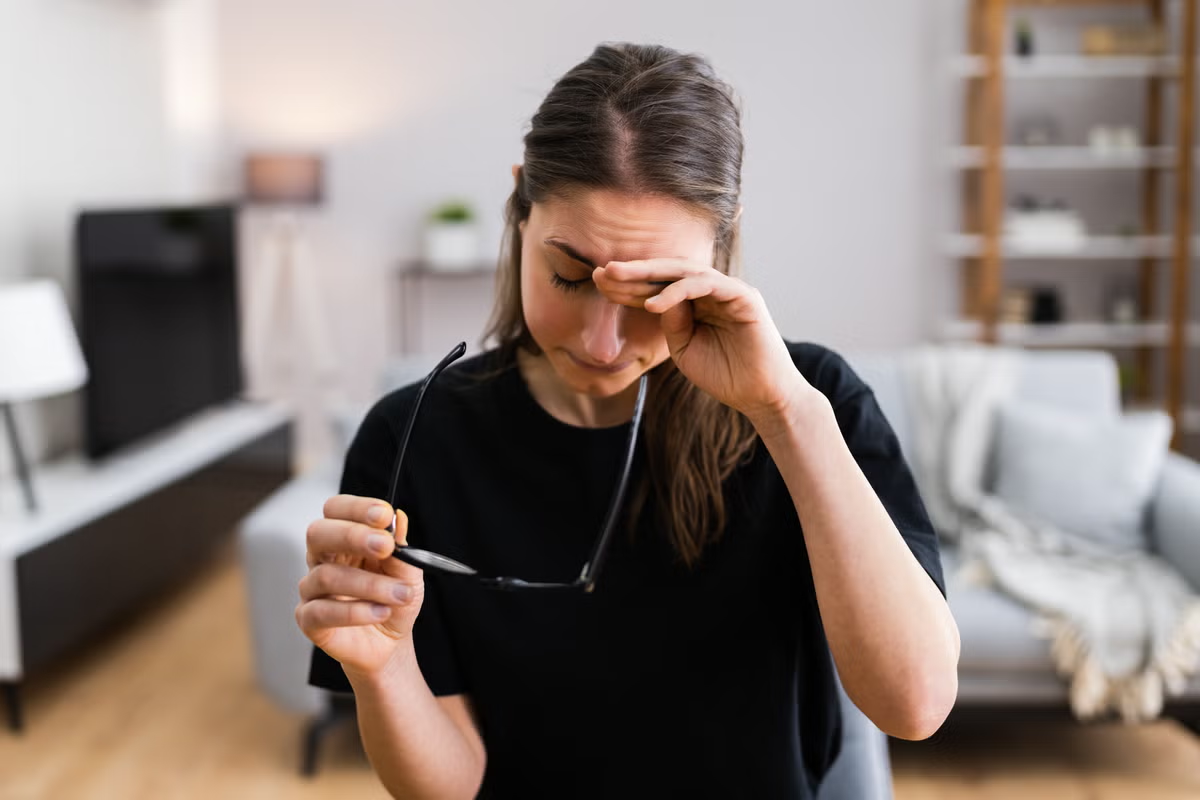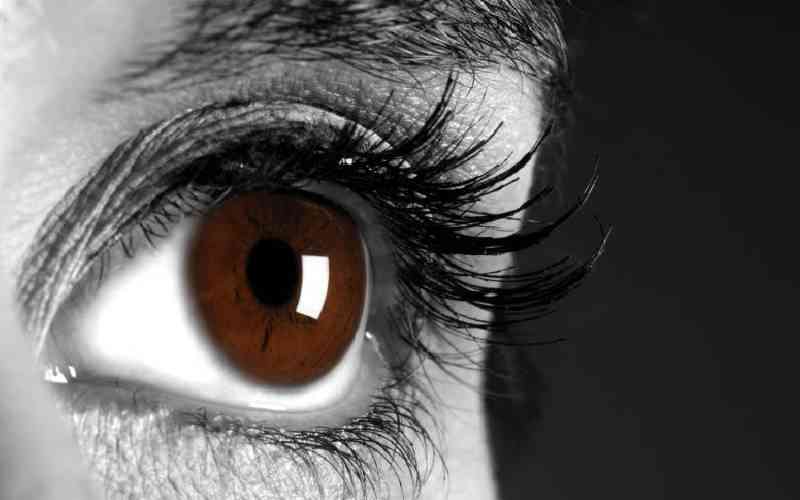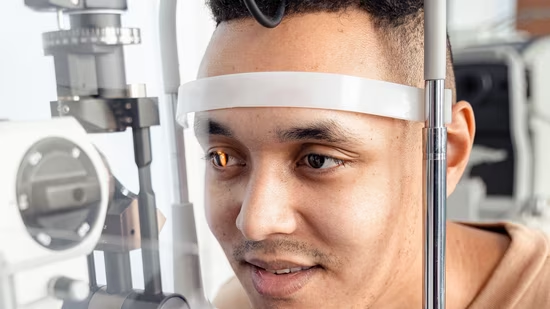
From rubbing your eyes to skipping check-ups, Dr Rashmi Jaiswal reveals 8 mistakes to avoid for better vision. A diagnosis rarely rattles an ophthalmologist. What it does is find out a problem had been brewing for months, sometimes years, while the person sitting across the desk waved it off as nothing. Nearly 69 percent of Indian adults now deal with digital eye strain. Half of all children do too. Screens are everywhere now, at the office, in classrooms, on the ride home, and the number keeps climbing. In an interview with HT Lifestyle, Dr Rashmi Jaiswal, senior consultant at Sharp Sight Eye Hospitals, shares mistakes that are harming vision.8 common mistakes that could be harming your vision without you realising it. (Pexel)Also read | Gurgaon ophthalmologist says watery eyes don’t always mean healthy eyes; dry eye disease could be the hidden cause1. Waiting out the symptomsBlurred vision, night glare while driving, and struggling to read fine print in dim light. Most people wait, assuming it will pass. Sometimes it does not, and cataracts, glaucoma, or retinal disease can all surface exactly this way, advancing for years before anyone notices real damage has been done.2. Treating the optical shop like a clinic“Shop counters check spectacle power well. That is where it ends. Catching glaucoma, diabetic retinopathy, or early macular disease needs dilation and equipment no optician has on hand, so a clean shop reading offers no real guarantee that everything underneath is fine,” said Dr Rashmi.People tolerate headaches for years rather than book a five-minute recheck. (Pexel)3. Self-medicating with over-the-counter dropsGrab whichever bottle is closest, use it, and move on with the day. This backfires more often than people expect. According to Dr Rashmi, frequent redness-reducing drops can trigger rebound redness. Steroid drops without medical supervision are worse, capable of quietly raising eye pressure over weeks nobody is watching closely.4. Blaming screens for everything, then adjusting nothingScreens deserve some blame. But barely anyone changes their habits because of it. Brightness stays cranked up. Posture stays slouched. The 20-20-20 rule, glance 20 feet away every 20 minutes, gets ignored by nearly every person complaining about strain, including the ones who know the rule by heart.5. Wearing years-old glassesAn outdated prescription is exhausting, forcing the eyes into overtime hour after hour, all day, every day. “People tolerate headaches for years rather than book a five-minute recheck,” said Dr Rashmi. The old pair feels fine until it is tested against a current one, and then it very clearly is not.6. Sleeping in contact lensesEven occasionally sleeping with your contact lenses significantly increases the risk of corneal infections. Many of the severe cases eye doctors treat begin with just one night of forgetting to remove the lenses.7. Skipping exams because vision feels fineAccording to Dr Rashmi, it often shows zero symptoms until meaningful vision loss has already happened, quietly, in the background. Seeing clearly today says almost nothing about next year. That gap alone is the entire argument for routine exams, whatever your eyes happen to feel like this week.Even occasionally sleeping with your contact lenses significantly increases the risk of corneal infections. (Pexel)8. Going without sunglassesUV exposure never stings in the moment, so nobody bothers thinking about it. It still adds up, year after year, and plays a real role in cataracts and other long-term damage down the line. Sunglasses cost little and protect a lot, and somehow they remain one of the easiest things to forget on the way out the door.About Dr Rashmi JaiswalDr Rashmi Jaiswal is a consultant with Sharp Sight Eye Hospitals. She did her MBBS from the prestigious King George Medical University, Lucknow, and MS (Ophthalmology) from SNMC, AGRA. She has over 6 years of experience in Phacoemulsification Cataract Surgery with monofocals, multifocals, and toric IOLs.Note to readers: This article is for informational purposes only and not a substitute for professional medical advice. Always seek the advice of your doctor with any questions about a medical condition.Anukriti Srivastava thrives at the intersection of words and voice, where journalism meets storytelling. A digital editor and journalist with over 5 years of experience, she has written across lifestyle, women issues, relationships, entertainment, fashion, and travel. She did her Masters in Broadcast Journalism and has published more than 500+ lifestyle content pieces across platforms.
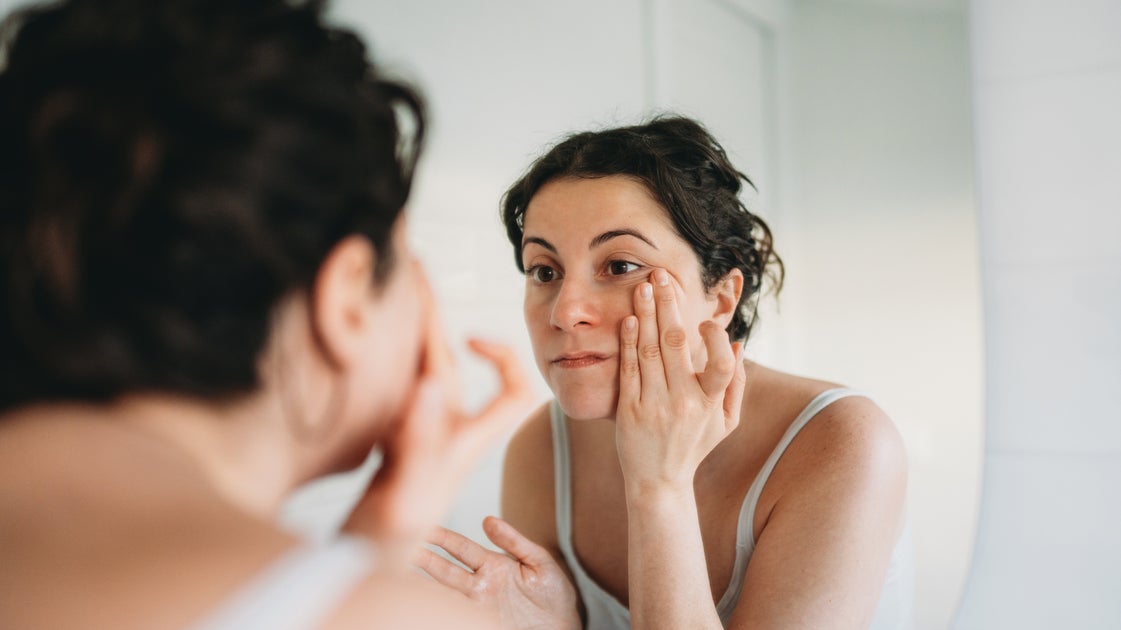
Eye doctor Dr Rashmi Jaiswal reveals 8 common mistakes that could be harming your vision without you realising it
From rubbing your eyes to skipping check-ups, Dr Rashmi Jaiswal reveals 8 mistakes to avoid for better vision. | Health
908 words~4 min read