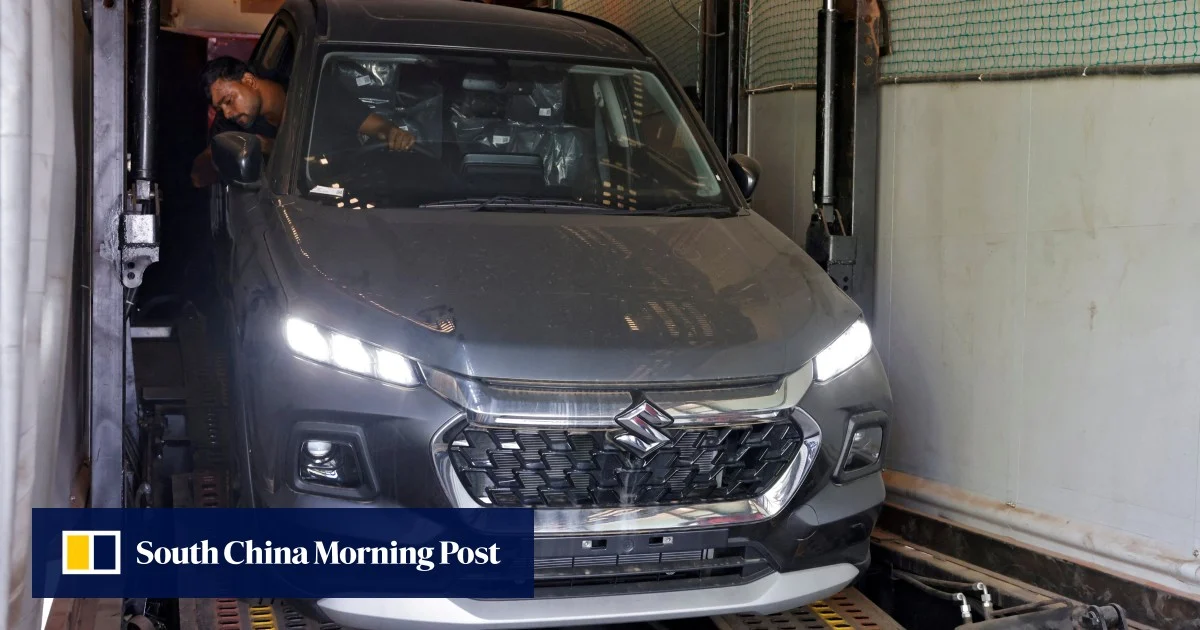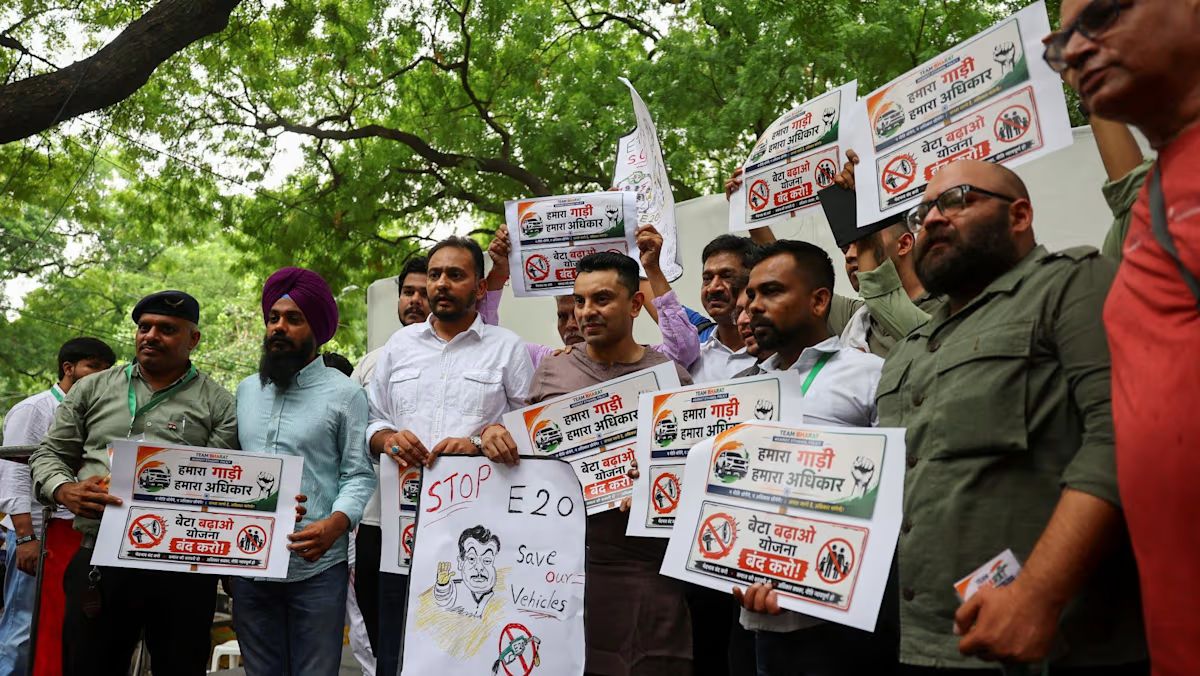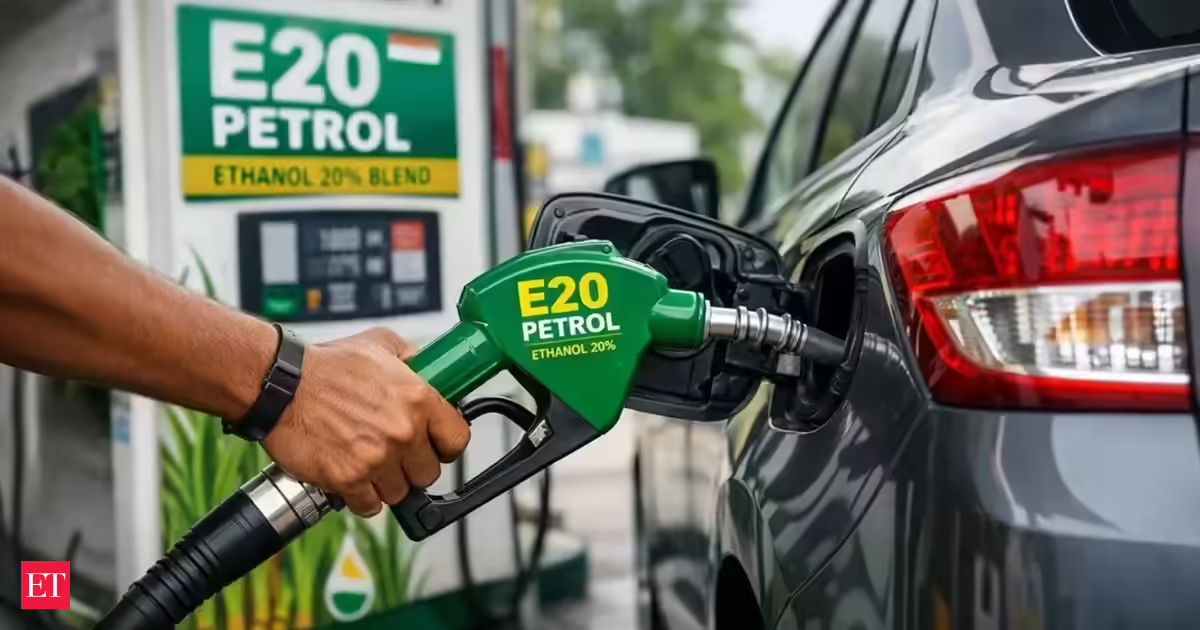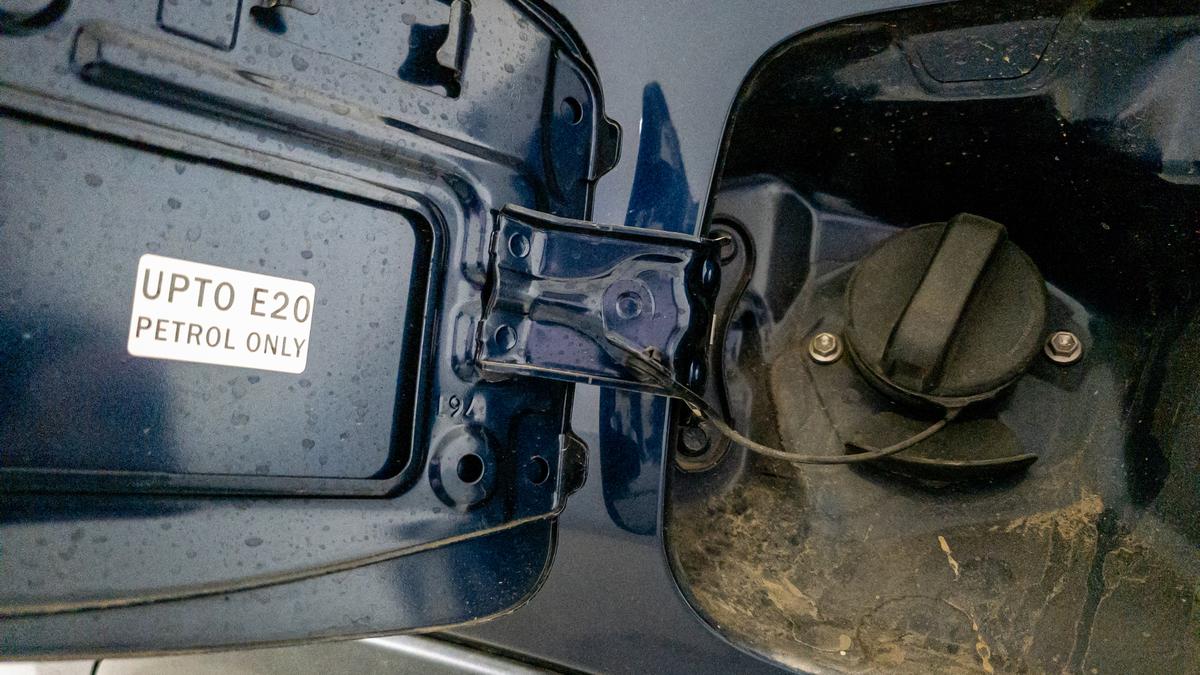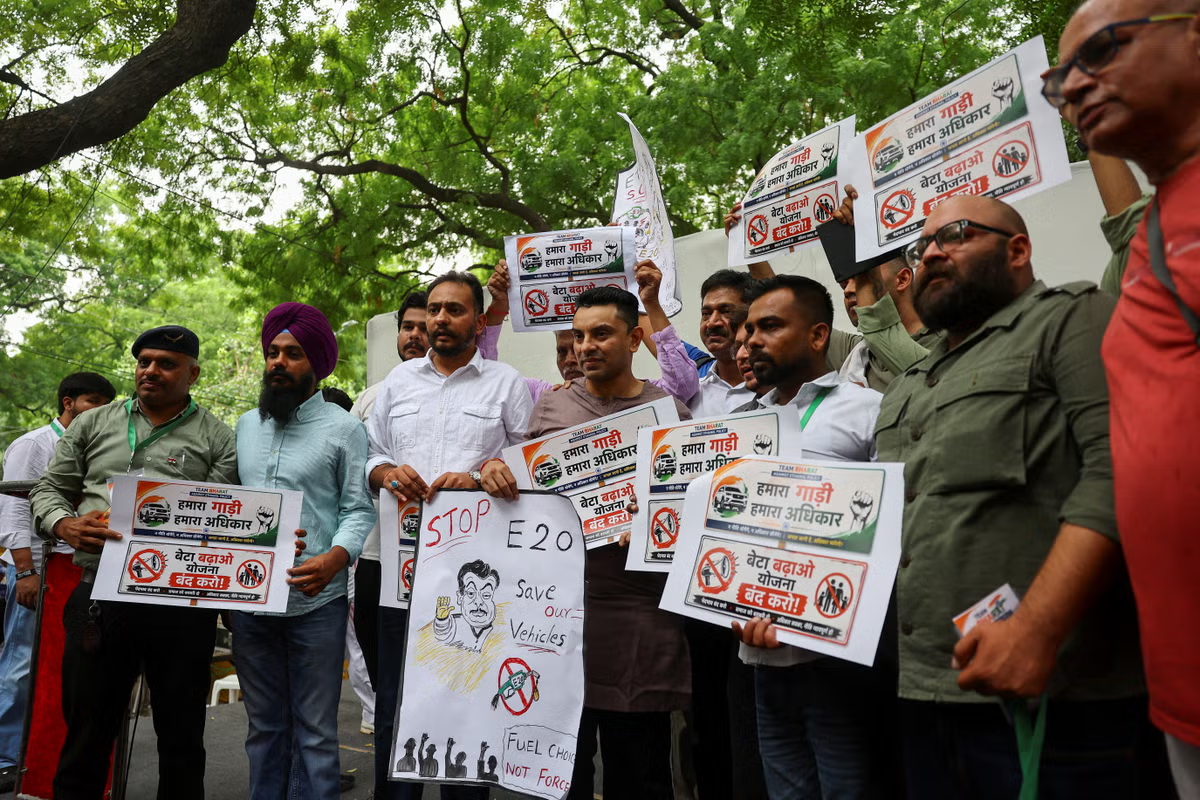
An Indian court ordered the country's biggest carmaker to replace a customer's vehicle after he alleged that the petrol he was required to use had damaged it, the first ruling of its kind in a growing row over the government's ethanol fuel policy.A consumer court in the central state of Chhattisgarh told Maruti Suzuki to give the owner, a doctor, a new Grand Vitara or pay him two million rupees (£17,300) in damages, according to Reuters, which reported the ruling this week. Maruti said it would appeal.The case turns the spotlight on E20, a petrol blend containing 20 per cent ethanol that became the standard fuel at nearly all Indian pumps in 2026. The dispute has become one of the biggest political headaches for the government of Narendra Modi.Ethanol is a biofuel made from crops such as sugarcane and maize, or from farm waste, and burns more cleanly than pure petrol. Blending it into petrol is common in Brazil, the United States and Thailand. India has pursued the policy to cut its large bill for imported crude oil, lower emissions and support farmers by creating demand for their produce.India imports roughly 87 per cent of its crude oil and has been one of the hardest hit countries after disruptions at the Strait of Hormuz.Ethanol is also claimed as a cleaner alternative, but whether ethanol is truly green is disputed.It burns more cleanly than pure petrol and, because the crops absorb carbon dioxide as they grow, is counted as lower-emitting over its lifecycle, which is the basis for India's claim that the policy cuts emissions.But diverting sugarcane and maize to fuel raises questions over land and water use in a country with competing demands for both, and independent analysts have warned that E20 may increase emissions of some pollutants, including nitrogen oxides and acetaldehyde, and that Indian test conditions may not capture peak summer temperatures. Supporters of Indian Youth Congress hold placards and shout slogans during a protest against government’s 20% ethanol-blended fuel policy (Reuters)The government brought forward its target of a 20 per cent blend from 2030 to 2025 and met it early.Until recently, Indian petrol contained no more than 10 per cent ethanol.The problem is what the fuel may do to older engines. Cars and motorbikes sold in India before March 2023, when E20-compatible vehicles went on sale, were designed for lower blends. Ethanol absorbs moisture and acts as a solvent, which drivers and mechanics say can swell or crack rubber seals, clog fuel filters and cause rough starts in vehicles not built for it.Owners also complain that the fuel cuts their mileage, because ethanol carries less energy than petrol, so a car burns more of it to cover the same distance. Real-world estimates suggest a drop of between 3 and 10 per cent depending on the vehicle. India's automakers' body has put the reduction at 2 to 4 per cent.Concern grew after an Indian insurer said engine damage caused by using the wrong fuel would not be covered, leaving owners to foot repair bills themselves. There is no official scheme to adapt the millions of older vehicles on India's roads, so any cost falls on the driver.The government and carmakers say the fuel is safe. Maruti told the court in the Chhattisgarh case that the defects came from adulterated fuel rather than E20, and that the vehicle was compatible with the blend and sold as such in its manual. "The car in this case was an E20 compatible car, fully equipped to handle E20 fuel and so disclosed in the owner's manual," Maruti said in a statement to Reuters.The company said this month that checks on cars made before 2023 "have not found anything of concern". The judges disagreed.A worker unloads a Grand Vitara car from a container at a Maruti Suzuki stockyard on the outskirts of Ahmedabad, India (Reuters)Ministers have defended the rollout in similar terms. The roads minister, Nitin Gadkari, told an industry convention in September that criticism of the programme on social media was "a paid campaign" against him and not based on fact, adding that testing agencies had confirmed no problem with the vehicles.Critics argue the policy was introduced too fast and without giving motorists the choice of a lower blend, as buyers in Brazil and the US have. The government's own position drew scrutiny in June when its attorney general told the Supreme Court that the administration was "experimenting" with the 20 per cent blend, a comment officials later sought to clarify.Legal experts said the Chhattisgarh ruling could encourage other owners to bring claims. Harsh Gursahani, a partner at the law firm PLR Chambers, said it could prompt a wave of cases, "which will be a big headache for Maruti and other automakers", he told Reuters.Maruti has the option to challenge the verdict at a higher consumer forum.
Why India is pushing ethanol as biofuel and what it means for car owners
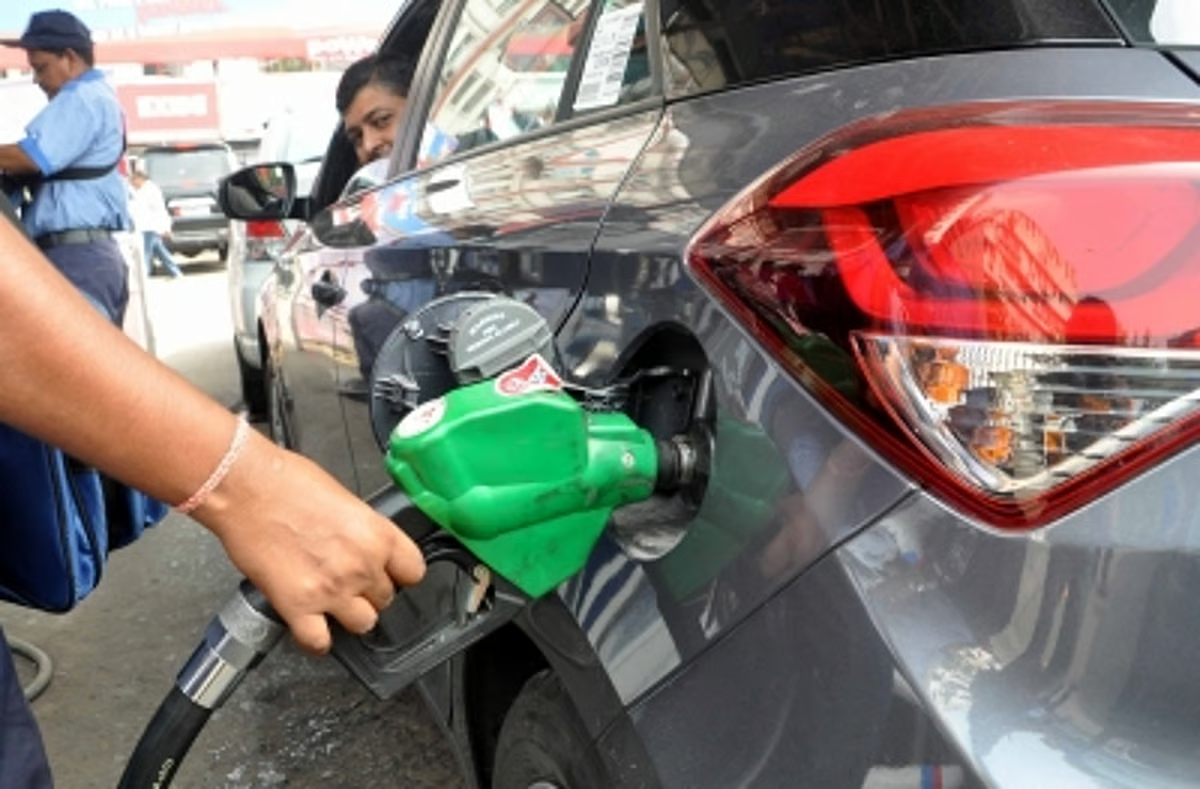
Owners complain that the fuel cuts their mileage, because ethanol carries less energy than petrol, so a car burns more of it to cover the same distance
805 words~4 min read