E20: Concerns over impact on vehicles
| Photo Credit:
Venkatesan R 5375
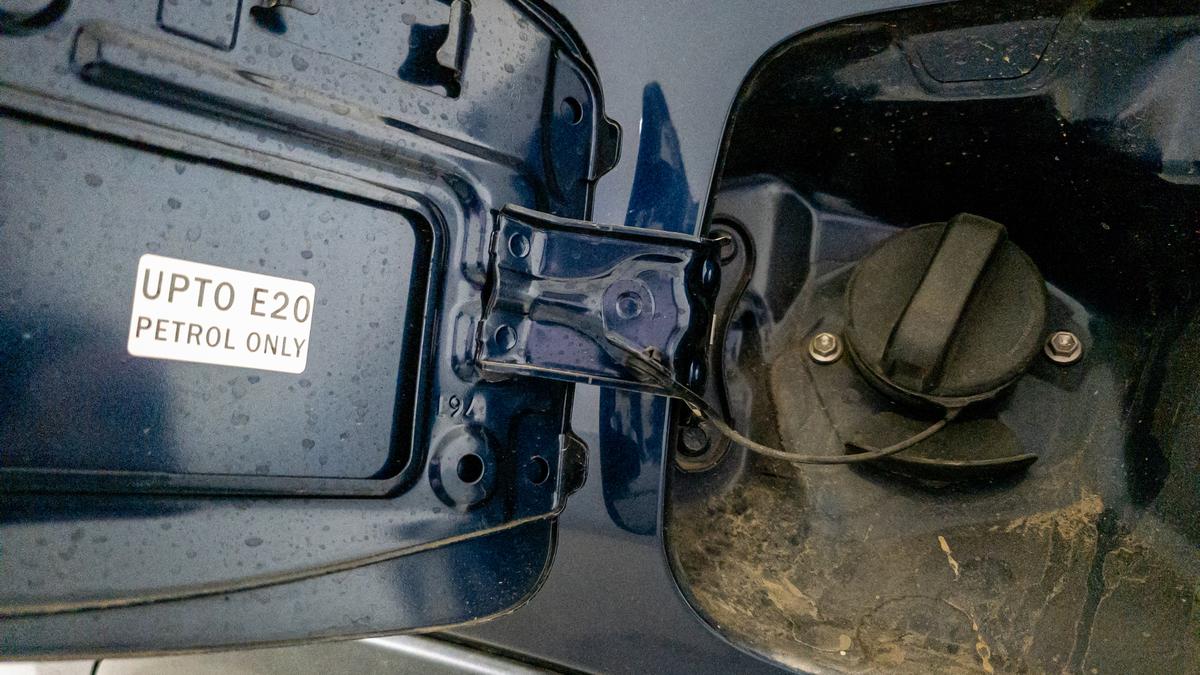
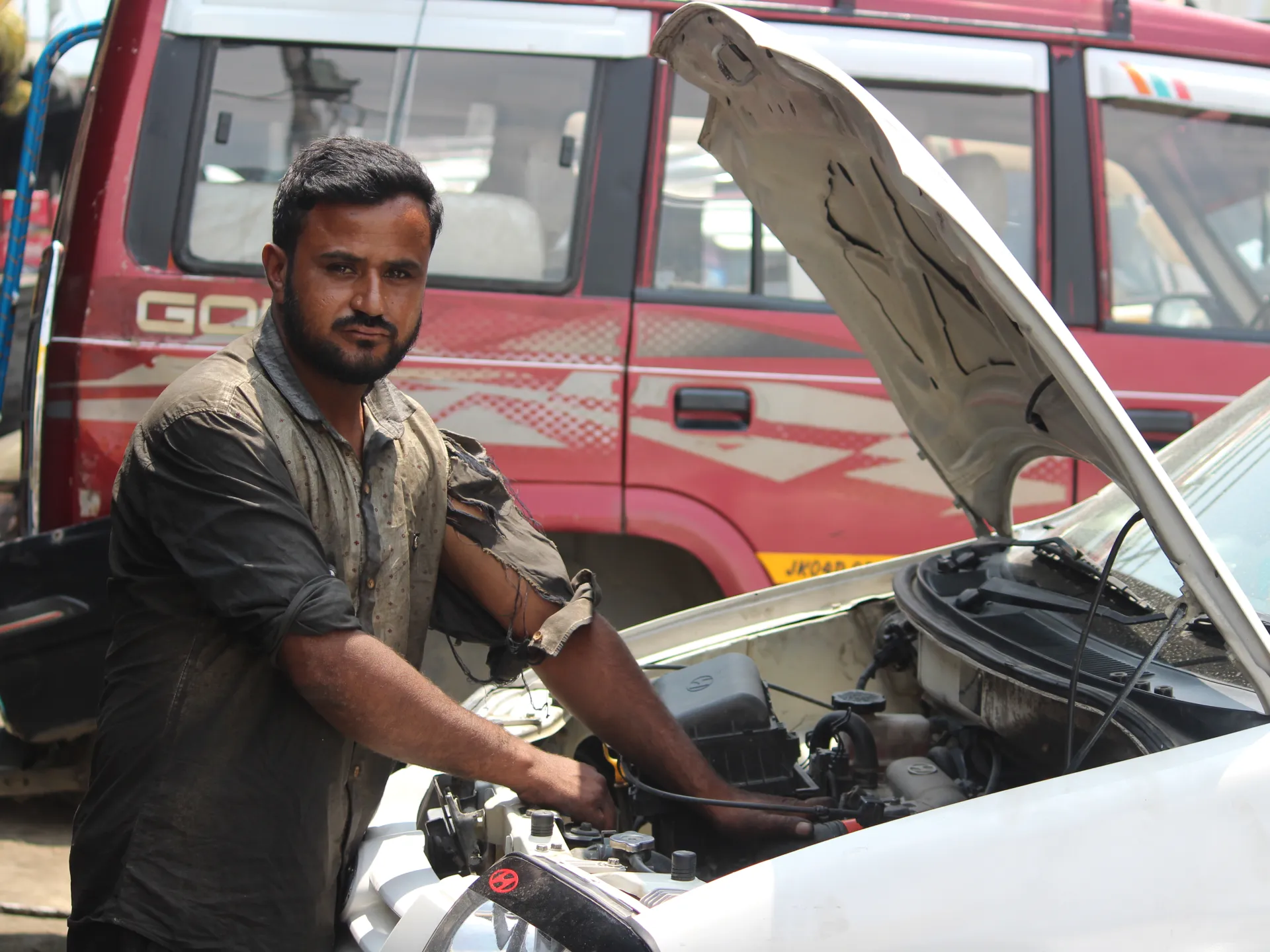
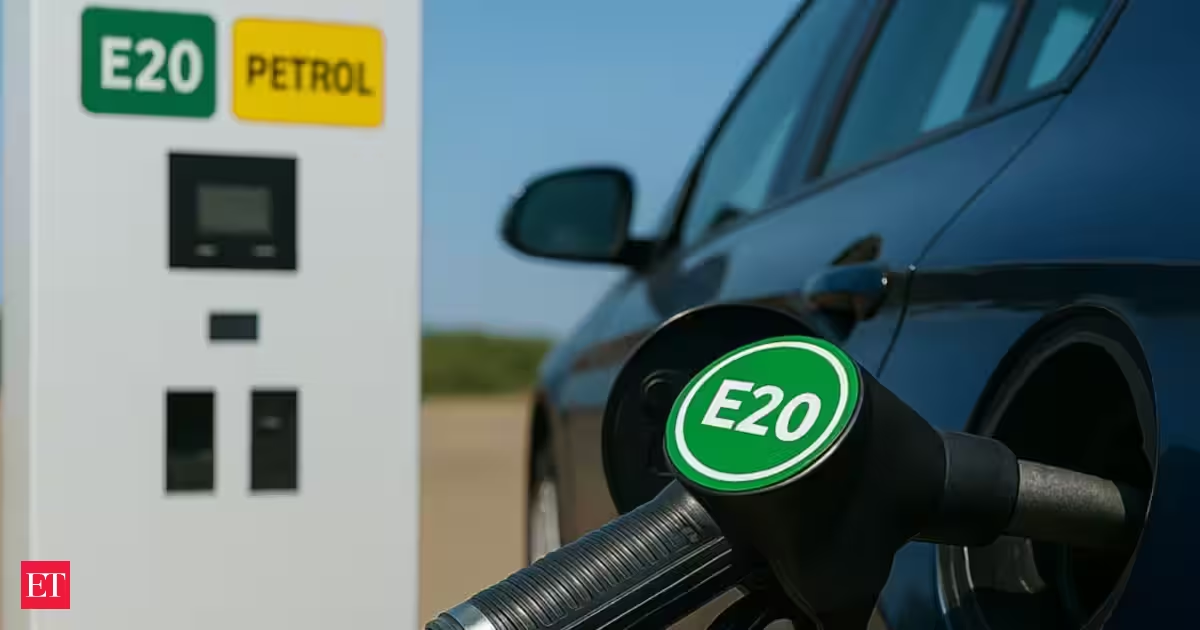
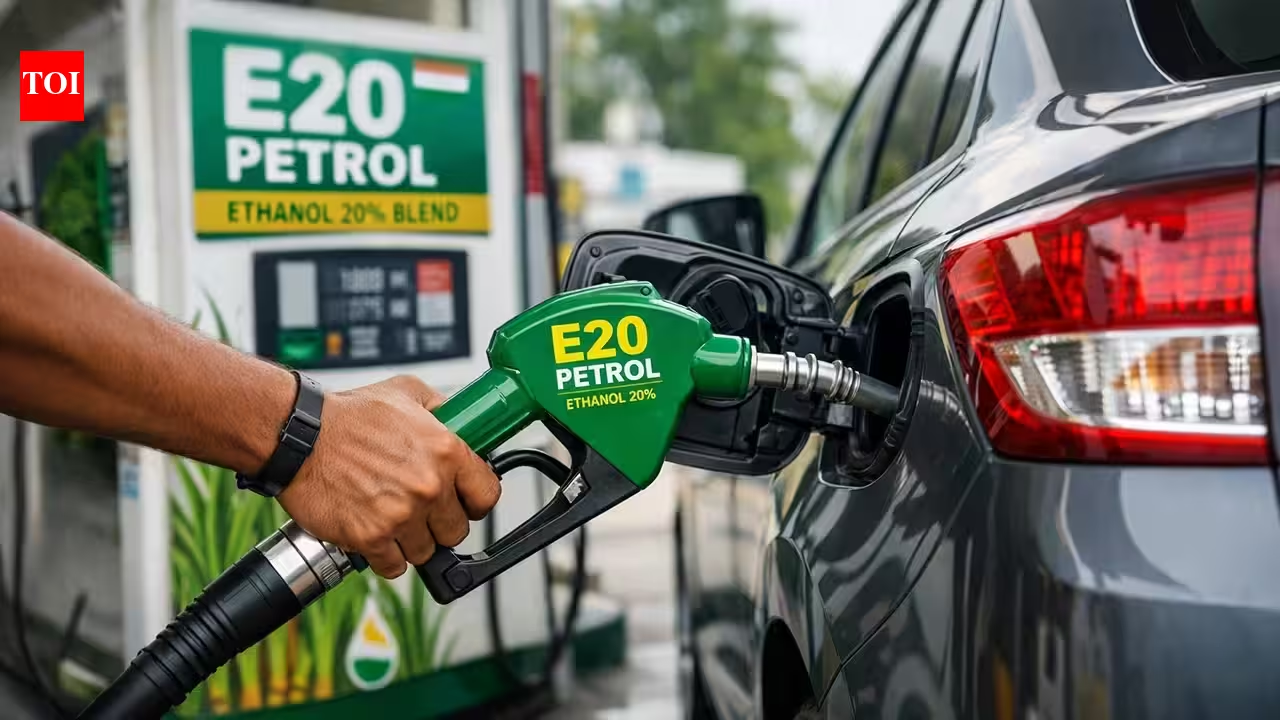
Auto vehicle users have raised an outcry over the impact of the ‘E-20 mandate’. The consumer debate centres around two aspects: the impact of a 20 per cent ethanol blend on fuel efficiency, and on the wear and tear of the vehicle engines. Consumers claim that the impact on both counts is negative, whereas the Centre has said, through a recently issued FAQ on ethanol blending, that fuel efficiency does indeed fall but there is no evidence of vehicular damage. The second assertion is rather confusing.To put this debate in context, the Centre has mandated that all BS VI vehicles are required to “fully meet’ E20 emission standards” from April 2026. Meanwhile, the availability of E-20 petrol is already in place. Thanks to 1,100-1,200 crore litres of ethanol being produced annually now, the 20 per cent blending target was achieved last July — five years before target. With this rapid transition, consumers have been caught off-guard. They want clarity on whether their vehicles are fit for E-20 fuel. Many would perhaps be willing to pay for ethanol-free petrol, but that has virtually vanished from the market. The FAQ says supplying unblended petrol in small quantities is not feasible when the distribution has moved to ethanol. Yet, it is vague on whether the existing vehicles should be modified or replaced. It says that Maruti Suzuki serviced 1.5 crore older vehicles ‘that were never originally certified as E-20 compatible’ without any damage to rubber components, fuel lines and engines, as claimed by consumers. If this is so, the need for ‘E-20 compatibility’, seems unclear. Consumers need clarity on their options. With E-20 becoming mandatory, they have been forced to accept a fuel efficiency reduction of 3.5 per cent with respect to the E-10 base, and nearly double that from petrol as base. Auto firms must be open on their plans, so that consumers can exercise an informed choice, which includes moving to EVs or CNG.The energy shock has infused a sense of urgency into the ethanol push. Assuming a ball park figure of ₹2 lakh crore in petroleum imports, a 20 per cent reduction in quantity of crude imports is expected to save ₹30,000-40,000 crore — without taking into account losses in fuel efficiency. This is a huge benefit, and to push this cause the government purchases ethanol at attractive prices. The consumer pays more as a result of this incentive to grain and sugarcane farmers. The issue of grain diversion, which accounts for two-thirds of ethanol supplies, is not addressed here, nor is the problem of water use. Of course, politically speaking, the ethanol focus can help in the elections next year in Uttar Pradesh and other States where sugarcane, paddy and maize farmer lobbies are strong.The Centre must take a long-term view on fuel choices, which reconciles multiple objectives — curbing imports, securing lifecycle environmental benefits, and keeping consumer costs down. A combination of EV batteries, ethanol, CNG and petrol needs to be visualised.Published on July 15, 2026