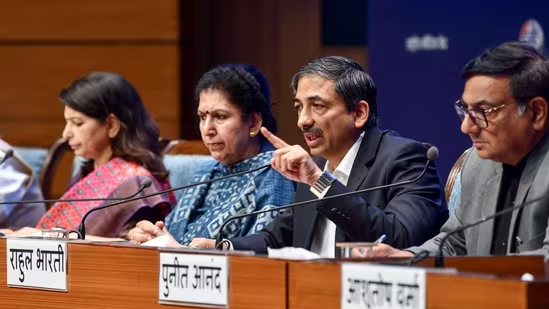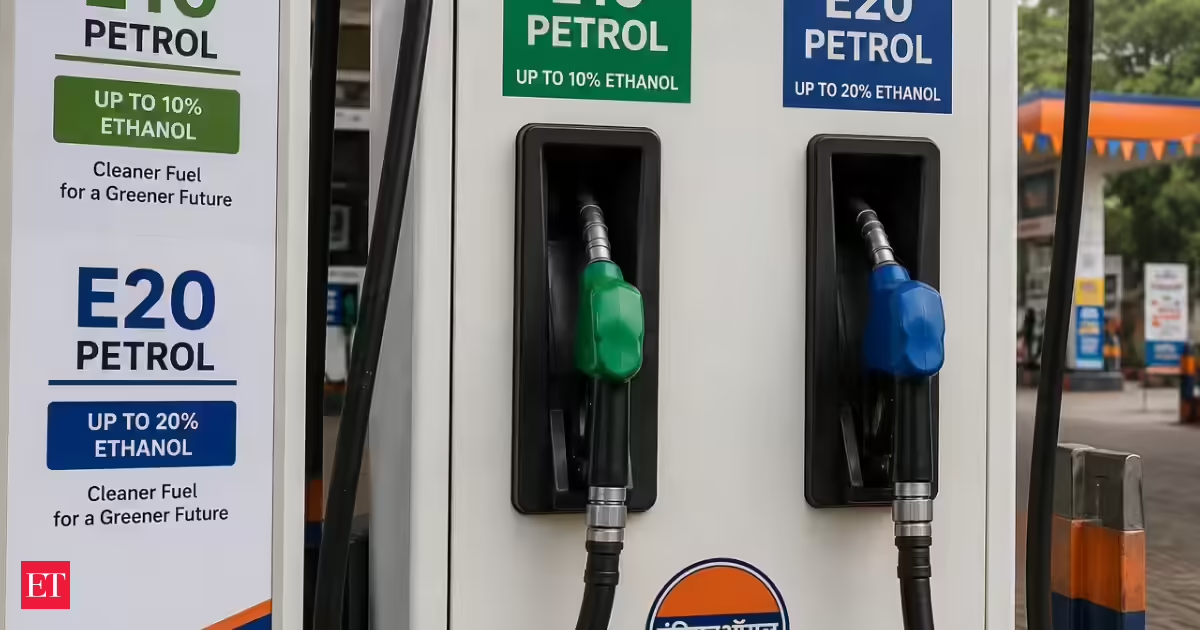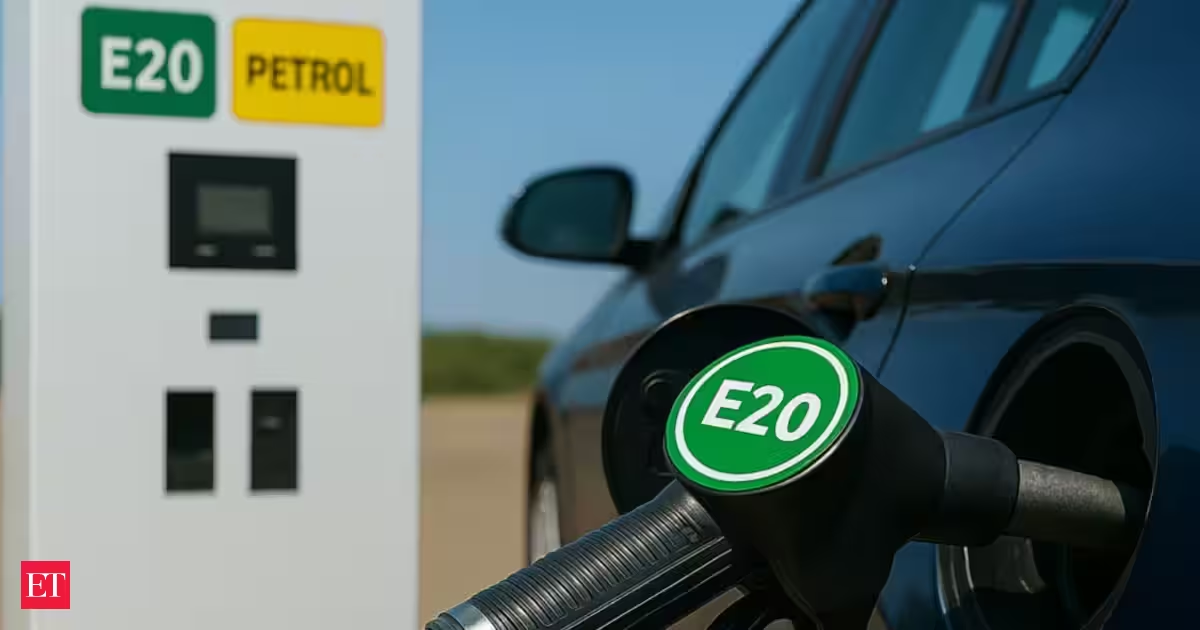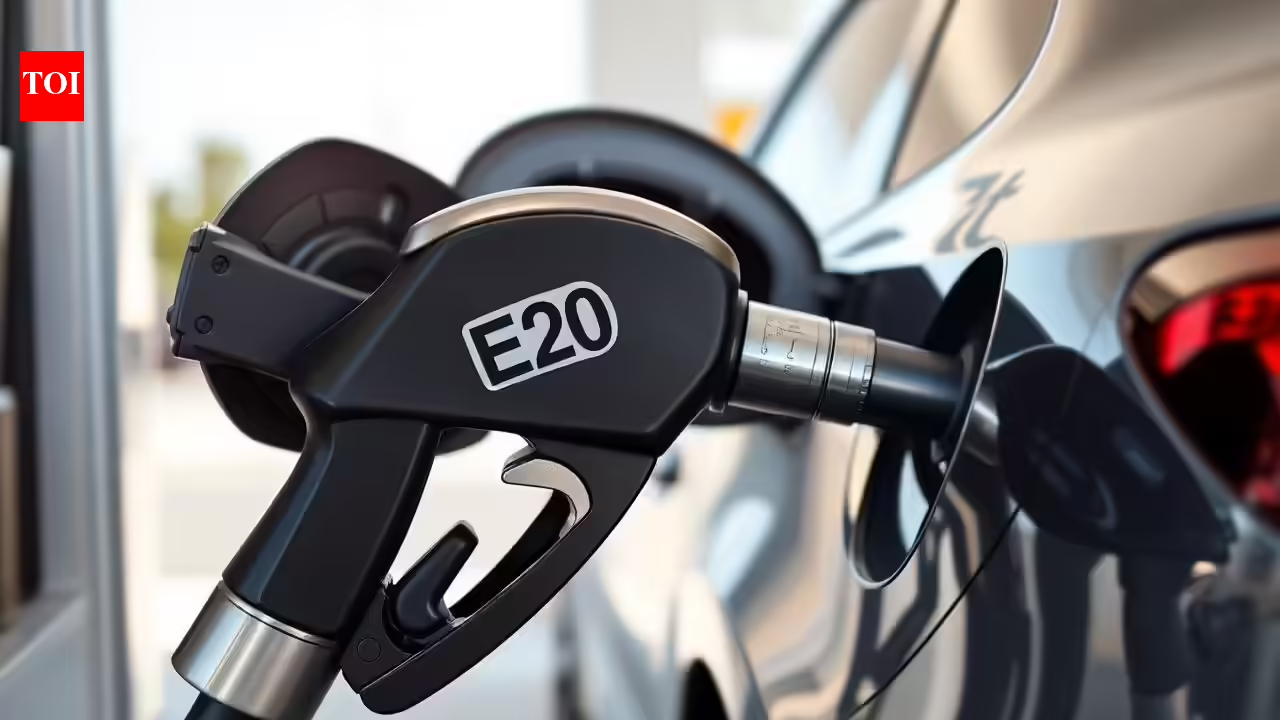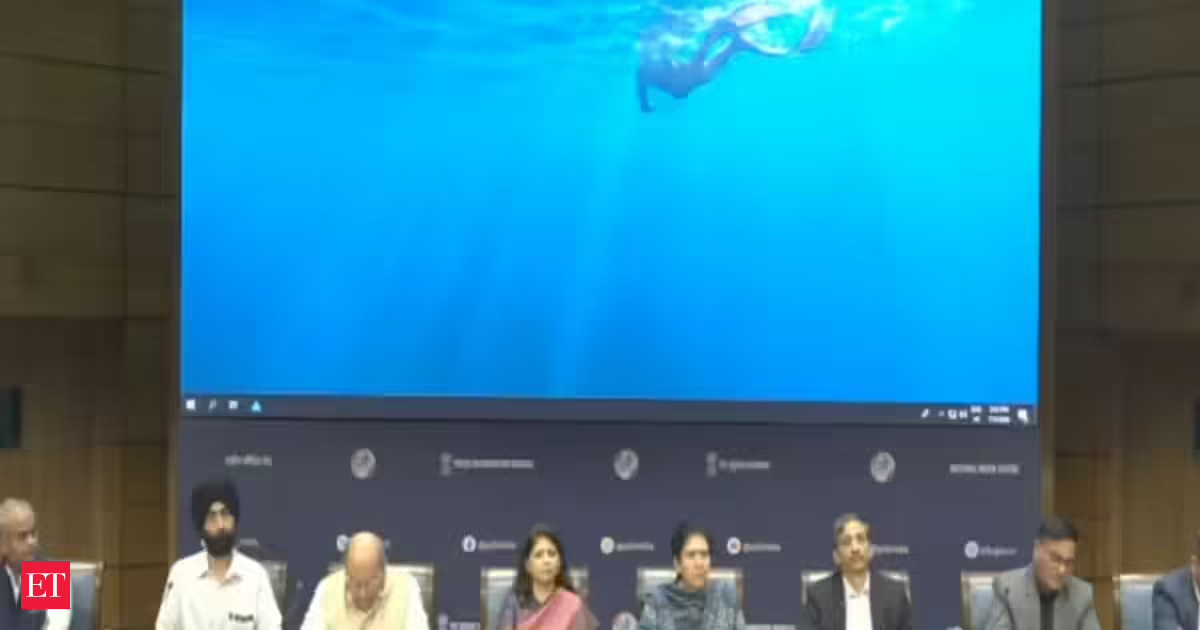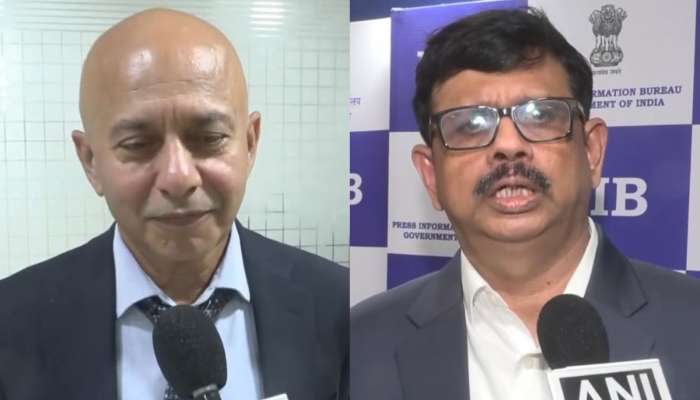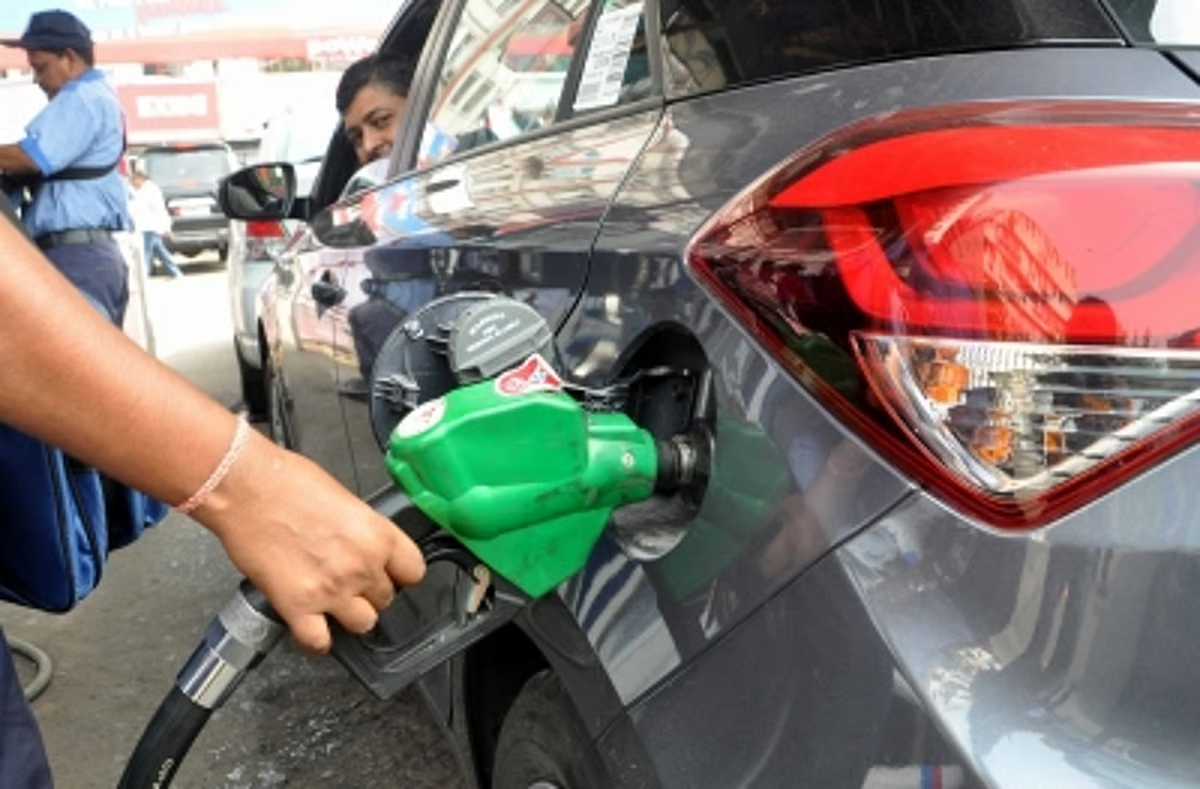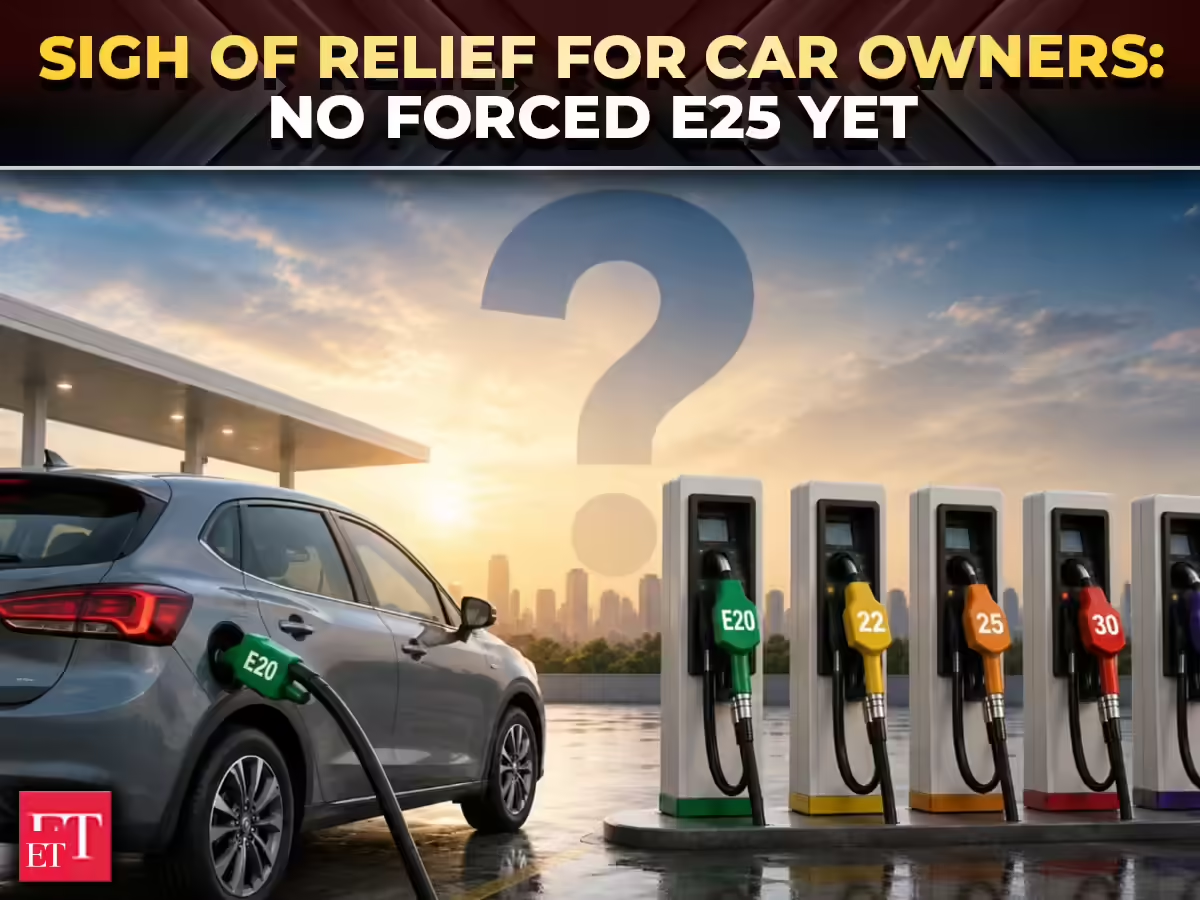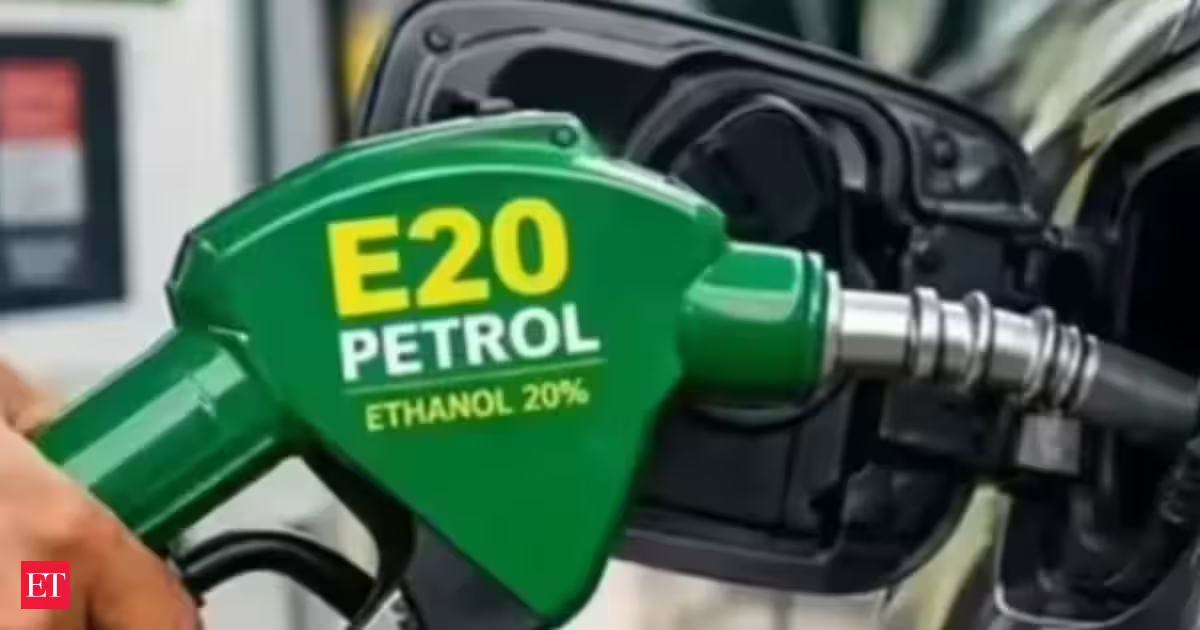
Concerned over social media outrage on the 20 per cent blending of ethanol with petrol, the government on Saturday pressed the auto industry to defend the move, following which representatives of automobile companies held a media briefing at Delhi’s National Media Centre. While defending the benefits of E20 blending and dismissing concerns about its adverse impact on pre-2023 vehicles, the industry also acknowledged that it leads to a drop in mileage.Maruti Suzuki’s Rahul Bharti said that its E20 compliant vehicles, those rolled out from 2023, are also ready to absorb higher blend. But he declined to specify up to how much blend the current vehicles can absorb.The Automotive Research Association of India (ARAI), which is affiliated with the Ministry of Heavy Industries, is currently testing the feasibility of E22 and E25 ethanol blends in vehicles and is likely to submit its report to the Ministry of Petroleum and Natural Gas by December.“Internally, we have a much higher factor of safety. We are absolutely comfortable if the blending goes up by some percentage points from the current E20 level. As of now, we have not taken a call on what that level is because there are several variables and safety factors relating to design, production and usage. We have to evaluate those before we can make a statement. But when we certify an E20-compatible car, it is actually compatible with much higher blends, and we are confident of that,” Bharti said.Stating that Maruti Suzuki is yet to decide the level of ethanol blending beyond 20 per cent that its vehicles can support, he said, “Internally, we have a much higher factor of safety on that (blending level).” He added that E20 reduces fuel efficiency by about 3–3.5 per cent because of its lower energy content.Vikram Gulati, country head and executive vice president (corporate affairs), Toyota Kirloskar Motor, also echoed a similar view. “One thing is certain that there is a buffer. As there was a buffer in E10 which allowed us to say confidently (those vehicles have not been impacted by E20). The testing that was done by independent agency ARAI also showed that there would be no impact.”He further added that Toyota has not done any testing independently to determine the next level of blending beyond E20.Puneet Anand, associate vice president of Hyundai Motor India, dismissed the social media posts claiming damage to vehicles due to E20 fuel and said the company has not come across any such complaints from customers, so far. He also added that the auto industry itself would move to the government if their customers are inconvenienced.The representatives of automobile companies tried to dispel the concerns over the use of E20 petrol and said its was launched only after extensive scientific testing. They also said that the fuel meets stringent quality standards and is safe even for vehicles manufactured before 2023. In the press meet, where no official of any Ministry was present, except Mattu J P Singh of Press Information Bureau, they tried to champion the cause of ethanol saying it helps reduce India’s dependence on crude oil imports.Vartika Shukla of Engineers India said the E20 programme was the result of years of scientific evaluation rather than a sudden policy decision. She said that India increased ethanol blending in petrol, from around 1.5 per cent in 2013-14 to 20 per cent by December 2025, achieving the 2E20 target five years ahead of schedule. The EBP programme was backed by scientific evidence, extensive testing by automotive manufacturers, ARAI and the Society of Indian Automobile Manufacturers (SIAM), she said adding the programme follows global practices of the US, Brazil, Canada and Germany.Published on July 4, 2026
No issue with old vehicles after ethanol blending raised to 20%, claims auto industry
Auto industry assures no issues with E20 ethanol blend in vehicles, emphasizing safety and benefits amid public concerns.
609 words~3 min read