Skip to content
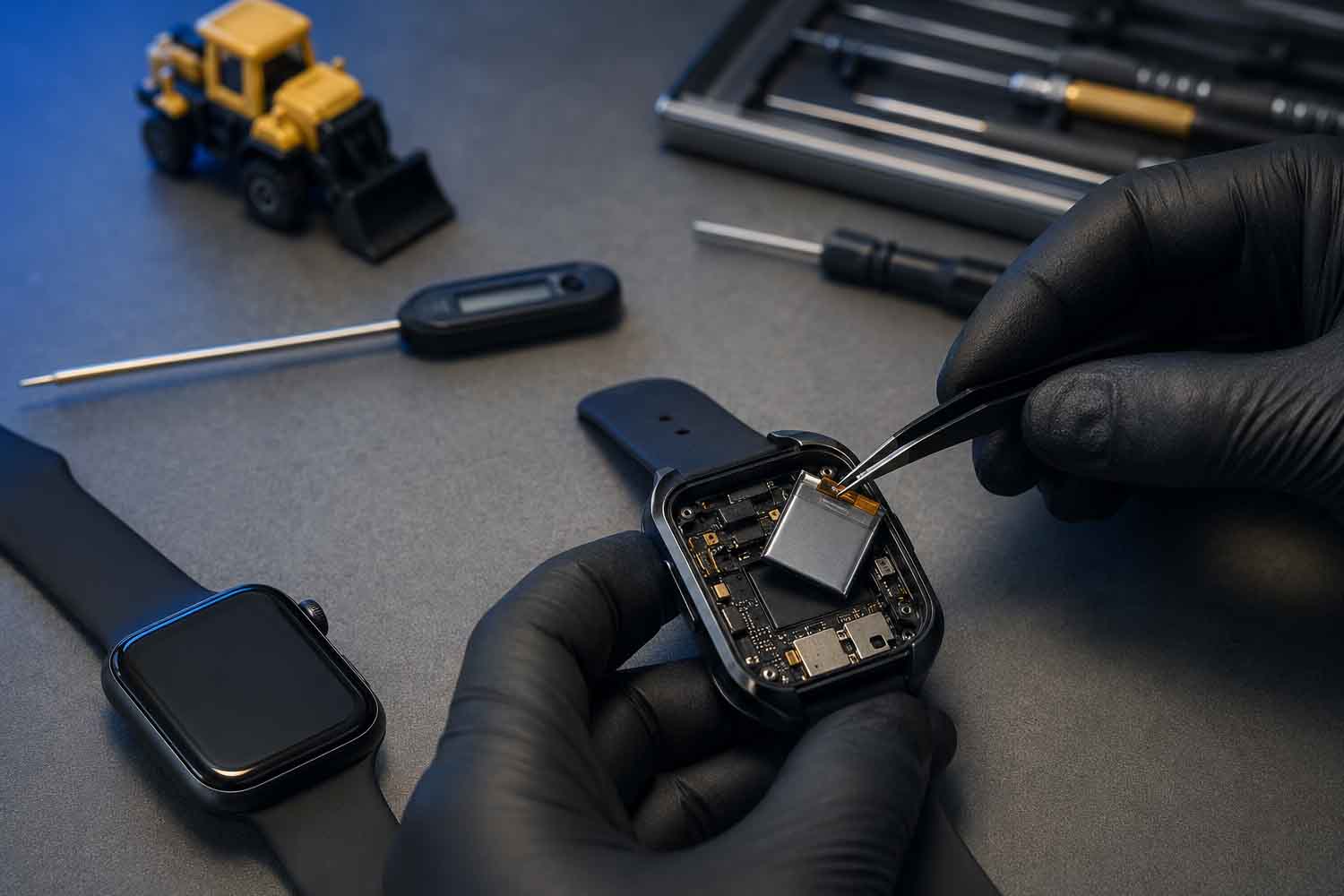
Built-in batteries put a timebomb inside devices, with especially the calendar aging feature of Li-ion chemistries setting a hard limit on when you’ll have to toss the device or figure out a way to replace the battery somehow. Here the EU’s Battery Regulation policy with the 2027 implementation of the user-serviceable battery requirement provided a lot of hope. Now six new categories of exemptions are diminishing what could have been a bonanza of easy repairability.
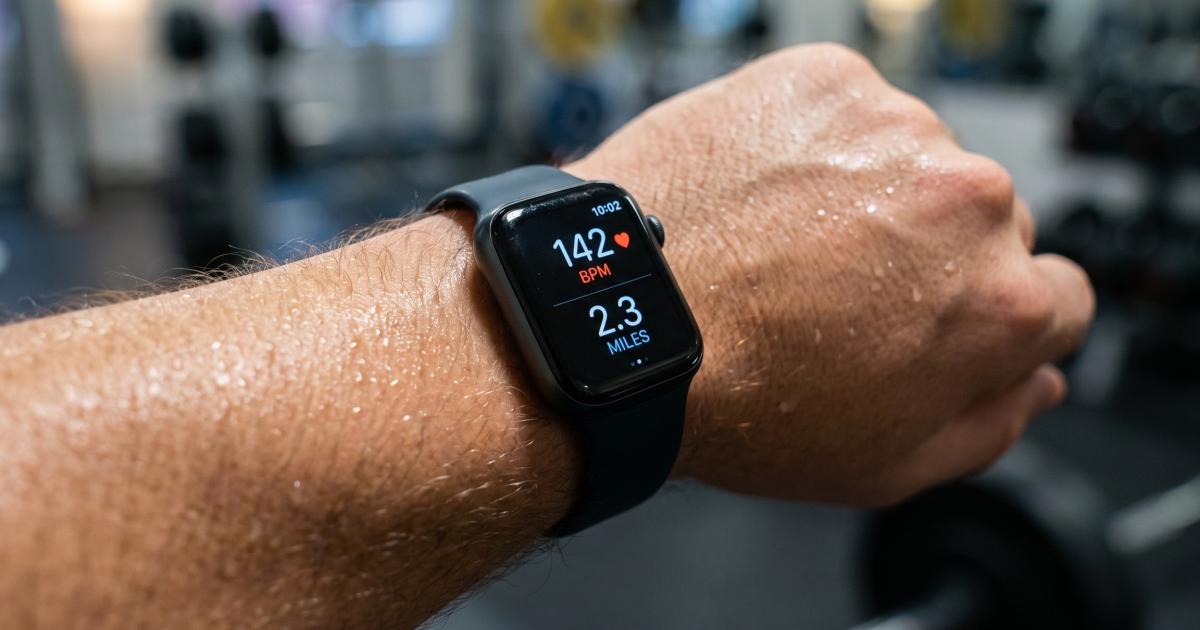
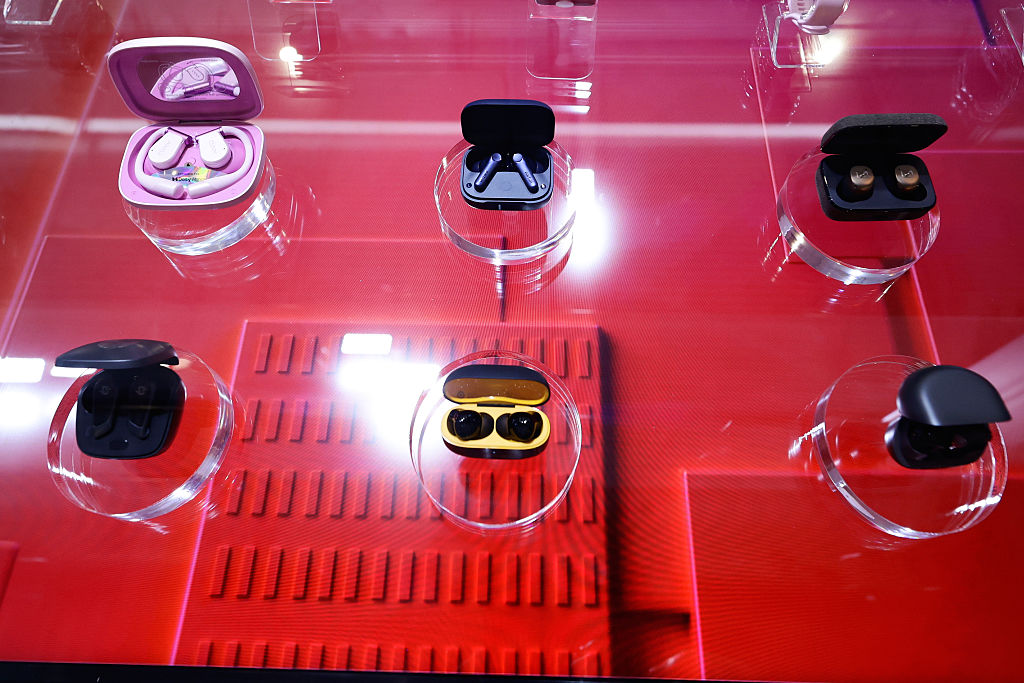
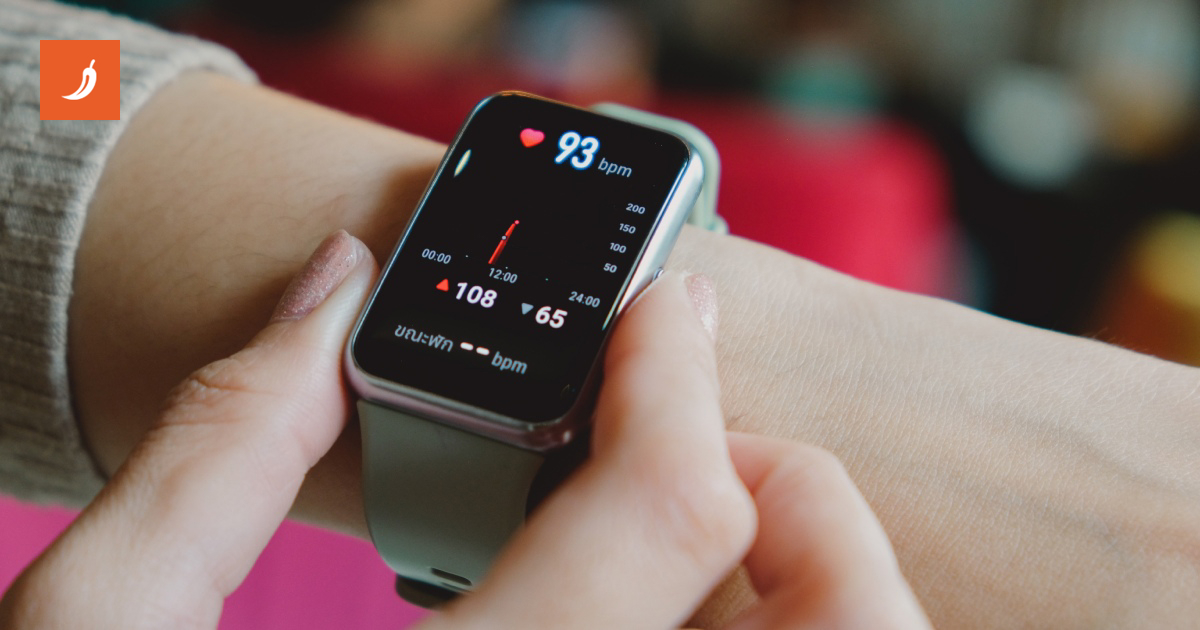
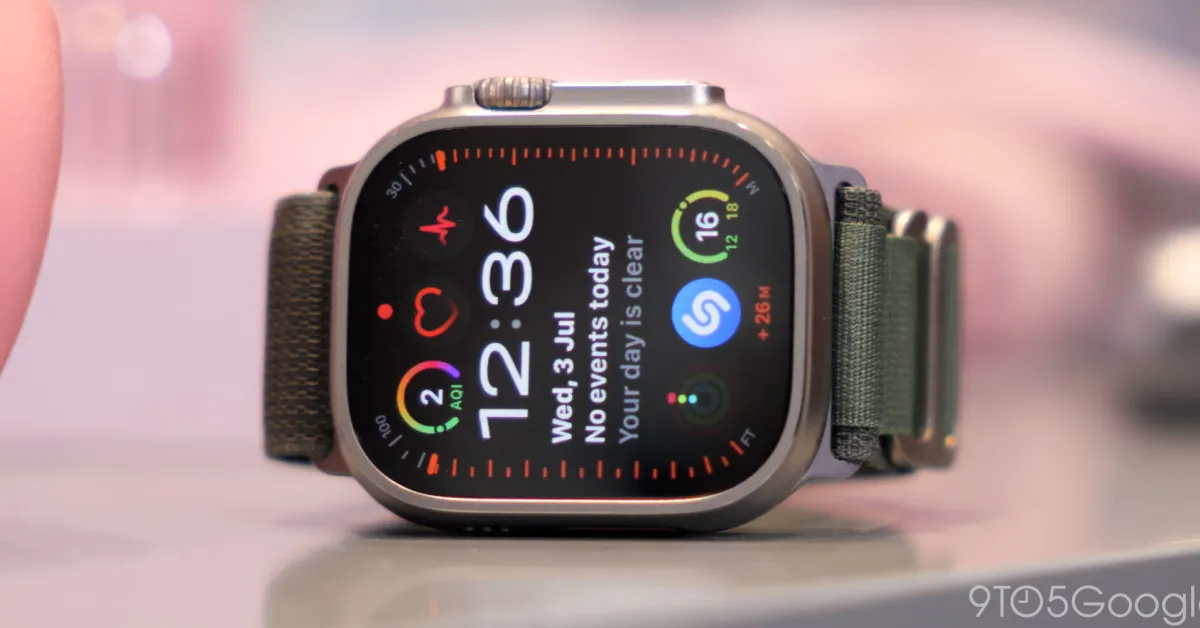
Most notable here are smartwatches, fitness trackers, wireless earbuds and other so-called ‘wet devices’, which as GSMArena also notes is an area where having a user-replaceable battery might affect features like being water-resistant. Something which is also relevant for e.g. outdoor wireless speakers. There’s also a new exemption for smartphones, where if its battery retains at least 83% of its original capacity after 500 charge cycles, battery replacement has to be only replaceable by professionals. Which is probably code for ‘glue, hotplates and prying tools’.
Considering just how daft of an idea built-in batteries are, this is somewhat disappointing to see. While it’s understandable that ‘wet devices’ get such broad exemptions, it should be noted here that advanced technologies like gaskets are neither complicated nor expensive. You can even hand the average user a tube of RTV silicone and let them go to town on a part in the happy knowledge that there’s never such a thing as ‘too much’ RTV silicone.