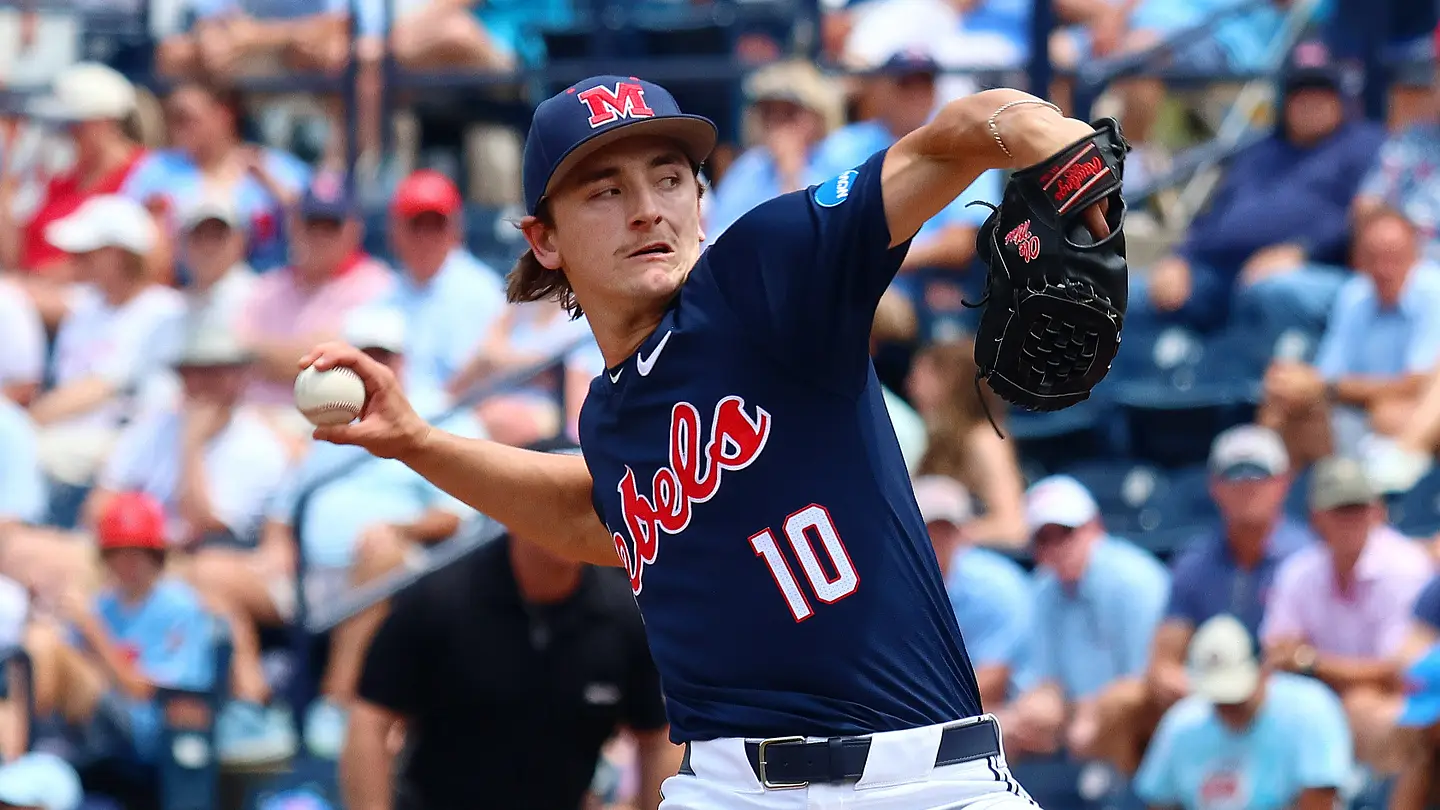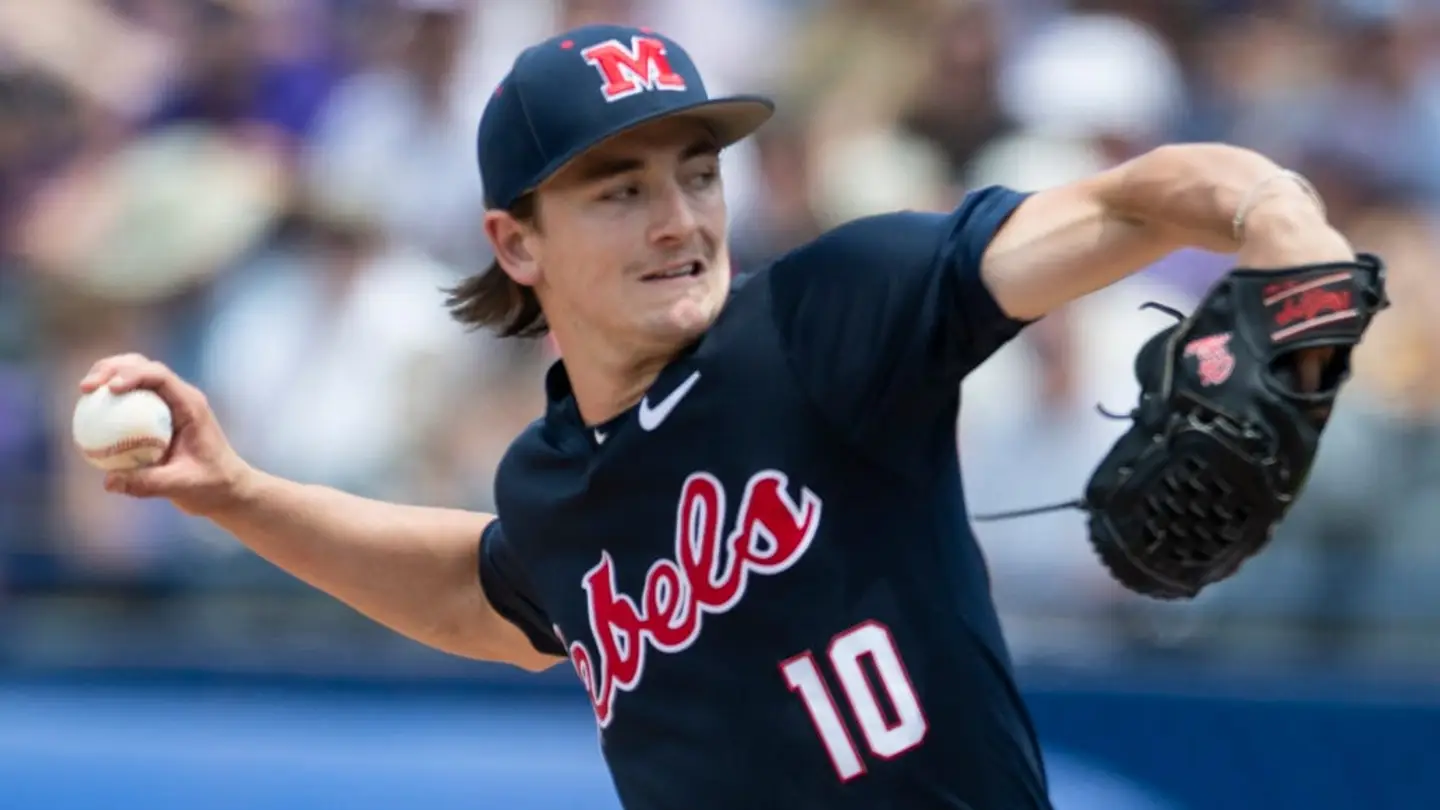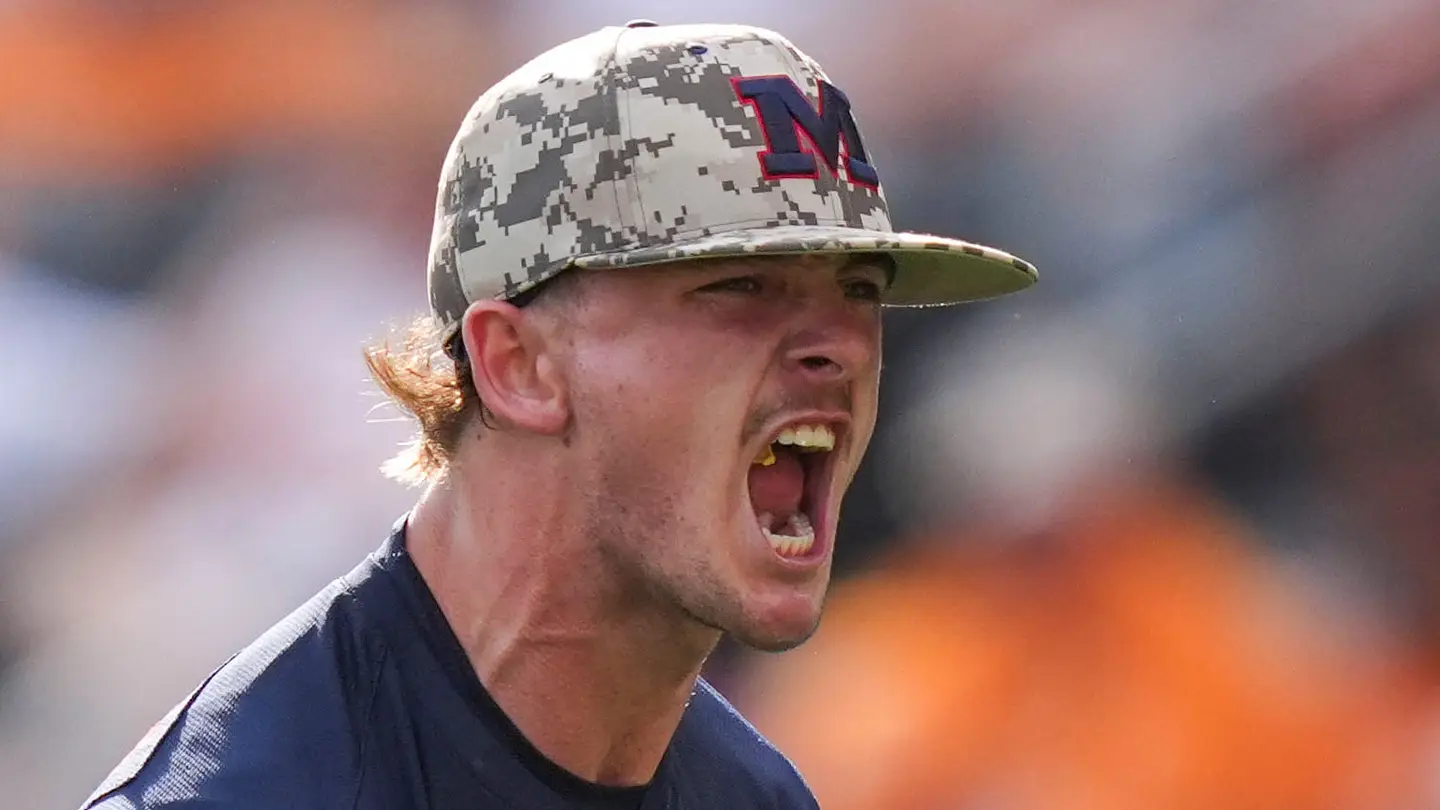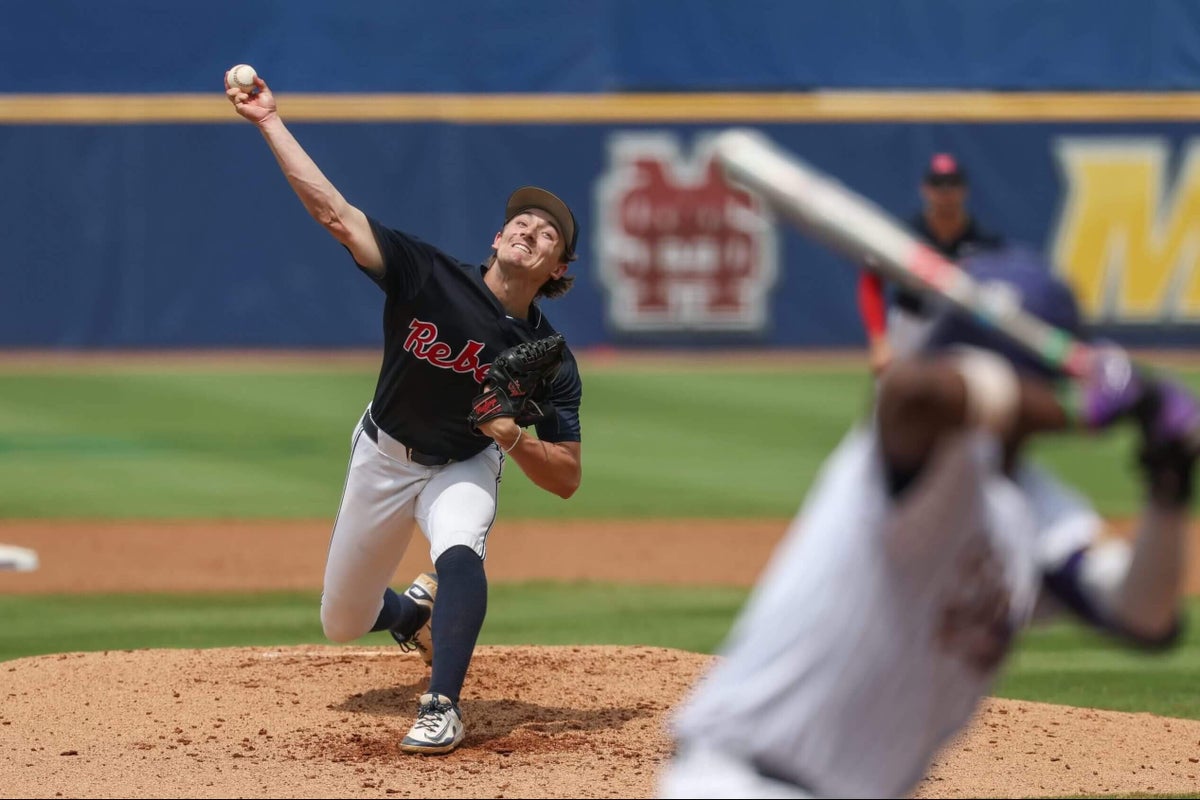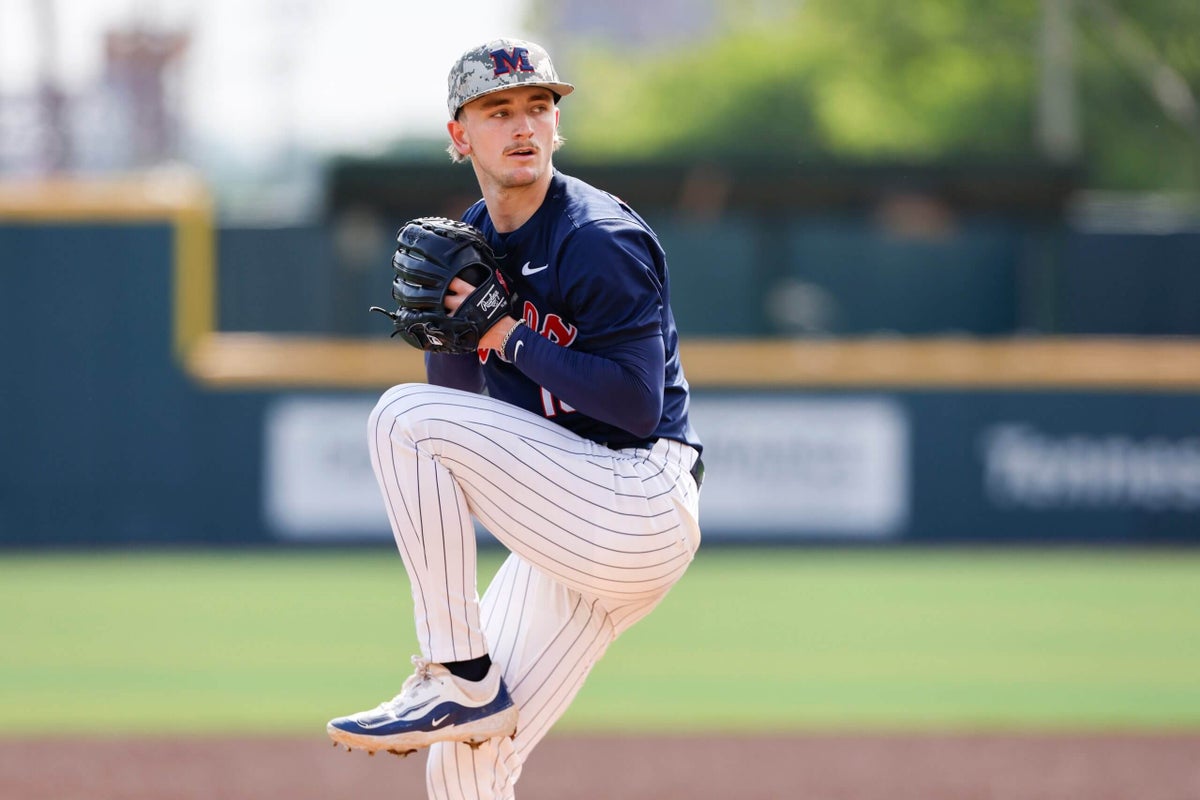
When Dan Kantrovitz, the Chicago Cubs’ vice president of scouting, spoke with reporters a week before this month’s MLB draft, he didn’t do much to hide the team’s hand. It was merely about whether the Cubs would be able to execute their plan of adding pitching to their system. After 20 rounds over two days, the Cubs did exactly that, using 16 of their 21 picks on arms.Kantrovitz and Chicago’s amateur staff worked closely with the team’s player development staff and Tyler Zombro, who serves as vice president of pitching. With the combination of data and high-speed video, the pitching infrastructure feels very confident about what it can do with a pitcher even before it has selected him. This allows the Cubs to make their picks with a development plan almost fully in place.Chicago’s first-round selection, Cade Townsend, is a righty out of Ole Miss who the Cubs think will continue to get better. Intelligent and confident, Townsend is already familiar with a lot of technology used in professional organizations.MLB cracks down on using AI in dugoutsThat helped the Cubs believe that they could build on their vision on how Townsend can continue to evolve as a big-league starter, with the young pitcher firmly on board. As far as the on-field characteristics, the Cubs see a super-athletic pitcher who, despite being only 6-foot-1, can hold his 95-mph heater into games. His ability to spin breaking balls and his arm-path traits are exciting. The Cubs see the potential for a deep starter’s arsenal and someone who can move through the system rather quickly.Here’s a look at five other arms Chicago is excited to get its hands on. The following is based on conversations with people with knowledge of the pitchers, who spoke on the condition of anonymity so as to freely discuss them.Carson Jasa, RHPAt 6-foot-7, Jasa is a massive pitcher with plenty of athleticism. He didn’t start focusing on pitching until later in high school, so the Cubs believe he’s young developmentally, from a pitching standpoint.Jasa has a simple delivery with a short stride and not much depth in his lower half. But his arm is so fast that he still averages 96 mph with his fastball. Between Chicago’s high-performance plan and the hope that the Cubs can teach Jasa how to use his lower half better, there’s a belief that he can add multiple ticks to his heater.Jasa also has strong feel for both his slider and curveball. Both had above-average in-zone rates in college. There is a hope that he can add a sinker to his arsenal that will play up coming from his high slot.Dylan Marionneaux, RHPMarionneaux has feel to pitch and showed it this past season with his 5.2 percent walk rate at Northwestern State. He gained around five ticks on his fastball over his college career and the Cubs believe there’s more in there. That’s the bet they’re making with this fourth-round selection.The righty came to Chicago’s pre-daft workout weighing 165 pounds and already touching 95 mph. The Cubs believe that by adding muscle mass, he can be touching 97-98 mph in short order.Dylan Blomker, RHPOut of La Cueva High School in New Mexico, Blomker, like most kids his age, is a long-term play as the organization gets him into a weight training program and builds his body. With a strong ability to spin the ball already, the initial focus will be on adding velocity. Blomker was anywhere from 90-96 mph with his fastball. The goal is to get more consistency with it and have it sitting in the upper band of that range.Isaac Morton, RHPMorton only fell to the sixth round because of injury. He was sitting 96 with his fastball and it suddenly started dropping to 92. It turned out he was pitching with a torn ligament in his elbow.When healthy, Morton has what the Cubs felt was the best sweeper in the draft, a pitch that was in the 85-87 range with nearly 20 inches of glove-side movement. His sinker was sitting 96 with negative verts.The dream for Morton? Logan Webb with more velocity. Obviously an extreme case. Injuries are a concern, but the stuff is there to offer hope.Ariston Veasey, RHPOriginally a catcher who was committed to Georgia, Veasey hopped up on the mound in high school and touched 95. He was a two-way player at Alabama but barely pitched (3 2/3 innings over two years). Veasey then transferred to Clemson, where he tossed just 27 1/3 innings over 20 appearances.The Cubs are enamored with his athleticism, though. Veasey touches 97 with his fastball — one of just two pitches he throws, along with his curveball. But there’s been very little time spent on pitch design for Veasey in college. By the time he gets out to an affiliate, possibly later this year, the Cubs expect him to have up to four or five pitches.They’re looking to add a gyro slider, a sinker and a changeup, a process that’s already in motion. The Cubs got a glimpse of what Veasey could do during a workout he had with the team earlier this summer.
The Cubs loaded up on pitchers in the MLB draft. Here are the arms they’re excited about.
The Cubs added pitching to their system with Cade Townsend, Carson Jasa and several other arms.
868 words~4 min read