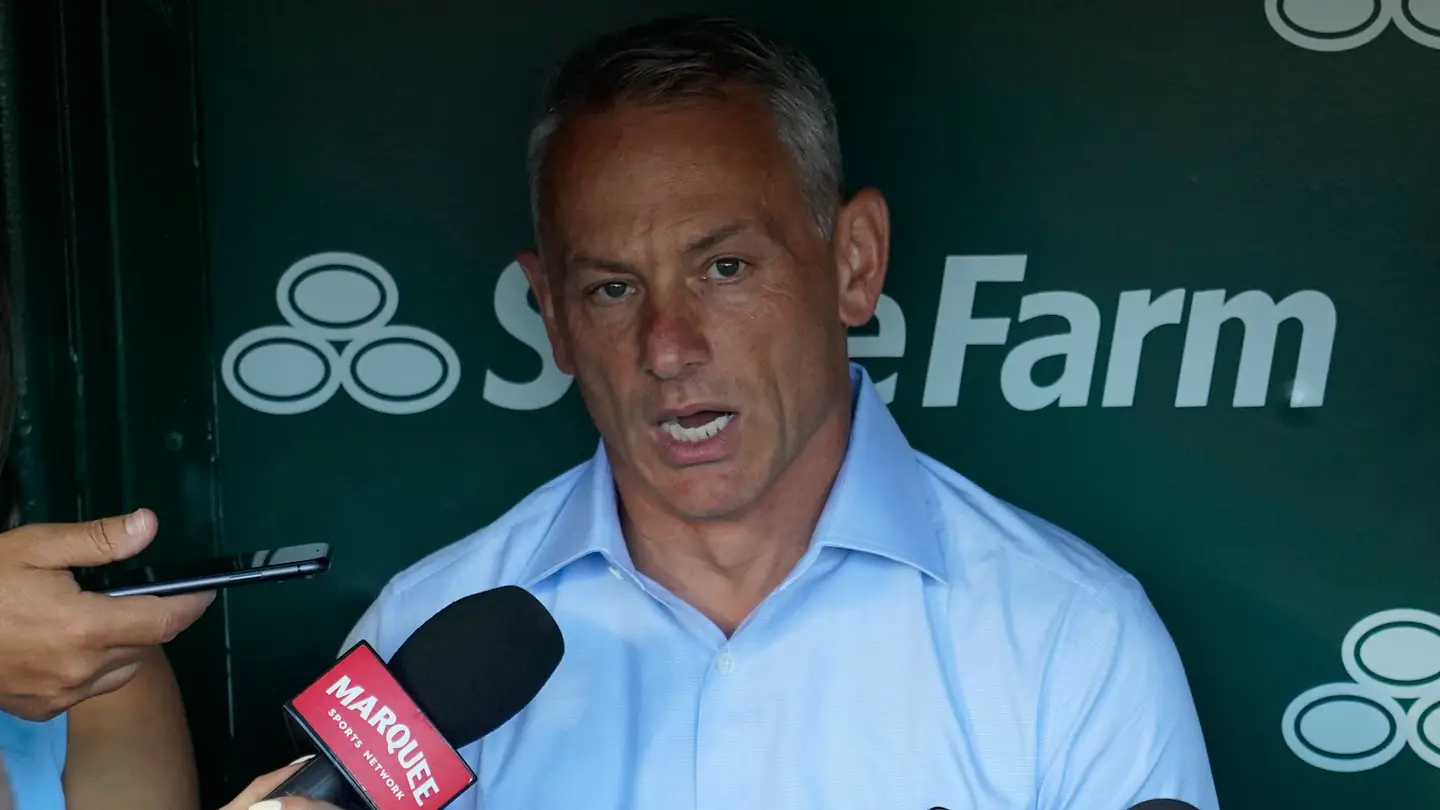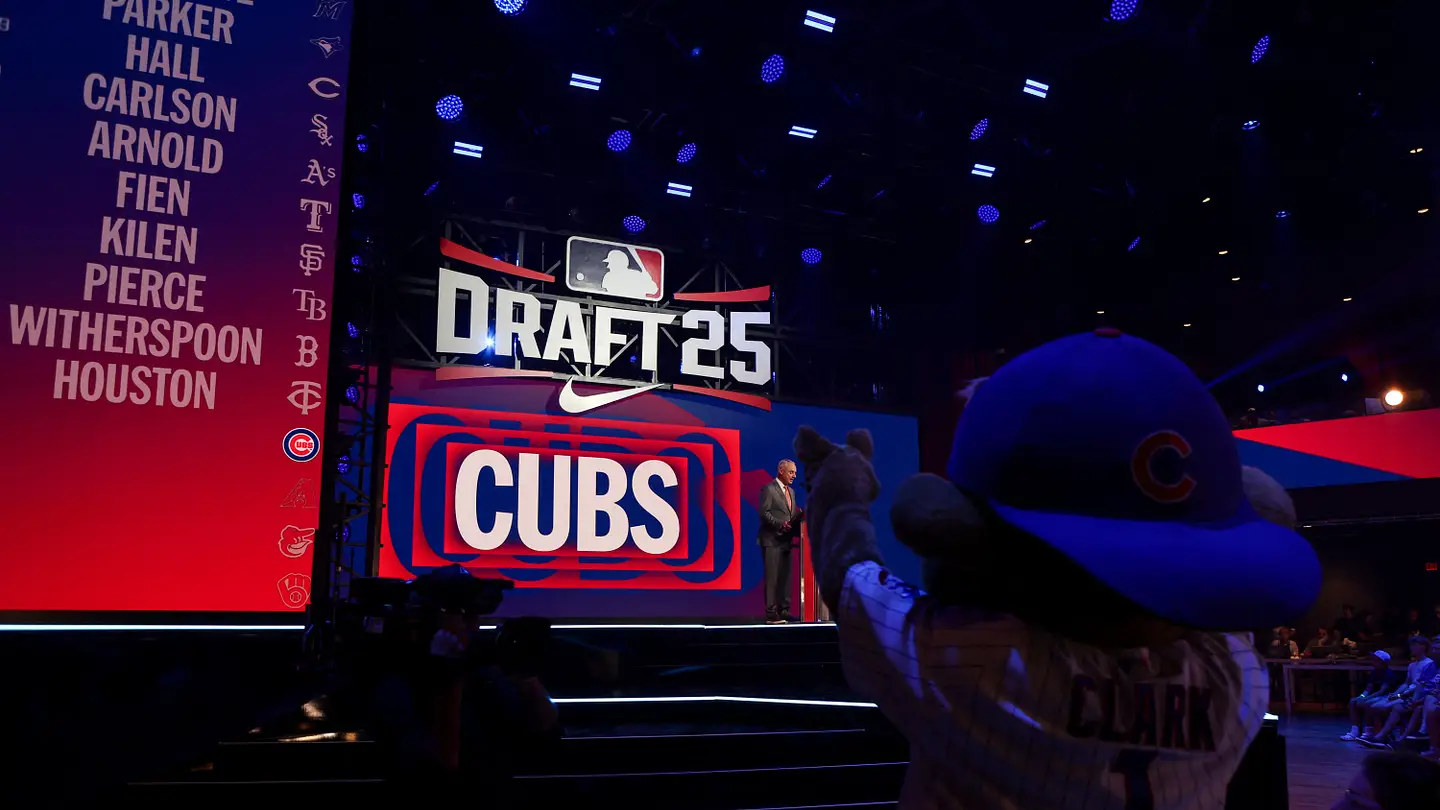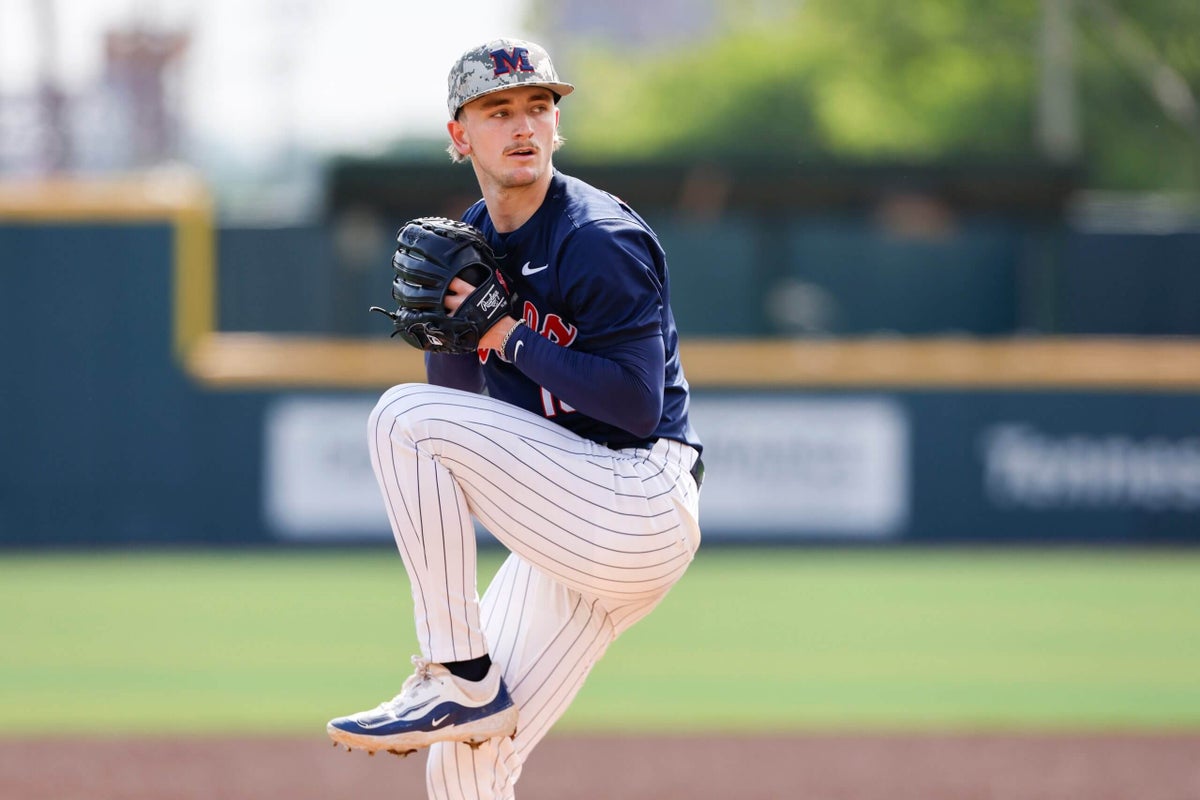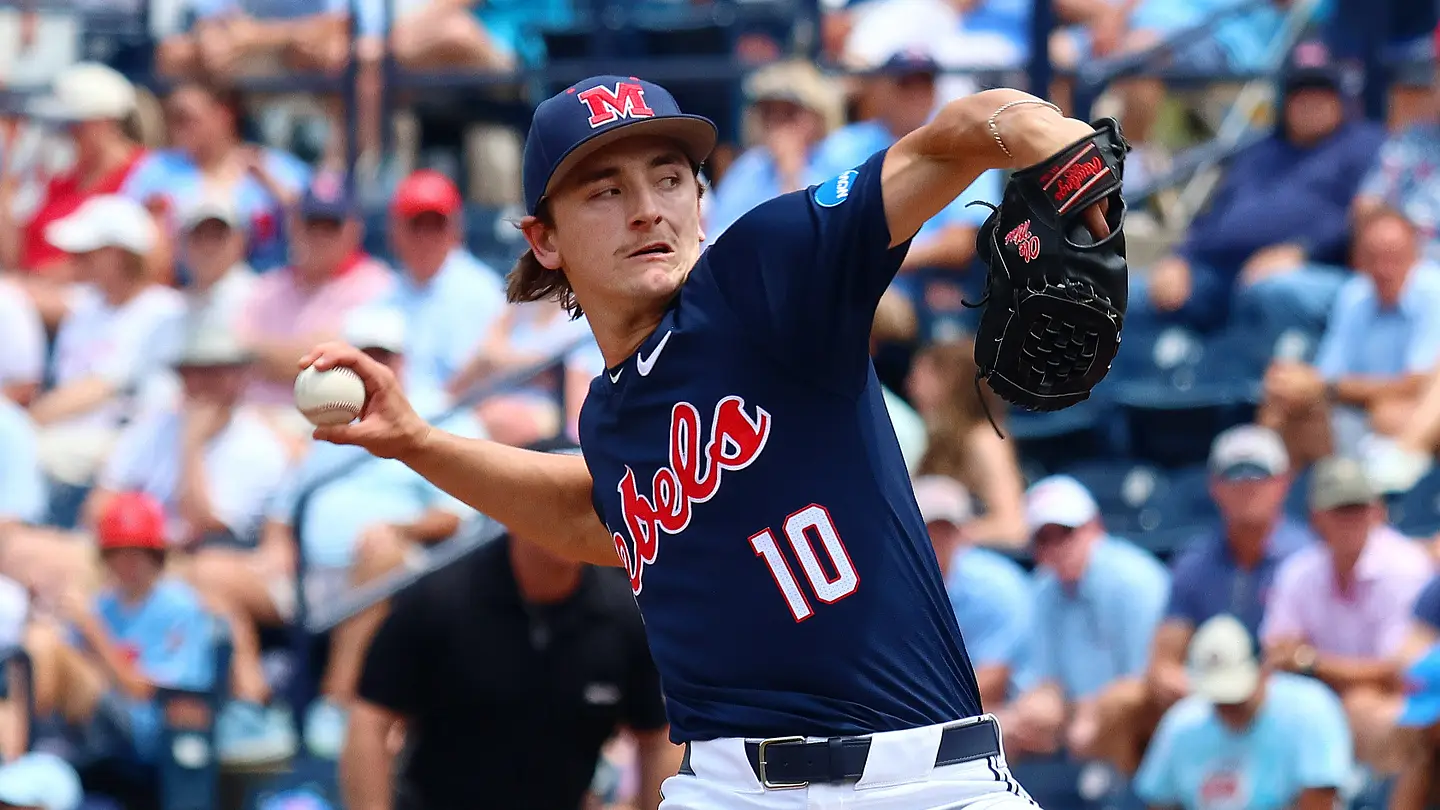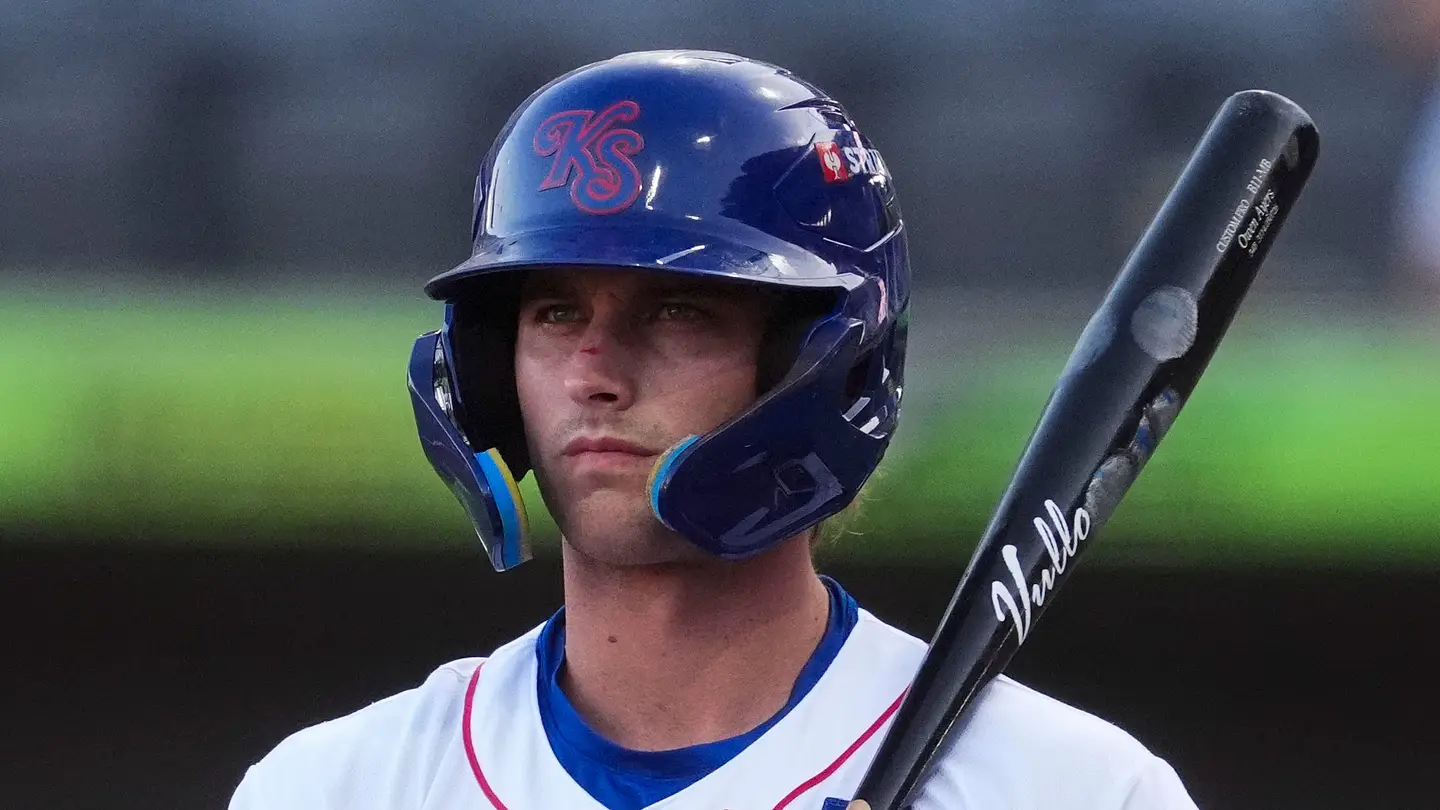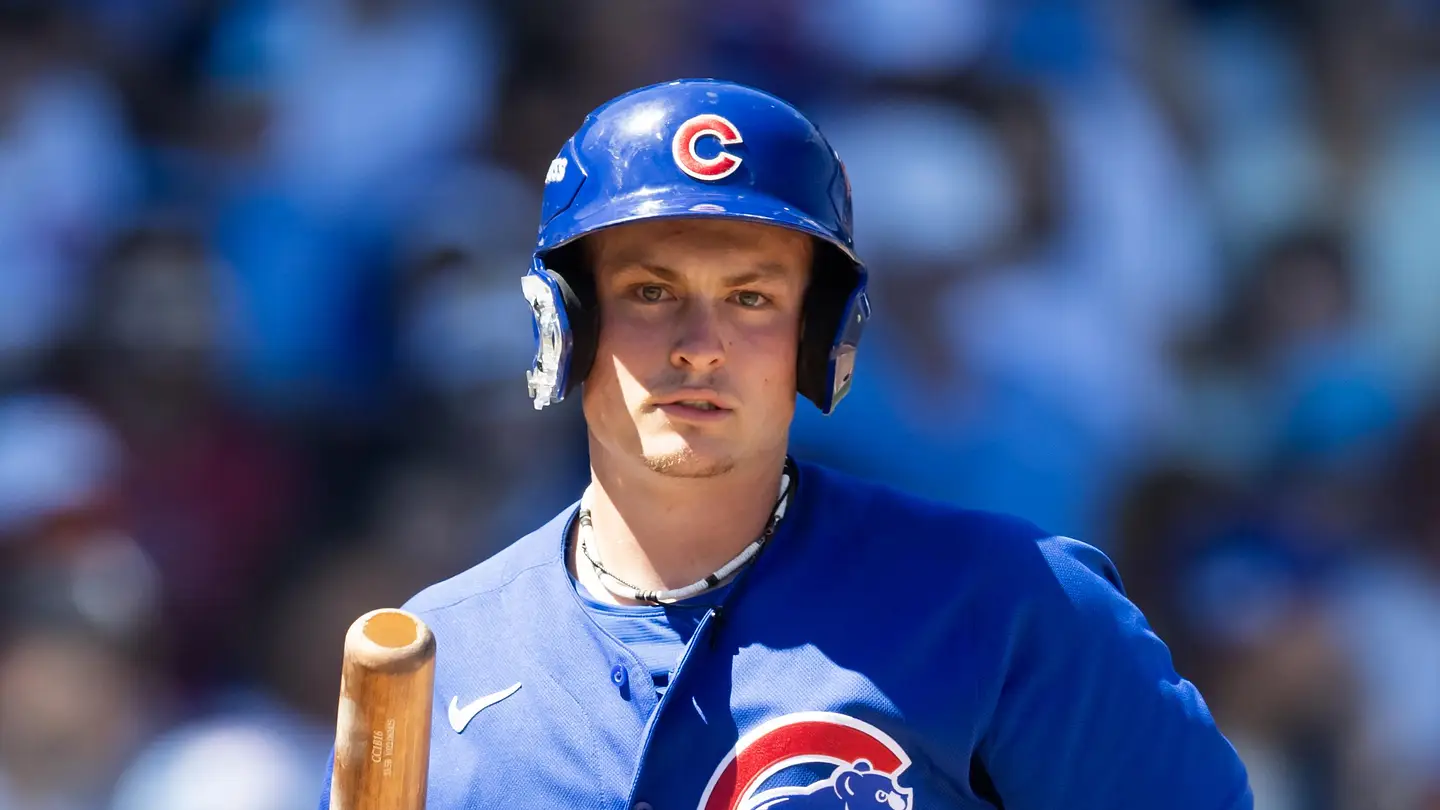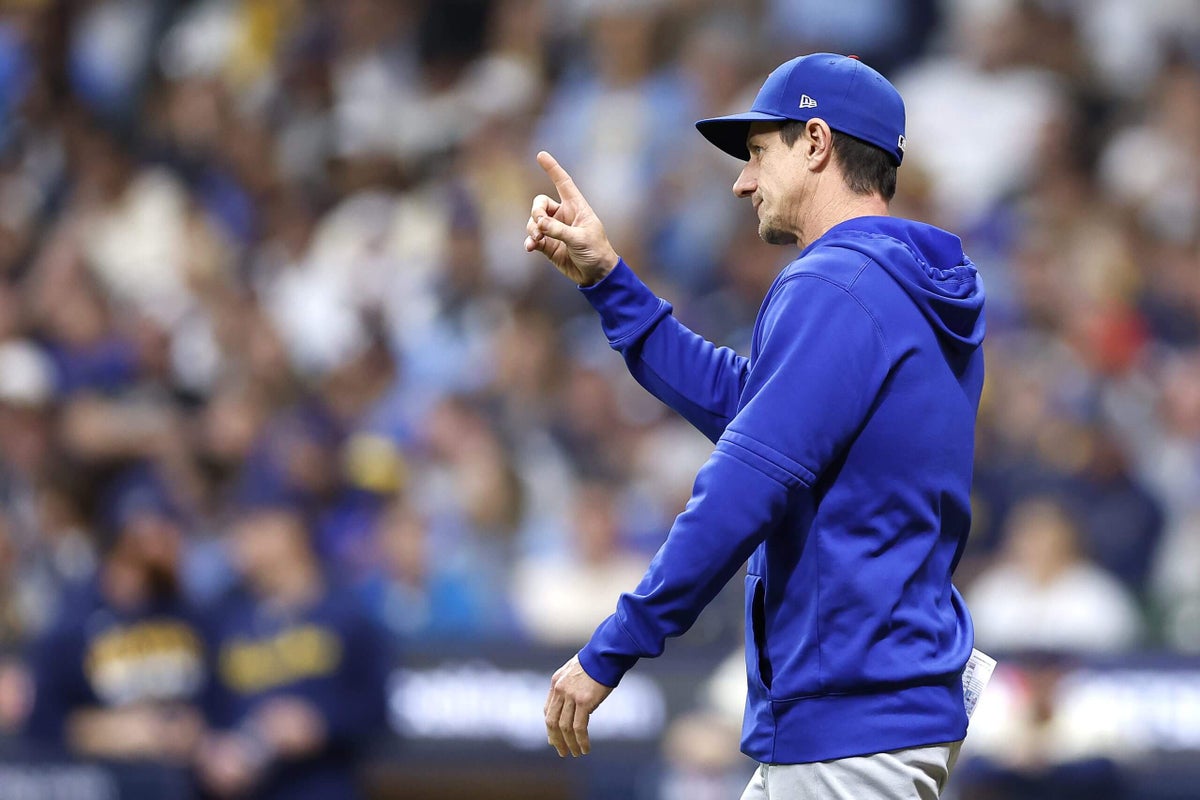
CHICAGO — Cubs team president Jed Hoyer was pretty candid this past winter about the state of the farm system’s pitching. After Jaxon Wiggins, there seemed to be a rather large drop-off in talent, especially of the high-end variety.Hoyer seemed determined to change that narrative by addressing the issue head-on. The blame can be spread around. Player development, along with amateur and international scouting, deserves scrutiny. Each area has had tweaks made, small to significant, over the last year-plus.With the draft beginning on Saturday, VP of scouting Dan Kantrovitz addressed the elephant in the room. Kantrovitz agrees that the problem isn’t singular and there are multiple ways to address it. The first, and very simple, way would be to just draft more pitchers.“You can’t take good pitching if you don’t take pitching,” Kantrovitz said. “One of the things we’ve looked at in years past, the last few years in particular, how do we allocate more of our draft pool to pitching without leaking wins or overall draft value? Which has always been our North Star. We go into our draft being pretty agnostic of position player vs pitcher. We just want to take the best player available in the spirit of trying to get the most future wins.”The Cubs have had success in taking position players in recent years. Whether it’s first-rounders like Cam Smith and Matt Shaw who have already made it to the big leagues, or later-round finds like Josiah Hartshorn, Kane Kepley and Owen Ayers, they have shown an ability to add quality position-player talent. Last year’s first-rounder, Ethan Conrad, only recently got into games, but the organization is very high on his ability. Even the ones they’ve traded, like Zyhir Hope, Ronny Cruz and Alfonsin Rosario, suggest the amateur group has done well identifying quality position players.So while this strategy has worked well for the Cubs in one sense, the system is still not where they want it to be as far as being well-balanced and stocked with arms. Kantrovitz admitted they may have to be a little less “dogmatic” and be a bit more aggressive in selecting pitching while also not straying so far as to hurt the overall value of the draft class.The Cubs haven’t drafted a pitcher in the first round since they selected Cade Horton out of the University of Oklahoma with the seventh pick in the 2022 draft. In that draft, they selected four pitchers with their first five picks. In the subsequent three drafts, they selected a combined four pitchers in the first five rounds.
Will the Cubs finally have the pitcher-heavy draft they’ve lacked in recent years?
The Cubs haven't selected many pitchers with upside in recent drafts. They'll likely take a different approach this year.
1,020 words~5 min read