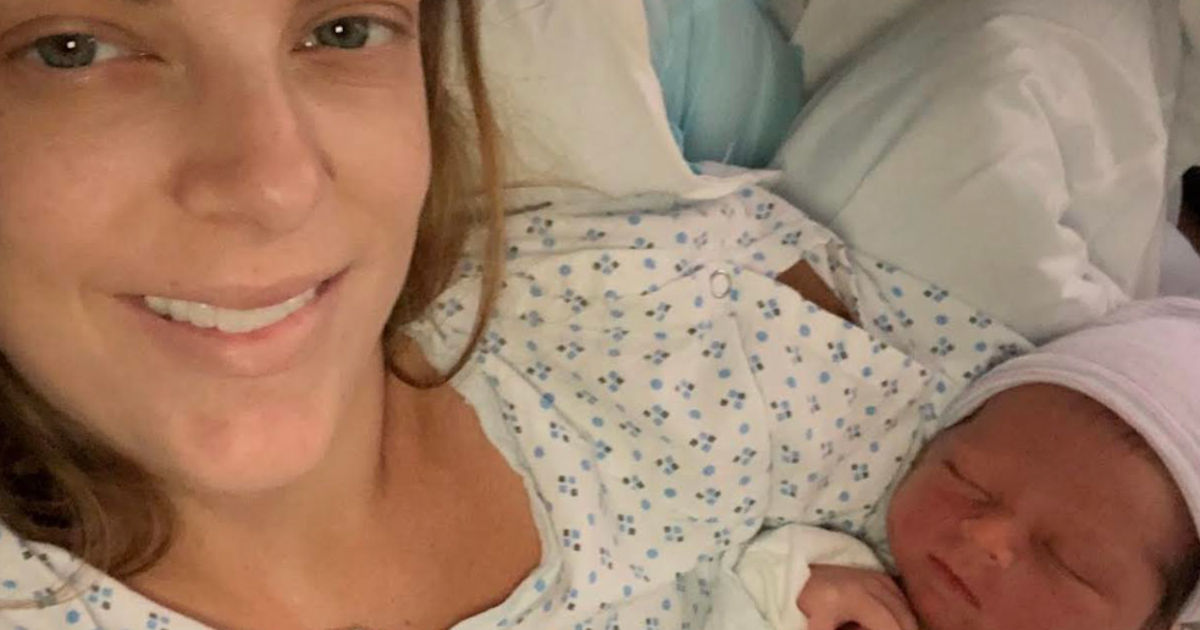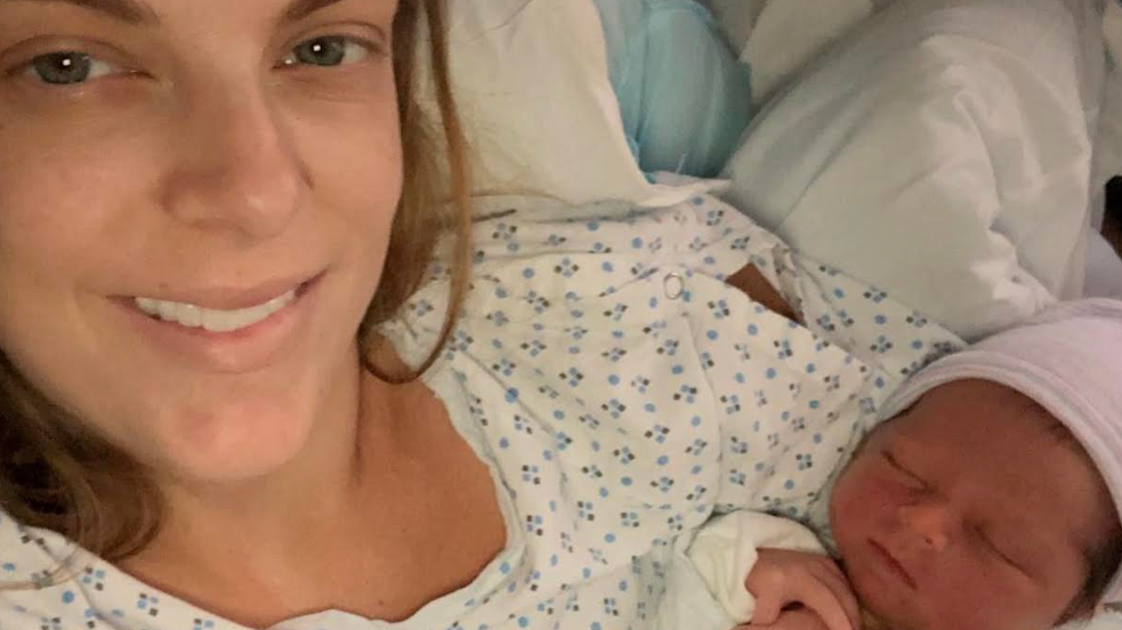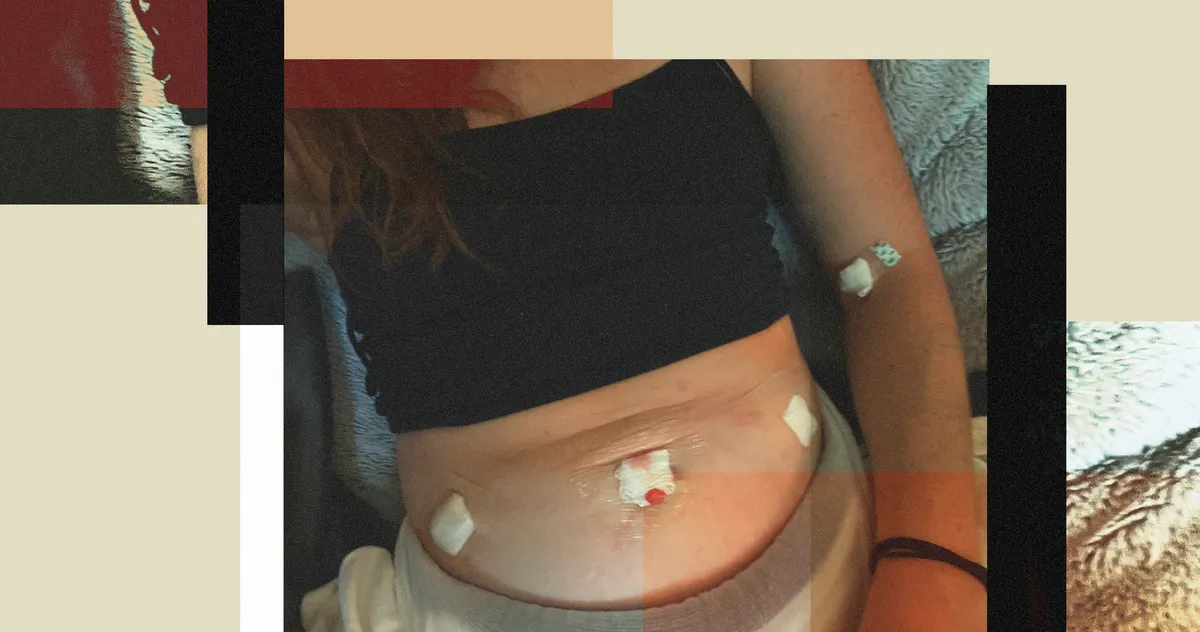
Driving me back to the hospital in early May, my mother tried to distract me with stories of dead relatives from the old country of preindustrial Yugoslavia. I was five days out from an unplanned Cesarean section, slightly high on oxycodone, and distraught that I had been discharged from the hospital the day prior, on Mother’s Day, and had to leave my baby in the NICU.My mother’s anecdote was about her maternal grandfather, a man named Rade, whose entire first family, except for son Jovan, had died of some plague while he was off fighting in World War I.My mom said Jovan lived long enough to have a wife and children. Rade and Jovan, father and son, fought together in World War II. But although Rade survived two world wars, Jovan was killed. The Ustase, a fascist paramilitary organization that collaborated with the Nazis to help genocide the Serbs, threw him off a bridge.
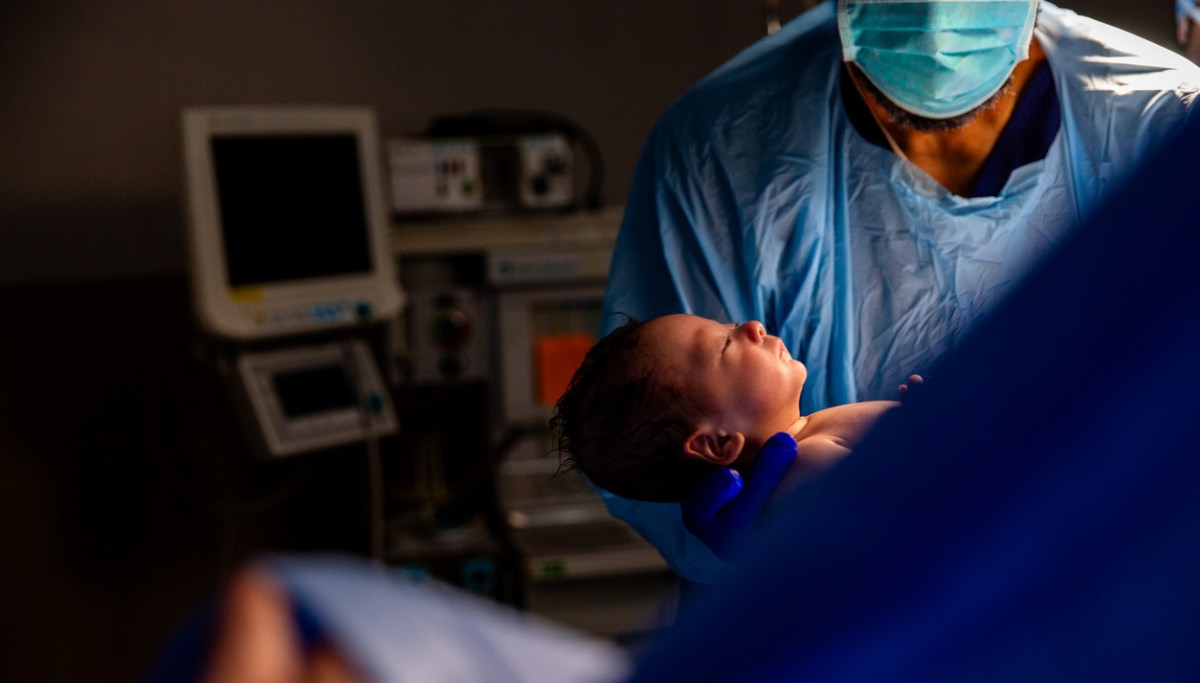
And just like that, my own myopia was subsumed by the reminder that for most of human history, life was indeed nasty, brutish, and short.On May 6, I walked into the hospital 36 weeks and two days pregnant with a blood pressure of 171/106 and had a C-section the same day. Although my baby was otherwise healthy, she was premature enough that her inability to eat full feeds rendered her hypoglycemic and necessitated a NICU admission.It was easy to feel nauseating levels of self-pity about my own obstetric failure and three weeks of postpartum recovery spent commuting to the hospital for 12 hours each day instead of on my couch. But in reality, the story of the birth and early life of Anastasija Doescher is a testament to human progress and American excellence.A Rapid Improvement in Living Standards