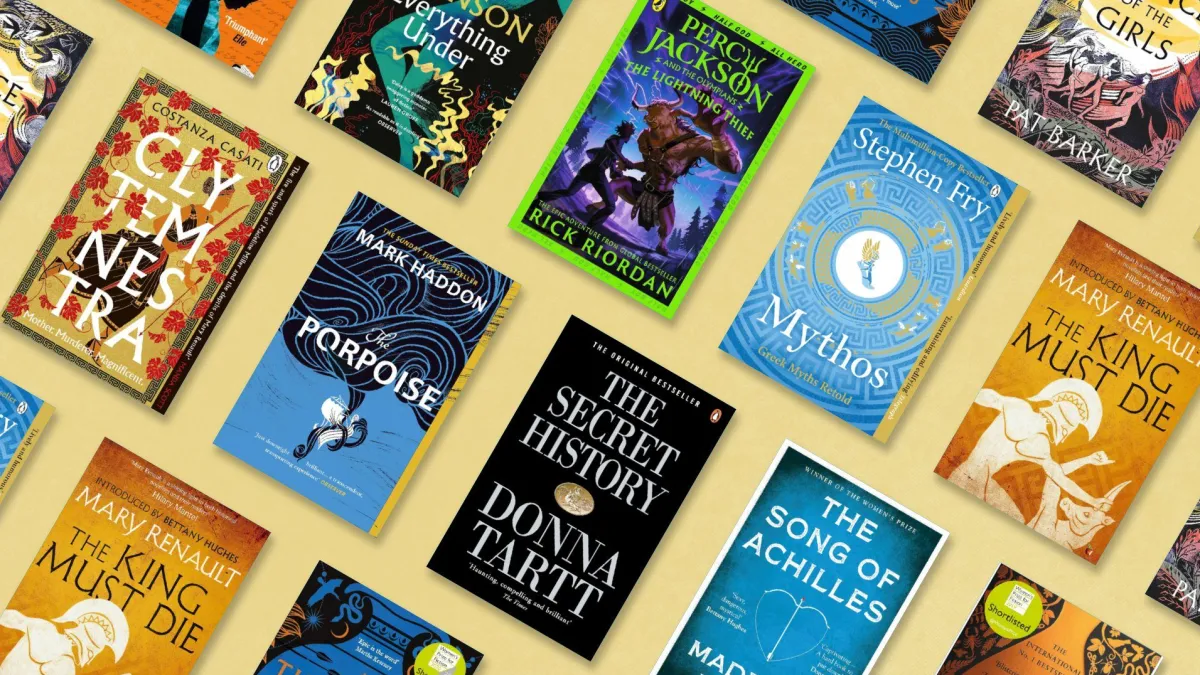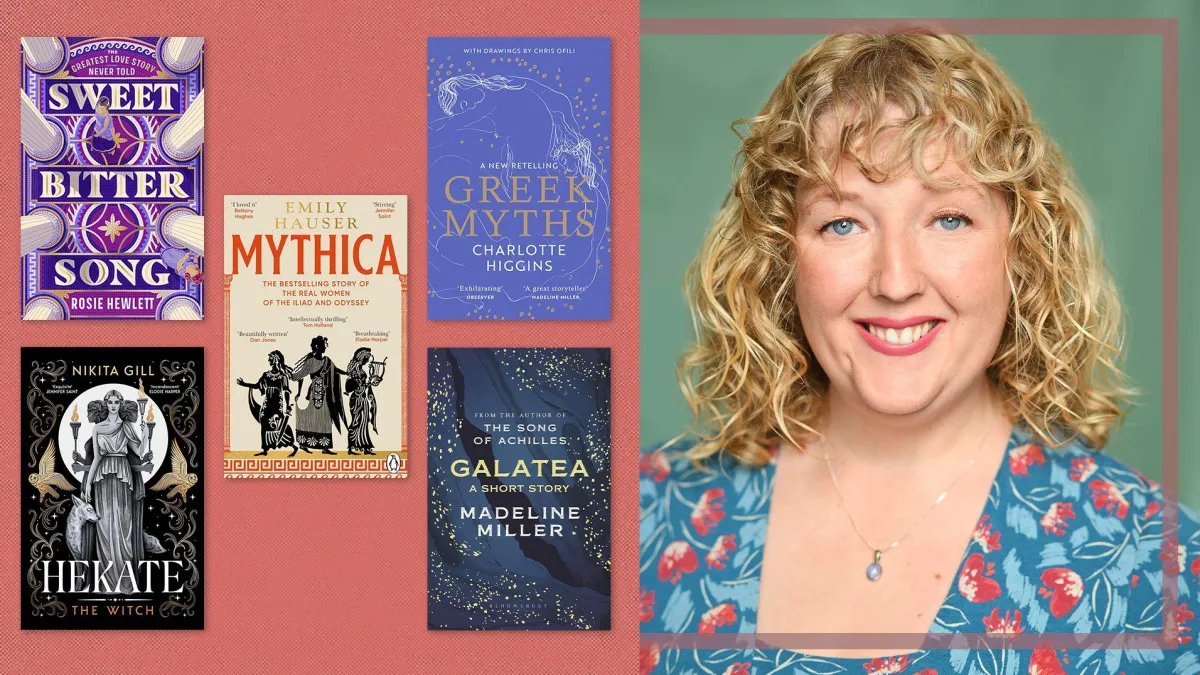
Tanaz Bhathena Recommends Books by Pat Barker, Chitra Banerjee Divakaruni, and More
Mythologies across the world abound with stories that center heroes. Be it Gilgamesh, the Iliad, the Mahabharata or the Shahnameh, great epics highlight the exploits and adventures of men, the women in their lives often relegated to the sidelines, their roles limited to that of dutiful wives, villains, or victims.
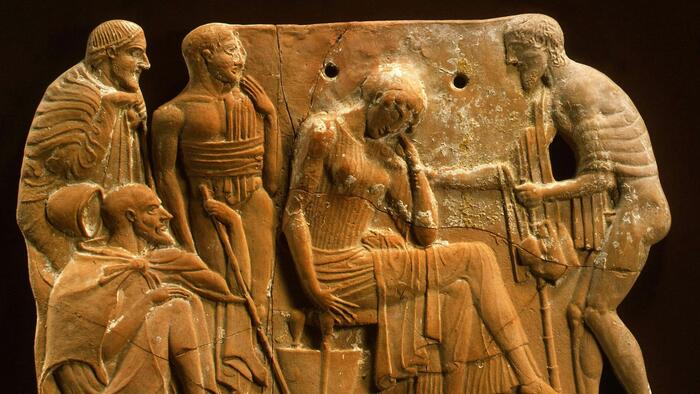
The Odyssey picks up after the events of the ten-year Trojan war and focuses on the return of Greek war hero, Odysseus and his men to his home—the island of Ithaca, where Odysseus’s faithful wife Penelope waits for him for another ten years while cleverly staving off the attention of 108 suitors. Penelope’s loyalty is used as a foil to her cousin’s treachery, the oft-villainized Helen of Sparta who left her husband and eloped with a Trojan prince—a lone woman blamed for launching the thousand ships that started the Trojan war.
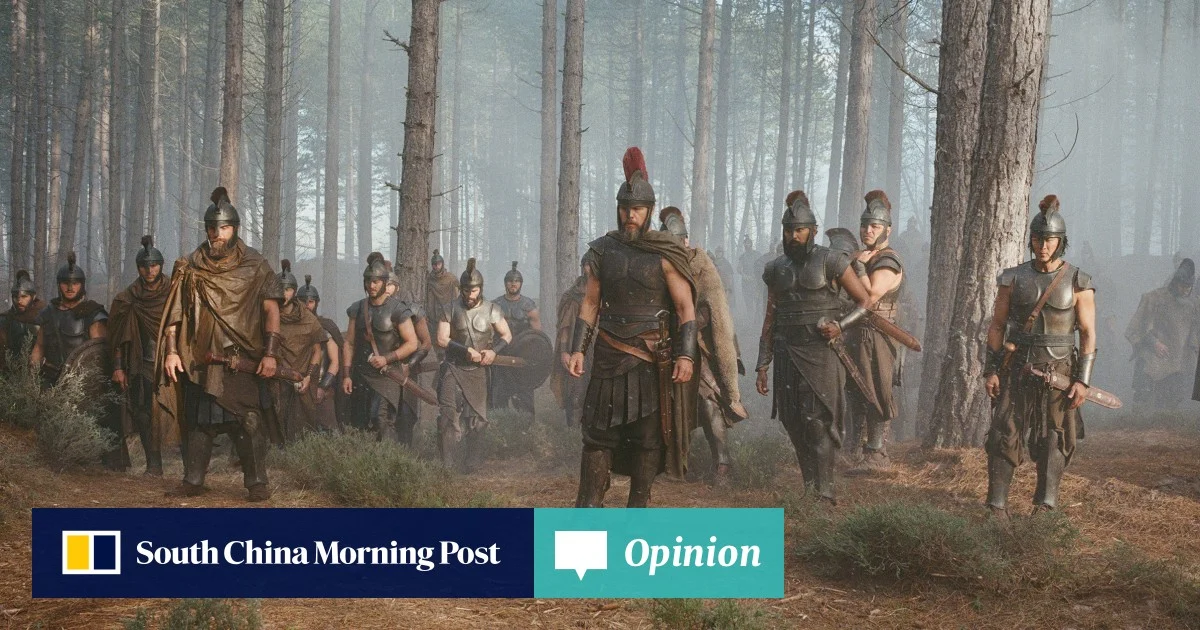
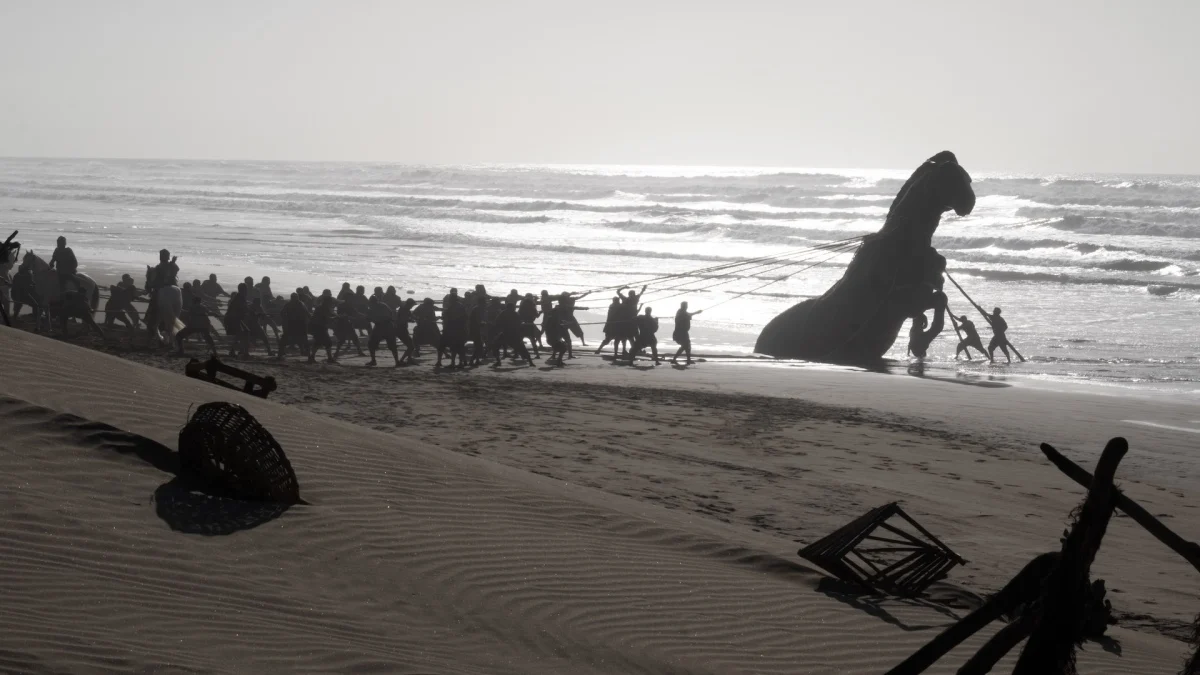
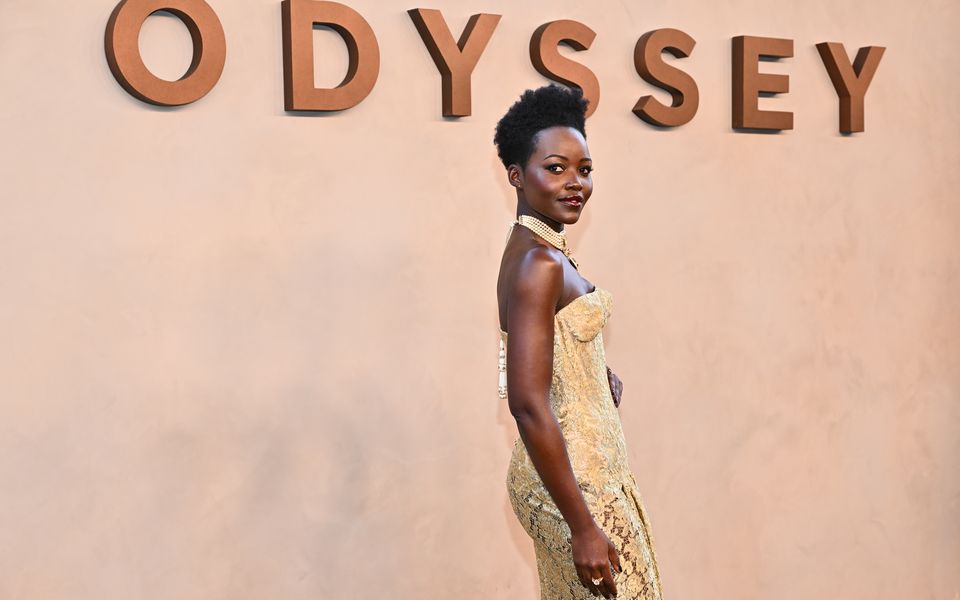
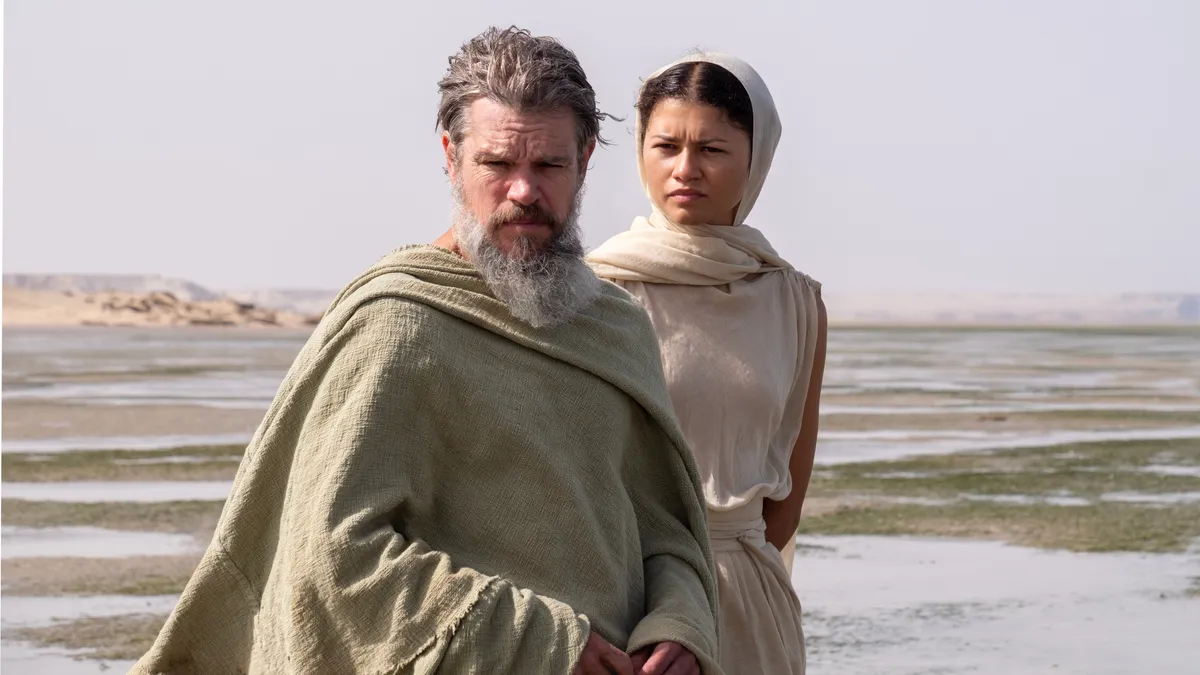
The most recent take on the story comes in the form of Christopher Nolan’s latest offering. I’ll admit that I have enjoyed Nolan’s films in the past (especially Inception and Oppenheimer) and I will likely watch The Odyssey when it comes out in the theatres this month. While some of the pre-release press, including a piece in Elle, notes that the film does a better job of centering its female characters than most movies, I can’t help but wish that a movie would, for once, focus more deeply on the women in these narratives and make a blockbuster on the scale of Wonder Woman.