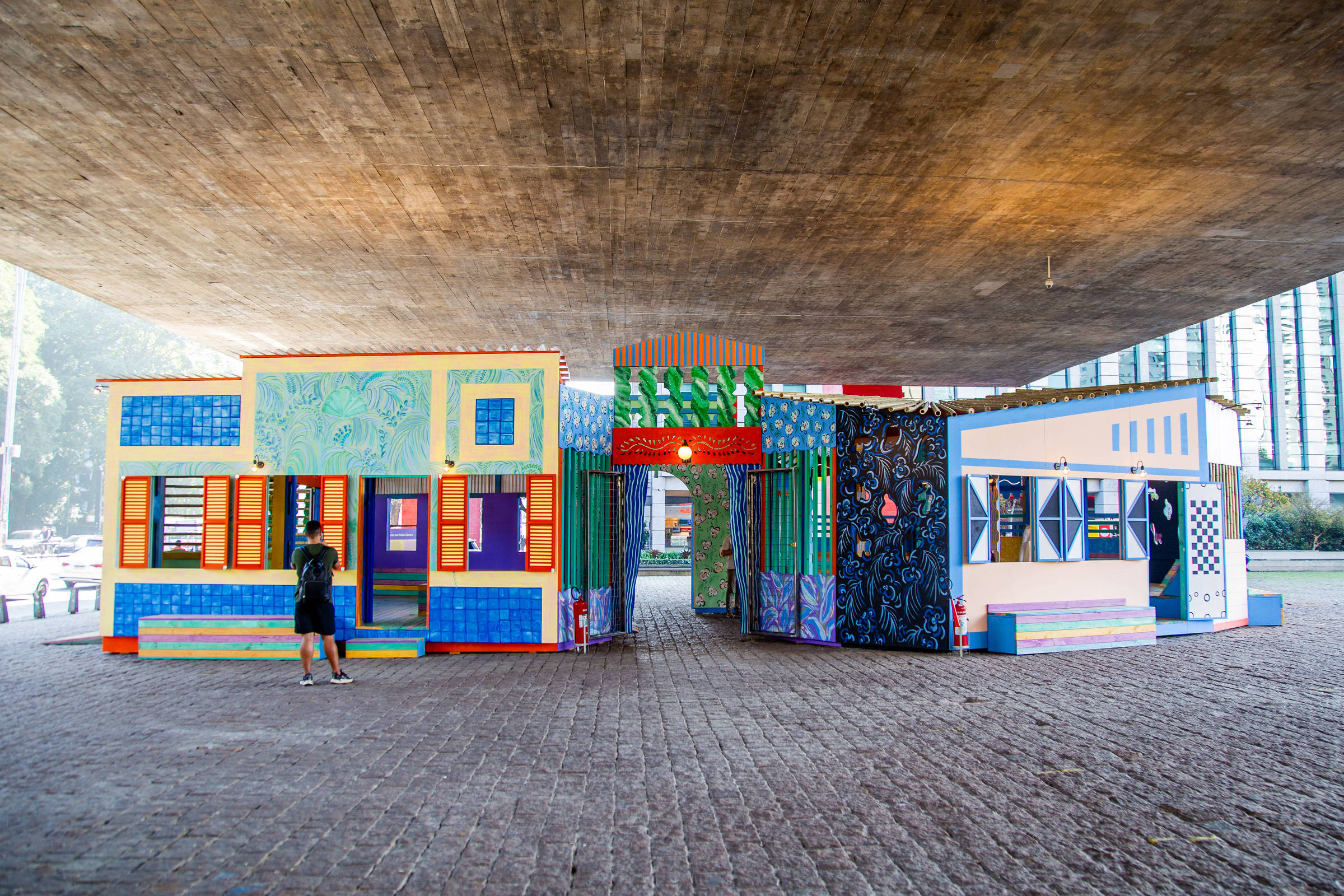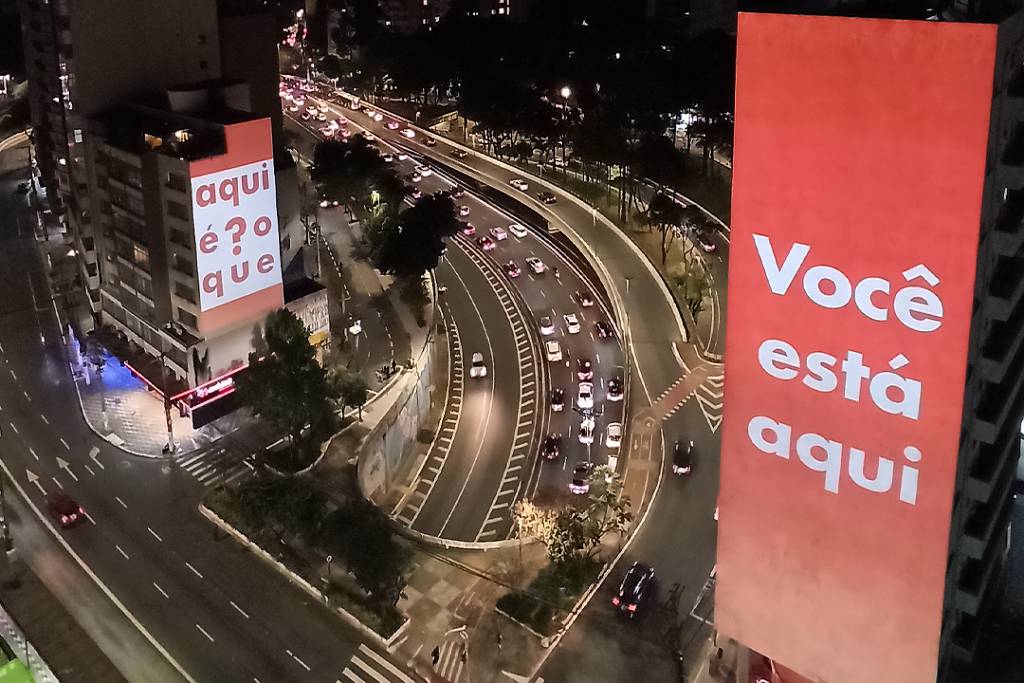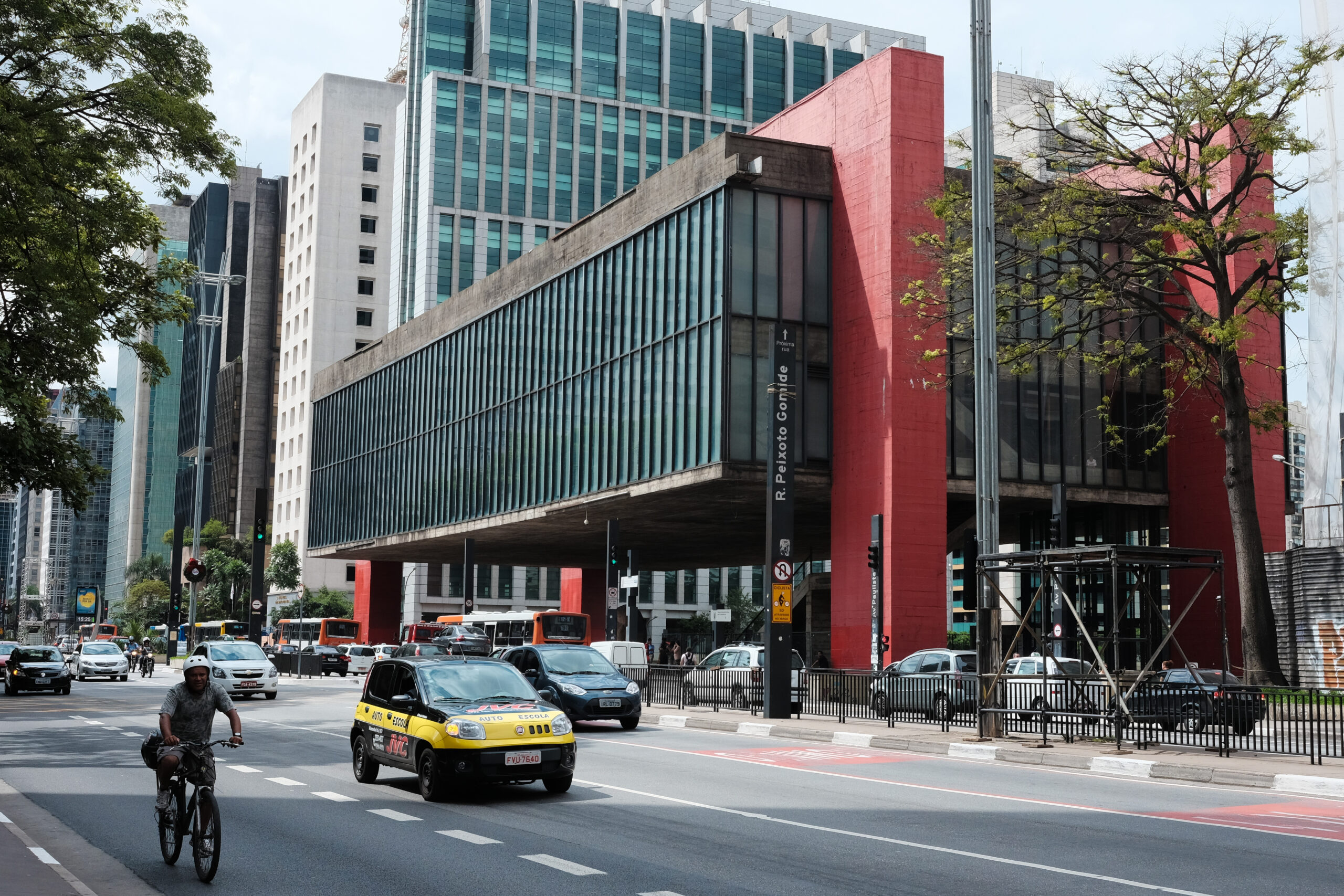
The Museu de Arte de São Paulo Assis Chateaubriand (MASP) is suspended in the air above the traffic and the trees of the Avenida Paulista. By some architectural wizardry of concrete and glass the pictures inside stand to attention, as if they, too, are suspended in time and space—a collection that faces in one direction, in orderly fashion, like the Terracotta Army. We are very far from the jostling walls of the Salon of 1881 in Paris, where one of these pictures first hung—necks craning, silk skirts bustling, and all the artworks so tightly packed that they stared back at the audience like faces in a teeming crowd.Article continues after advertisement
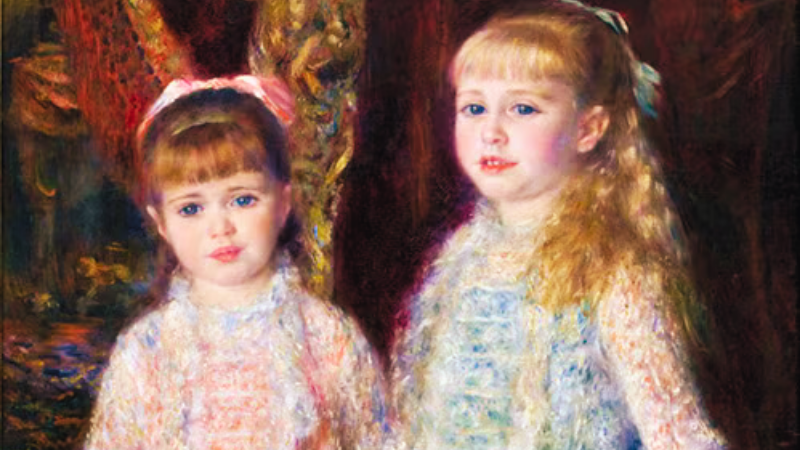
But here it is in twenty-first-century São Paulo, in the heart of the museum: a painting of two girls, in the “glass easel” designed by the museum’s architect, Lina Bo Bardi. You can walk right around it on the black rubber floor and see it from every angle; Pink and Blue, the Misses Cahen d’Anvers, the portrait of Alice (pink) and Elisabeth (blue), is the most beloved picture in this modernist museum. It’s easy to see why: all the beauty and defiance of childhood and all the wonder of Belle Époque Paris is in this painting, in those two sweet faces, in its shimmer-ing colors, its artful light, its rich backdrop. The artist, Pierre-Auguste Renoir, was then as avant-garde as MASP’s design is today.