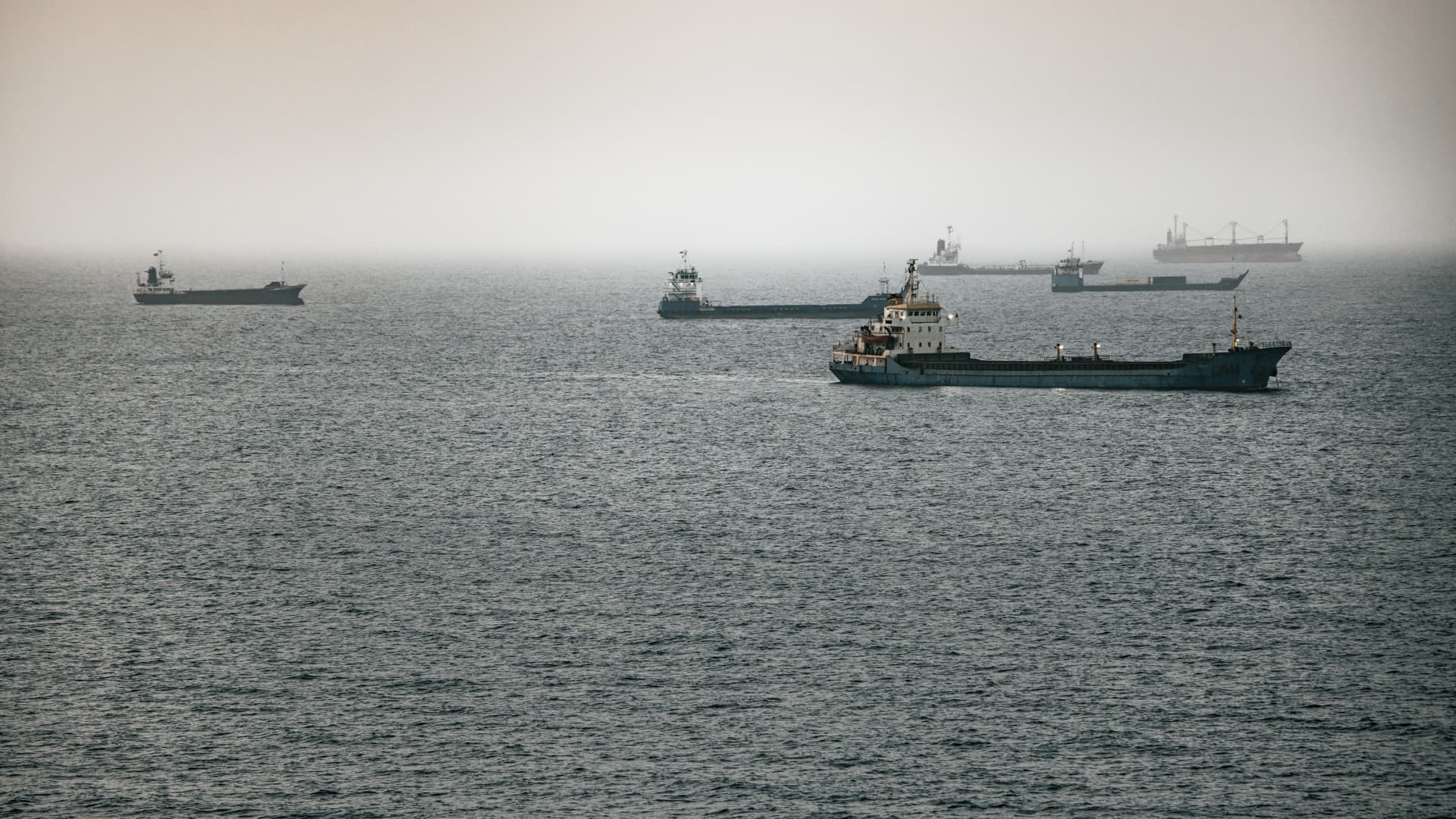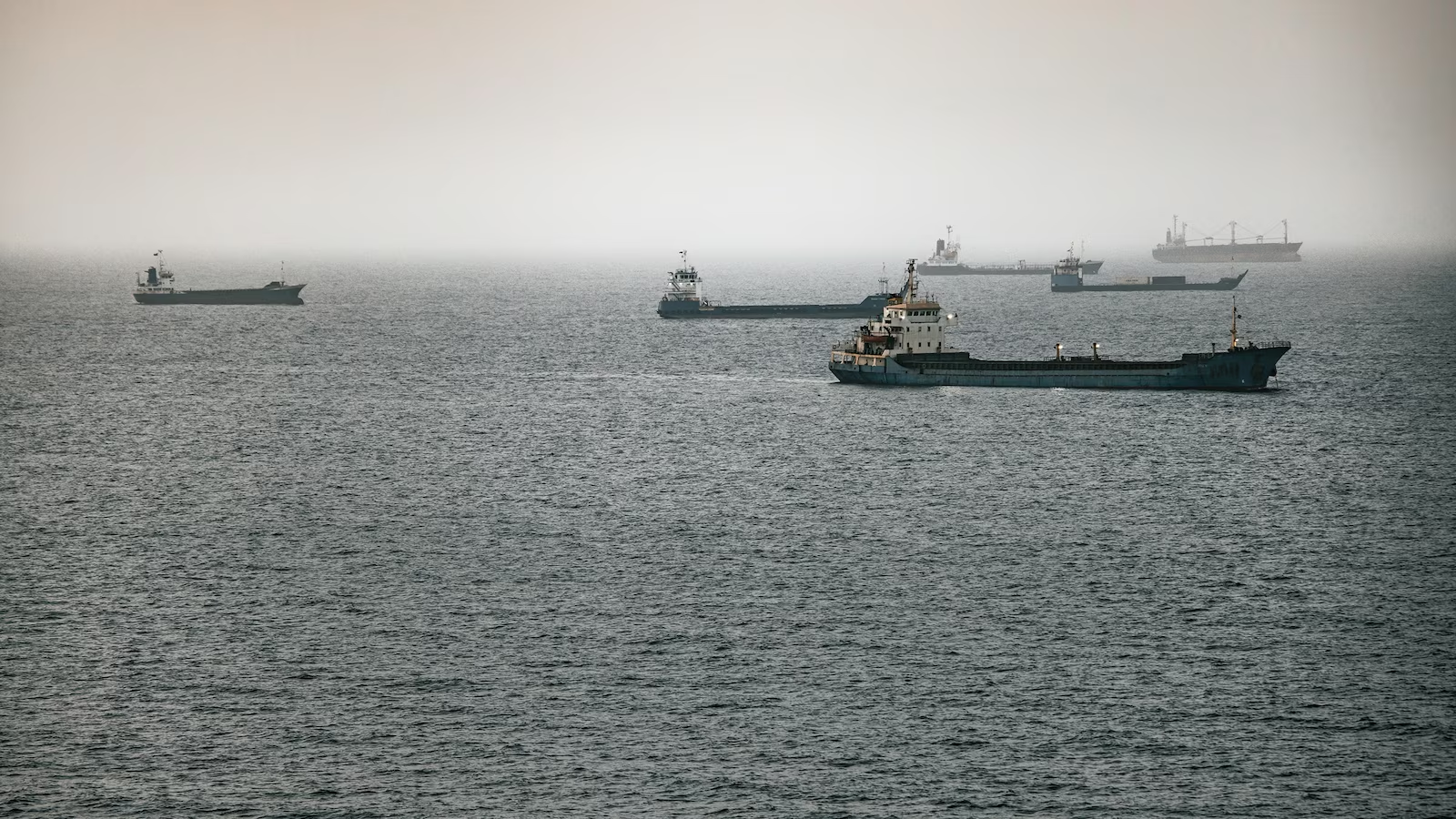
Shipping traffic in the Persian Gulf has significantly declined, reaching its lowest level in over a month, as ongoing conflict between the U.S. and Iran continues to disrupt operations. This has led to a rise in oil prices, as reported by the New York Times. The situation has resulted in a near standstill of vessels in the critical Strait of Hormuz, affecting roughly 20% of the global oil supply. Brent crude prices, which had rebounded from previous lows, are now around $77–$78 per barrel in response to the escalated tensions and supply disruptions.
The disruption comes after a series of U.S.-Iran airstrikes that have strained a previous ceasefire, leaving an estimated 136 million barrels of crude stranded in the Gulf. Analysts have warned that a prolonged closure of this vital shipping route could see oil prices surge to between $150 and $200 per barrel, marking one of the largest supply disruptions in history. Market participants are closely monitoring the situation as it unfolds, with implications for global energy markets and economic stability.
Key Takeaways
Shipping traffic appears to have reached a near standstill in the Persian Gulf due to heightened conflict, impacting oil supply.