As a lifestyle writer, I’ve explored numerous parenting styles over the years. I’ve realised that I’m not a tiger mum who demands academic excellence (I’m not ambitious enough) or an ostrich parent who downplays difficult emotions (gimme all the feelings).
However, I’ve adopted a mild version of both approaches – either in the spirit of experimentation or in sheer desperation – when I’ve needed to find solutions that work for my child. But now my teenage son has wised up to my tactics and when I try different techniques, he asks: “Why are you being weird, mum? Are you writing an article?” Busted.
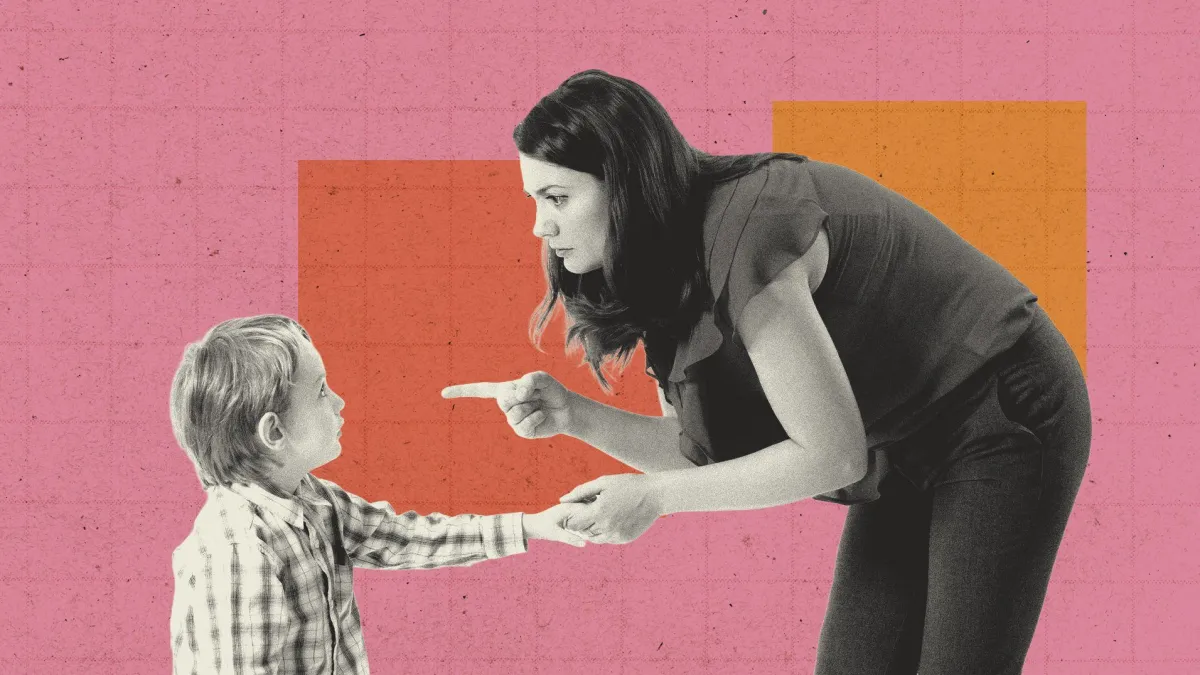
Joking aside, the parenting style I consistently default to is one I didn’t know existed until I read about dolphin parenting, a term created by Harvard-educated psychiatrist and author Dr Shimi Kang. “I introduced it in The Dolphin Parent: A Guide to Raising Healthy, Happy and Self-motivated Kids to explain the difference between authoritarian (tiger, shark, helicopter, snowplow) parenting, and permissive jellyfish interpersonal style,” she explains.
Shorts
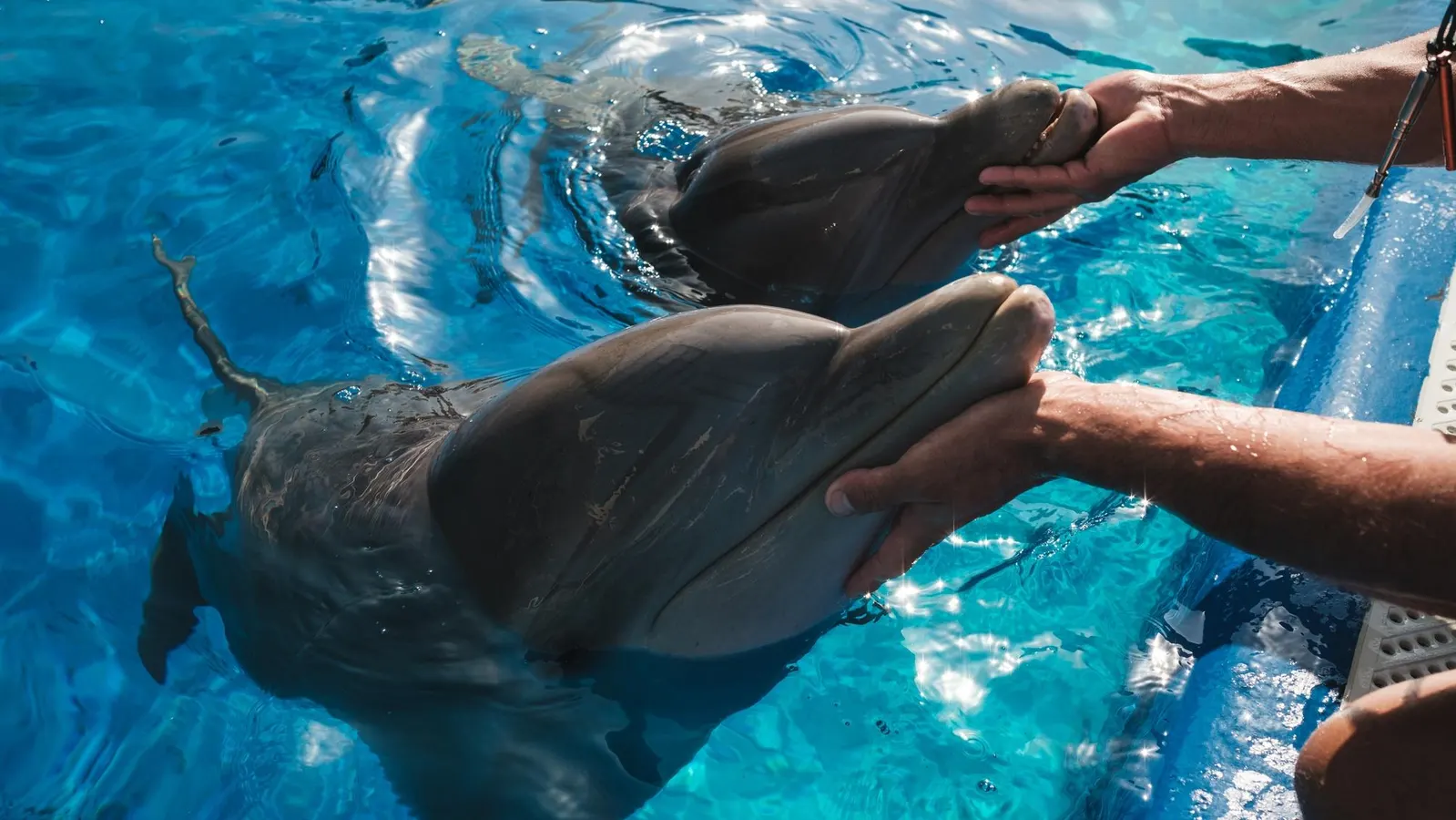
As a species, dolphins are known to be attentive, nurturing mothers (males can be violent and don’t deserve the same accolades, but we can’t let half the dolphin population get in the way of a good turn of phrase). On land, dolphin parents of all genders are firm but gentle – they take a balanced approach, setting reasonable boundaries and offering guidance alongside emotional support, as well as room for their children to express their creativity and think critically, and allowing enough freedom to encourage independence.