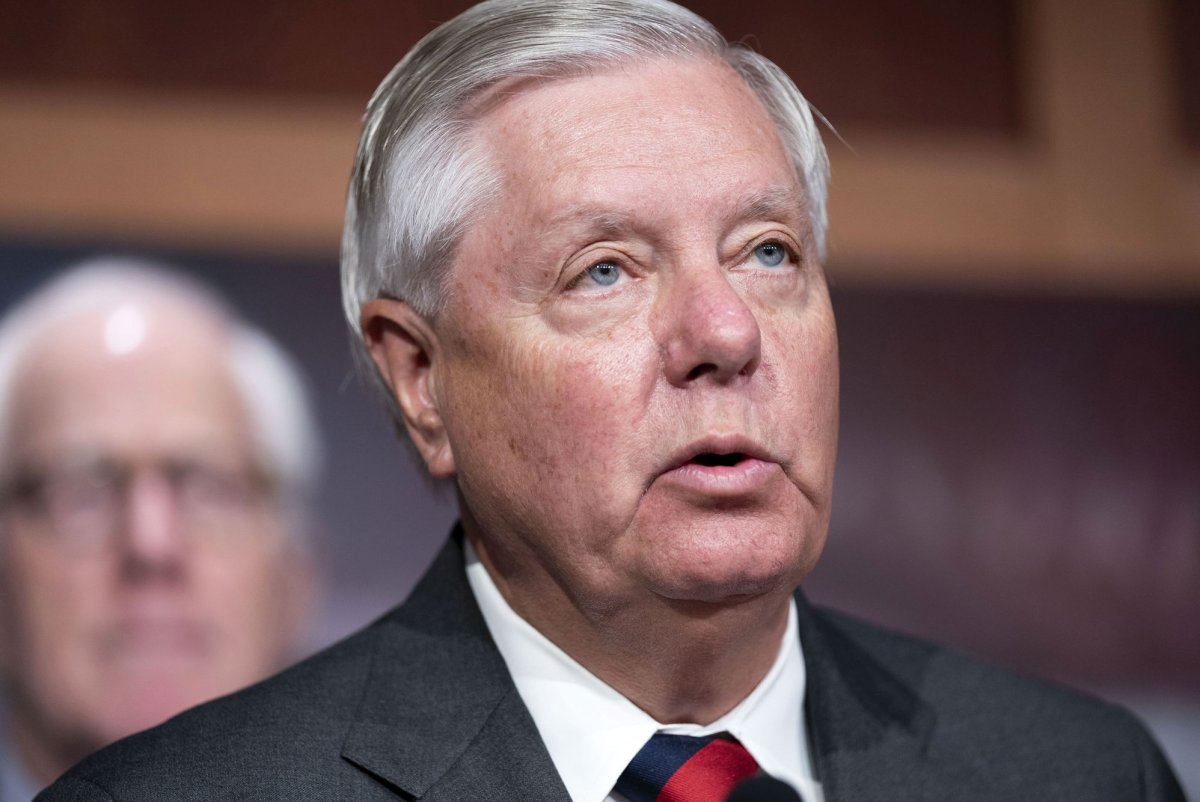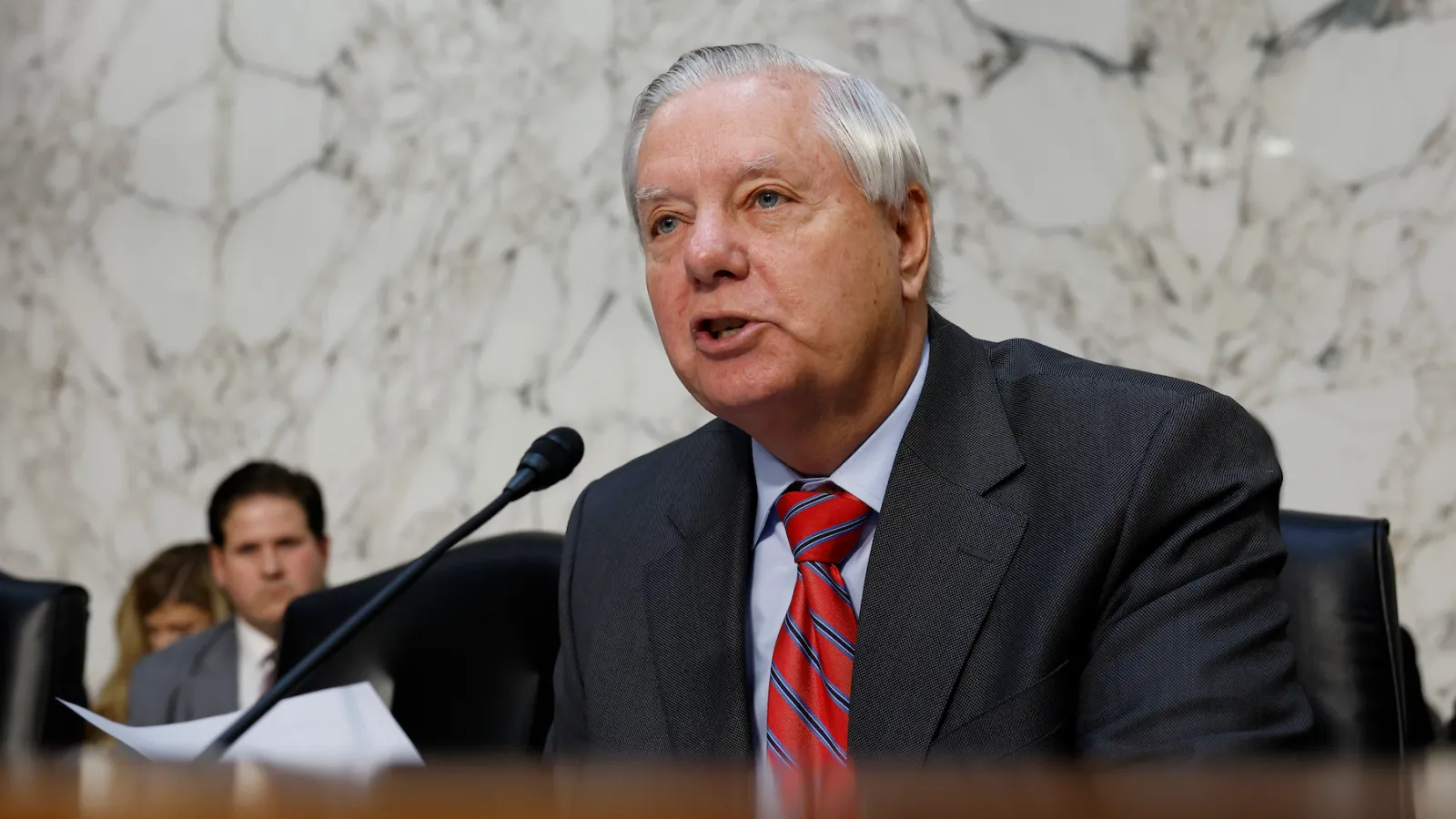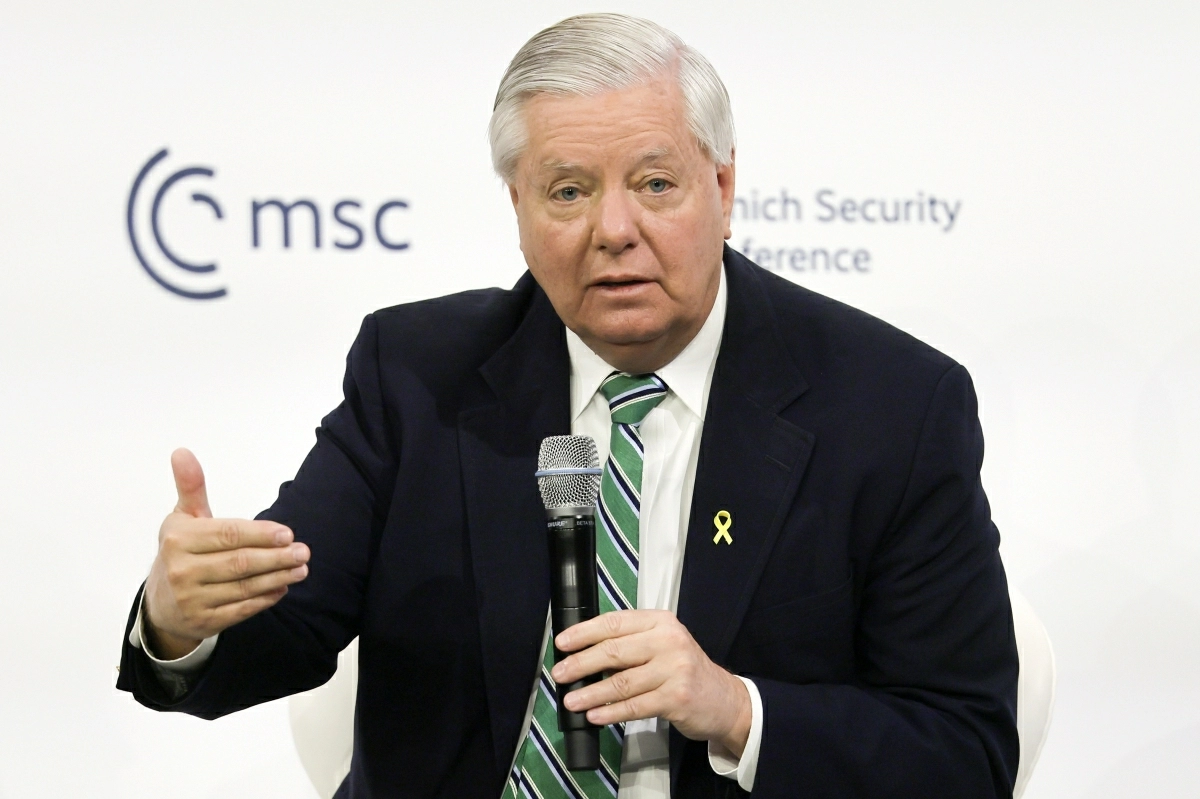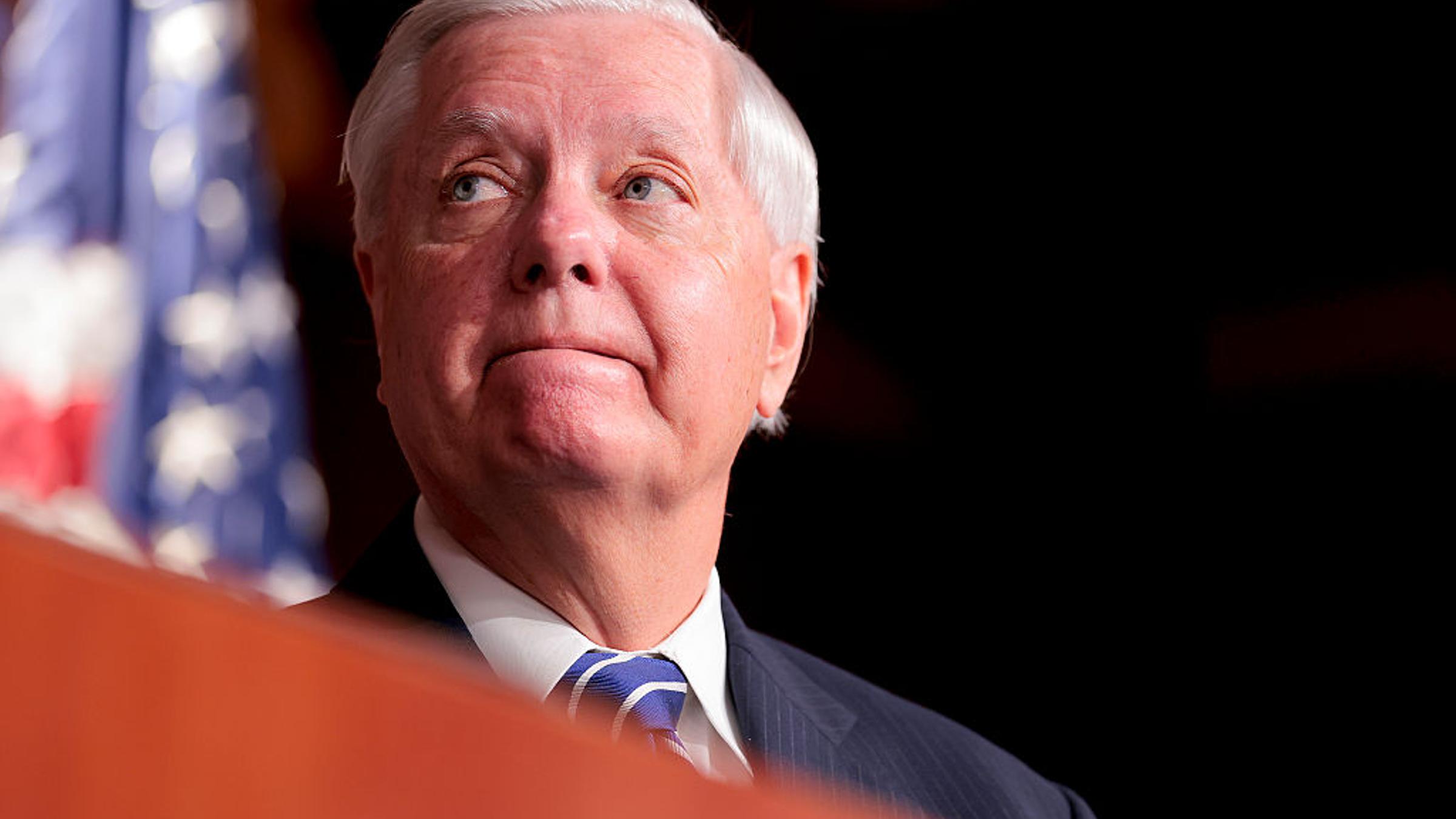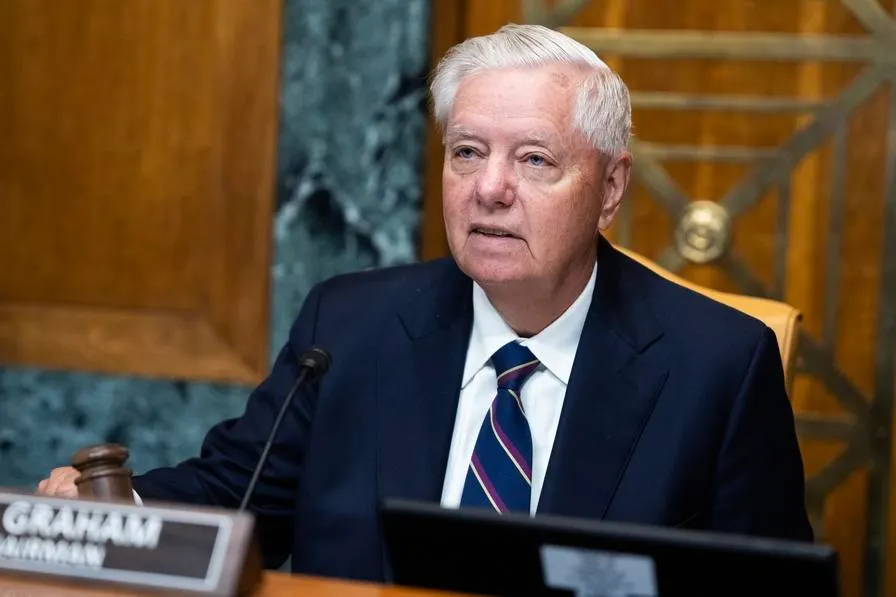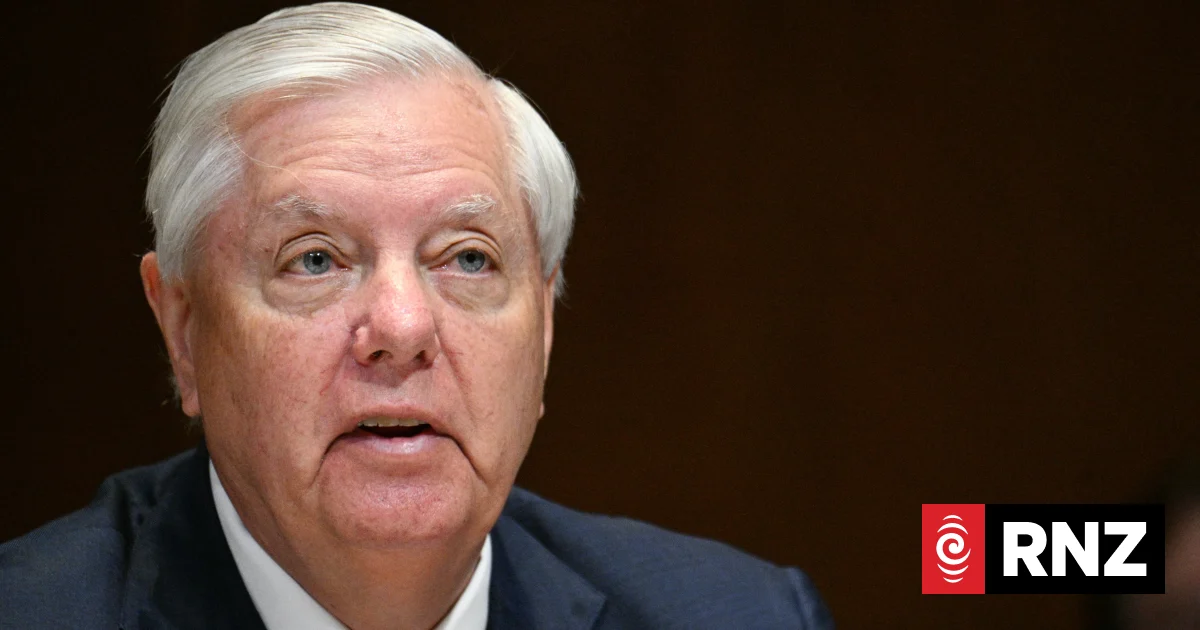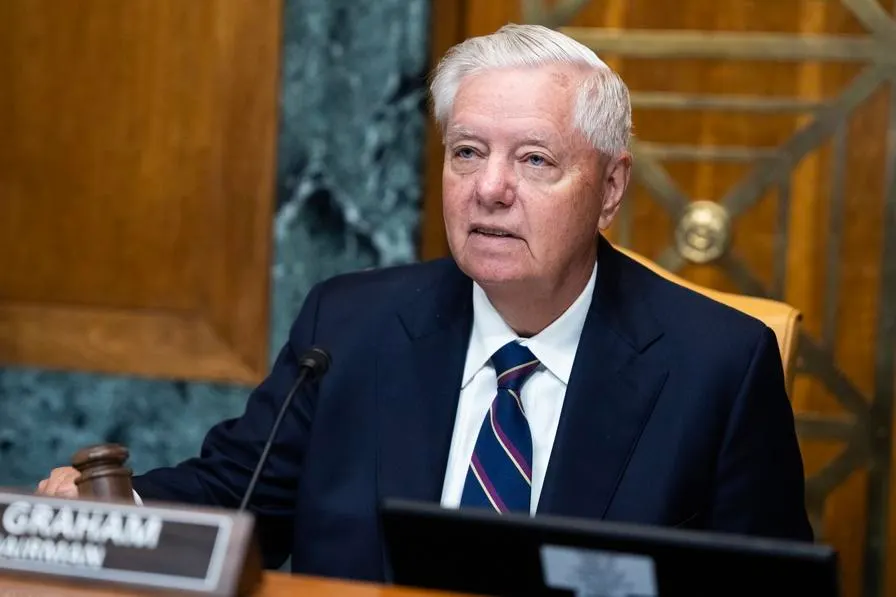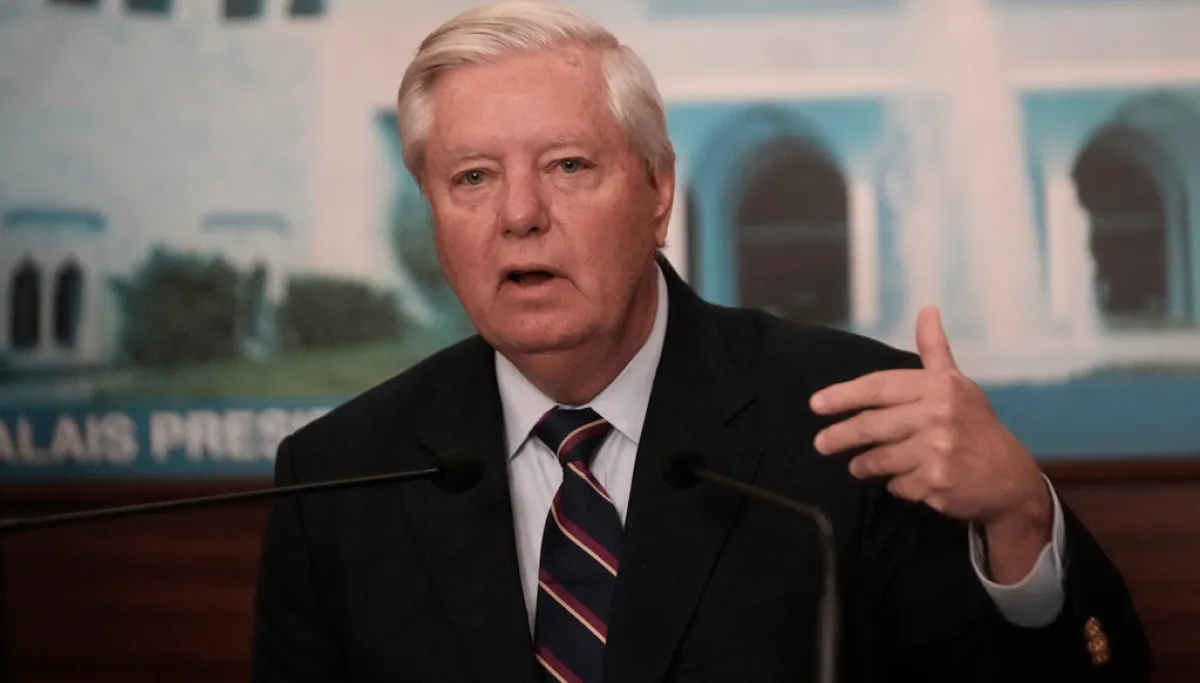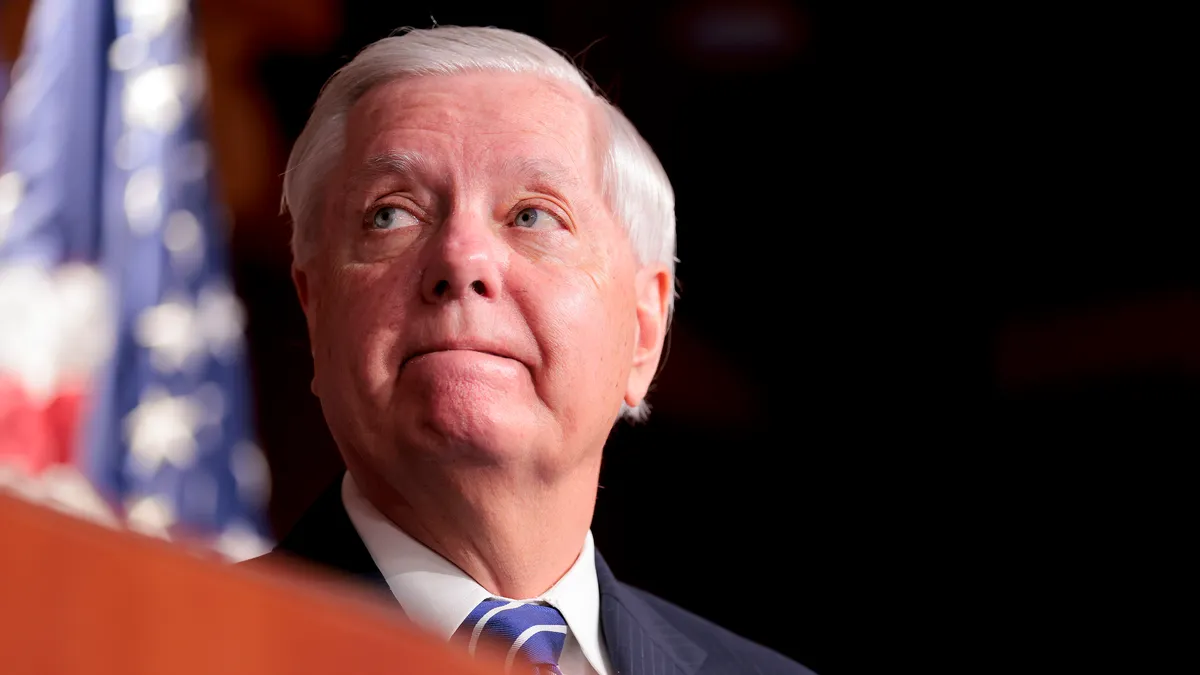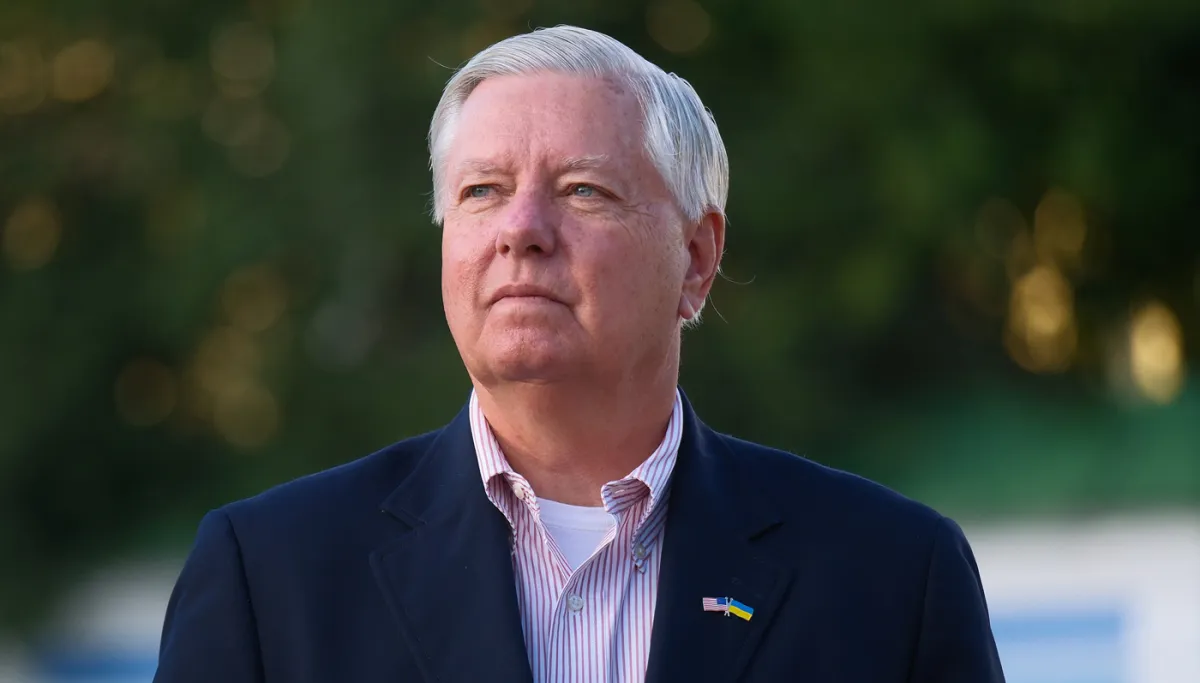
Sen. Lindsey Graham (R-SC), one of the last old-school, multidecade masters of legislation and statesmanship, joined them. He died suddenly at his Washington home at 71, two days after his birthday and hours after returning from a trip to Kyiv. Graham’s office called it a “brief and sudden illness,” and sudden it was: he’d spoken by phone with President Donald Trump that evening and was scheduled to appear on NBC’s Meet the Press the next morning.Graham was born in Central, South Carolina, where his parents ran a restaurant and a pool hall. The first in his family to attend college, he saw tragedy strike while he was there: His father died of a heart attack, and his mother of cancer within 15 months of each other. At 22, Graham became legal guardian of his 13-year-old sister, Darline, raising her while finishing his degree at the University of South Carolina and, later, its law school. In 1982, he joined the Air Force as a lawyer, serving 33 years across active duty, the reserves, and the South Carolina Air National Guard, retiring as a colonel.
Elected to the House in 1994 and to Strom Thurmond’s old Senate seat in 2002, Graham built his career on foreign policy, forging a famously close, cross-party alliance with McCain and Lieberman — a trio that traveled the world together and needled the Senate’s isolationist wings. He later chaired both the Judiciary and Budget Committees, defending Brett Kavanaugh’s confirmation and helping steer Neil Gorsuch and Amy Coney Barrett through the Senate as well.