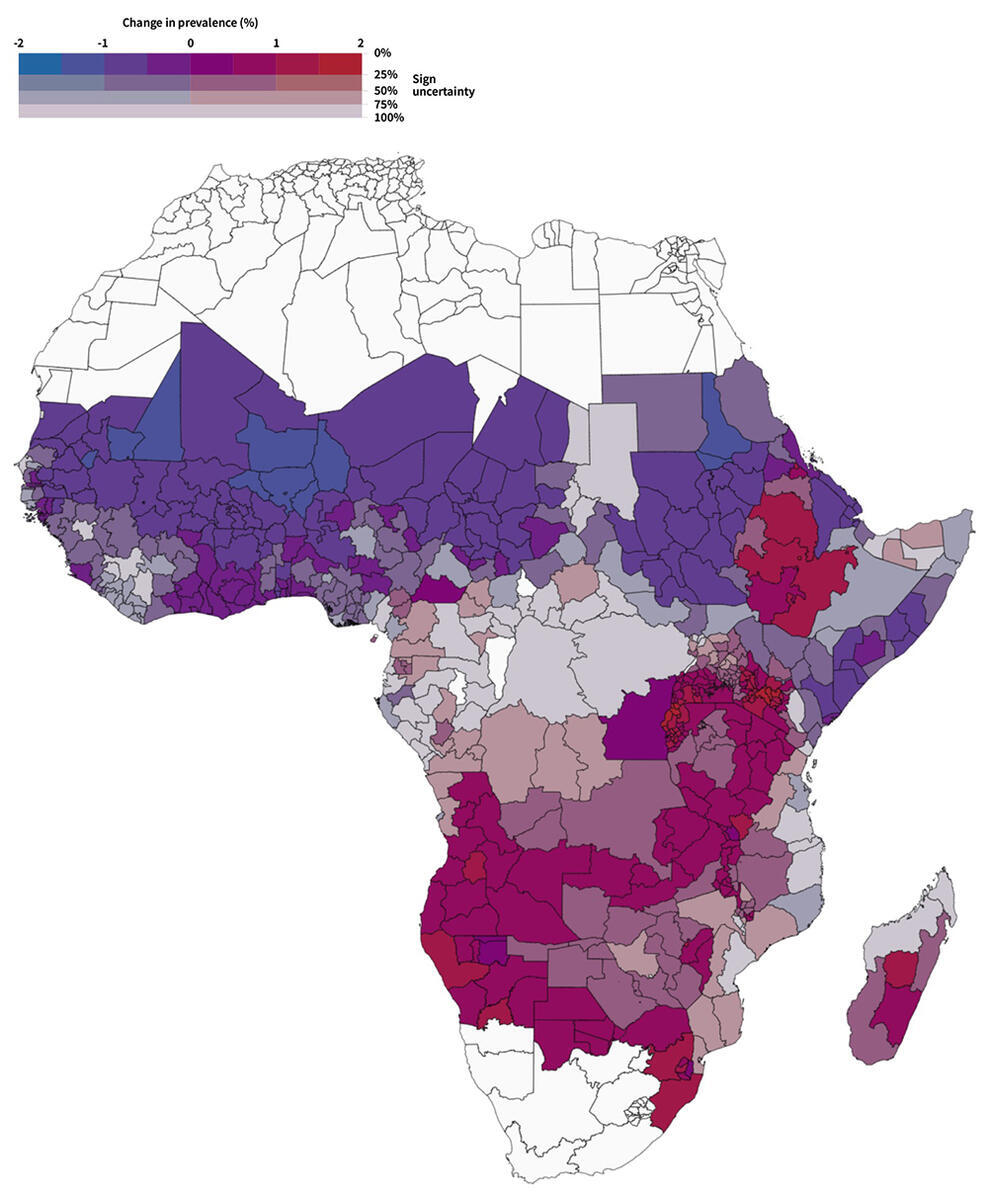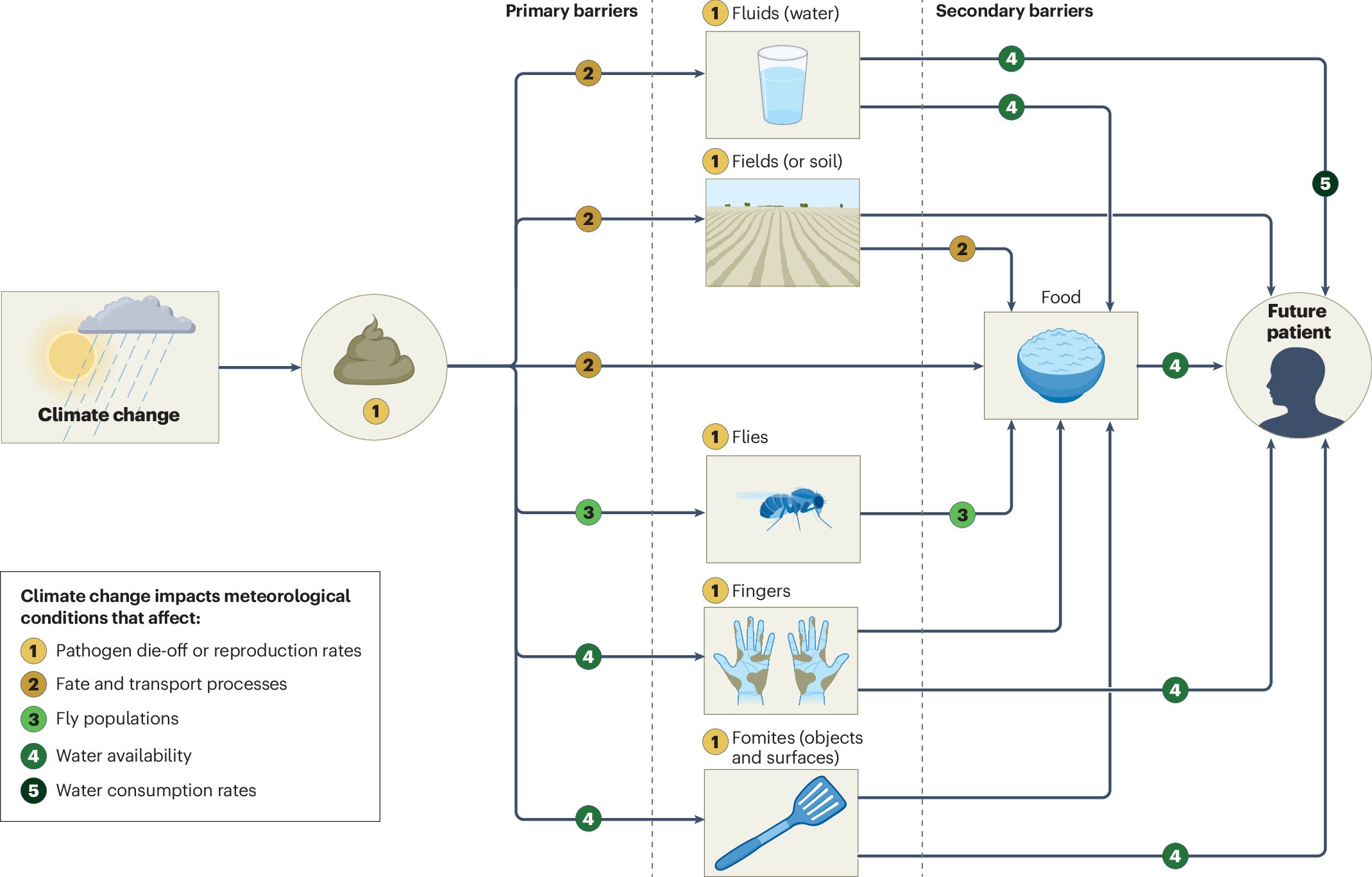
F-diagram illustrating meteorological drivers that influence pathogen transmission under climate change. Credit: Nature Reviews Microbiology (2026). DOI: 10.1038/s41579-026-01338-3
Climate change is altering the spread of waterborne diseases around the world, according to a comprehensive review published today in Nature Reviews Microbiology. The publication is the most up-to-date, comprehensive analysis examining how climate change influences waterborne diseases.
The review warns that more frequent extreme weather events could undermine decades of progress in reducing waterborne diseases, which contribute to nearly 1.2 million deaths from infectious diarrhea each year.
Led by researchers from the Colorado School of Public Health at the University of Colorado Anschutz and the University of Washington School of Public Health, the review found that climate change does not affect all disease-causing microorganisms, known as pathogens, in the same way.
Instead, bacteria, viruses and parasites each respond differently to changing environmental conditions, showing why public health responses should be tailored to specific pathogens.