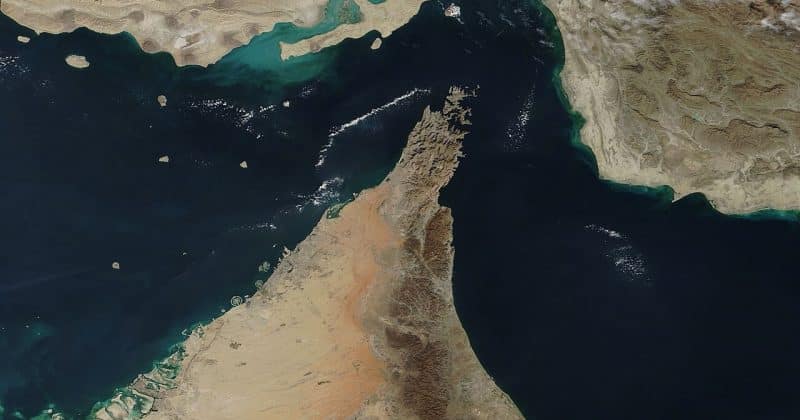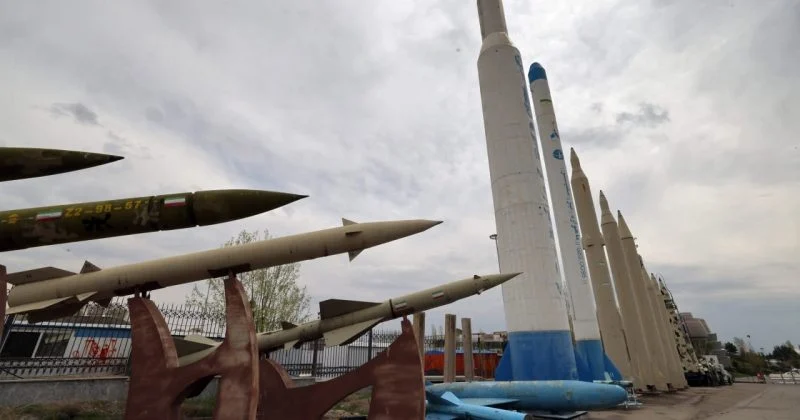
The escalating conflict between Iran and the United States has taken a critical turn as Iran fired missiles and drones at several Gulf states, including Bahrain, Kuwait, Jordan, Qatar, and Oman. This action follows intensified U.S. airstrikes on Iran’s southern coast, part of a broader strategy to target shipping lanes and degrade Iran’s military capabilities. The conflict, which reignited on July 7 after a ceasefire breakdown, now threatens to expand into a wider regional war. The closure of the Strait of Hormuz by Iran, a strategic global oil chokepoint, underscores the potential for economic disruption and heightened geopolitical tensions. Gulf states have refrained from direct military retaliation but have warned that consequences are forthcoming.
Key Takeaways
Market pricing suggests participants view the recent escalation as supportive of a potential U.S. invasion of Iran, with odds currently at 23.5% for such a scenario by the end of 2026.
The intensified U.S. strikes and Iran’s retaliatory measures appear consistent with scenarios where the conflict could further destabilize the region, elevating invasion speculation.
The strategic closure of the Strait of Hormuz by Iran may indicate a shift towards economic warfare, adding pressure to the regional dynamics and market expectations.