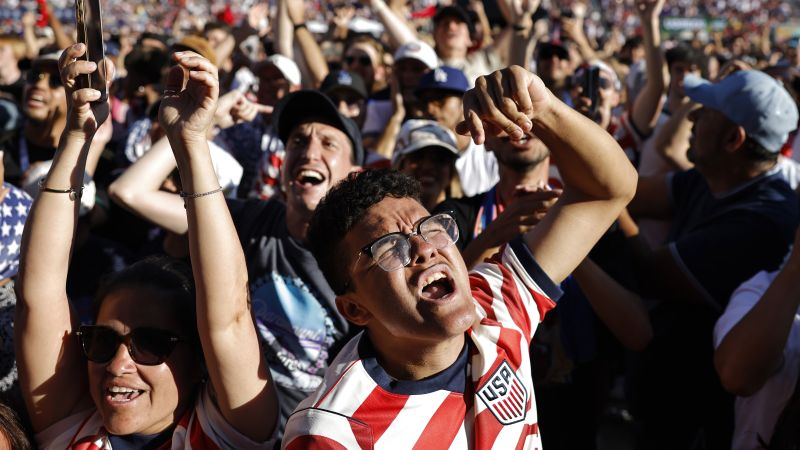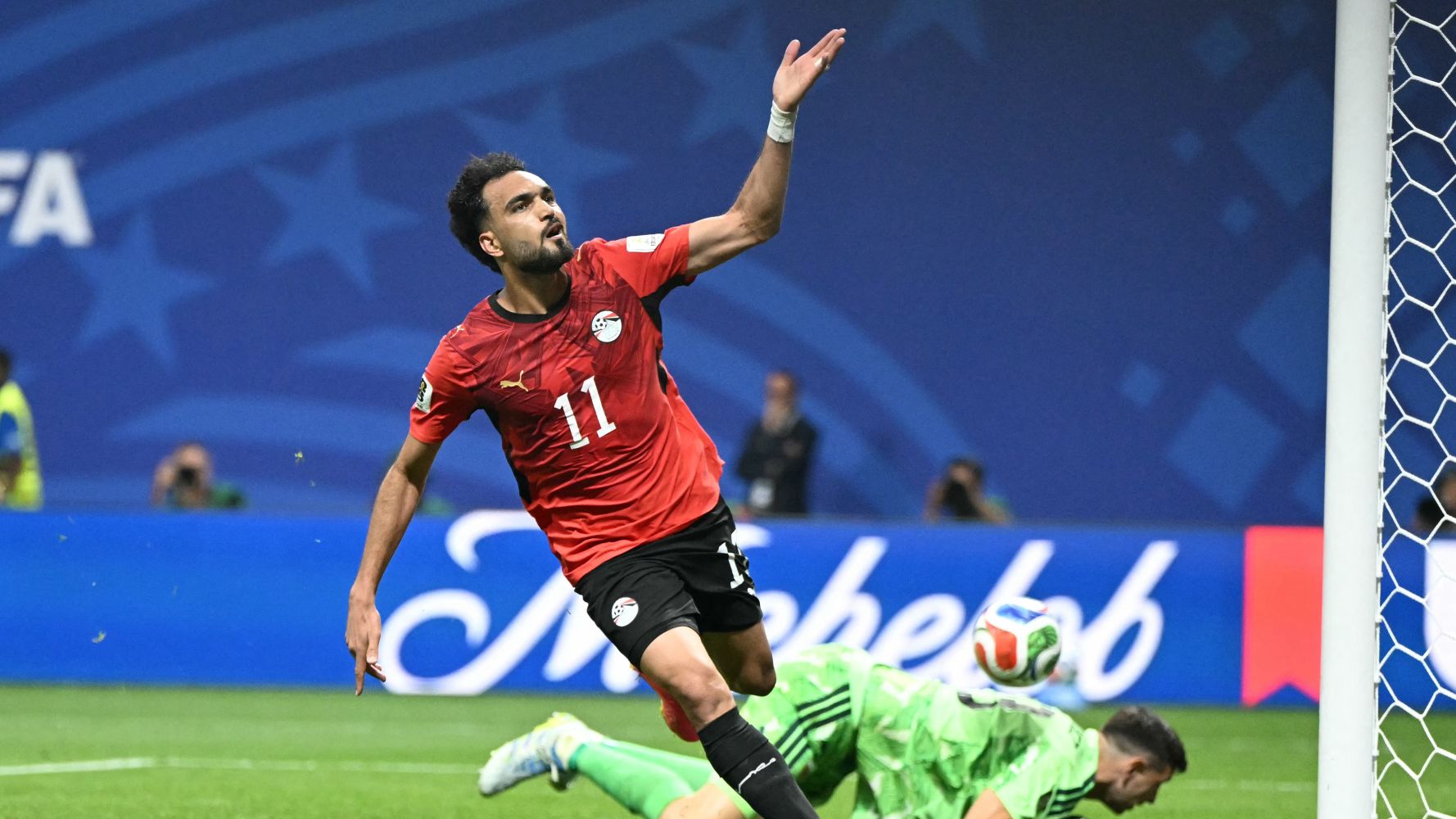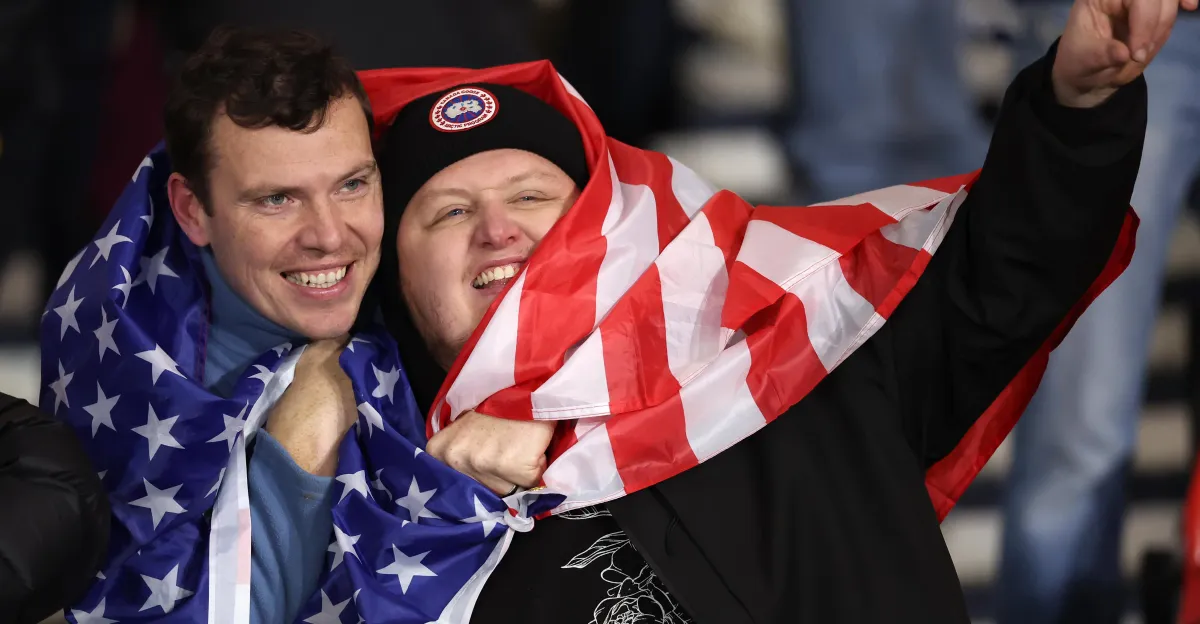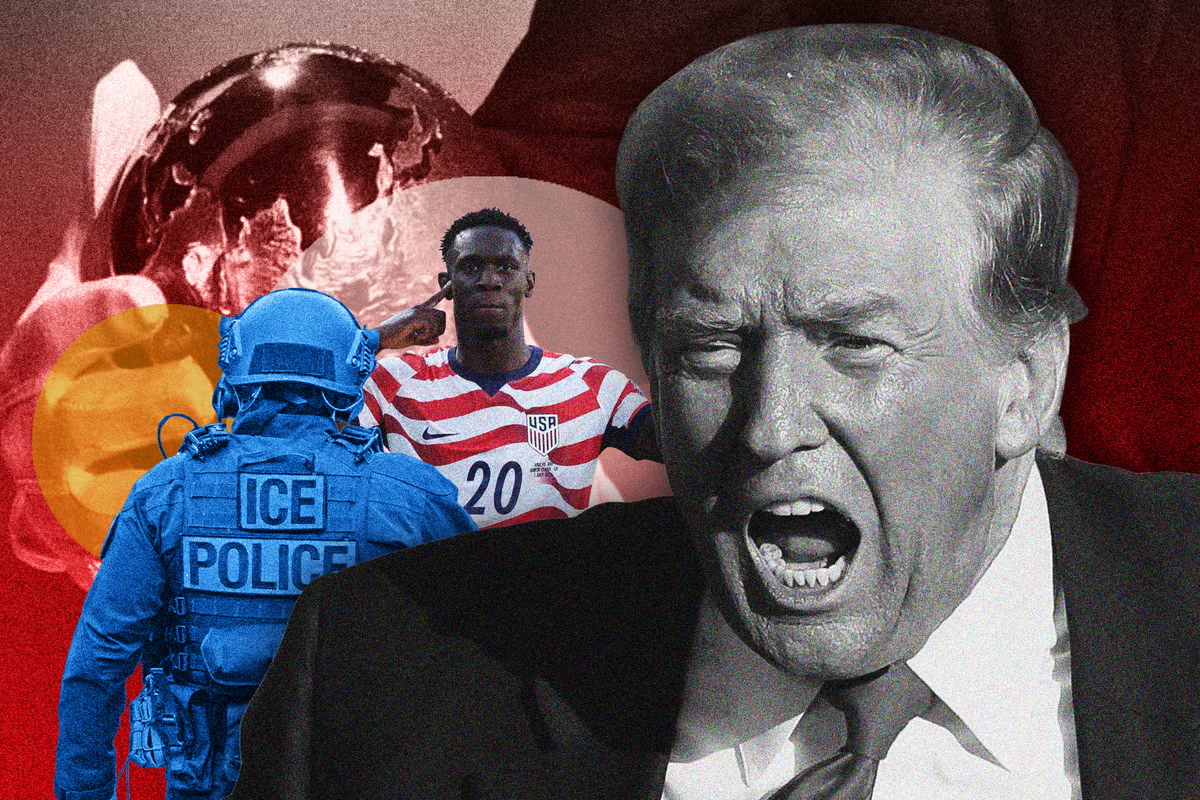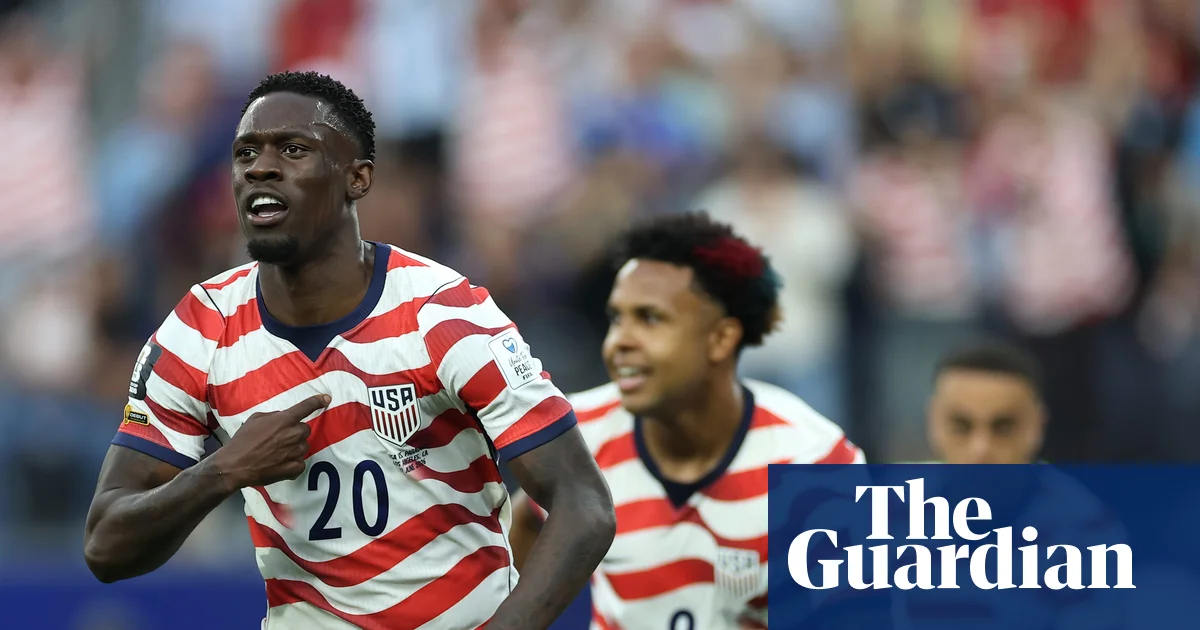
The World Cup is built on the idea that anyone can belong anywhere for a moment. You see it in the crowds that cross borders without fear, in the families who travel thousands of miles to watch a match, and in the way cities transform into temporary homes for people from every corner of the world. Yet watching from America, that freedom feels distant. Here, movement is something you measure, calculate and sometimes avoid. Visa denials, immigration enforcement and racialised policing turn the simple act of going somewhere into a negotiation with risk.
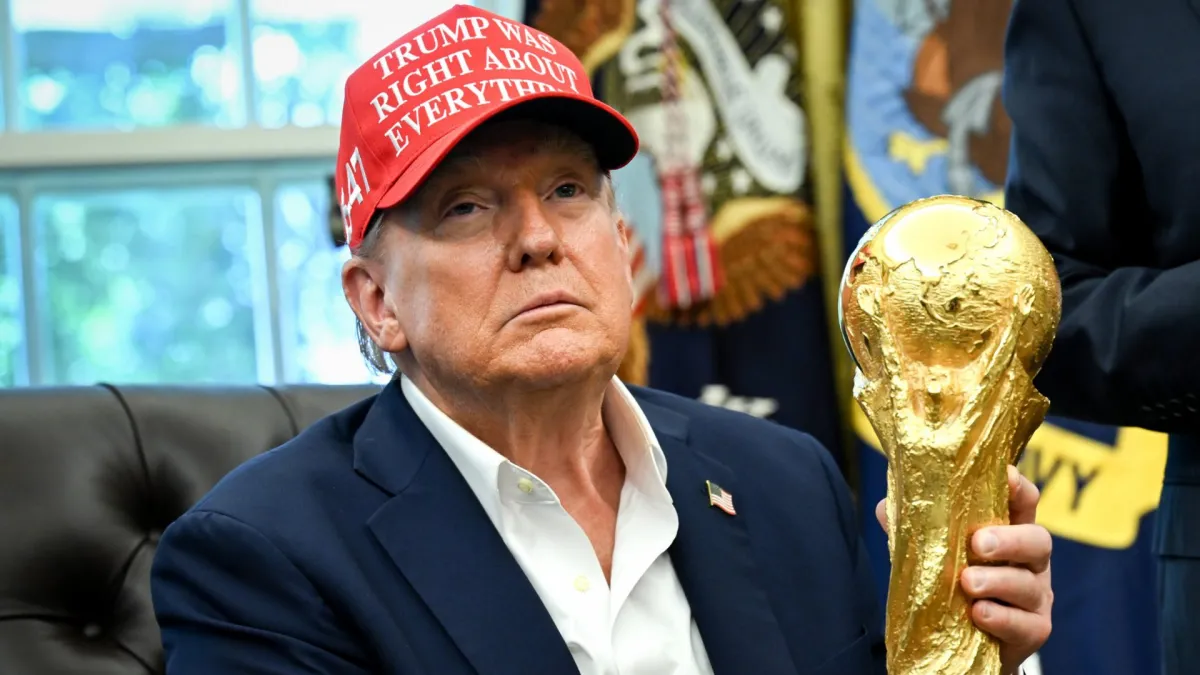
I worked for two US presidents, Joe Biden and Barack Obama, and that experience taught me how national systems are meant to protect people. Watching this World Cup has made it impossible to ignore how unsafe America has become for many communities under the Trump administration. The contrast between global ease and domestic insecurity is unmistakable.
For several weeks, I have seen a statement circulating across social media. It reads: “The World Cup is proof that, if it were not for our leaders, the vast majority of people around the world would get along just fine.” The sentiment is simplified, and the reality is far more complex, shaped by history, politics, and power. Yet it captures something real about this moment. It reflects the sense that ordinary people, when given the chance, can share space, joy, and belonging without fear. The tournament showed how easily connection can happen when it is not mediated by borders, surveillance or political agendas. It also revealed how sharply that experience contrasts with life in America, where safety is conditional and where the systems that govern movement and belonging often make people feel less rather than more secure.