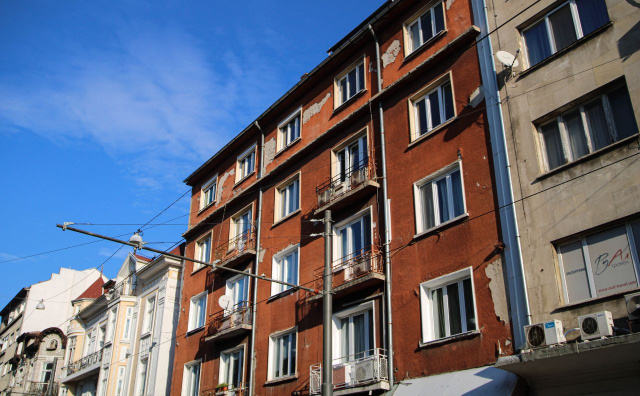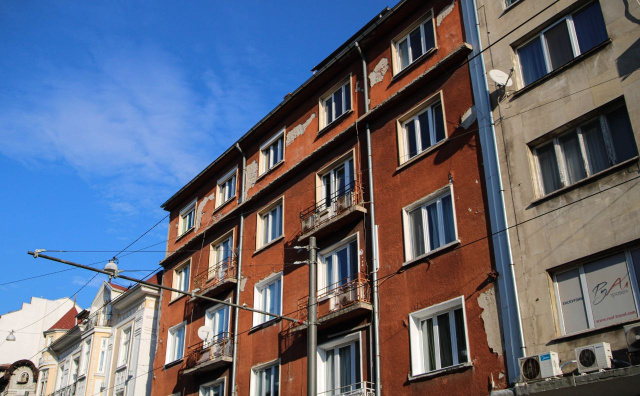
Bulgaria’s aging housing stock remains one of the main factors behind the country’s high vulnerability to energy poverty. While across Europe newer and renovated buildings are helping reduce the number of households struggling to heat their homes or pay energy bills, many Bulgarian households continue to live in older, inefficient properties.
Energy poverty in Europe is increasingly linked not only to household income, but also to the condition of the buildings people live in. Eurostat data show a clear connection between energy efficiency and living costs: the newer and better insulated a home is, the lower the chance that residents will face difficulties maintaining a comfortable temperature or covering their utility expenses.
For Bulgaria, this issue is particularly significant. The country has one of the oldest housing stocks in the European Union, with many buildings suffering from poor energy performance. As a result, energy efficiency is not simply a part of Europe’s environmental agenda, but also a question directly connected to living standards, social protection and household budgets.
Across the EU, progress in improving housing efficiency has slowed. In 2025, 23.9% of EU residents lived in homes that had undergone energy efficiency improvements during the previous five years. This represents a decline from 2023, when the share was 25.8%.