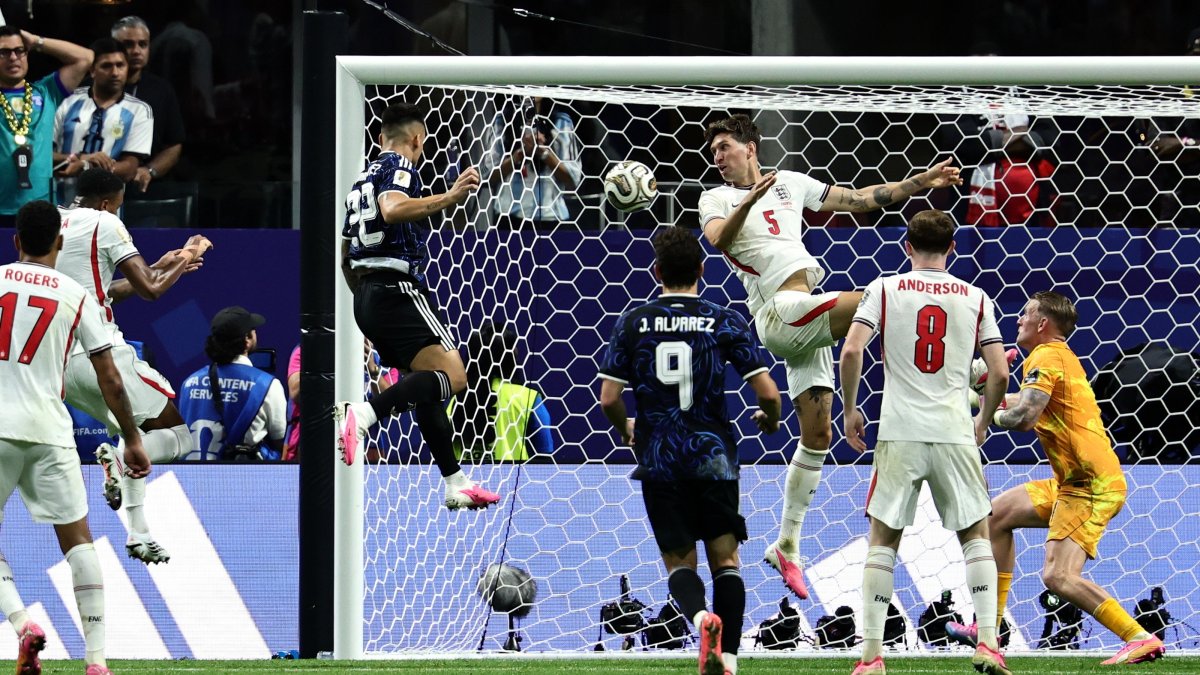
Argentina’s World Cup semifinal against England triggered electricity demand fluctuations of up to 1,700 MW, according to CAMMESA. The grid operator said the main challenge was managing rapid changes in consumption, including a 1,500 MW rebound after the final whistle.
The World Cup semifinal between Argentina and England, in which Lionel Messi’s team secured a 2–1 victory, caused electricity demand fluctuations of up to 1,700 MW during the first half, according to an analysis published by the Wholesale Electricity Market Management Company (CAMMESA).
The grid operator’s graph compares actual demand on July 15 with consumption recorded on a similar day without a match. Before kickoff, scheduled for 4:00 p.m., electricity demand had already fallen by around 1,500 MW over a 75-minute period.
Once the match began, the decline became more pronounced. Demand, excluding electricity consumed by pumped-storage facilities, dropped from nearly 17,500 MW to slightly above 16,000 MW by halftime. CAMMESA calculated the cumulative reduction during that period at 1,700 MW.
Compared with a typical day, the difference was even larger. While the reference curve remained close to 18,300 MW, demand excluding pumping stayed around 16,000 MW, creating a gap of approximately 2,300 MW. This represented nearly 13% of projected demand for that time.