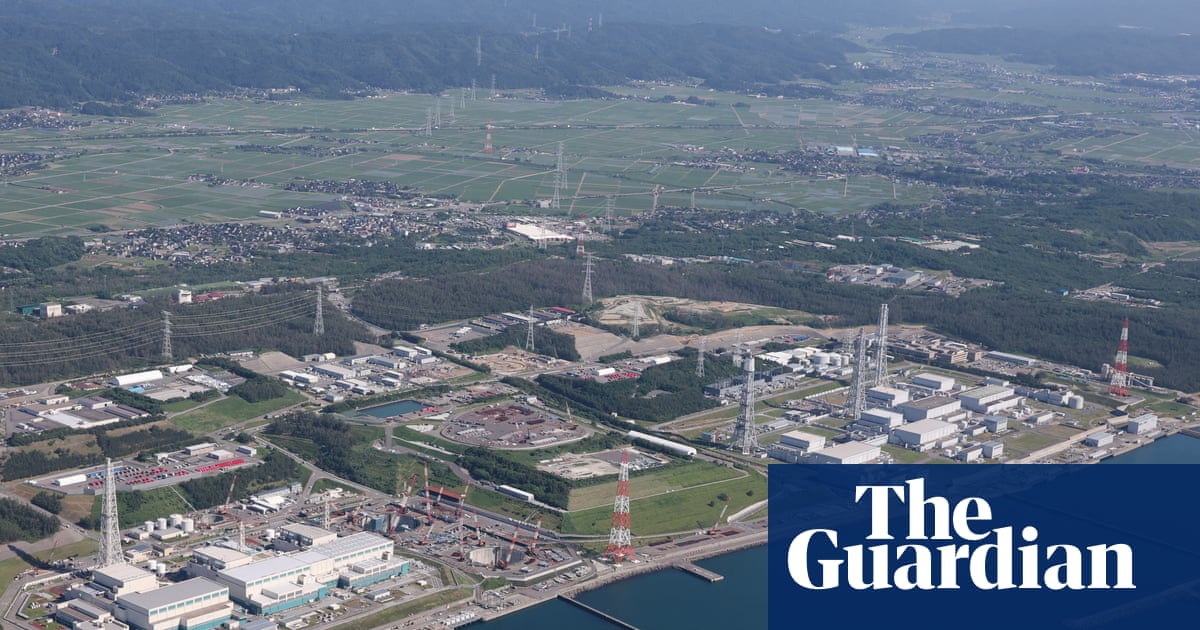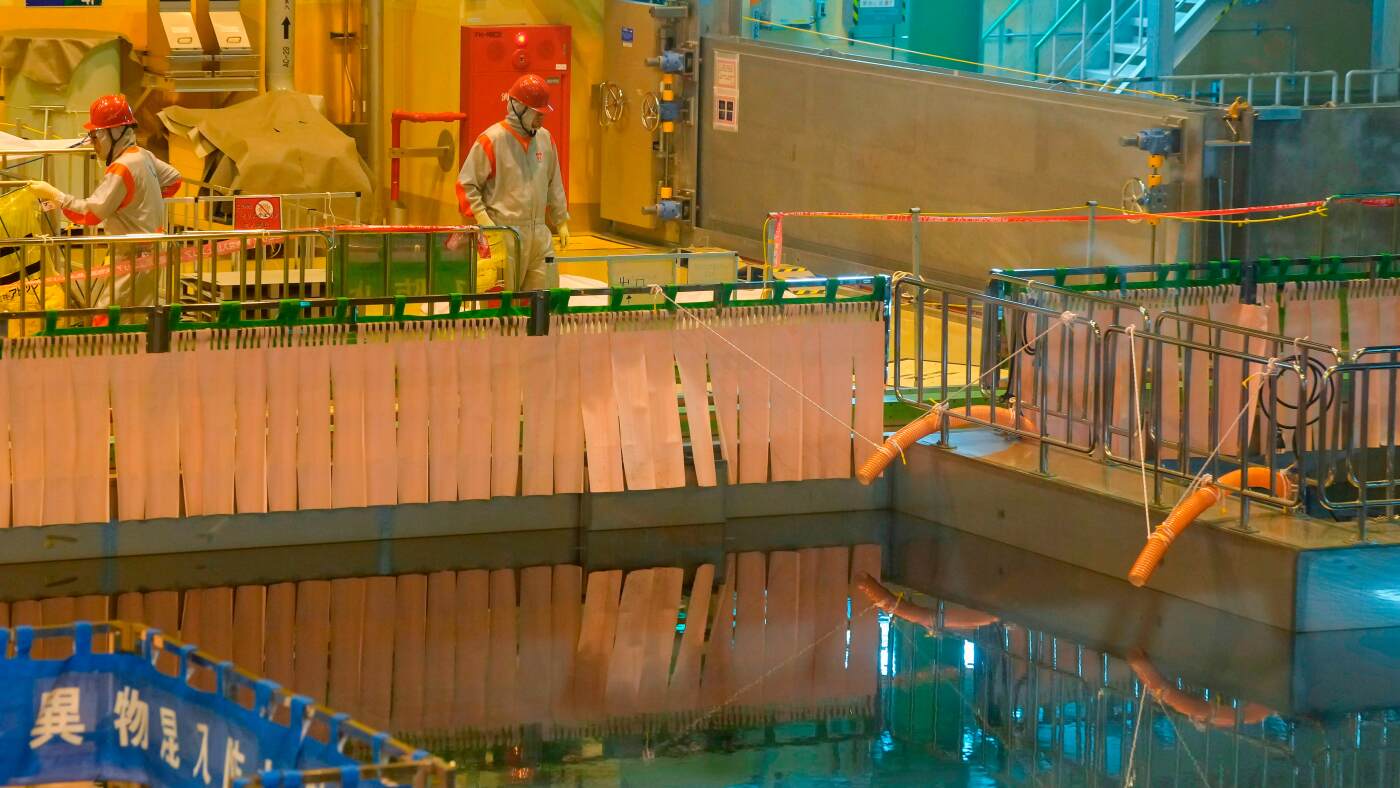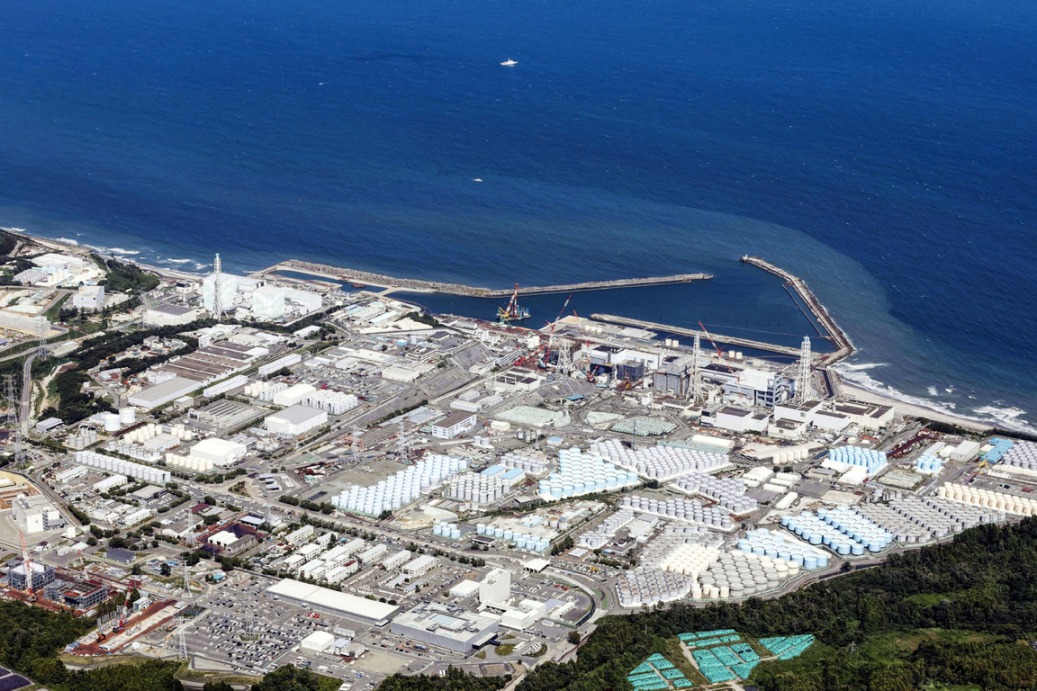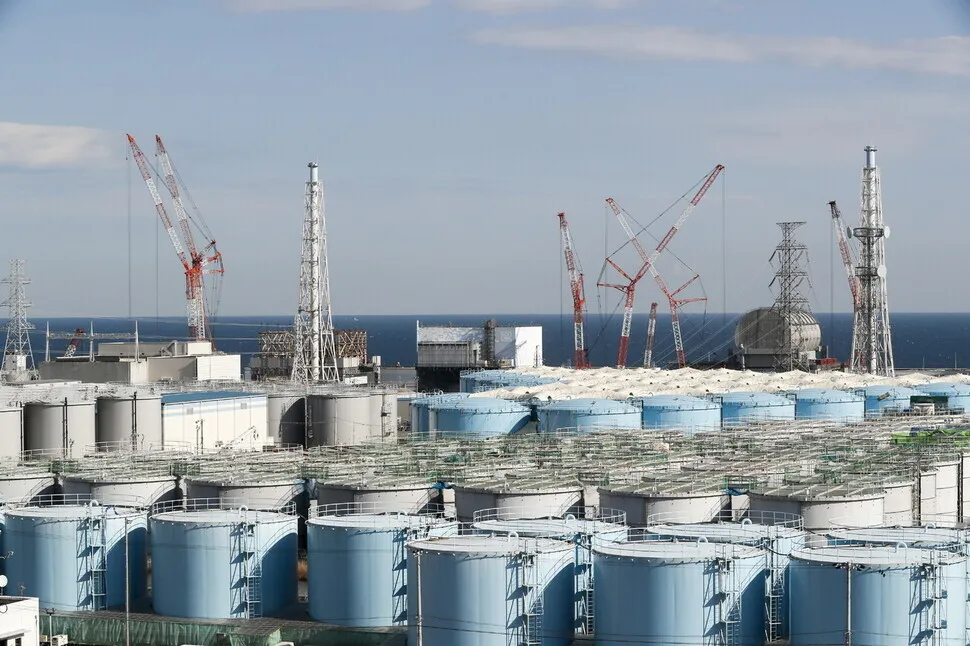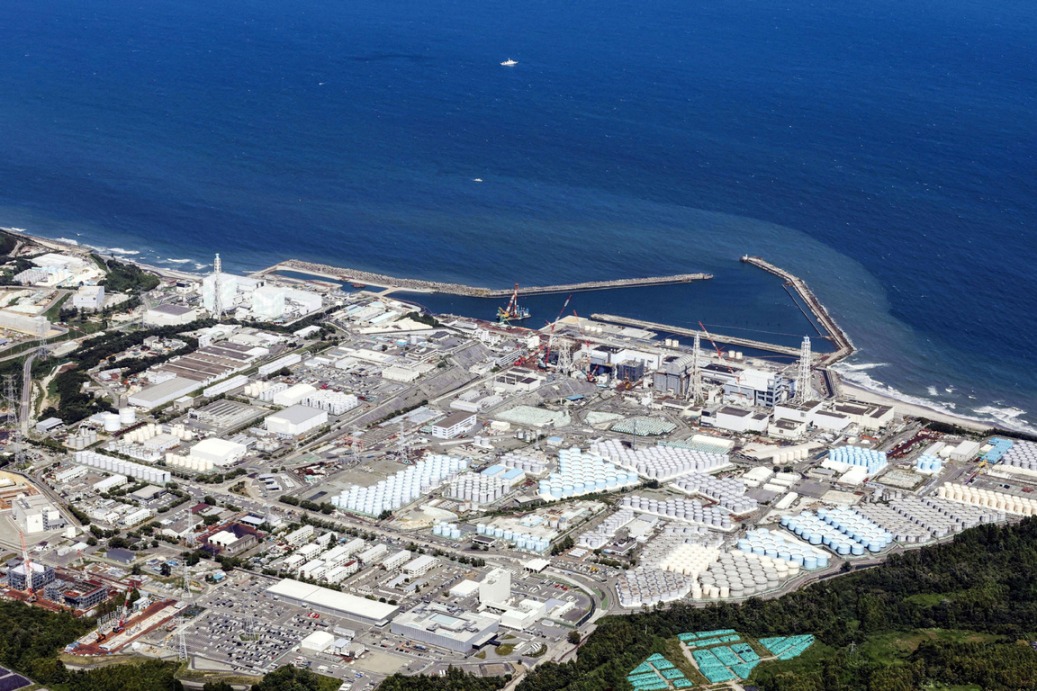
From the continued discharge of nuclear-contaminated wastewater into the sea to the controversy over restarting reactors, nuclear-related issues in Japan have once again raised concerns among experts. Despite the unresolved consequences of the Fukushima nuclear accident, Japan has steadily expanded the role of nuclear power in its energy policy.
Tokyo Electric Power Company, or TEPCO, began the latest round of radioactive water discharge on July 6 from the Fukushima Daiichi Nuclear Power Station, marking the 21st such release since the controversial operation began in 2023.
According to TEPCO, this round is scheduled to continue through July 24 and will discharge about 7,800 metric tons of wastewater into the ocean, containing approximately 1.3 trillion becquerels of the radioactive isotope tritium.
Chen Xiang, an associate research fellow with the Institute of Japanese Studies at the Chinese Academy of Social Sciences, told China Daily that as the discharge has become routine, international attention has declined, but that does not mean the risks have disappeared.
He said it is important to guard against public concern over potential ecological risks diminishing over time, adding that Japan's discharge of radioactive water has gradually evolved from an emergency incident into a long-term and ongoing international issue.