WANG JUN/FOR CHINA DAILY
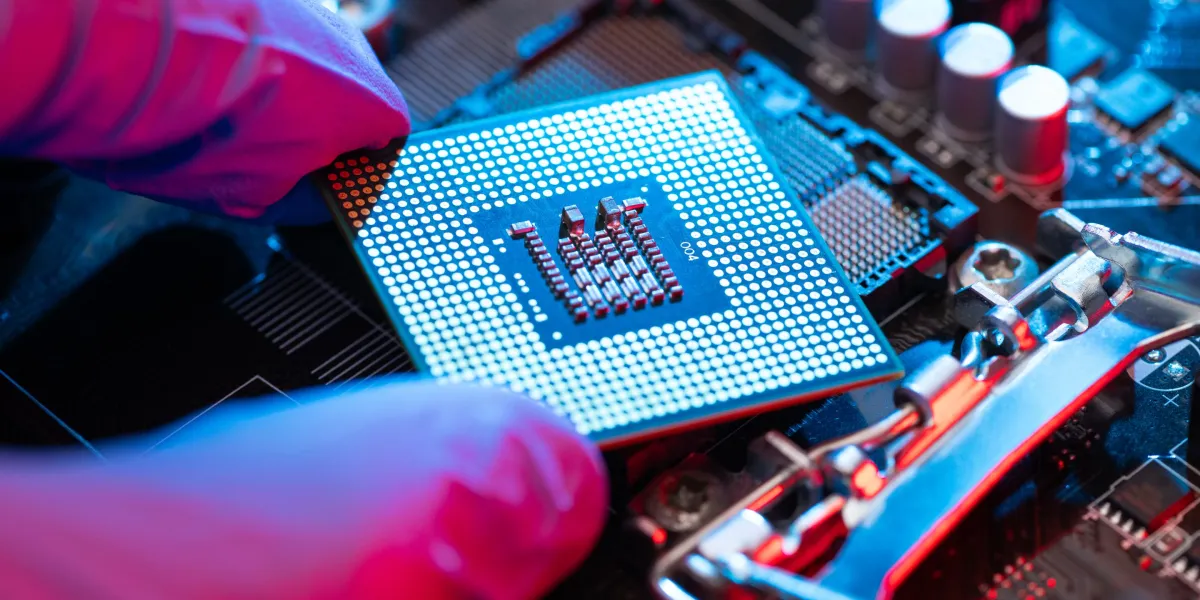
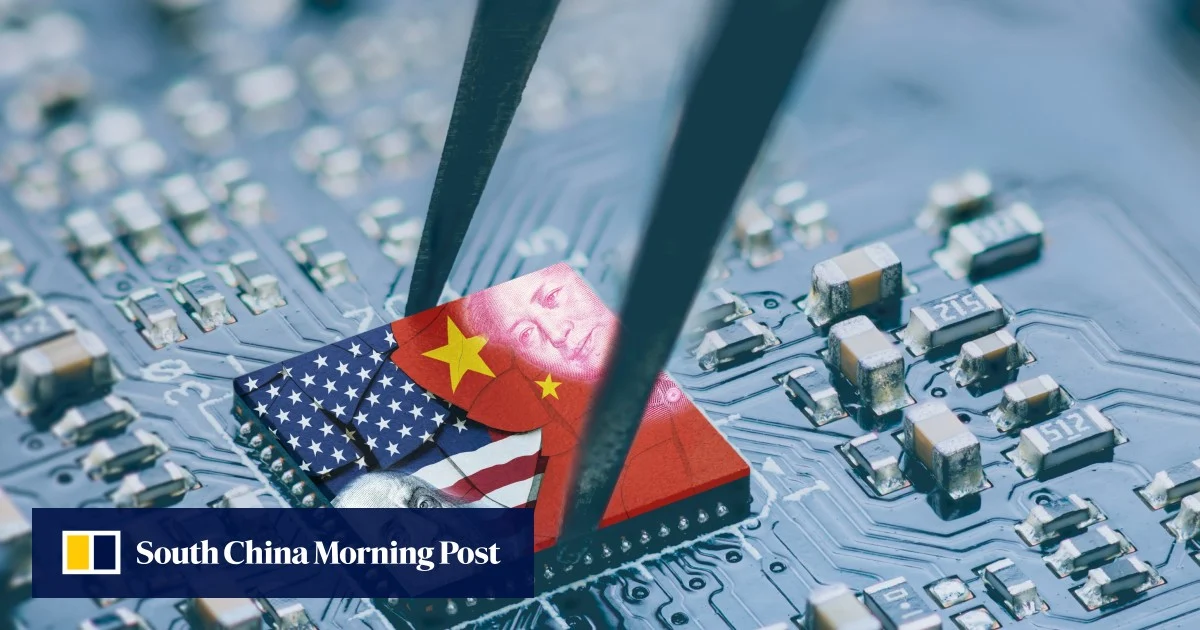
For years, the global discussion about artificial intelligence revolved around large language models, algorithms and computing power. The competition appeared straightforward: Whoever built the most powerful neural network would dominate the digital economy. That perception fueled a fierce technological race among leading US companies such as OpenAI, Google, Microsoft, Amazon and Anthropic. In China, companies such as Deep-Seek, Alibaba, Tencent, Huawei and Baidu responded by accelerating investment in large models, chips and cloud infrastructure.
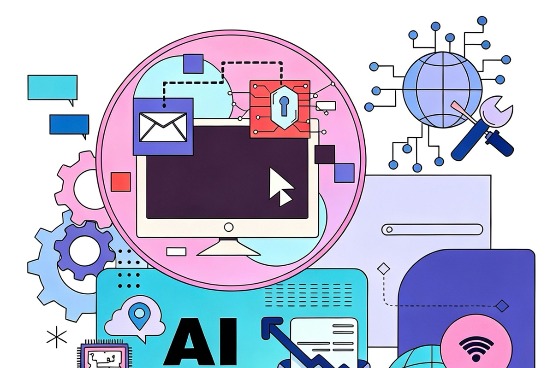
But over the past year, a deeper transformation has become evident. AI is steadily moving beyond chatbots, search engines and office tools into manufacturing, logistics, pharmaceuticals, automotive engineering, robotics and industrial planning. Consequently, the focus of the global AI race has changed. The next phase of the competition may depend less on algorithms and more on productive capacity, industrial organization and the ability to embed AI into large-scale economic activity.
This shift has changed the very nature of AI rivalry. The first phase of the AI race primarily featured frontier models and computing supremacy. Companies competed for elite engineers, semiconductors, cloud infrastructure and venture capital. The goal was technological leadership.