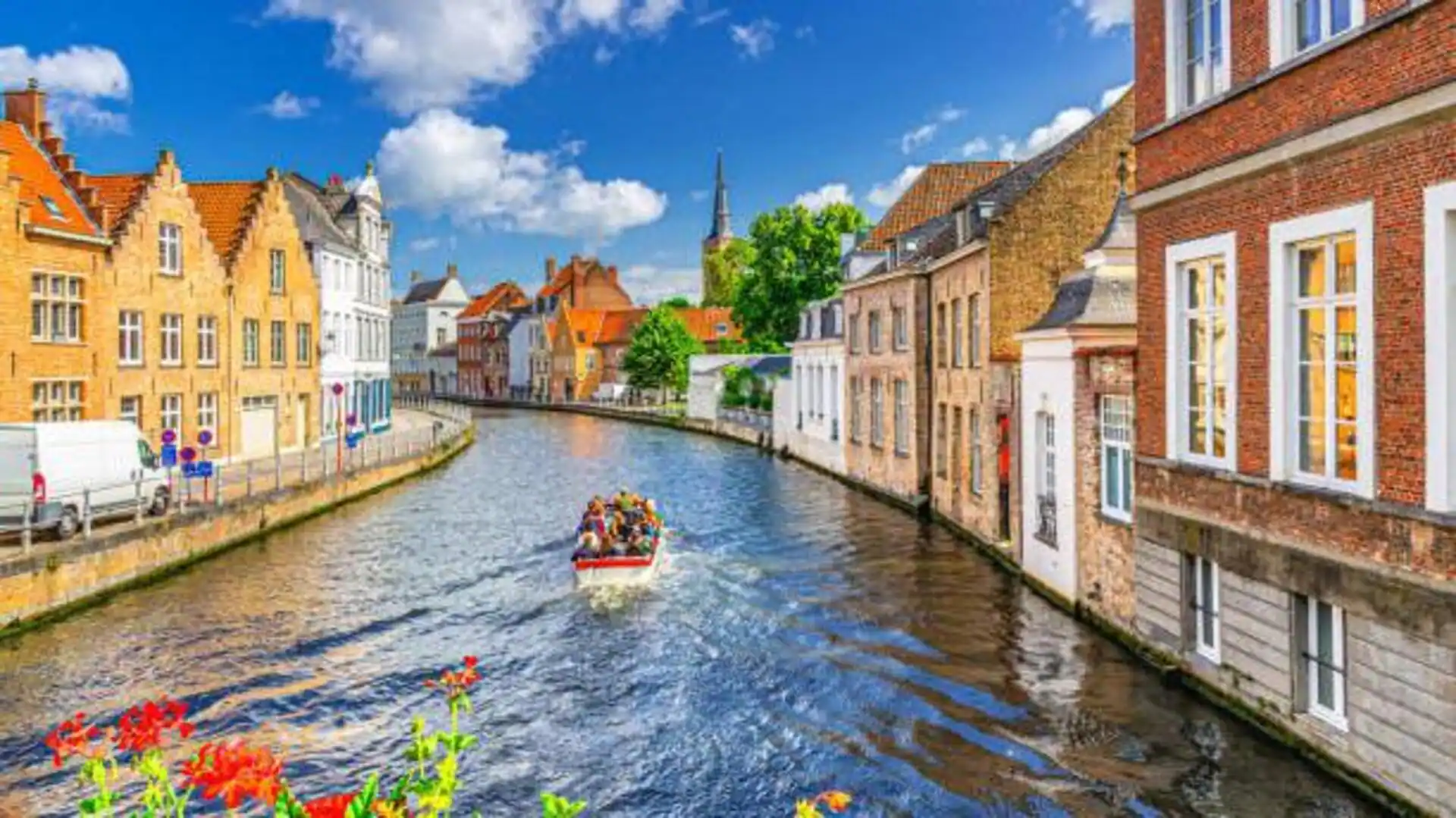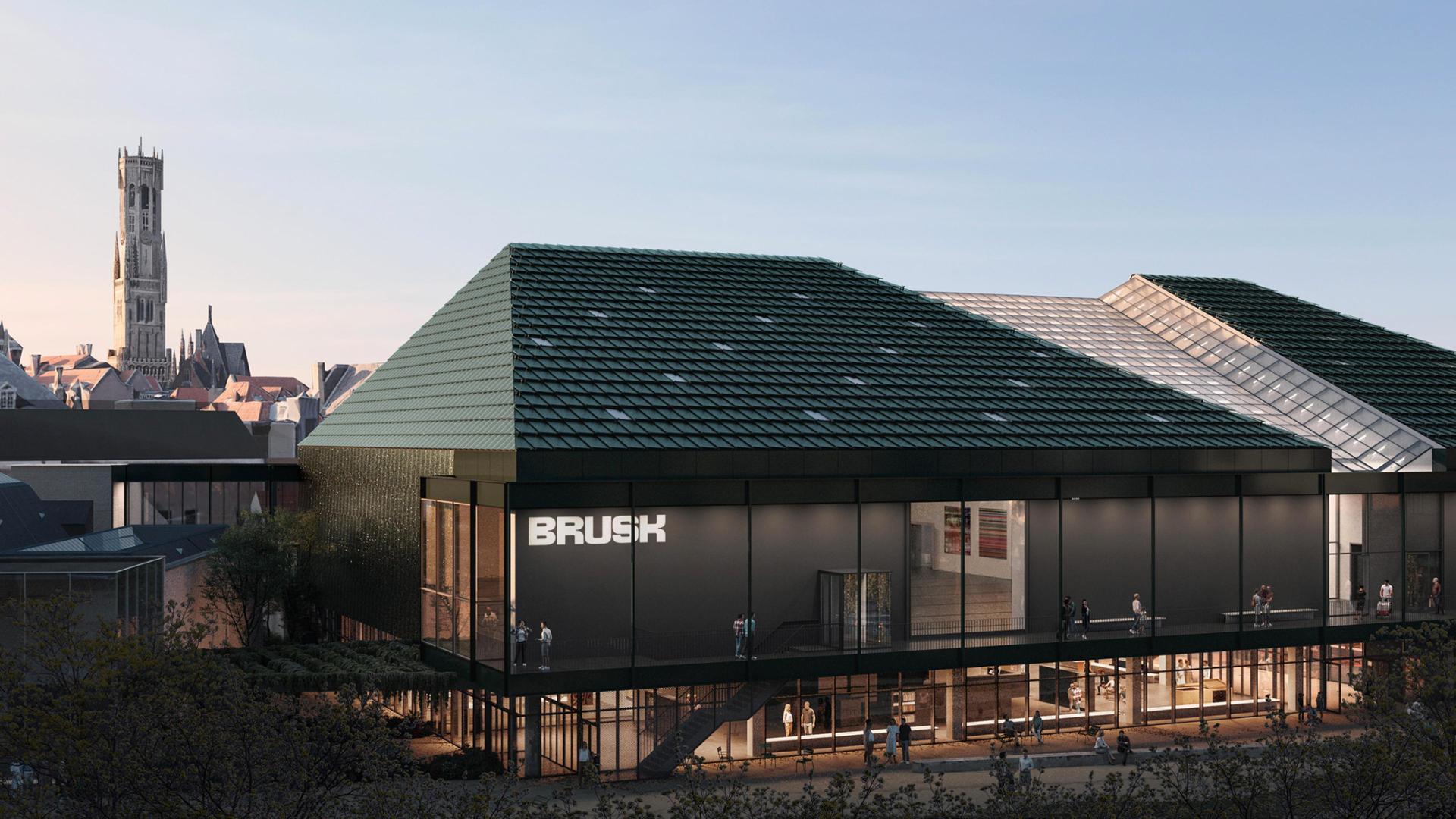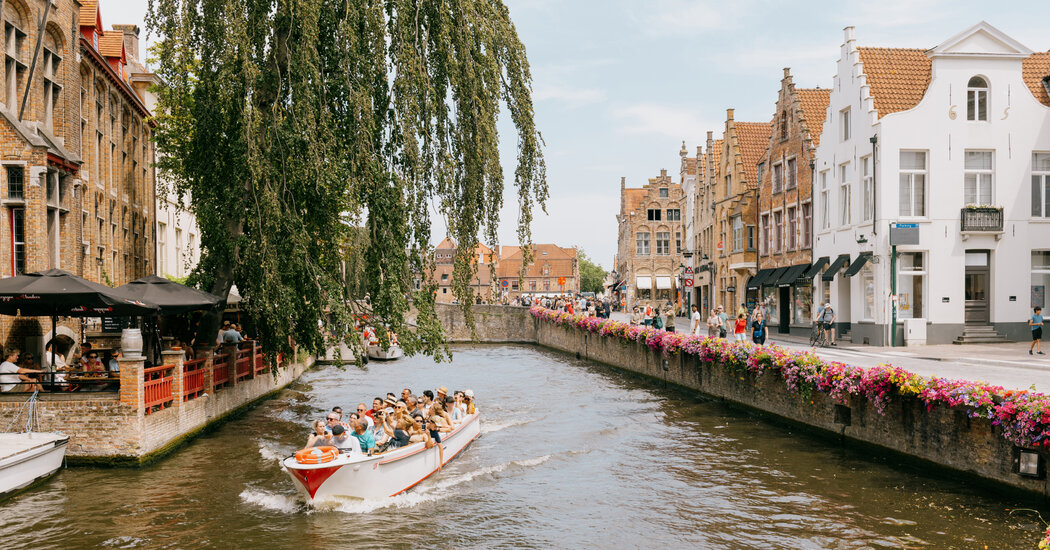
Jump to: By Evan Rail Photographs by Max Pinckers The author of “The Absinthe Forger,” Evan Rail began writing about Belgian food, drink and travel in 2008. He lives in Prague. July 16, 2026At first glance, Bruges, Belgium, might seem as if it hasn’t changed much in recent years, to say nothing of the last six or seven centuries. A major trading port during the Middle Ages and an important setting for the Burgundian Renaissance that followed, the city still merits its longstanding nickname, Venice of the North, with postcard-perfect examples of Flemish Gothic architecture and shimmering canals around every corner. But under the surface, new influences — cutting-edge museums and international culinary and design trends — are quietly transforming this city, offering a dose of contemporary sophistication. Prepare to be surprised by unexpected details — both in the hyperrealistic artworks of the Flemish Primitives who once painted here, and in modern Bruges itself. RecommendationsIn a landmark building in the city’s expanding museum quarter, Brusk is a new exhibition hall with large, light-filled spaces and a broad-minded approach to its art.Markt (Market Square), the city’s main commons, is lined with impressive Gothic and neo-Gothic buildings like the Provinciaal Hof (Provincial Palace).Join the locals at the produce and flower market that takes place Saturday mornings on sprawling ’t Zand square. Step into the past at the still-operational Begijnhof, a convent and home for women founded in 1245.Picnic like a lifelong Bruges resident in verdant Minnewaterpark, next to a small lake.Learn as much as you ever wanted to know about fries (a.k.a. frites) and the potato itself at the Frietmuseum.Enjoy priceless artworks by the Dutch painter Hieronymus Bosch and other famed artists from the Low Countries at the Groeninge Museum. Spiced hot chocolate and creative desserts are available only on weekends at the new drinks-and-dessert counter, the Julius Chocolate Bar.Enjoy a glass of wine and a well-aged steak at Cult, a restaurant and wine bar overlooking ’t Zand square.You can’t beat the vibe at Paula Mostaert, a beer cafe, hot dog restaurant and late-night party spot.In addition to its inventive smashburgers, Mosh, a new cafe just north of Markt, cooks up some of the city’s tastiest frites.Dine on mussels, lobster, turbot and other fresh seafood at Breydel De Coninc, a cozy restaurant just off Markt.The six-month-old Shibuya serves creative cocktails and excellent small plates in a minimalist Japanese-style vinyl bar.Disco and funk playlists combine with modern mixology at Bar Ran.The dark and romantic Groot Vlaenderen cocktail lounge offers classic mixed drinks as well as house recipes and seasonal specials.The beloved local coffee roastery Dees has its own inviting cafe not far from the Groenerei canal. Pad out your suitcase with cool vintage finds from the local branch of Think Twice, a Belgium-based secondhand-clothing chain.At her namesake antique shop, the owner Greet Verbeke can tell you about her favorite art and collectibles, including a selection of perfume bottles from famous makers.Stop by the Vismarkt, a former outdoor fish market where artisans and craftspeople now sell their work.You’ll find a colorful weekend flea market under the trees at De Dijver Park, beside a scenic canal. The Notary, a stylish boutique hotel with eight luxurious suites, opened in 2023 on a quiet lane a few minutes from the main square. Rooms start at around 380 euros, or about $430.Across the street from the picturesque Groenerei canal, not far from the Brusk exhibition hall and the Groeninge Museum, Hotel De Tuilerieën has 41 rooms and suites — and an elegant bar that serves as a popular meeting point for guests and nonguests alike. Rooms start at around €200.Budget hotel D28 offers clean, modern rooms in a charismatic old building close to ’t Zand square. Doubles start at around €75.Many short-term apartment rentals can be found in the historic center, including in the lovely residential neighborhoods of the Sint-Anna Quarter, east of the main square. Most travelers will get to Bruges on one of the frequent direct trains from either Brussels Airport (about an hour and 40 minutes) or Ostend-Bruges International Airport (about 50 minutes), which will take you to the city’s main train station. From there, it’s a roughly 20-minute walk or a quick bus ride to the city center. Most of Bruges’s attractions are walkable from the main square, Markt, making it easy to explore the city on foot. Buses are somewhat infrequent, operating roughly every 10 minutes, and they accept tap-and-go payments with your smartphone or credit card (€3 per ride). Ride-hailing services are neither useful nor plentiful here, since there are numerous pedestrian zones and many of the streets are car-free. ItineraryFriday “Latent City,” an exhibition of large installations by the Turkish American digital artist Refik Anadol, is one of the inaugural shows at Brusk. 3:30 p.m. Step newly into the past Even before it opened in May, the catchall arts venue Brusk was already making an impact — albeit on the skyline: In a new glass-and-steel building in the city’s growing museum quarter, about a 10-minute walk south of Markt, the main square, the space has two cavernous halls that dwarf the centuries-old brick buildings nearby. The opening exhibition, “Bigger Picture,” runs through Sept. 6, highlighting medieval-era connections between Bruges and other regions, including Scandinavia and the Near East (20 euros, or about $22.75). Spend an hour admiring the fascinating collection of coins, armor, pottery and other artifacts — but save time for “Latent City,” a rotating set of large-scale electronic works by Refik Anadol, a Turkish American pioneer of digital art, that makes great use of the building’s 44-foot ceilings. “Latent City,” an exhibition of large installations by the Turkish American digital artist Refik Anadol, is one of the inaugural shows at Brusk. Julius Chocolate Bar 5 p.m. Hit the (chocolate) bar Belgian chocolate warrants eating dessert before dinner. You’ll have no trouble finding pralines and other traditional chocolates, especially on Mariastraat, a popular street in Bruges’s touristic center that is home to confectioners like the Old Chocolate House, Chocolatier Dumon, Chocolatier Depla and the Chocolate Brothers. Among connoisseurs, the top choice remains the Chocolate Line, a bean-to-bar producer run by Dominique and Fabienne Persoone. Last year, their son, Julius — winner of an award for best chocolatier in Belgium — opened a drinks-and-dessert counter, the Julius Chocolate Bar, inside the family shop, selling beverages like the Azteca, a complex, richly aromatic spiced hot chocolate sourced from the Persoones’ cacao plantation in Mexico (€7.50), as well as innovative desserts like the Dirty Butter Cookie, made with brown butter and vanilla miso (€7.50). Julius Chocolate Bar Cult 7 p.m. Wine and dine Belgium is famous for its first-rate beer, frites and seafood — but Cult, one of the city’s newest dining hot spots, bucks the trend. The two-year-old restaurant focuses on well-aged steaks and fine wines in a stylish space overlooking ’t Zand square and the Concertgebouw symphony hall. Start with a delicate wagyu carpaccio (€24) or a plate of crunchy tomato-topped bruschetta (€12). Then, pair a Black Angus rump steak, aged for three weeks in herbed butter and redolent of fresh rosemary (€38), with a glass of a spicy-fruity Barolo from the pioneering Piedmont vintner Chiara Boschis (€22). You can choose a bottle from the doorstopper wine list — but ask the sommeliers about their favorite rare finds, and they’ll be happy to ferry over a few choice bottles from Blend, a nearby wine bar from the same owners. Cult Paula Mostaert 9:30 p.m. Hang with locals Bruges is filled with charming beer bars and “brown cafes,” so named for their primary color scheme. But nothing quite matches the neighborly vibe at Paula Mostaert, a jazzy hangout where you’ll find four local beers on tap, including the sought-after St. Bernardus Tripel, a strong and sweet golden ale produced at a brewery about an hour west of the city (€5.50). Among bottles, the menu highlights the long-aged, tartly complex Oud Bruin from the ’t Verzet brewery (€6.50) as an ideal match for the half-dozen hot dogs on offer, like the True Blue, topped with blue Stilton cheese, figs and thyme (€12.50). Paula Mostaert Once home to the Beguines, a lay religious community of women, the 13th-century Begijnhof (beguinage) is today a residence for both nuns and single women.Saturday Vendors peddle flowers and fresh produce at the Saturday morning market in ’t Zand square. 10 a.m. Walk to the Lake of Love Start out with a cappuccino (€4.40) and a slice of the cake of the day (€4.20) at Avi ’38, an artisanal coffee shop with disco balls in the bathroom. Then get your bearings with a walk down Geldmuntstraat, a busy street lined with boutiques and shops, and its continuation, Noordzandstraat, until you come to ’t Zand square, where on Saturday mornings you’ll find the city’s main open-air flower and food market. From here, walk south past the Concertgebouw, continuing until you come to the cozy brick houses and calming atmosphere of the Begijnhof, a convent and home for women founded in 1245 and still operational today. From here, you can either follow the canals and narrow lanes northeast until you get to Markt, or take a moment to relax on the shaded green in nearby Minnewaterpark, beside the Lake of Love. Vendors peddle flowers and fresh produce at the Saturday morning market in ’t Zand square. Frietmuseum 11:30 a.m. Learn some tuber trivia Go deep on the origin of Belgian frites, or fries, as well as the global cultural history of the potato, at the remarkably detailed Frietmuseum (€12). In the Saaihalle — built in 1399 to house Genoese trade representatives — the museum illuminates lesser-known facts about the vegetable, from its Andean origins to the apocryphal role of the English statesman Sir Walter Raleigh in exporting the crop to Virginia and Ireland around the end of the 16th century. Once you’ve completed a lap, head to the basement fry shop for classic frites (€3.50, or €3 with museum entry) and a surprisingly refreshing Patatje ale (€3.50) — made with potatoes — by the local brewery Fort Lapin. Frietmuseum Mosh 2 p.m. Nosh on Mosh Bruges’s burger scene reached its apex last year with the arrival of Mosh, a corner cafe where dishes highlight local ingredients — like the ultra-gooey Raclette Attack burger (€19.50), made with cheese from Van Tricht, a well-known Belgian affineur. Co-founded by Tom Degroote, a host of the Dutch-language cooking show “Open Vuur,” Mosh has a modern, youthful vibe, where friends linger over second helpings of what just might be the best frites in town (€5). The O.G. (€15), a double smashburger with cheddar, pairs nicely with the lightly bitter house beer, brewed by Dok Brewing Co. in Ghent (€5), while groups might splurge on a large bottle of Burning Plumz, a barrel-aged mix of ales and wine grapes, from the local producer Dust Blending. Mosh Think Twice 3 p.m. Shop retro threads There are plenty of high-end clothing boutiques on the main shopping drags, but cool, well-curated vintage shops are less common. Among the best is the local outpost of Think Twice, a Belgium-based chain that sells select secondhand clothes and accessories. Peruse the collection of leather clutch purses and handbags (from €7), try on soccer jerseys from the 1980s and 1990s (from €12) and sift through the colorful silk scarves (from €7) until you find one that matches your outfit. Think Twice Greet Verbeke 5 p.m. Collect stories and rare antiques For singular souvenirs and gifts, stop by Greet Verbeke’s namesake antique shop, where the proprietor herself will readily give you a tour of her favorite pieces. Ask about the framed prints of cultural figures, like the stylized portrait of the fin de siècle French painter Henri de Toulouse-Lautrec (€1,400), and Ms. Verbeke will tell you all about the maker, the British artist Kate Boxer. The shelves are filled to overflowing with cool curios, but don’t miss the crystal perfume bottles, which range from entry-level finds like the 1940s F. Millot Crêpe de Chine (€250) to prizes like a 1930s Molinard Calendal flask, designed by the master glassmaker René Lalique (€1,700). Greet Verbeke Breydel De Coninc 7 p.m. Taste the sea Increasingly, the chefs behind Belgium’s fine-dining restaurants are highlighting quality fare from North Sea fisheries in their multicourse tasting menus. For similar flavors in a less time-consuming format, try the local favorite Breydel De Coninc, a mussels-focused restaurant just off Markt with beautifully prepared lunch and evening meals, all served in a casual, unpretentious atmosphere. Start with a golden ale from the Flemish brewery Duvel, founded in 1871 (€5.85), and a crispy, tempura-battered fried scampi (€13) before moving on to one of the hearty mains, which might include young turbot with capers and tarragon (€45), roasted eel with tartar sauce (€37) and classic bowls of steaming North Sea mussels, served in a rich, shallot-scented broth along with a generous helping of frites (€31.50). Breydel De Coninc Shibuya 9 p.m. Try creative cocktails Join the audiophiles for a nightcap at the six-month-old Shibuya, a Japanese-style cocktail bar, which serves excellent small plates alongside unexpected drinks like the Sakura Sensation, a tart-sweet mix of sake, pisco, cherry blossoms and raspberries (€14). Then head west, turning a few more corners until you hear the disco soundtrack thumping at Bar Ran. From the same owners as Shibuya, the trendy boîte is famous for its King Kong Milk Punch, made of Jamaican rum, passion fruit, almonds, coffee and lime (€15). End at the cocktail bar Groot Vlaenderen, a dark and luxurious lounge where the friendliness of the bartenders belies how seriously they take their craft. You can’t go wrong with any of the weekly specials, nor with a contemporary classic like a St.-Germain spritz (a.k.a. Hugo spritz), the elderflower-flavored drink of the summer (€13). Shibuya The Belfry of Bruges, from the 13th century, is perhaps the most striking building on Markt (Market Square), the city’s main commons.Sunday De Djiver Park flea market 10 a.m. Sip, shoot and shop Grab a flat white (€5.25) and a cinnamon roll (€5.50) from Dees, a charming cafe from a beloved local coffee roaster, for your morning walk along the Groenerei canal. Sip quickly, as you’ll need your hands free to take pictures of the Gothic and medieval houses mirrored in the still water. Pause briefly at the Vismarkt, an old outdoor fish market, where today, artisans like the potter Beatrice Vincke — who makes stoneware espresso cups (€18), coffee mugs (€20) and decorated bowls (€30) — sell their wares. Further along, you’ll come to the colorful flea market under the linden trees at De Dijver Park, where vendors peddle antique trinkets like brass candlesticks, old records and more. De Djiver Park flea market The Belgian painter René Magritte’s “The Assault” is among the notable works on display at the Groeninge Museum. 11:30 a.m. Commune with the Flemish Primitives Stroll through more than 600 years of great art — much of which was created in Bruges and its environs — at the Groeninge Museum, home to richly detailed paintings by Hieronymus Bosch and other members of an influential Renaissance group known as the Flemish Primitives (€15). Organized chronologically, the collection features famed works from the neo-Classical, Expressionist and Surrealist movements, including René Magritte’s stunning 1932 painting “The Assault.” The museum is scheduled to close for renovations in early 2027. Luckily, in the interim, many of its pieces will go on display at Brusk. The Belgian painter René Magritte’s “The Assault” is among the notable works on display at the Groeninge Museum.
36 Hours in Bruges, Belgium: Things to Do and See
Like the works of the Flemish painters who once inhabited the city, Bruges’s appeal lies in the details.
2,587 words~12 min read