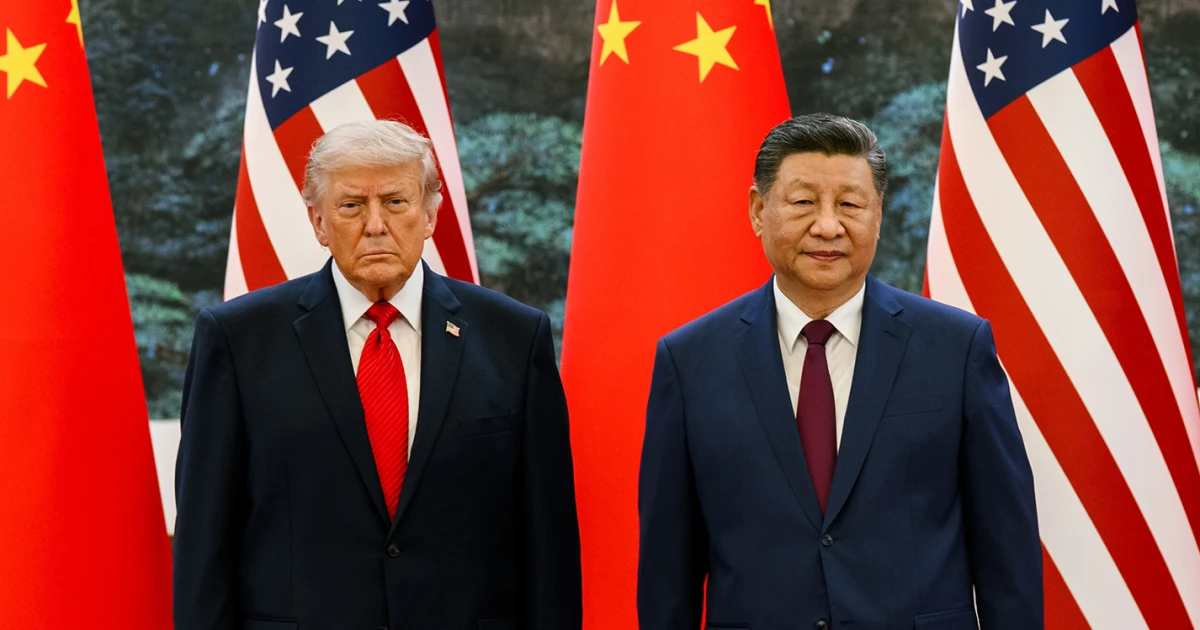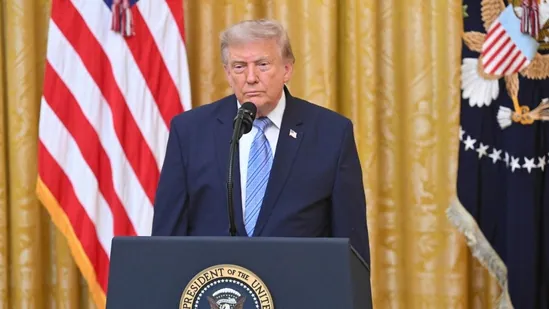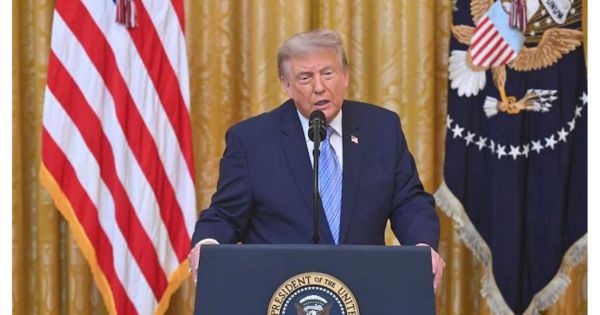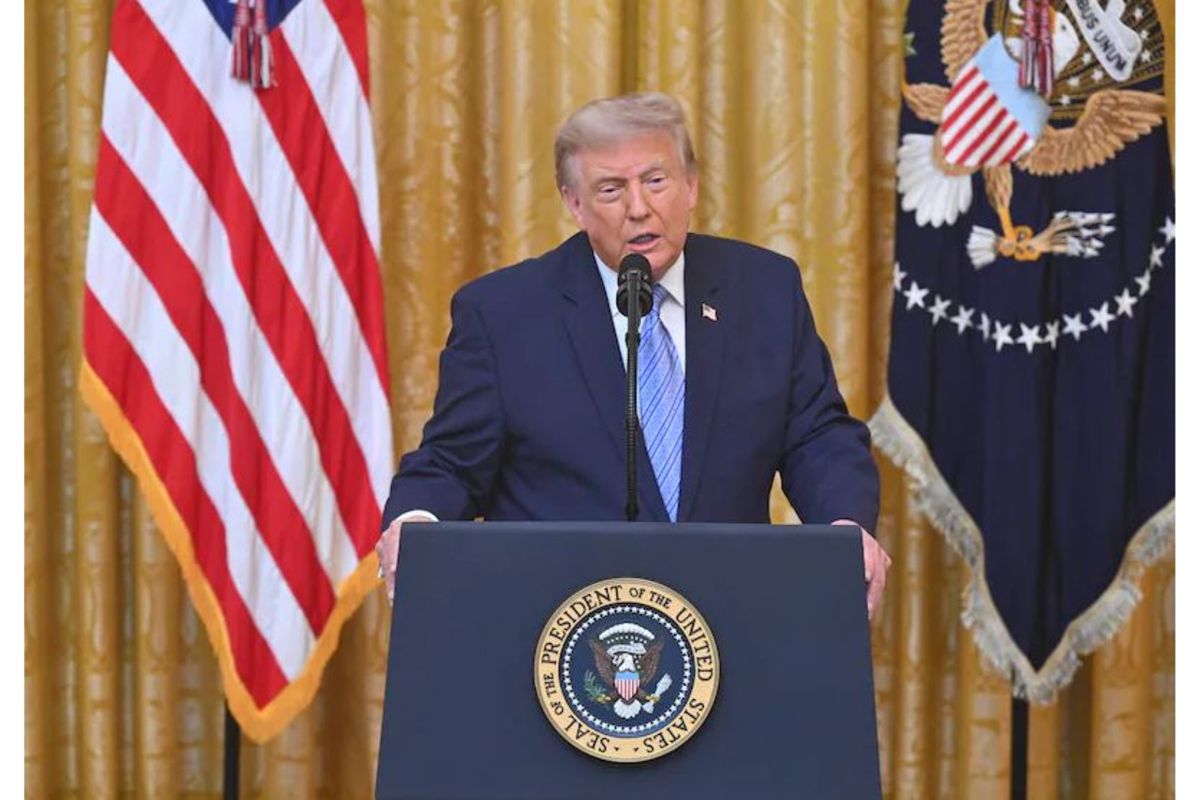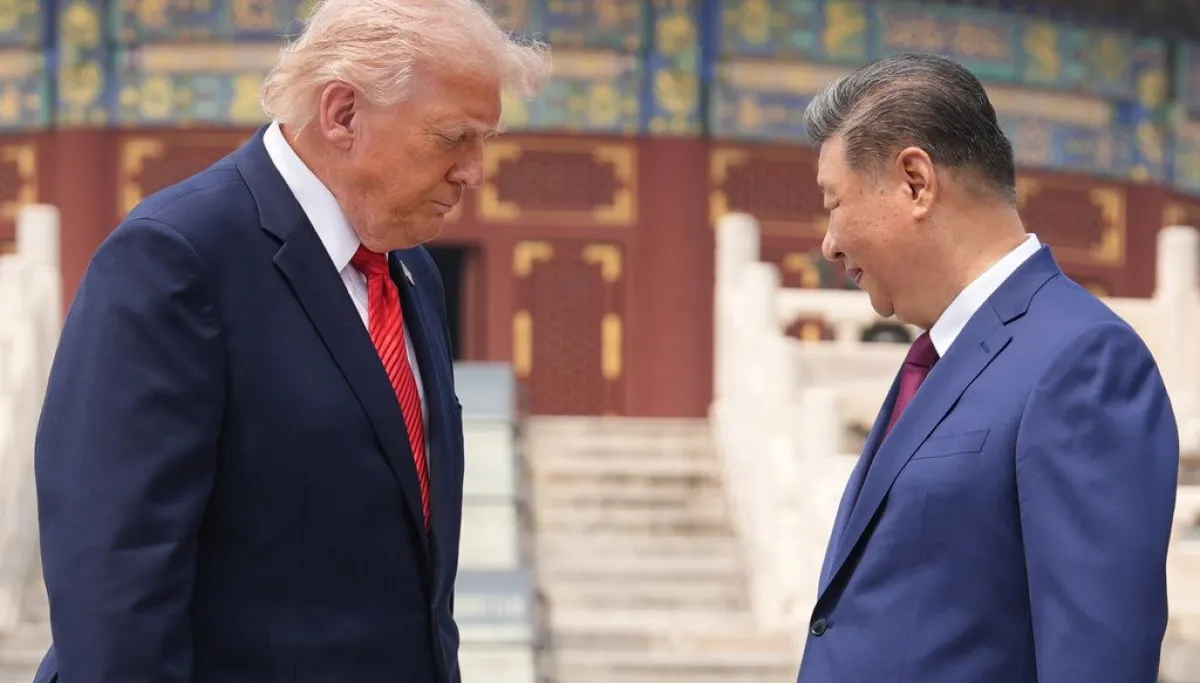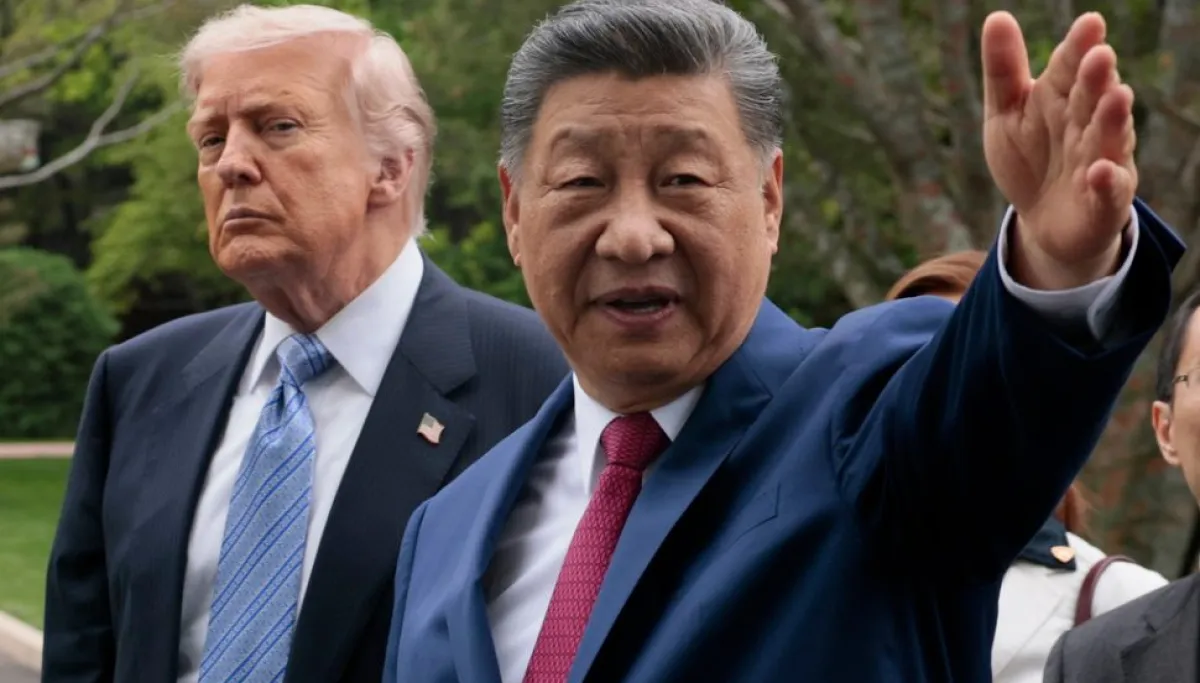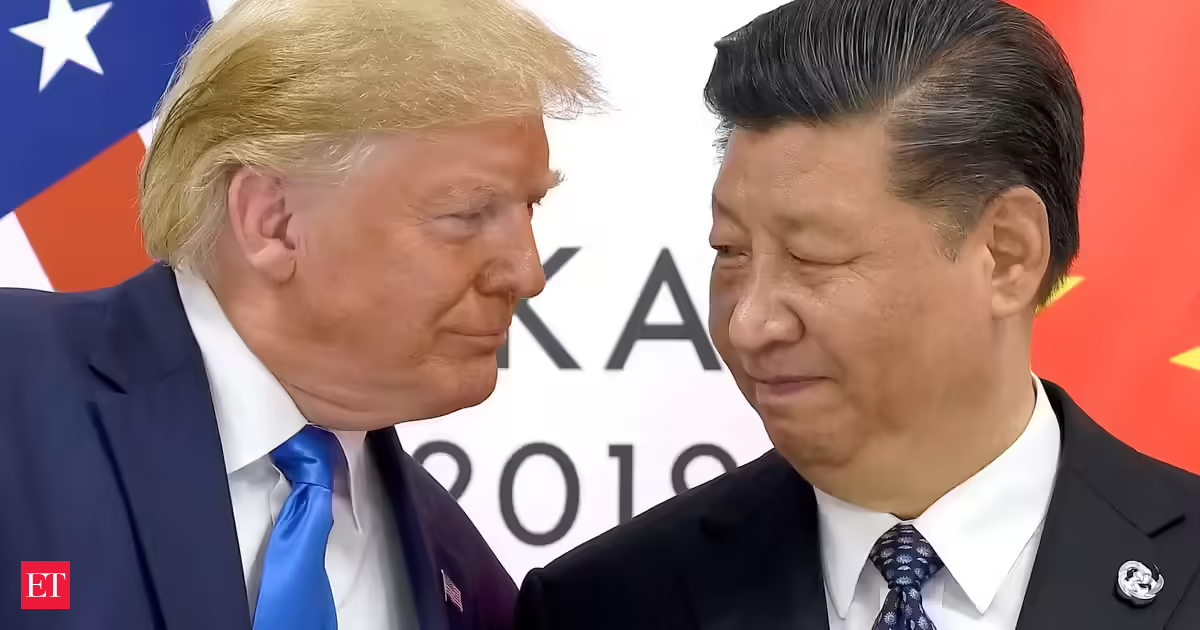
President Donald Trump has accused China of interfering with U.S. elections in 2020, a move that could destabilize the fragile trade truce between the two nations. This accusation, which emerges as Trump seeks to secure a victory in the upcoming 2026 midterm elections, has the potential to escalate diplomatic tensions. The U.S. and China are currently maintaining managed stability following a state visit by Trump to Beijing in May 2026, but Trump’s claims contradict previous U.S. intelligence assessments that found no evidence of foreign interference in the 2020 election. The rhetoric could threaten recent agreements on tariffs and agriculture, potentially affecting the likelihood of Chinese President Xi Jinping visiting the U.S. before the end of 2026.
Key Takeaways
Market participants appear to interpret Trump’s accusations as increasing diplomatic tensions with China, which may impact upcoming diplomatic engagements.
The probability of Xi Jinping visiting the U.S. before 2027 has decreased from 94% to 89% over the past week, suggesting increased uncertainty.
Recent developments in U.S.-China relations may indicate a shift in the diplomatic status quo, consistent with increased political friction.