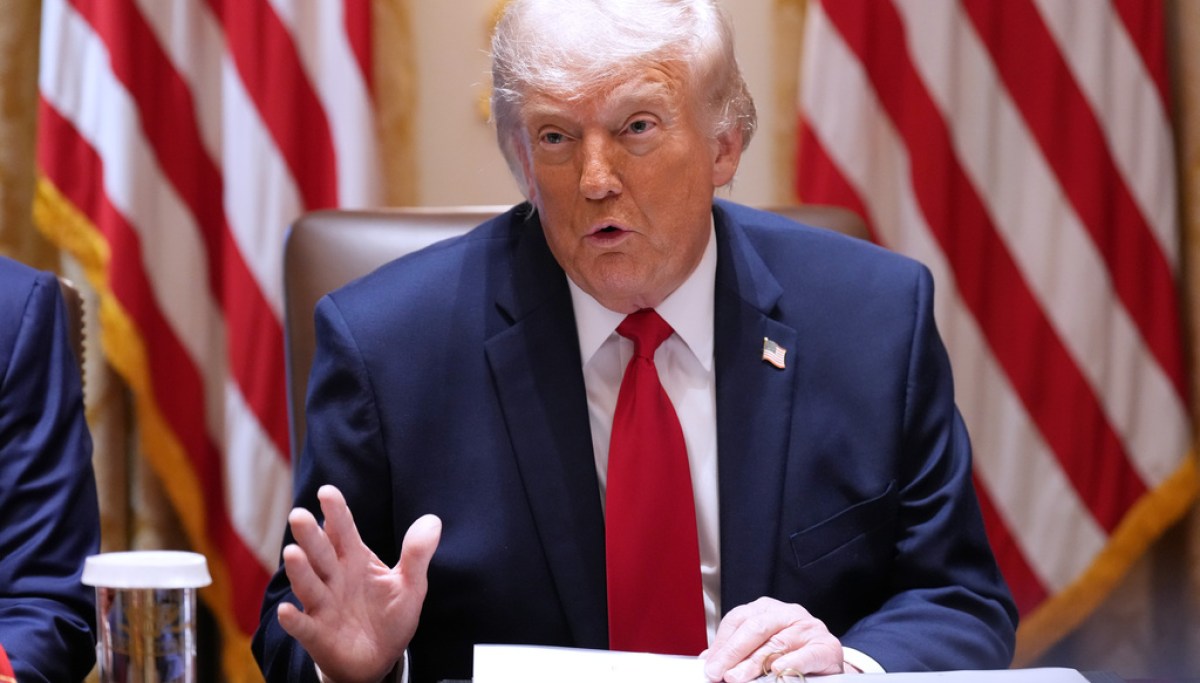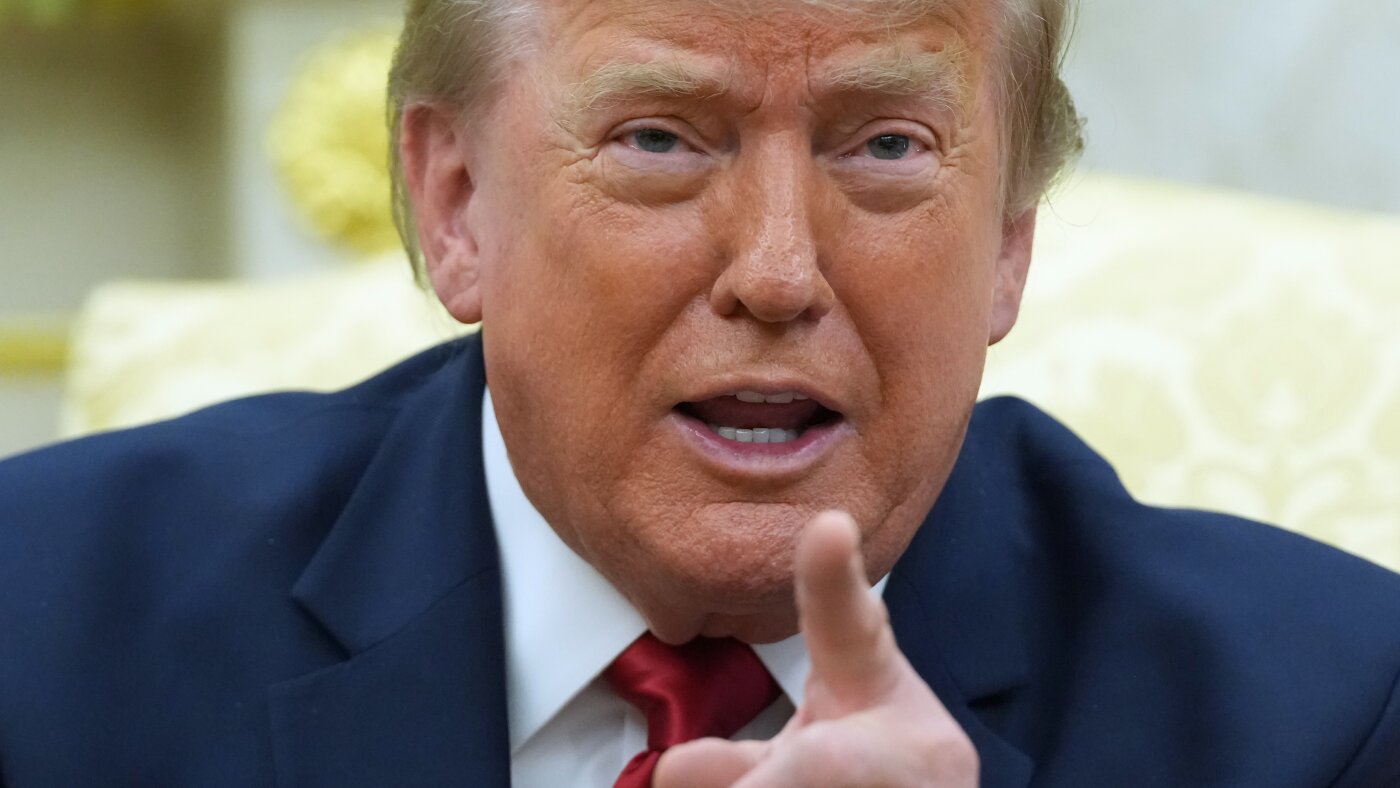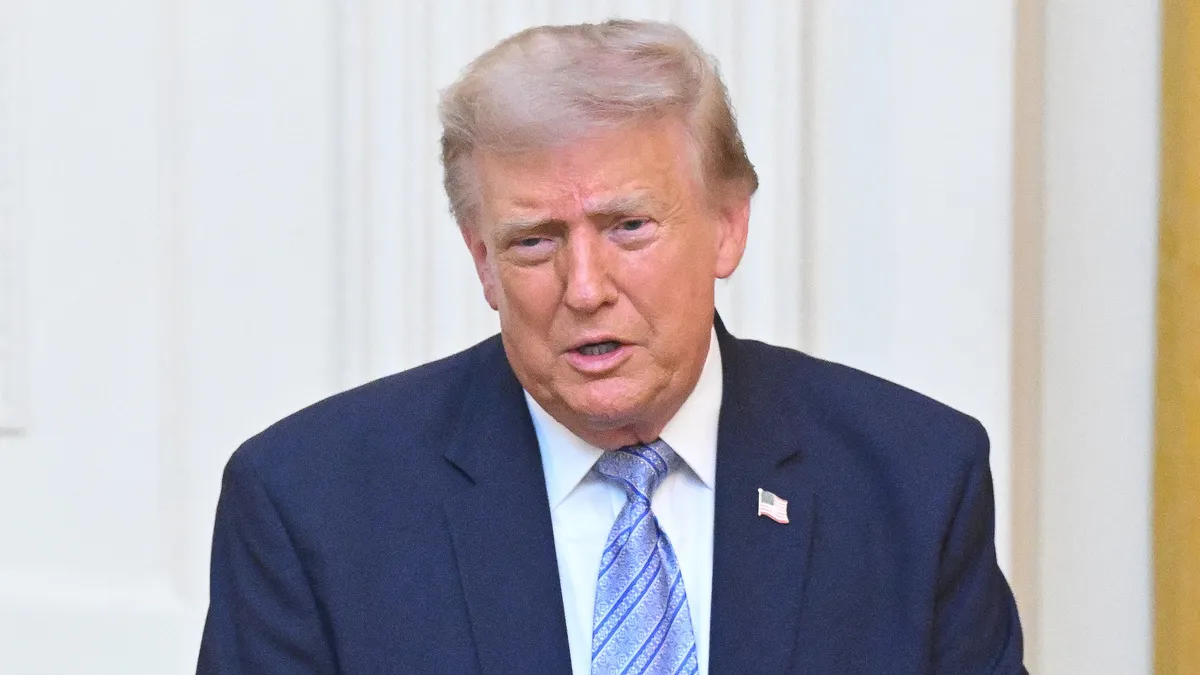
Show Caption
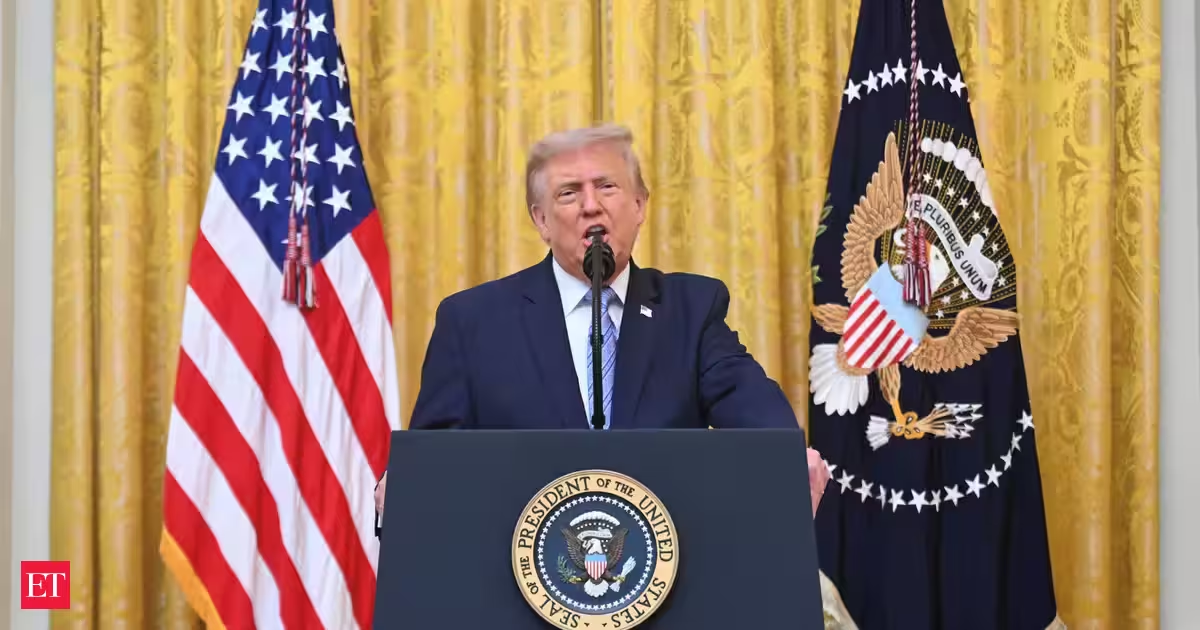
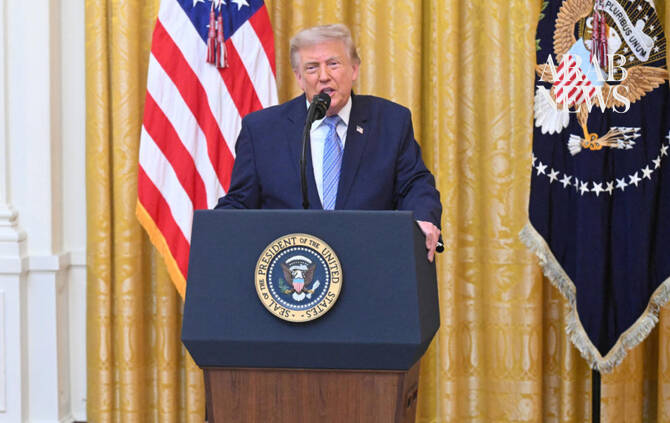
With 110 days to go before crucial midterm contests, President Donald Trump was naturally focused on the election in his primetime address to the nation.The election six years ago, that is.With rambling remarks and an ominous tone, Trump traced the U.S. election system from his 2020 defeat until now as "so broken and so vulnerable," blaming Chinese interference, mail-in ballots, "deep state" figures who suppressed evidence of problems and even TV networks that had declined to air his Thursday night speech live. Calling ABC and NBC "part of a plot," he said their licenses should be revoked."This is worse than any third-world country," Trump declared, dismissing with a mocking tone the mainstream conclusion that elections in the United States face challenges but show no signs of significant fraud. "There's no third-world country that has elections like we have."Despite announcing the declassification of a blizzard of documents, he provided no evidence that any U.S. election returns had been compromised − including the race he lost in 2020 but has long claimed without evidence was rigged against him.Georgia Sen. Jon Ossoff, a Democrat, called Trump "the world's most famous sore loser" delivering "a prime-time presidential sour grapes address."Meanwhile, Ossoff told reporters, "His war in the Middle East spirals out of control and the cost of living continues to rise for Americans across the country."Flanked by flags and standing in front of a gold curtain in the East Room, Trump set the stage for a less than four-month sprint to an Election Day likely to be difficult for Republicans. Democrats expect to regain control of the House of Representatives − putting them in a position to subpoena witnesses and launch investigations into the administration − and might even be able to win control of the Senate, too.Trepidation on what he said, what he didn't sayThe capital's trepidation about the president's address was bipartisan, albeit for different reasons.Senior Democrats accused Trump of using the speech to undermine faith in the election process that will unfold in November, when Republicans are expected to lose ground. Ty Cobb, a White House lawyer during Trump's first term, on the PBS "NewsHour" went further, saying he thought the speech was "intended to add the predicate that he needs to declare an emergency at or about the time of the elections."Some Republicans, especially those on the ballot this fall, worried not about what Trump said but what he didn't say − that he remains fixated on his past defeat rather than voters' current concerns about the cost of gas, food, housing and health care.In brief opening remarks, the president didn't acknowledge any economic concerns, describing the stock market as booming and noting inflation had eased last month. "We are doing great," he said.Trump spent even less time discussing the war in Iran, a conflict that has enmeshed the United States in a war with no easy exit."We won in Venezuela," he said. "We are likewise winning big in Iran, and you'll see the fruits of that labor very, very shortly."That echoed the president's assurances in his last primetime address to the nation, on April 1, when he lauded "overwhelming victories on the battlefield" and suggested the conflict would wind down after another two or three weeks of military strikes.That speech was on April 1, Day 33 of the war. For those keeping count, the address on July 16 was on Day 138.Presidential primetime addresses we have knownWhen Trump's primetime address was announced early in the week, many commentators and members of Congress assumed he would be talking about the war in Iran, now aflame again after a fragile ceasefire disintegrated.That would fit the general template for a White House primetime address − a venue typically reserved by presidents for announcements of the most consequential sort, to announce the start of a war or offer condolences after a national tragedy.This time, Trump decried the U.S. election system and demanded passage of the SAVE America Act, which would impose limits on those who could use mail-in ballots and require proof of citizenship to register to vote. "The only reason you wouldn't do it is if you want to cheat," he said.There's little chance the bill is going to pass, though. It's now stalled in the Republican-controlled Congress.Susan Page, the Washington Bureau chief of USA TODAY, has interviewed 10 presidents and covered 12 presidential elections. Her latest book is "The Queen and Her Presidents," published in April by Harper.