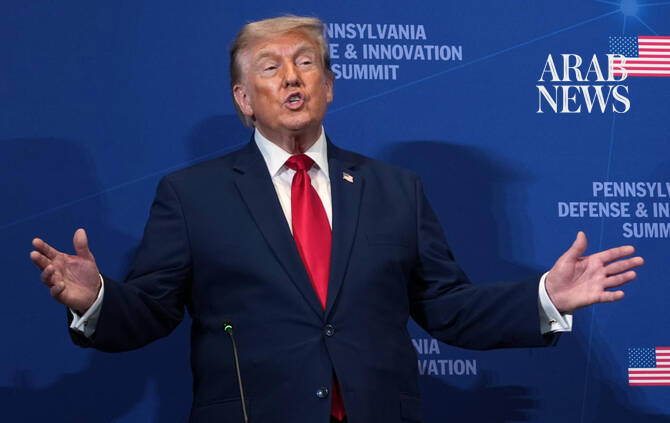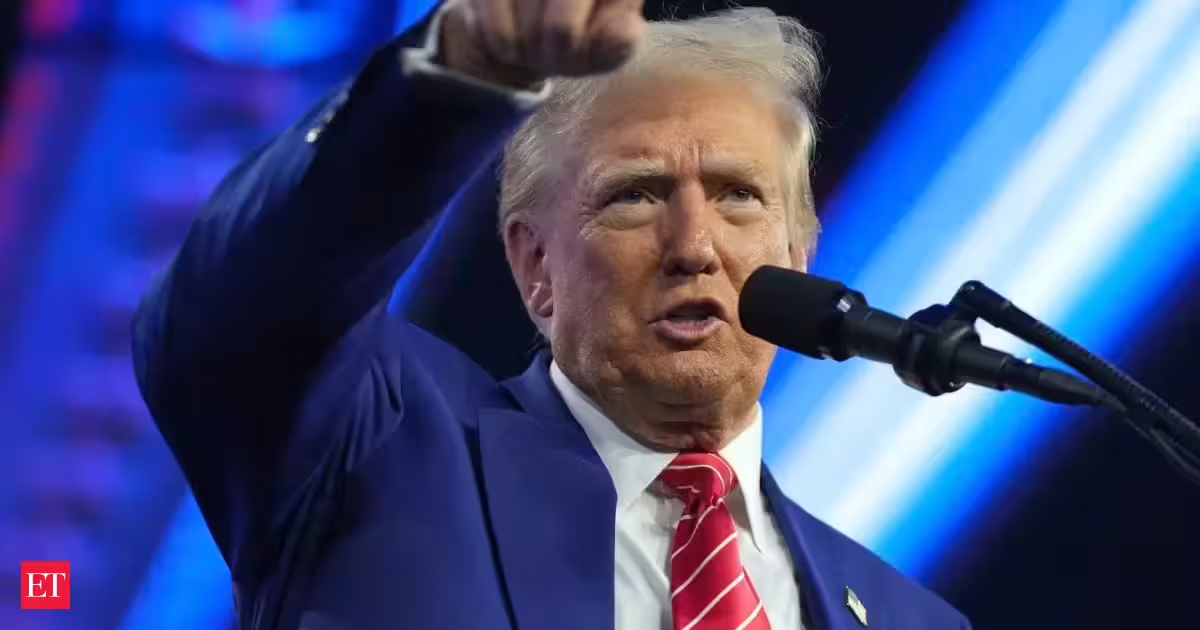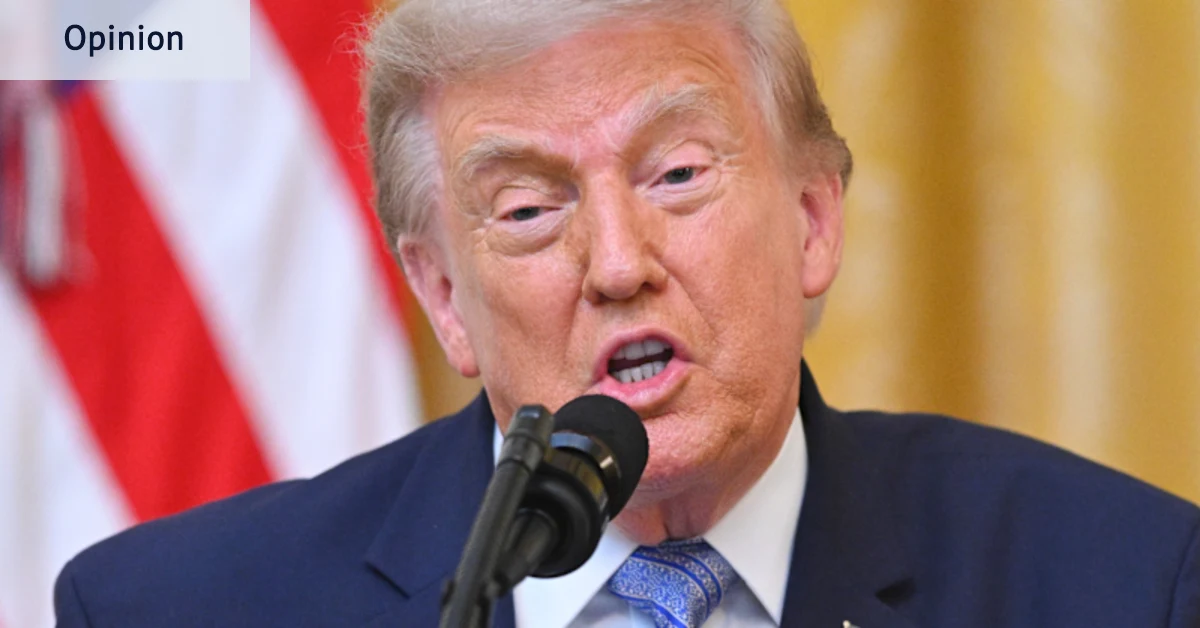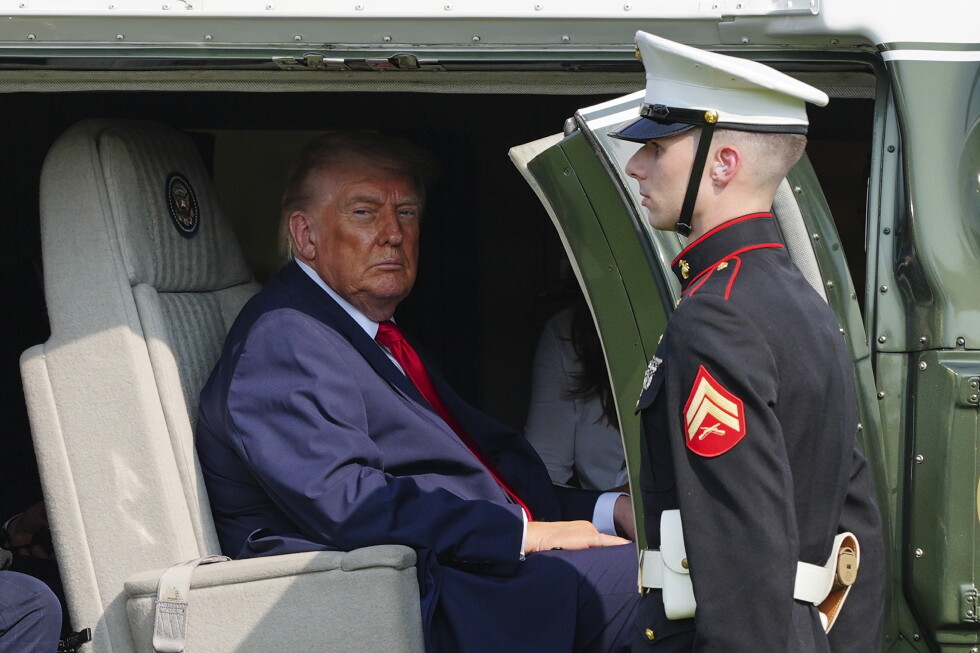
President Donald Trump has passed up multiple chances to explain to Americans how his latest escalation will win the war in Iran or how he’ll alleviate their perpetually high costs for groceries, housing and fuel.
Now he’s planning to anchor a national address Thursday evening on a personal fixation about the past — his false claim that he won the 2020 election.
Critics fear this is all part of a quickening effort to buckle trust in voting systems and to create a pretext to use federal powers to sway November’s midterm elections. It would not be the first time that this president — who convention states should seek to bolster American democracy — has instead undermined it.
“It doesn’t get bigger, because without free and fair elections, you don’t have a country,” the president said Wednesday as he previewed his speech. “We’ll be discussing other things too, but it’s going to be a very big announcement.”
Trump’s rising drumbeat of warnings is broadening unease that he’s not just recycling claims about the 2020 election that were debunked by multiple courts, state Republicans and even his first-term administration. Trump, as he has in the past, seems to be building a fallback narrative if the Republican Party fares poorly in November and to portray any election that he doesn’t win, as, by definition, unfair.