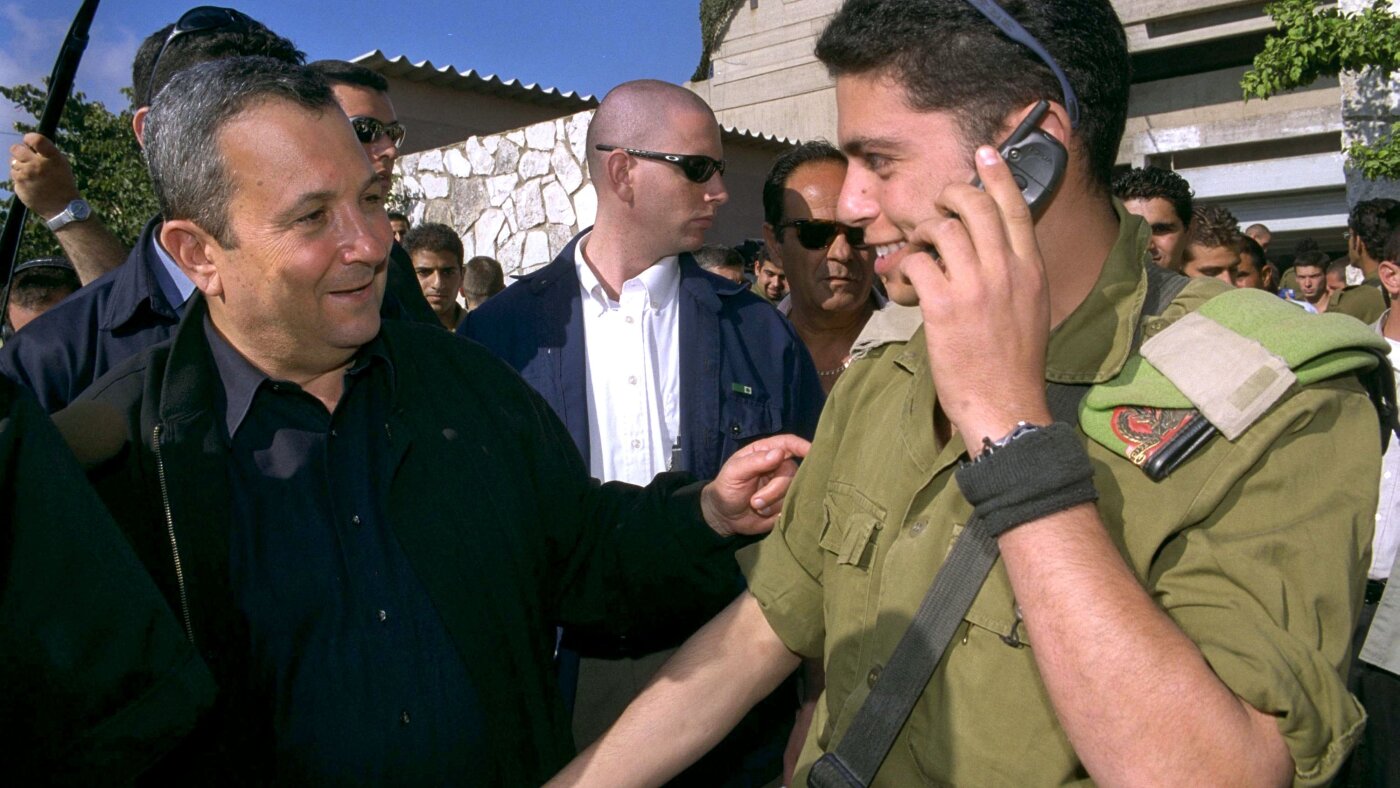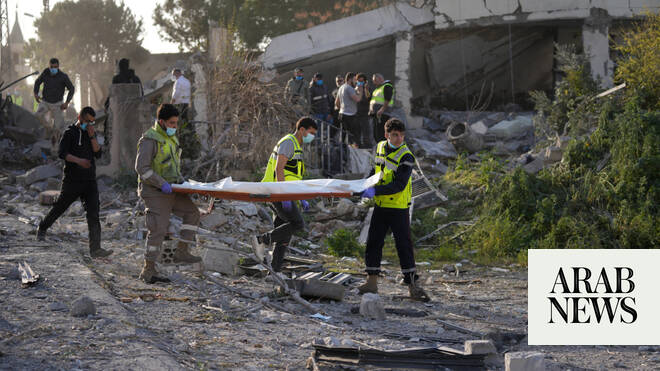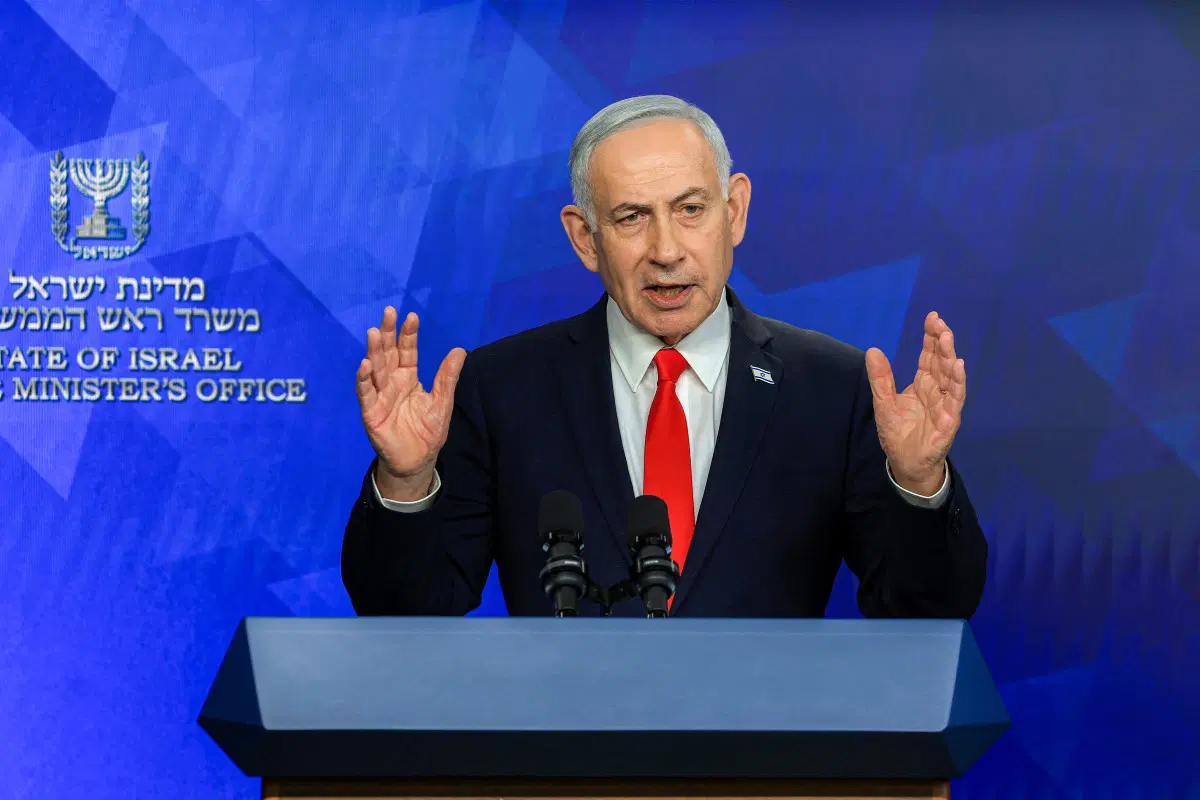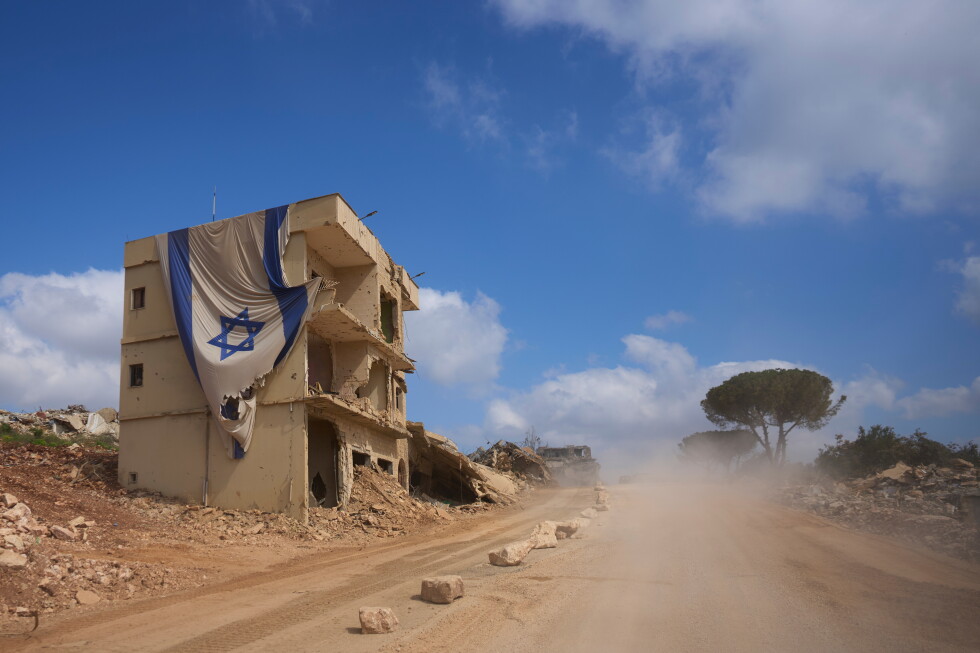
JERUSALEM (AP) — It was just before sunrise when the last columns of Israeli tanks crossed from Lebanon back into Israel and then-Prime Minister Ehud Barak, who ordered the withdrawal, said the homecoming of Israeli troops sent “shivers down his spine.”That was May 24, 2000, the day Israel ended its 18-year occupation of southern Lebanon. By then, many Israelis had grown to view the invasion — initially aimed at ousting Palestinian militants — as a strategic failure, akin to the U.S. military quagmire in Vietnam. Now, 26 years later, Israel is again occupying much of southern Lebanon, and while polling shows that a majority of Israelis currently support an extended military presence in Lebanon, some, including Barak, who remember the pitfalls of the last occupation, are afraid that Israel is falling into the same trap.“Our very presence will become the only goal,” Barak said in a recent interview, recounting what he said he thought of the occupation in 1985, when he was a general in the Israeli military, and Israel was shifting from active fighting to long-term deployment in Lebanon. “We will protect our fortresses, we will protect our convoys of supply, the logistics, the patrols, everything,” he said he warned. “But we were not serving Israeli security, we were not serving the state. There was no logic to this in 1985, and there was no logic in 2000, when we pulled out.”
A former prime minister who led Israel out of Lebanon fears mistakes are being repeated
Israel has again occupied much of southern Lebanon, 26 years after ending its 18-year occupation. Many Israelis now support this presence, but some, including former Prime Minister Ehud Barak, fear repeating past mistakes.
1,248 words~6 min read