By providing an email address. I agree to the Terms of Use and acknowledge that I have read the Privacy Policy.
Rice consumption in the Philippines has shifted significantly over the past seven decades because of population growth, dietary substitution, statistical methodologies and policy choices.
While the country was self-sufficient in rice from the 1960s through the 1990s, the turn of the millennium marked a structural shift toward deficits and import dependence.
This paper reviews historical consumption and production data, examines the methodological basis of per capita rice consumption estimates and discusses flaws in the Supply Utilization Accounts (SUA) method. By reconciling statistical overestimation with actual consumption patterns, the study identifies the roots of over-importation and proposes policy options that combine demand management, yield improvement and diversification of staple diets.
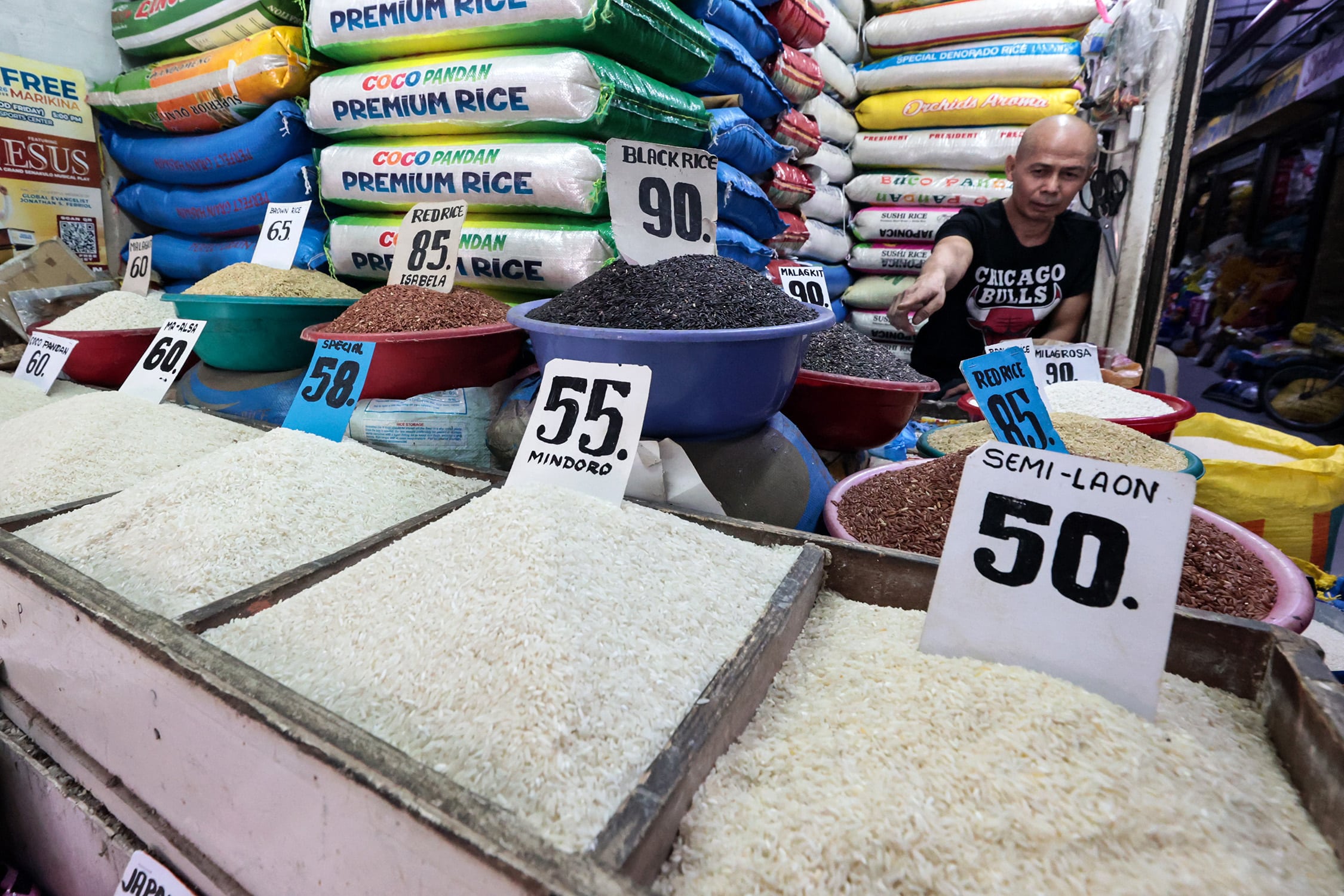
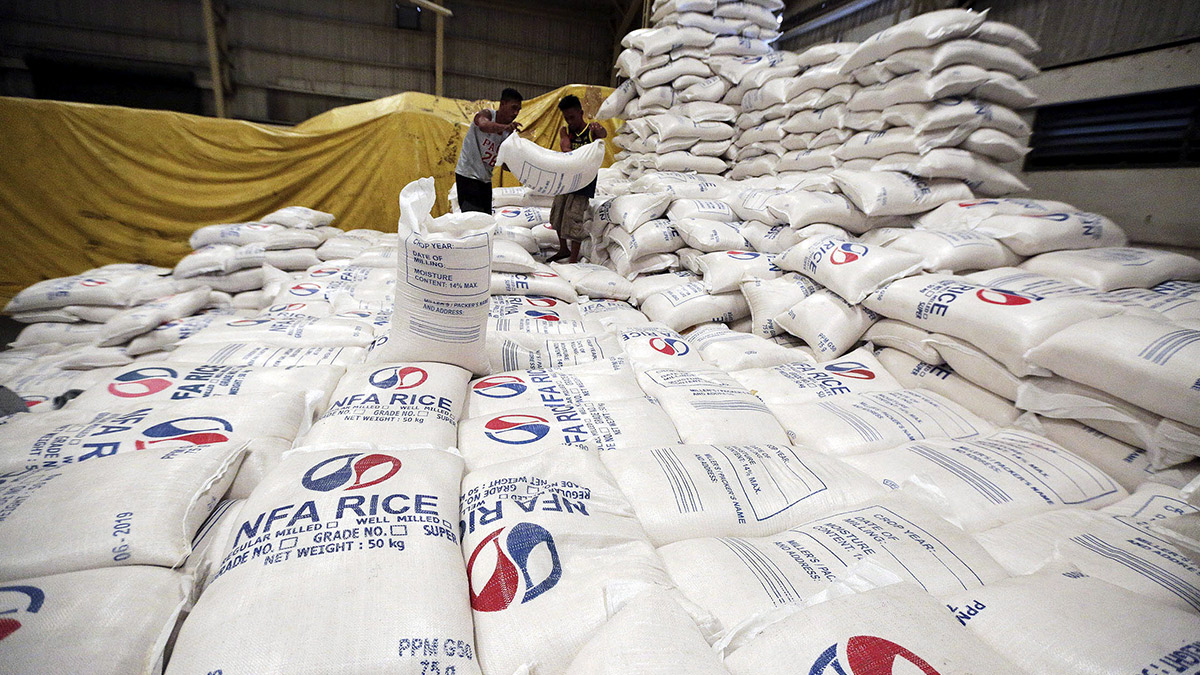
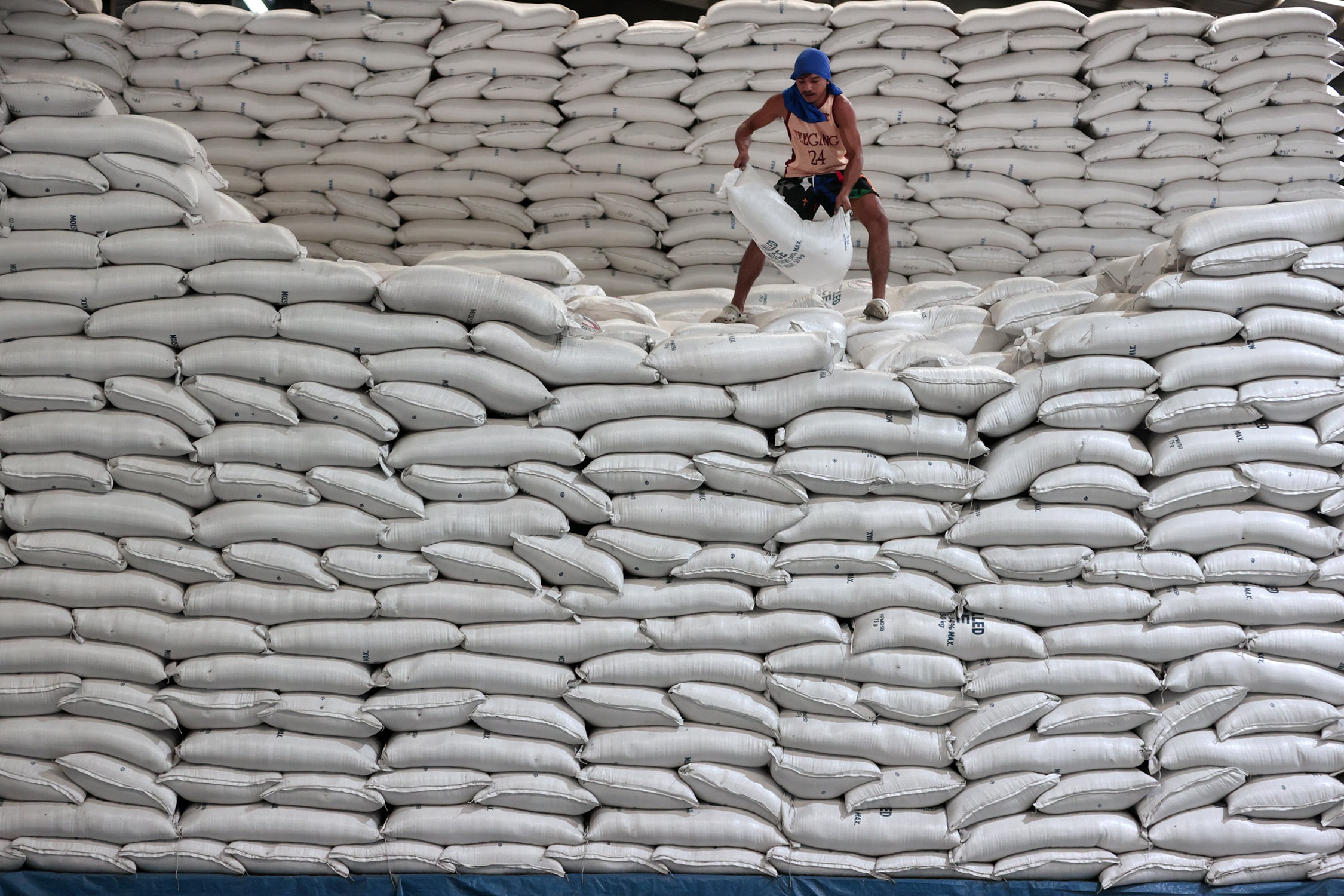
Rice is not merely a staple food in the Philippines. It is a political commodity that shapes national policy, farmer livelihoods and household food security.