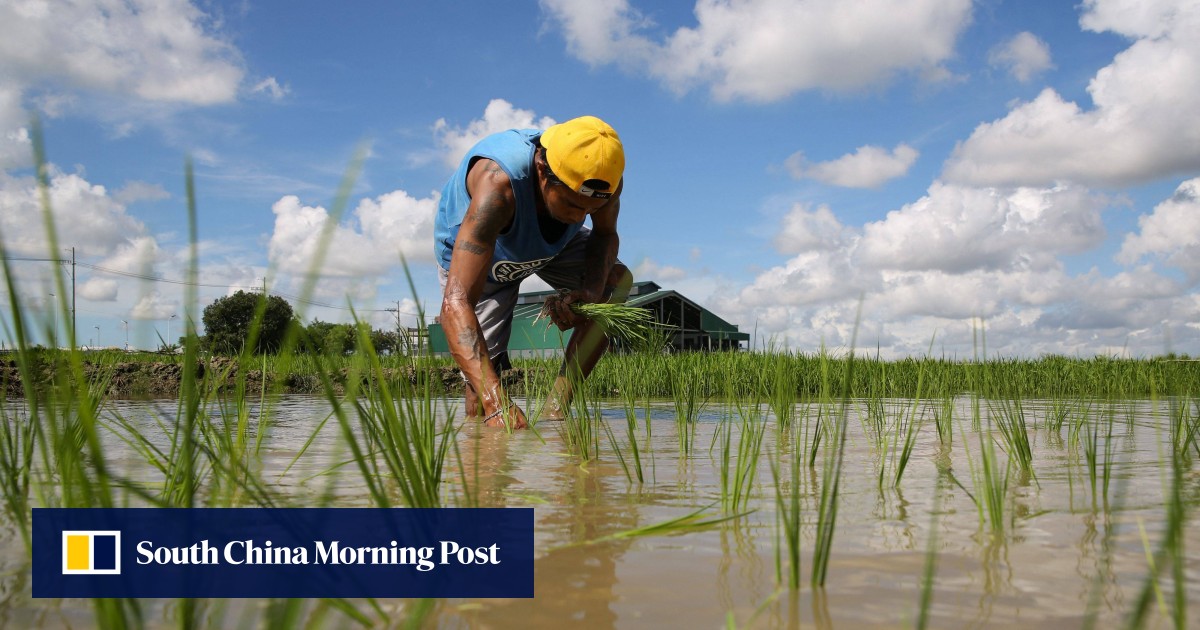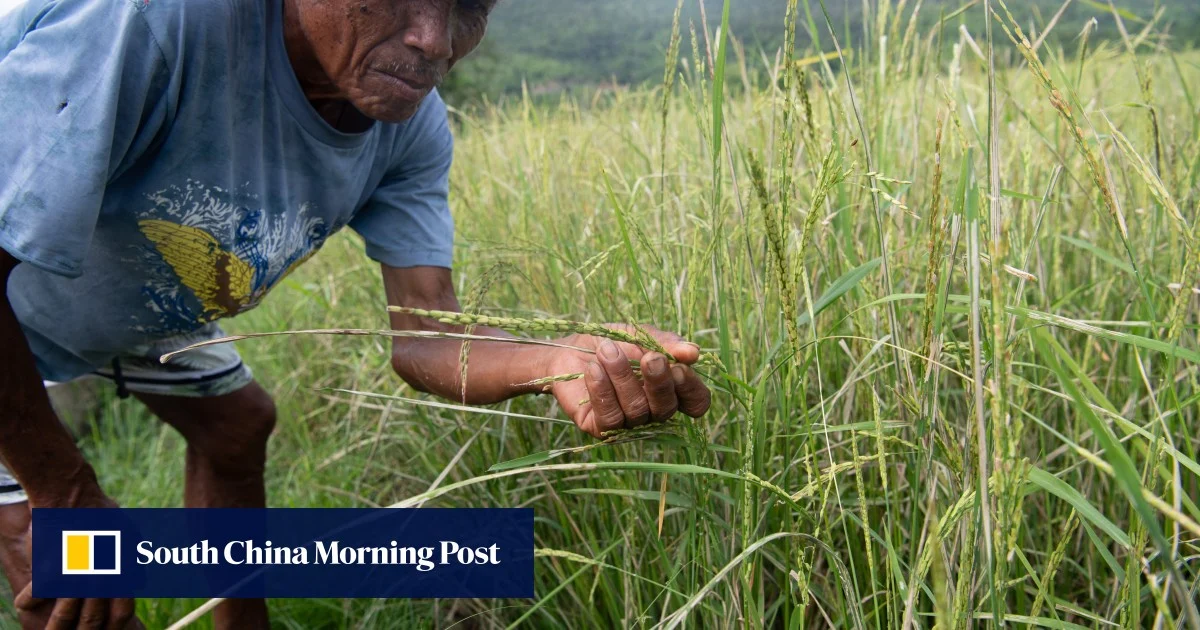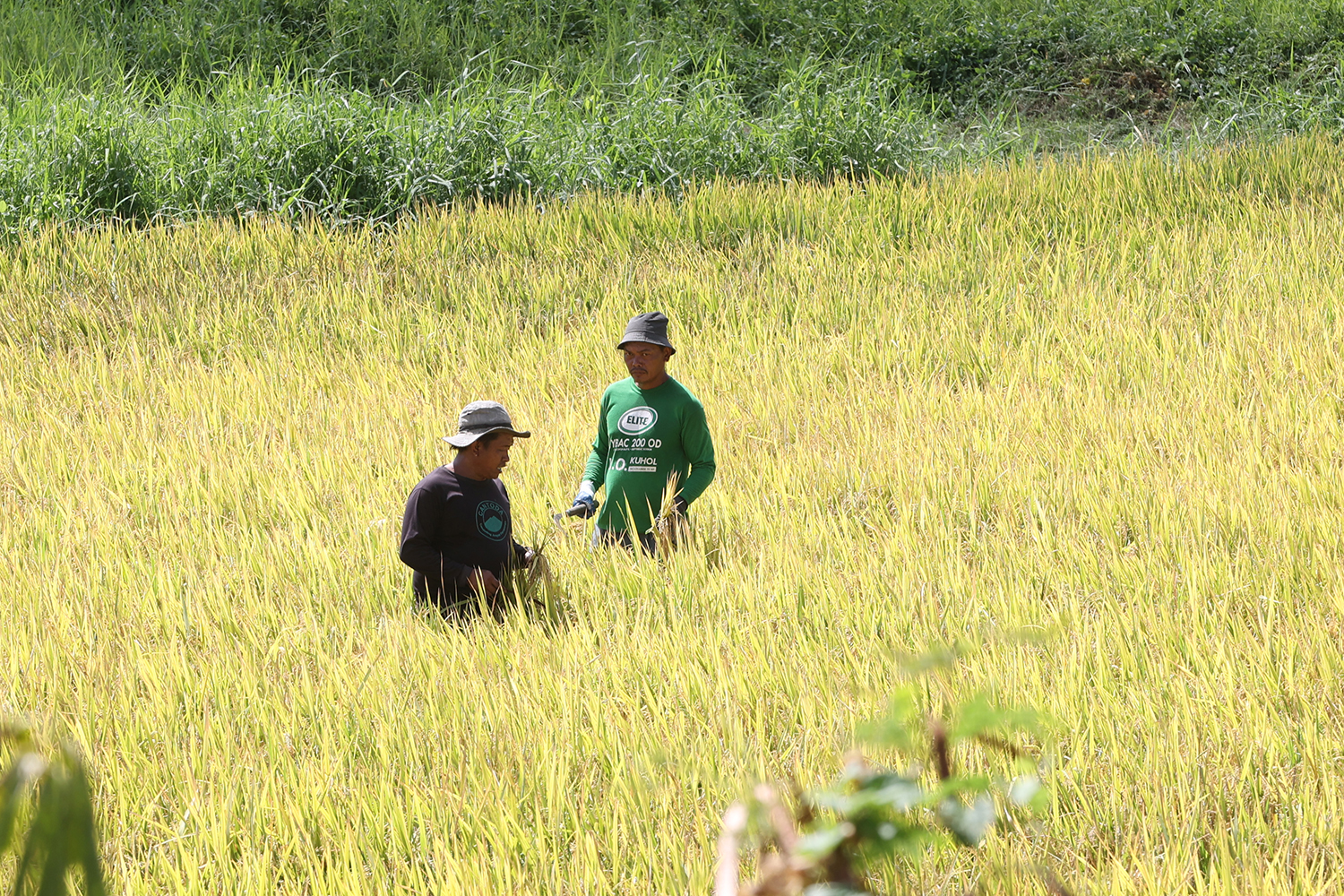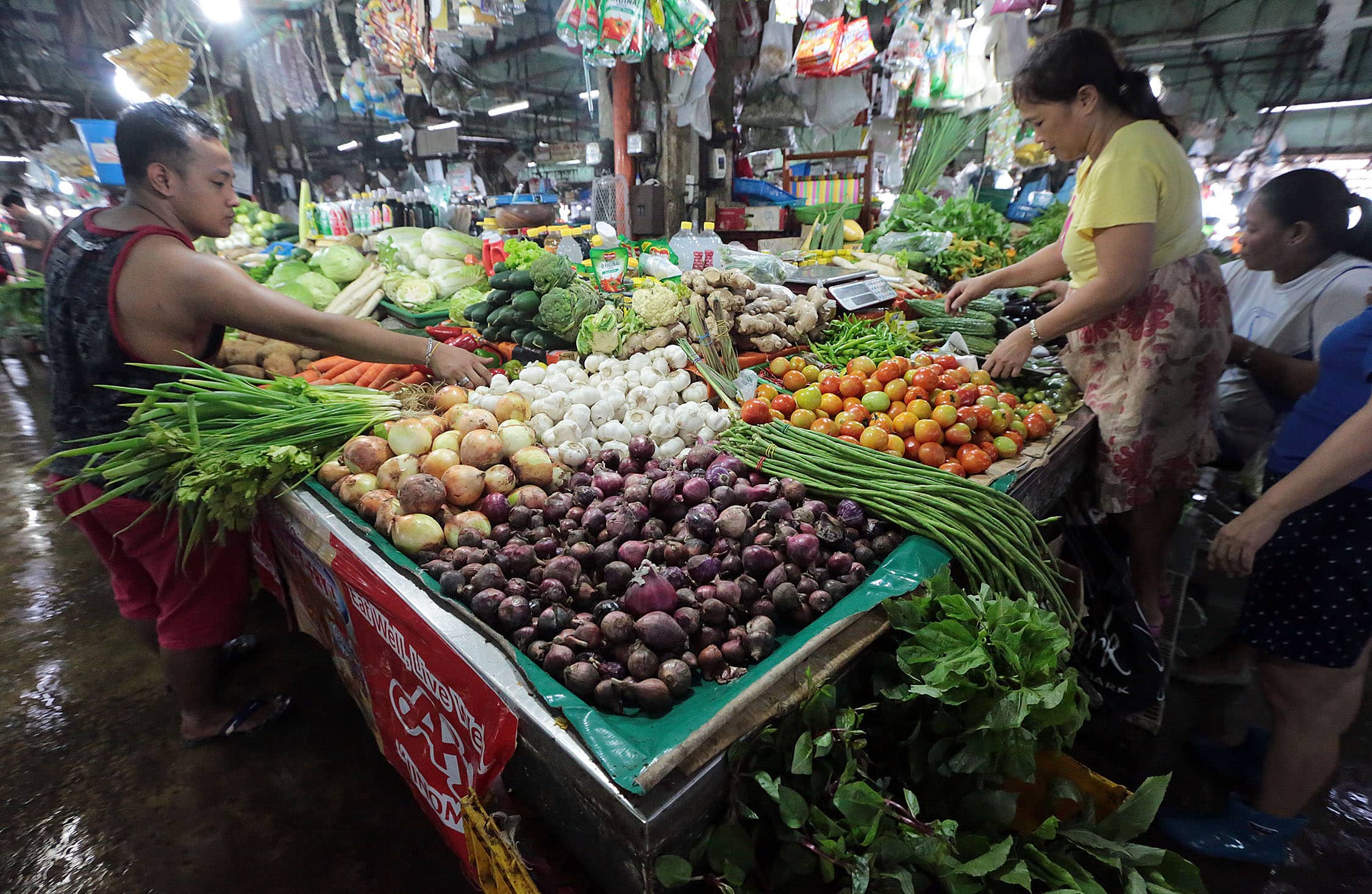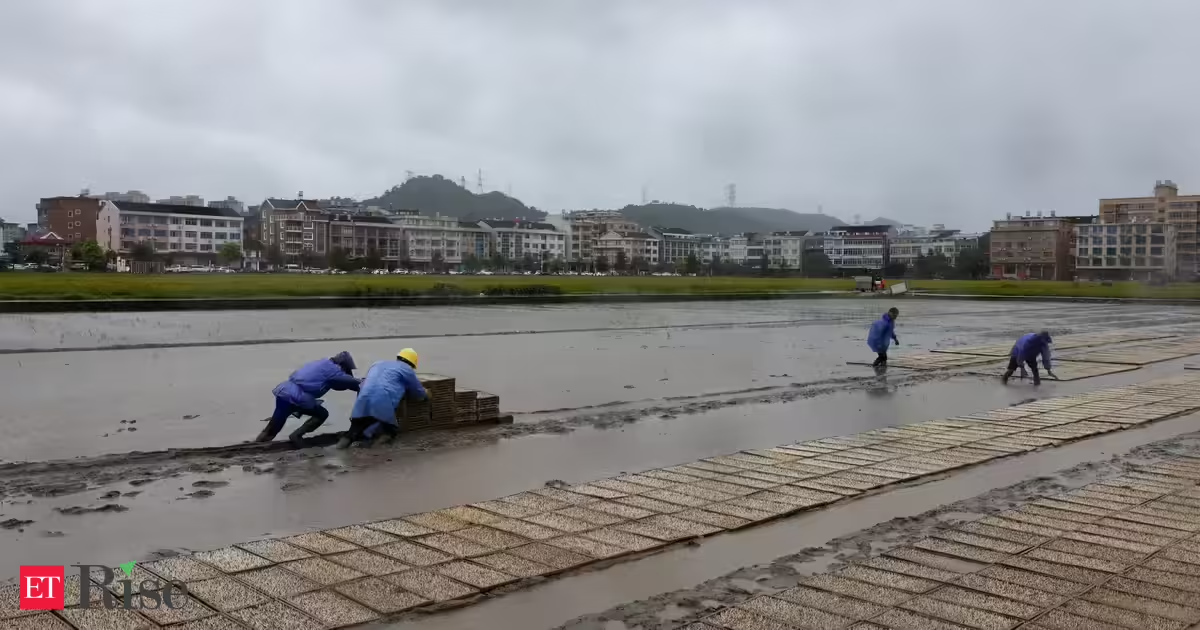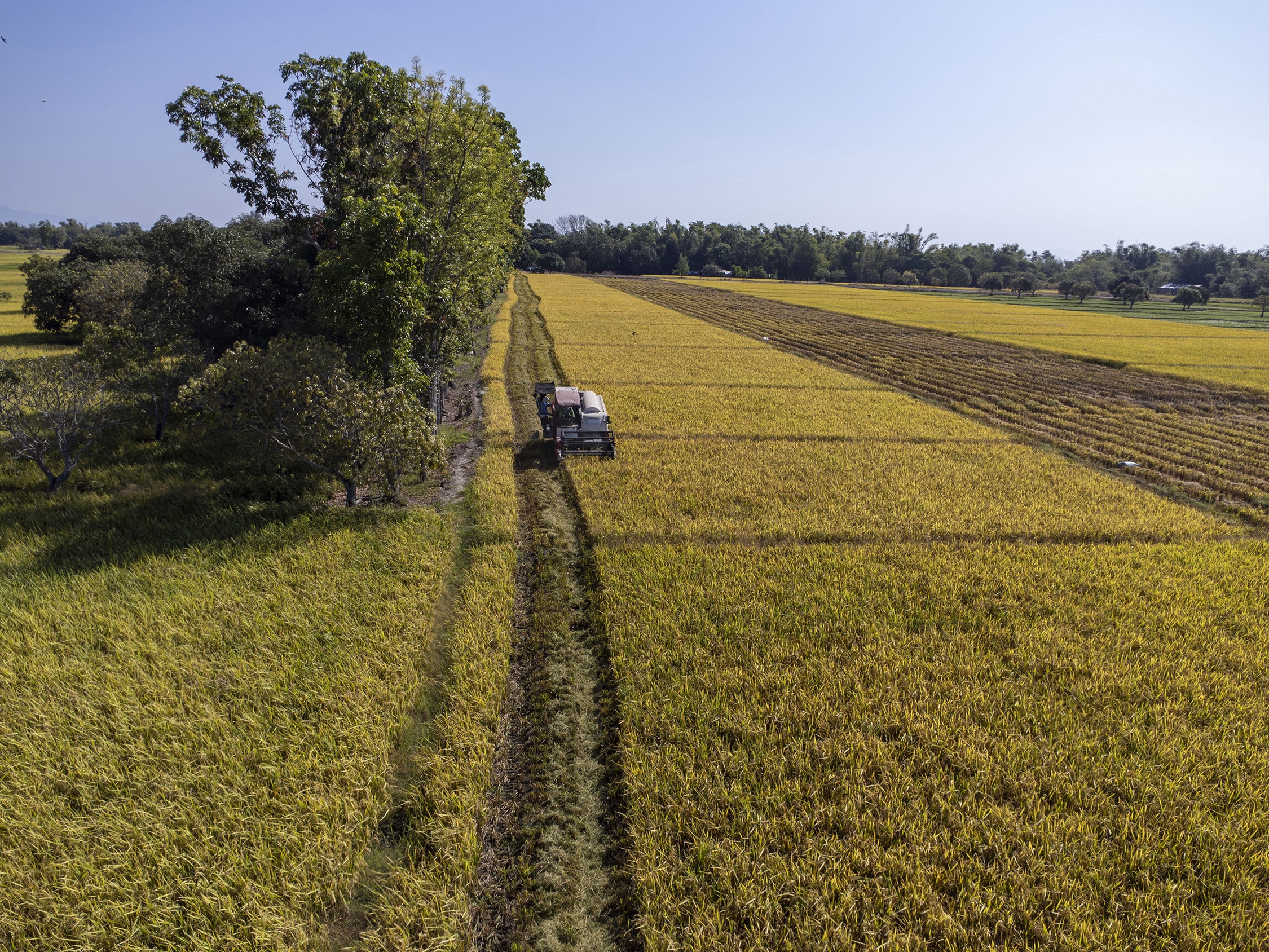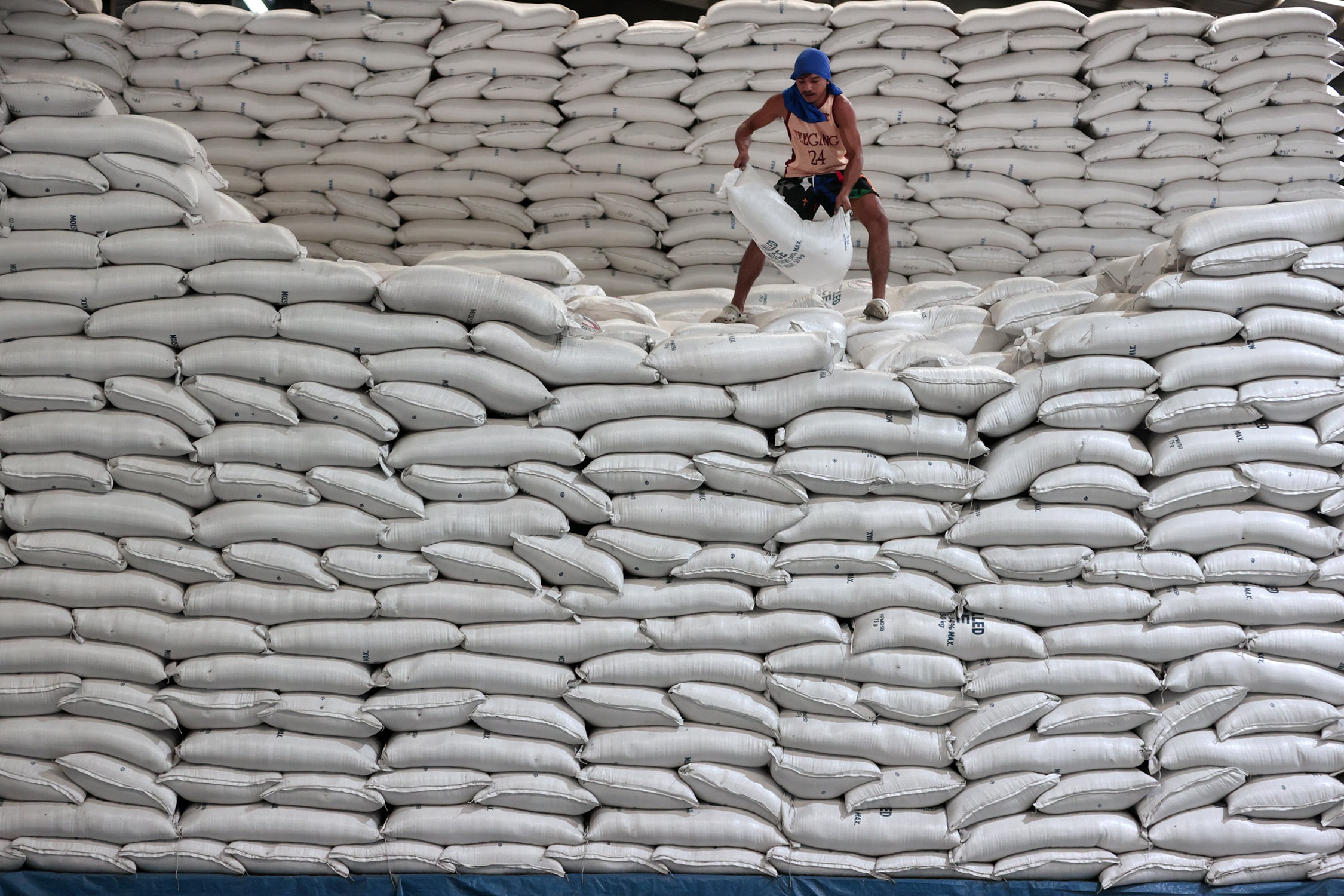
Every day, Filipinos wake up to another looming crisis. An El Niño is expected to reduce harvests. A typhoon threatens crops before they can be harvested. Water shortages and an energy crisis drive up production costs. We immediately feel these crises in our wallets as food prices climb. But behind every spike in the price of rice, vegetables, and other staples are the farmers who grow our food. As climate change makes farming increasingly difficult, they need greater flexibility to adapt, not more restrictions.
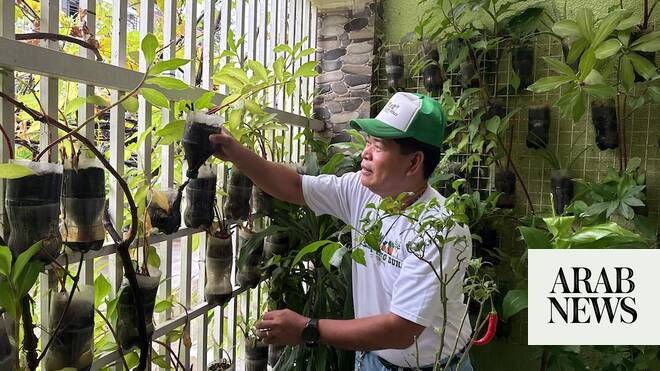
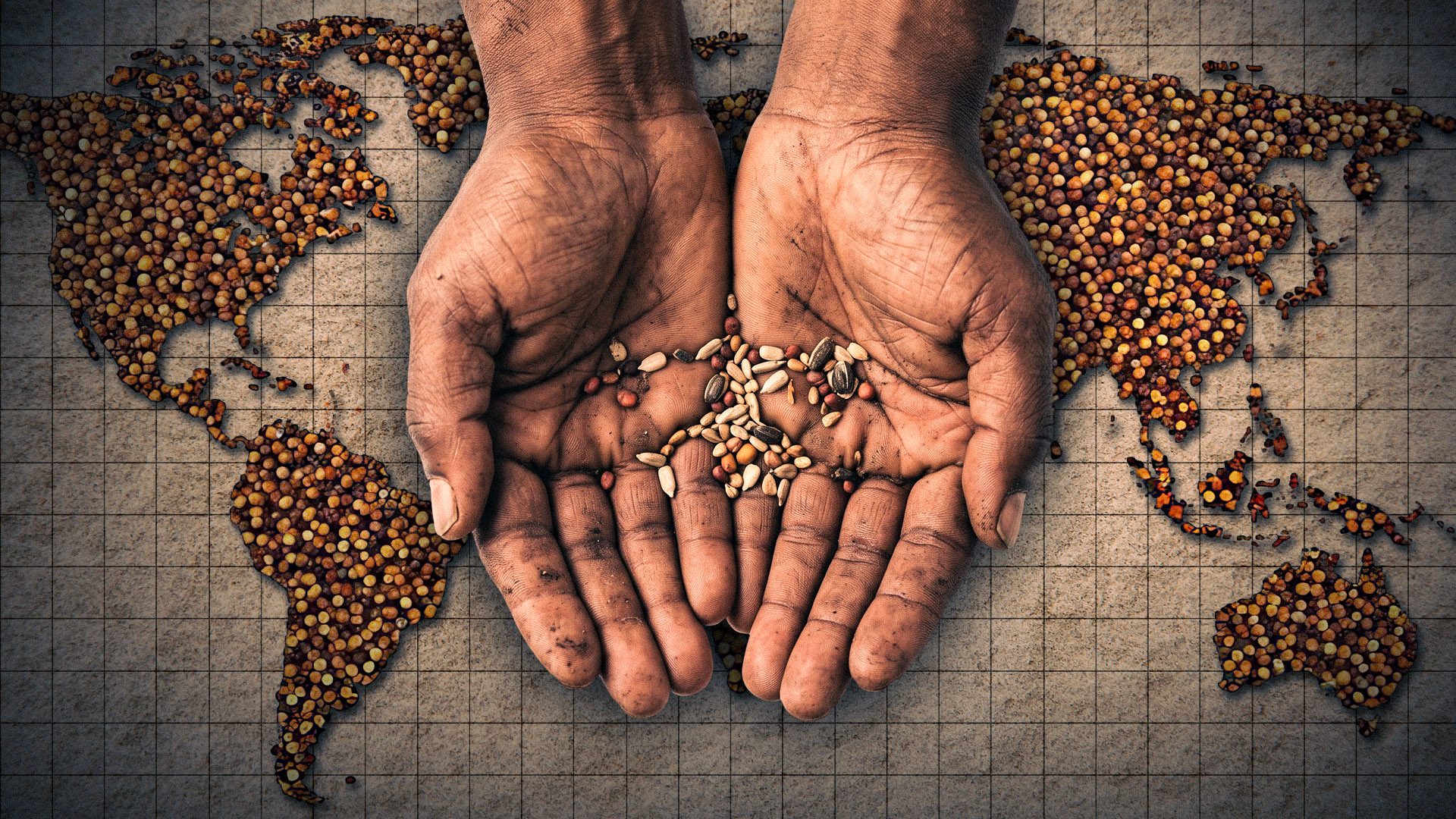
For generations, Filipino farmers have survived by saving seeds from one harvest, exchanging planting materials with neighbors, and selecting the varieties that perform best under local conditions. These practices have helped communities cope with droughts, floods, pests, and changing weather while conserving the country’s rich agricultural biodiversity.
Yet a provision being negotiated under the proposed EU–Philippines Free Trade Agreement could gradually undermine these practices and may be quietly entering through the backdoor. Tucked within the agreement’s Intellectual Property chapter is a proposal that would require the Philippines to align its plant variety protection system with UPOV 1991, an international convention that gives stronger rights to commercial plant breeders, but offers far less space for the traditional seed-sharing systems that many Filipino farmers continue to rely on.