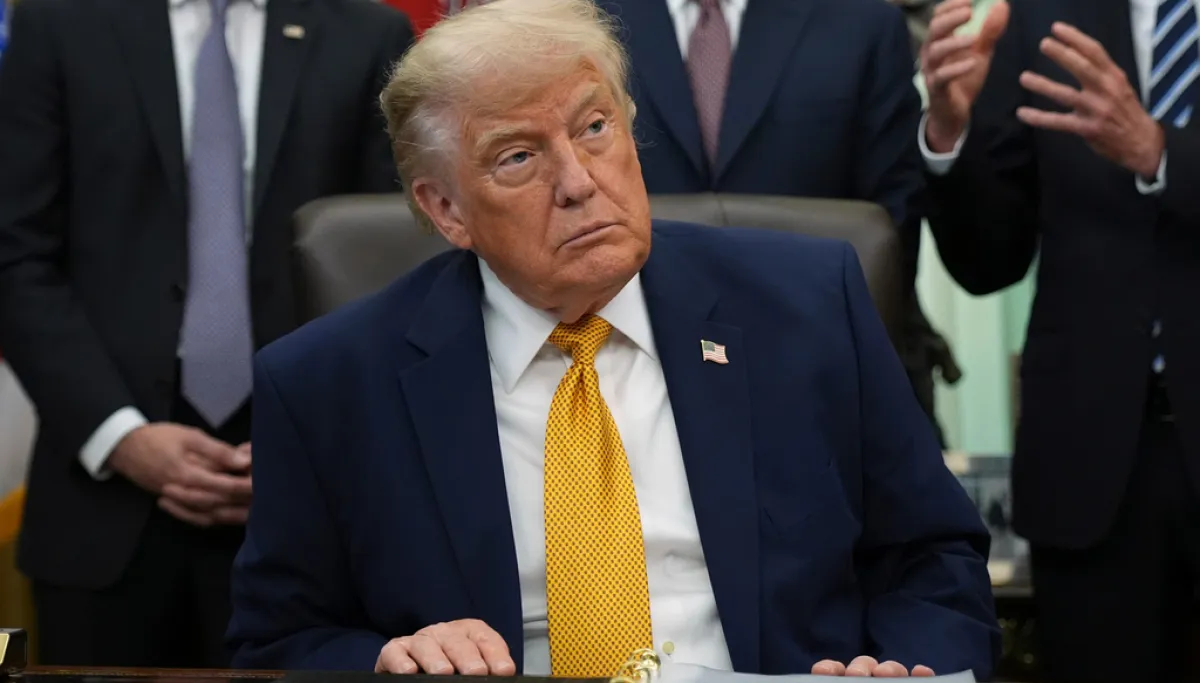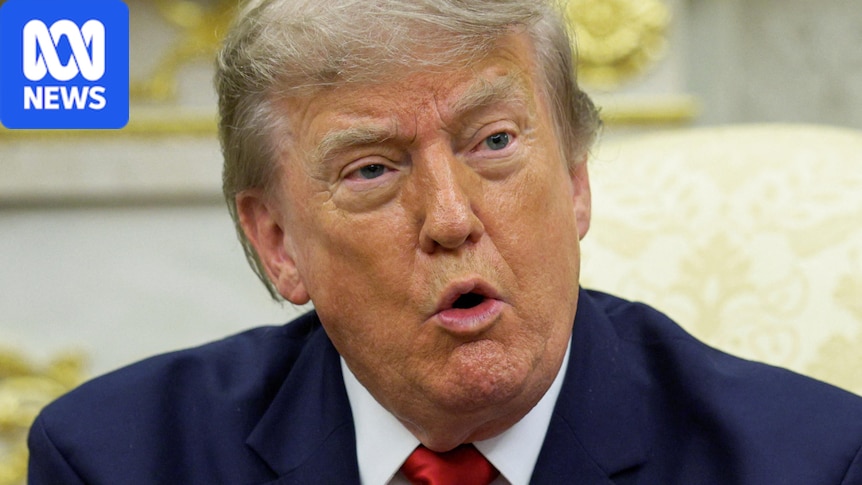
It is the ultimate sanction. But somehow for President Donald Trump – who once sought a Nobel Peace Prize for ending wars – military force has become a casual measure, a kind of background effect used to cajole Iran into diplomacy.
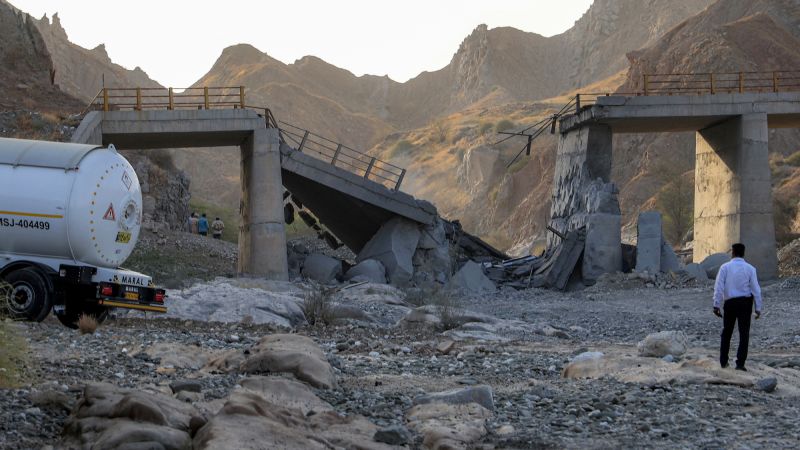
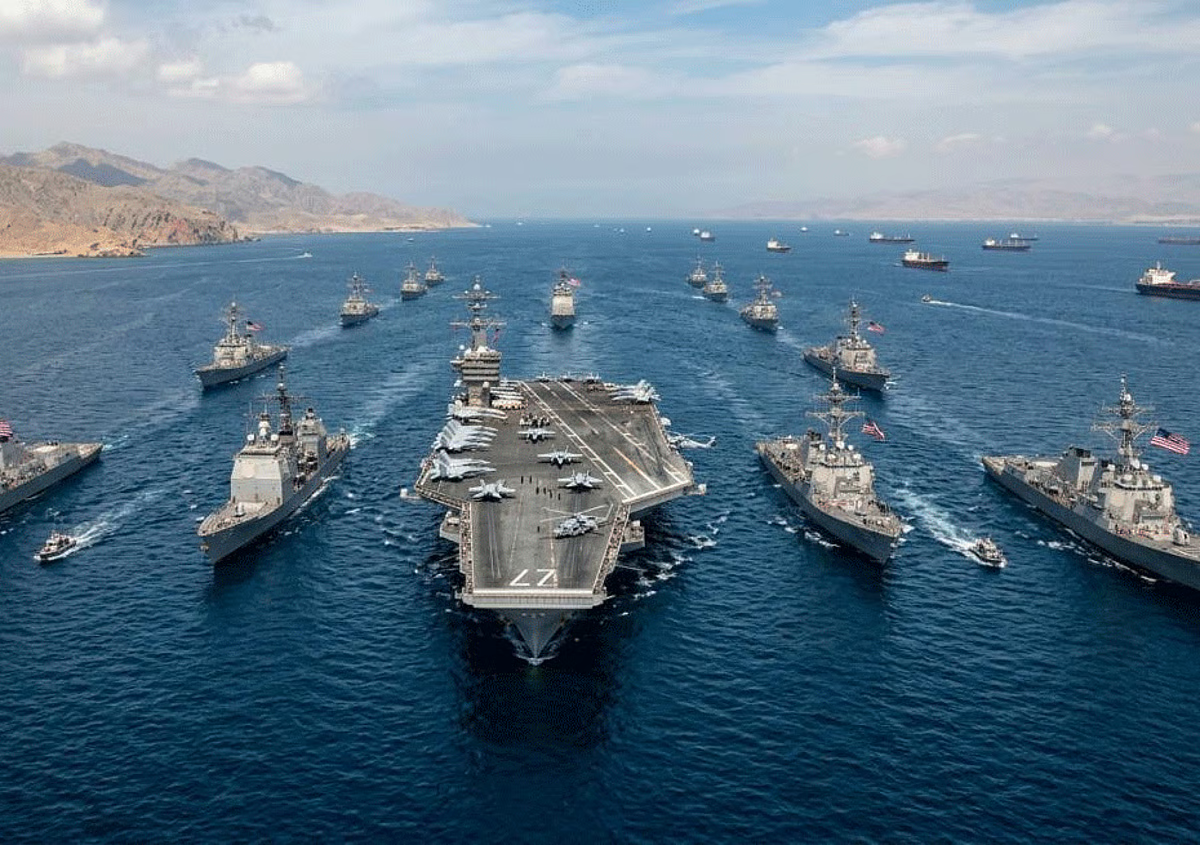
Deploying the largest military machine in history is the most serious task faced by the United States’ commander-in-chief. The Pentagon may have reduced public information about US casualties and damage to its facilities, but both remain a risk and a reality. Dozens of Iranians have died since the last bout of strikes and counterstrikes began, and thousands since February.
Normalizing violence should, in itself, be a red line, and its resumption or threat not reduced to a throwaway remark. The disruptive powers of the Trump administration can bring real –- perhaps unintended –- benefits, and the president’s approach is certainly novel.
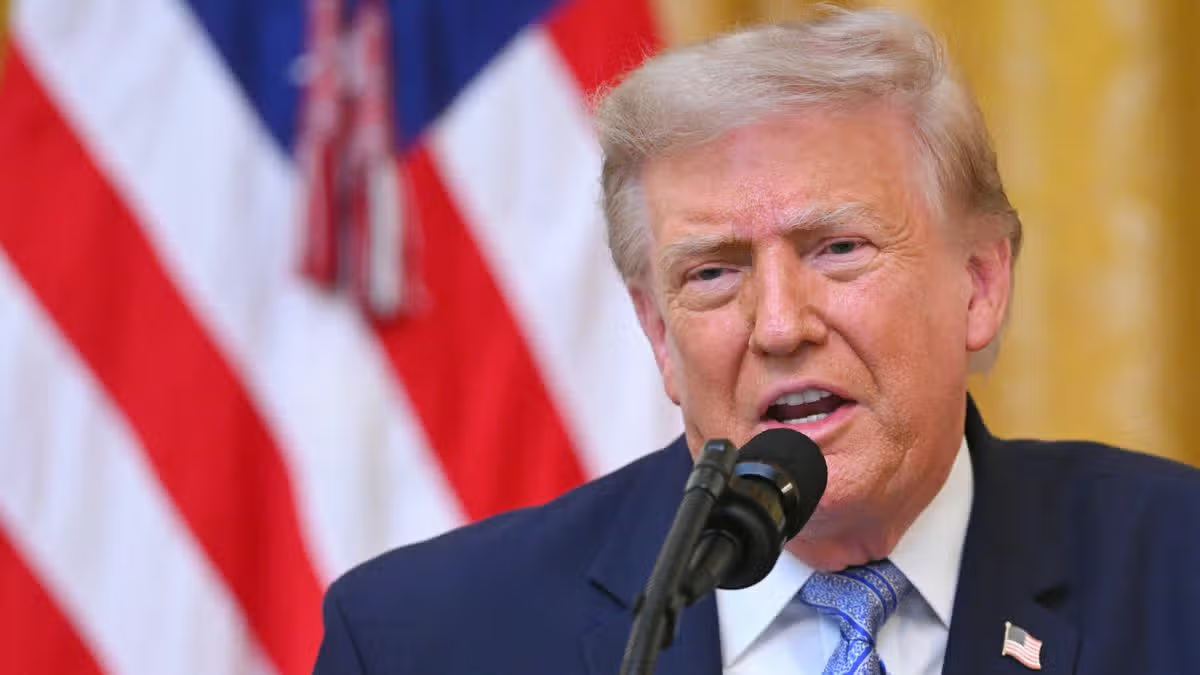
Yet as the demise of the memorandum of understanding seems increasingly obvious, and the ceasefire that came with it beyond preservation, Trump talks of “devastating” Iran often as an aside - just one of many topics raised with reporters. It is a complex, if not troubling, moment both for the ethical use of force, and its practical application as a deterrent.