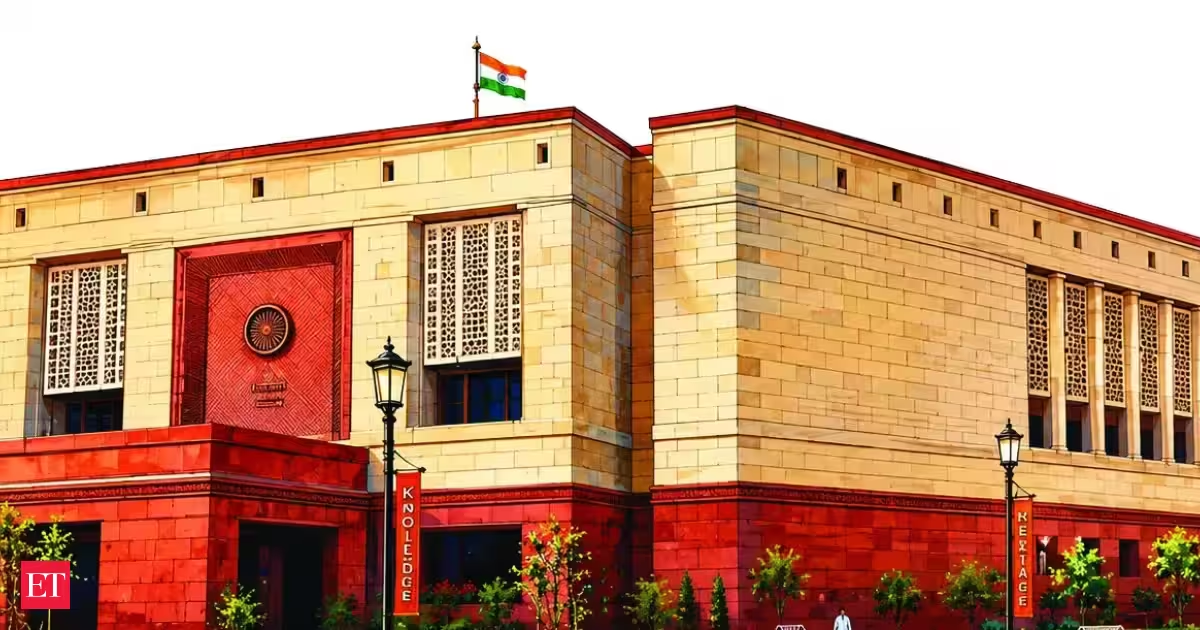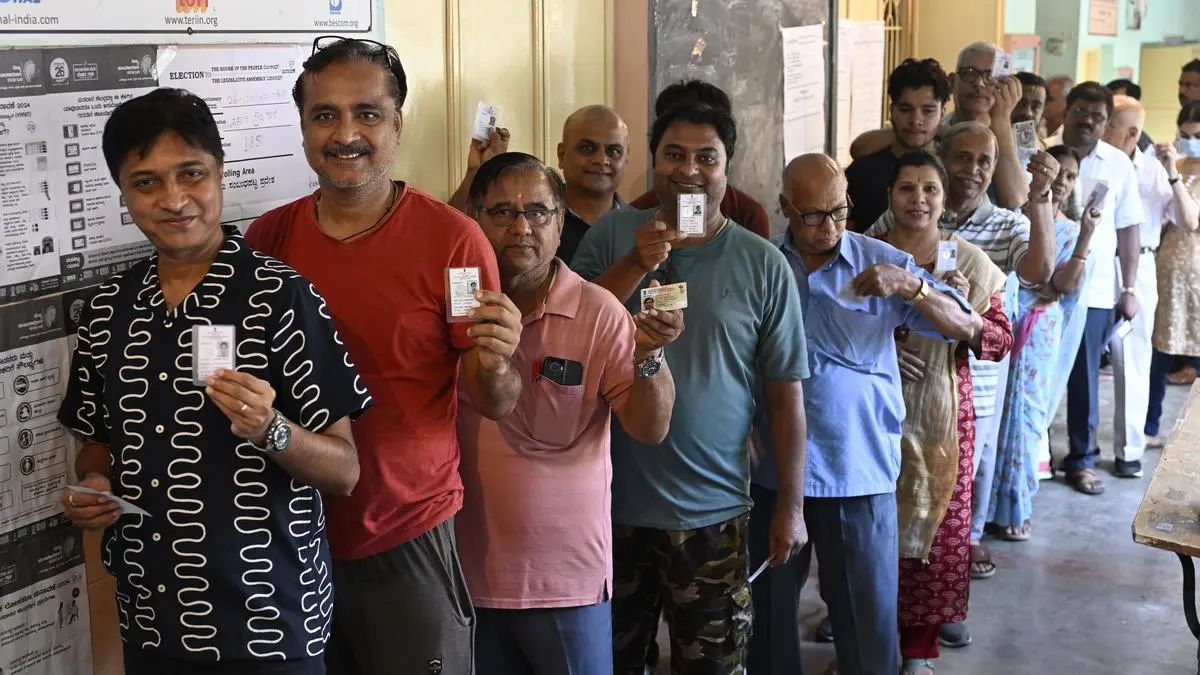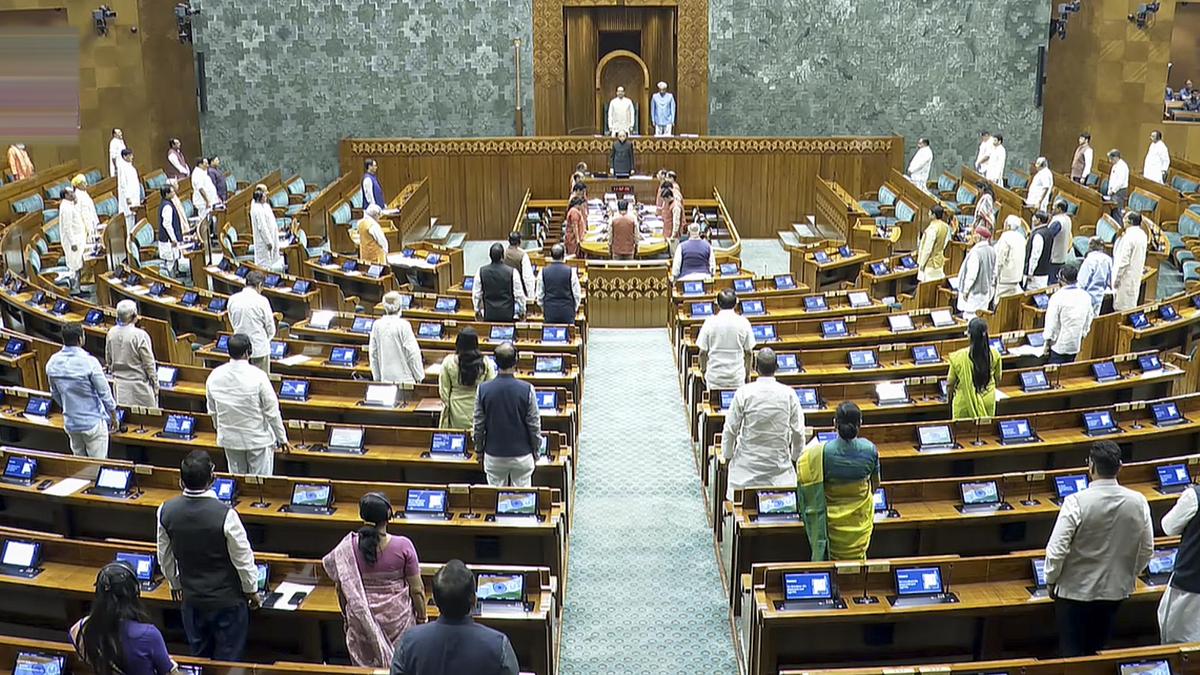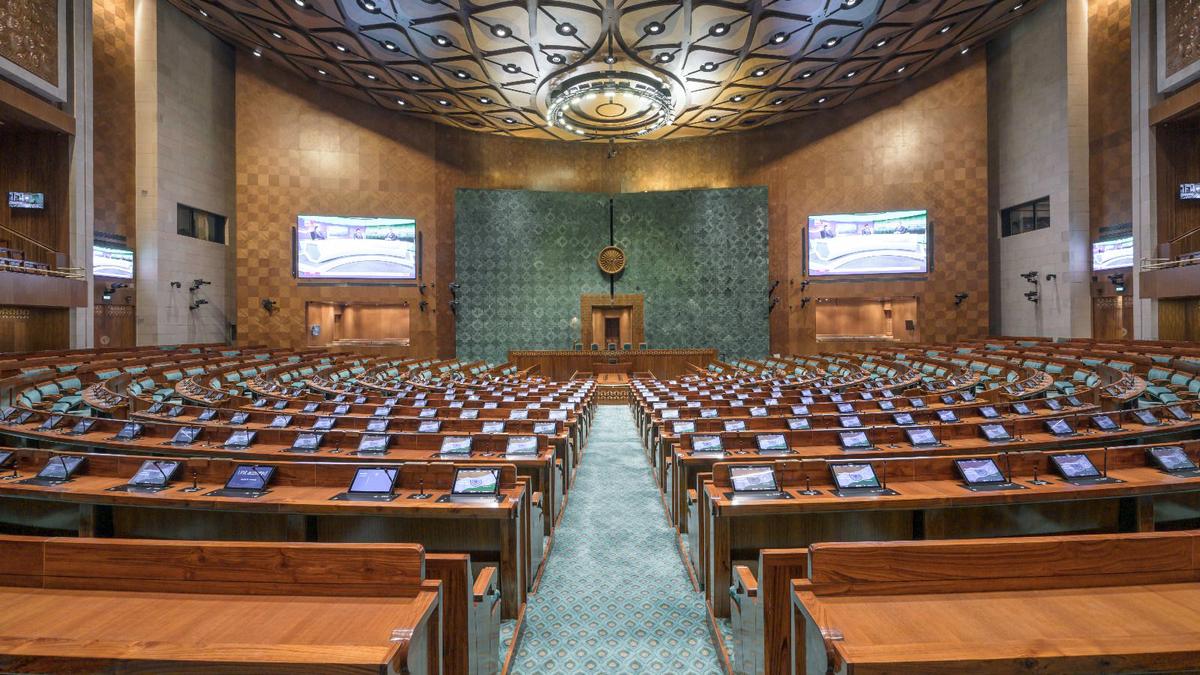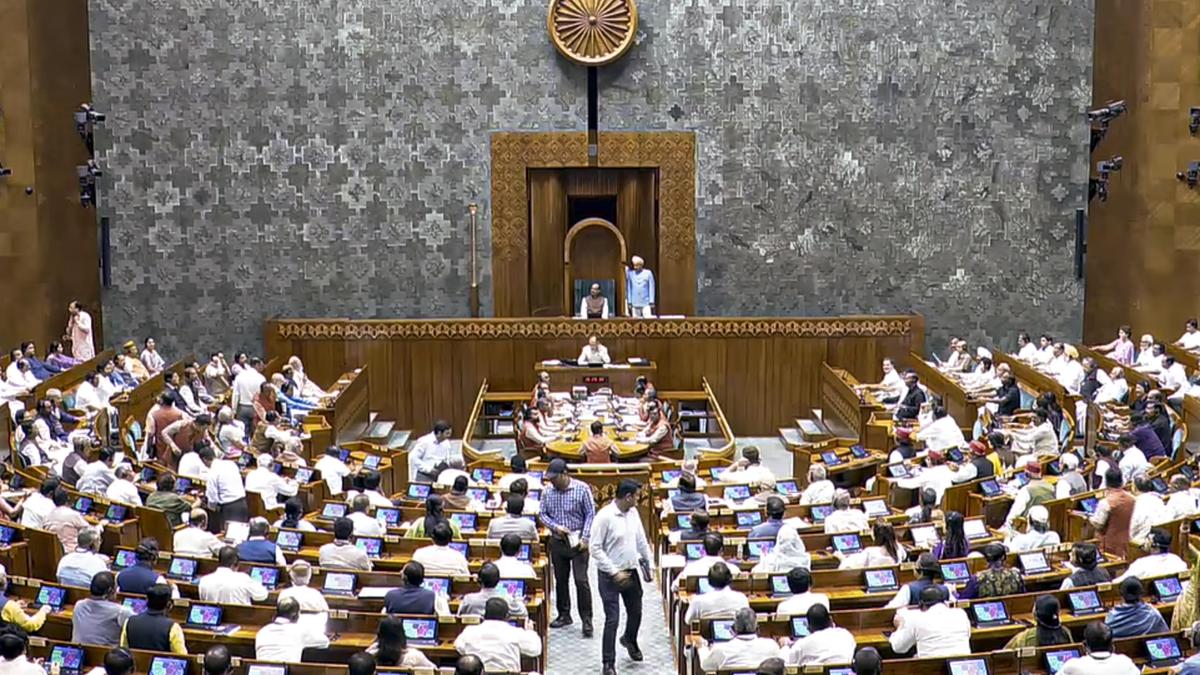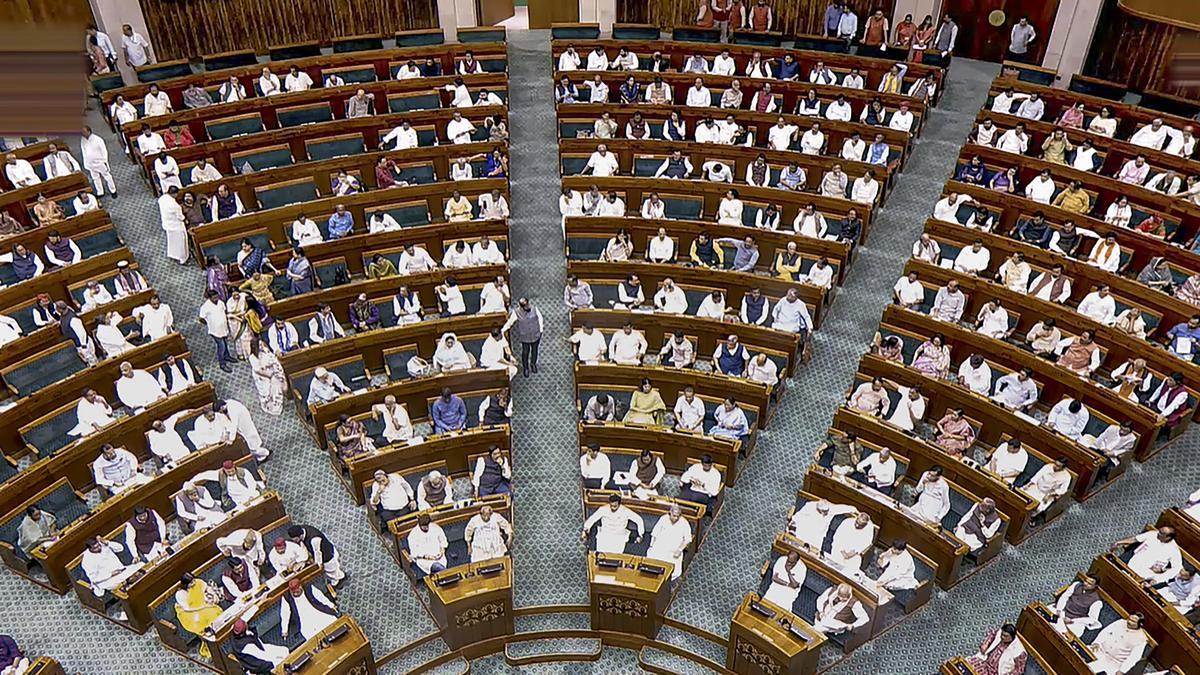
The story so far: The Narendra Modi government has revived efforts to secure the numbers needed to pass the Constitution (131st Amendment) Bill, which seeks to increase the strength of the Lok Sabha from 543 to 850 and pave the way for a fresh delimitation exercise before the 2029 general election. The Bill also provides the constitutional basis for implementing the Women’s Reservation law.The legislation had failed to secure the required two-thirds majority in the Lok Sabha when it was put to vote in April 2026. Since then, the Bharatiya Janata Party (BJP) has focused on expanding the National Democratic Alliance (NDA) and reaching out to regional parties that had opposed or abstained on the Bill.The urgency has increased ahead of the Monsoon session beginning on July 20. The recent induction of 20 Trinamool Congress MPs and six Shiv Sena (Uddhav Balasaheb Thackeray) MPs into the NDA has strengthened the ruling coalition, while the Opposition has begun coordinating its strategy to prevent the government from crossing the constitutional threshold.How the numbers have changedUnder Article 368 of the Constitution, any constitutional amendment requires the support of at least two-thirds of members present and voting, while also constituting a majority of the total strength of the House. Assuming full attendance in the 543-member Lok Sabha, the government requires 362 votes. There are three vacancies in the Lok Sabha right now, so the two-third threshold comes down to 360 votes.When the Bill was voted upon in April, the NDA had 298 MPs, leaving it well short of the required figure. The Opposition largely voted together to defeat the legislation.Since then, the political arithmetic has shifted considerably.The NDA now claims the support of 329 Lok Sabha MPs after the entry of 20 Trinamool Congress members and six Shiv Sena (UBT) MPs. While this narrows the gap, the alliance still remains 31 votes short of the two-thirds mark.The BJP’s calculations also extend beyond its formal allies and hinge on persuading regional parties to support the legislation by incorporating safeguards such as a uniform 50% increase in Lok Sabha seats across all States — an assurance several parties had sought earlier.How parties voted in AprilThe April vote broadly reflected the political divide over delimitation rather than over women’s reservation itself.The NDA, led by the BJP, voted in favour of the Constitution amendment.Also read:Delimitation: Perspectives and viewpointsMost parties in the INDIA bloc, including the Congress, Trinamool Congress, DMK, Shiv Sena (UBT), NCP (Sharad Pawar), Samajwadi Party, Rashtriya Janata Dal, Left parties and others, opposed the Bill, arguing that the draft legislation lacked safeguards against population-based redistribution of seats that could reduce the political weight of southern States.Several regional parties also argued that assurances given during consultations — particularly regarding a uniform increase in seats for every State — did not figure in the text of the Bill introduced in Parliament.The Opposition’s strategyThe Congress has begun consultations with INDIA bloc partners to ensure that the arithmetic achieved in April doesn’t majorly change during the Monsoon session.The party has accused the BJP of attempting to secure the required majority through defections rather than political consensus. Congress leaders have argued that the government should first place before Parliament a revised draft incorporating the assurances it had reportedly given to regional parties.For the Opposition, the immediate objective is to keep the NDA below the 360-vote threshold. Even if the ruling alliance emerges as the single largest bloc by a comfortable margin, failing to secure two-thirds support would once again prevent the Constitution amendment from being passed.The Congress’ argument is that parties apprehensive about the political consequences of delimitation will continue to vote together despite changes in their political alignments.The X factor: DMK and other regional partiesMuch of the government’s current outreach is centred on regional parties that are outside the NDA but whose support could prove decisive.The DMK has emerged as perhaps the most closely watched player. The party had been among the strongest critics of the April Bill, arguing that delimitation based on population would penalise southern States that had successfully controlled population growth.However, following the collapse of its alliance with the Congress after the Tamil Nadu Assembly election, the BJP has reopened communication channels with the DMK. Government sources say the Centre has assured the party that its concerns would be addressed in a revised version of the Bill.So far, the DMK has maintained public silence, neither endorsing nor rejecting reports of renewed engagement with the BJP.The NCP (Sharad Pawar) has also attracted attention after working president Supriya Sule said there would be “little reason to oppose” a proposal providing for a uniform 50% increase in seats across all States, while insisting that her party would decide only after examining the final draft and consulting INDIA bloc partners.The failure of the Congress to get its nominee elected in the recent Rajya Sabha elections in Jharkhand despite the party being in government with the ruling Jharkhand Mukti Morcha (JMM) has also opened a window for the BJP to manoeuvre with the JMM.For the BJP, support from even a handful of regional parties could substantially narrow the gap to the two-thirds majority. For the Opposition, preventing such cross-party support has become as important as maintaining its own numerical strength.
Why the numbers matter in the renewed push for delimitation | Explained
Explore the critical numbers behind the NDA's push for the Constitution amendment and the ongoing political strategies of the Opposition.
868 words~4 min read