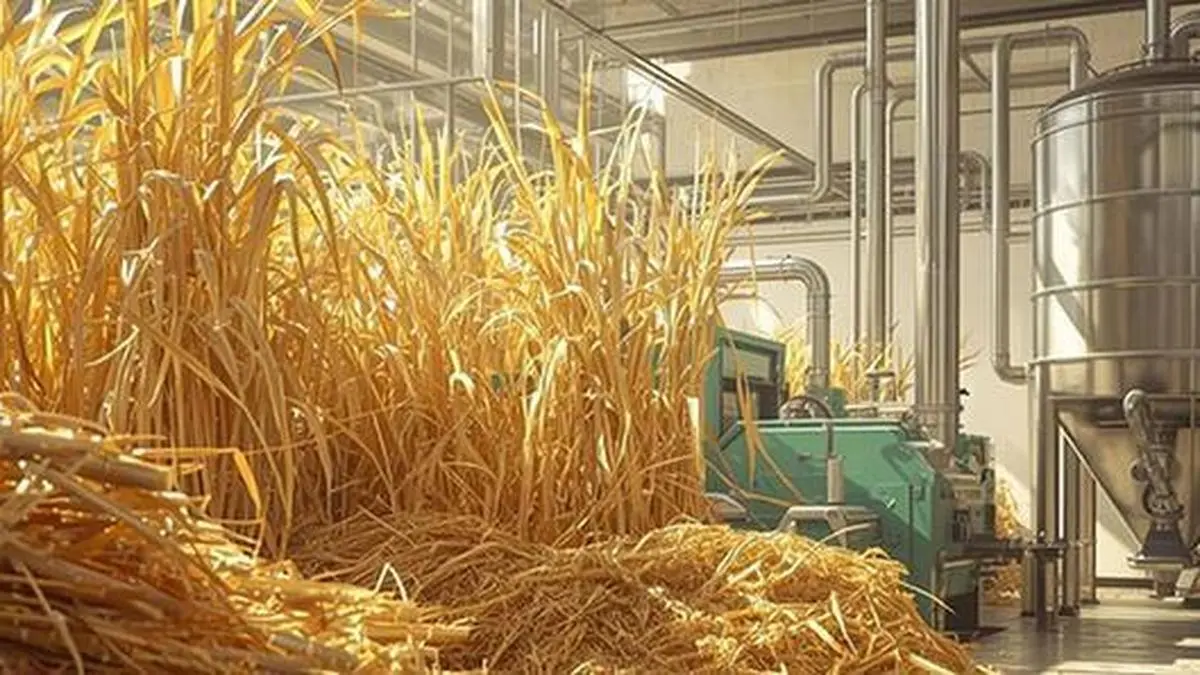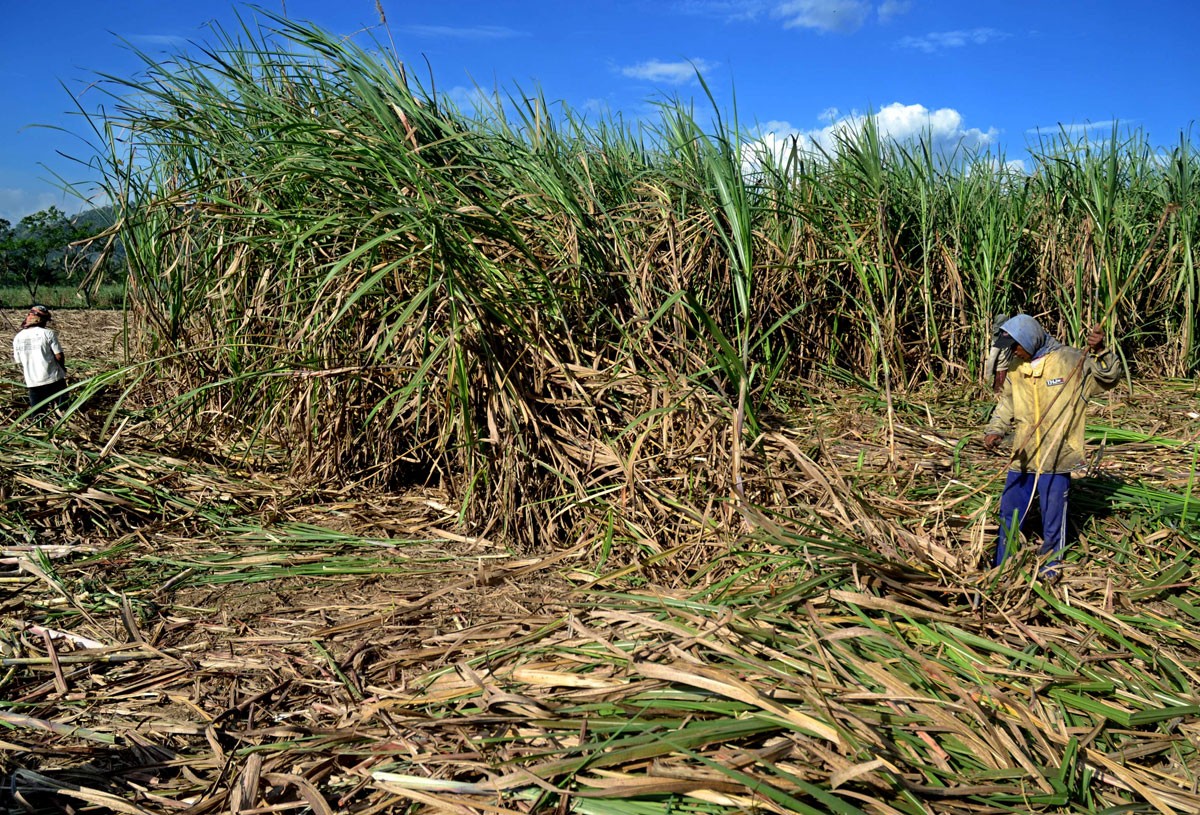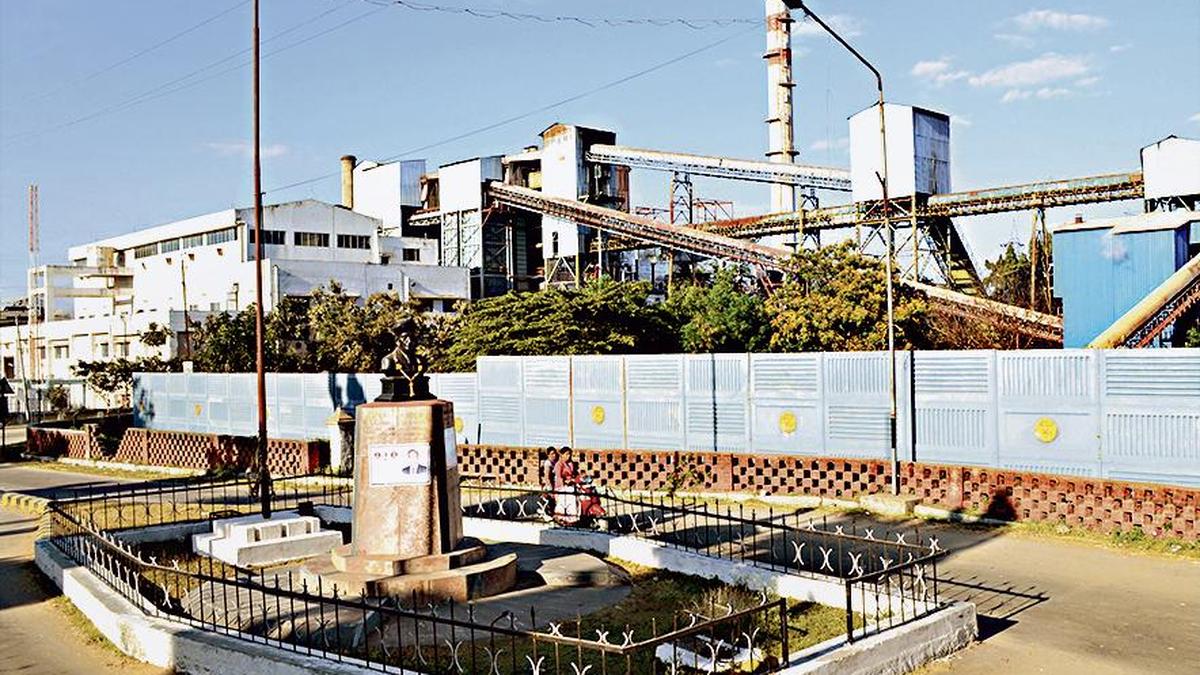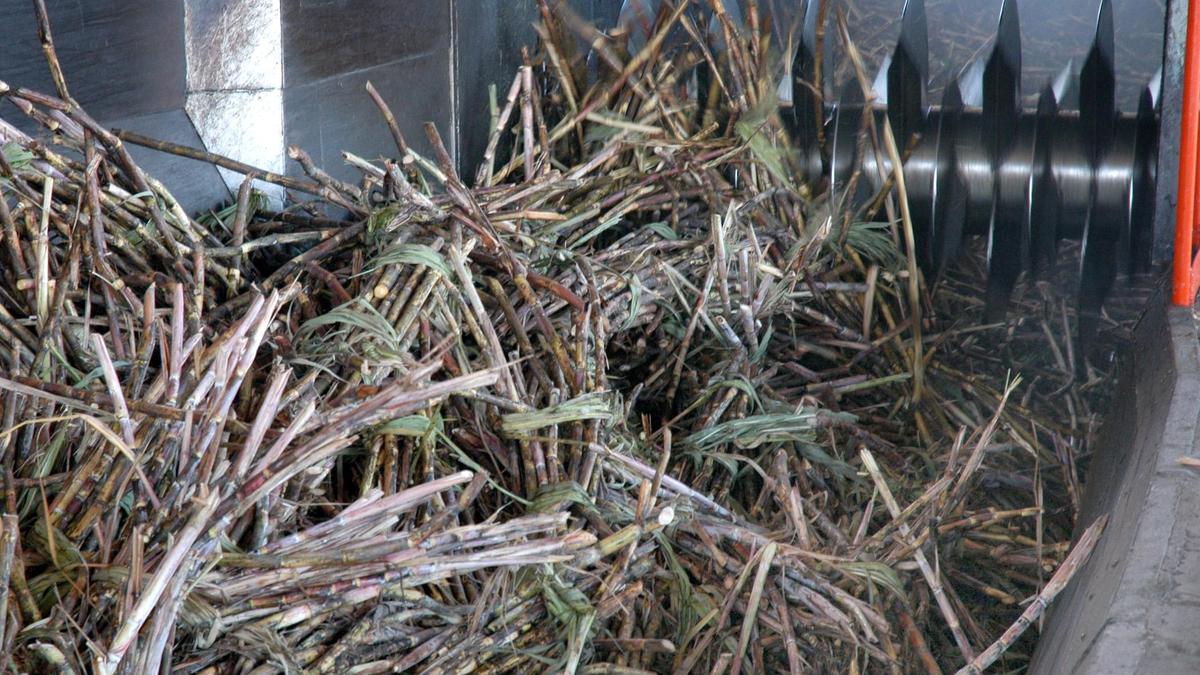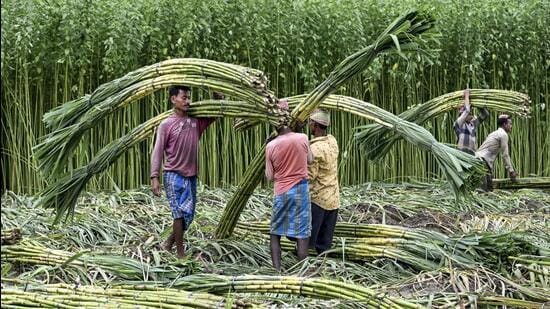
Every year, around July 15th, a heavy mechanical giant will awaken in Mandya taluk, just outside Bengaluru. Heralded by a puja and announced in newspapers, Operation “Sugar-Crushing” will begin. The state-owned Mysore Sugar Company, affectionately called as Mysugar (or Mysugaru in common parlance), will officially commence its sugarcane crushing for the season. This begins with pomp and ceremony. An MLA or minister will ceremonially ignite the factory’s massive boilers, creating a poof of fire. Plumes of smoke will soar to the sky. And then the sugar-crushing season begins. Lines of trucks, tractors, and bullock carts stacked high with green-stalked cane will queue along the roads, waiting patiently for their turn so that their harvest of cane can be crushed into sweet sugar. And thus, over half a million tonnes of sugarcane will be pulverized, boiled and crystallized into the food that Kannadigas call bella and the North Indians call gud.
I originally thought that the choice of the date was linked to some auspicious day in the lunar calendar. But it really has to do with some colonial engineers trying to outwit if not dominate the Southwest monsoon using the Krishna Raja Sagar dam as a tool. If you look at the old administrative gazetteers of Mysore State, or even the latest government documents on sugar mills, you will see that while the mill commencement is a traditional ceremony with lamp-lighting, coconut-breaking and other pujas to invoke the gods, the actual date of commencement is linked to meteorology, irrigation cycles, and crop chemistry. The mid-July launch is fundamentally a dance with the Southwest Monsoon and the historical plumbing of the Cauvery basin.