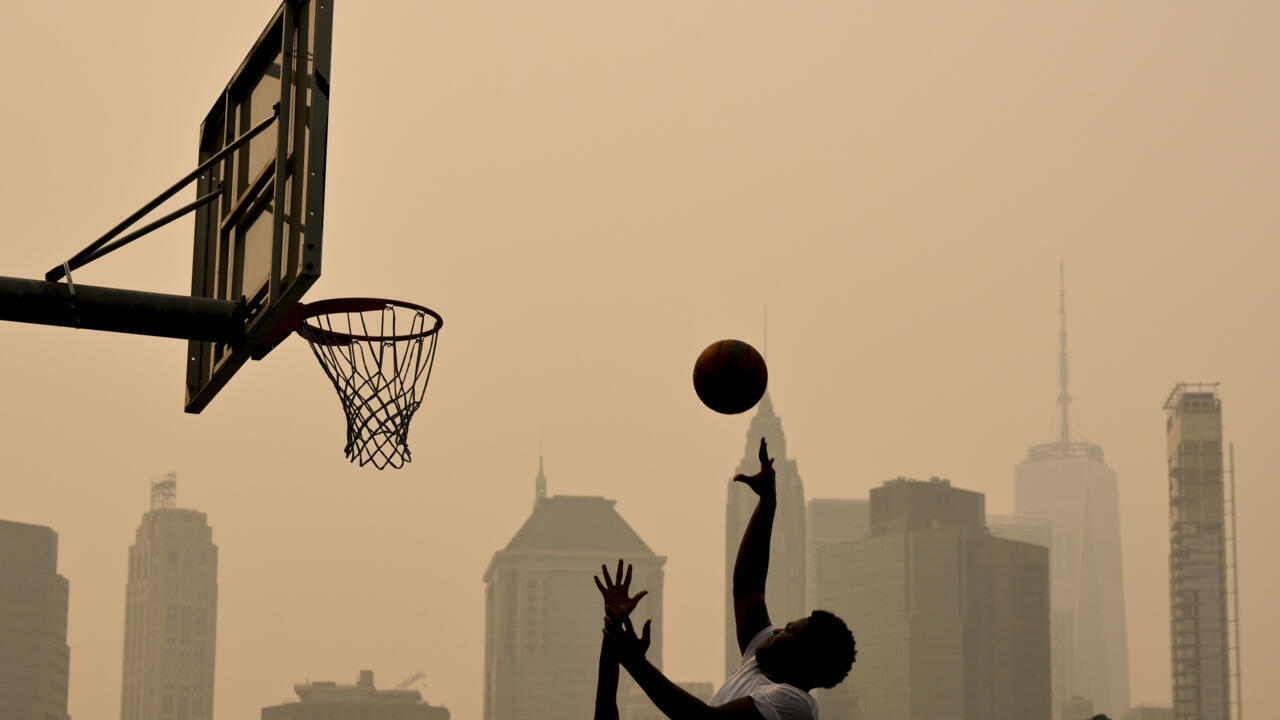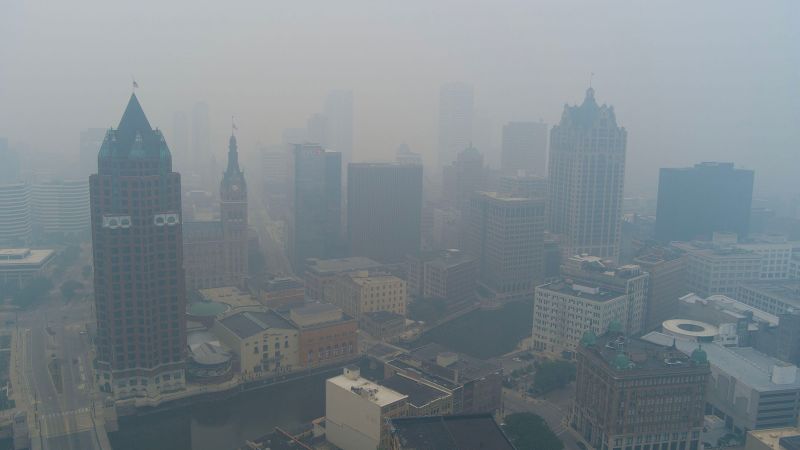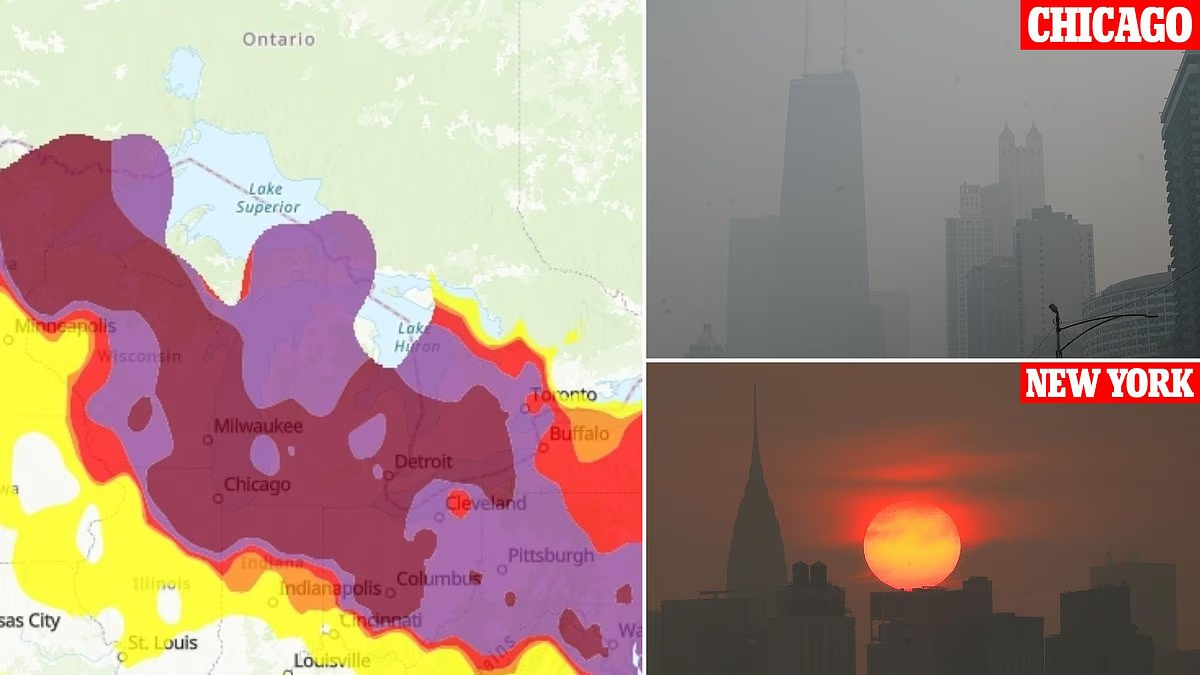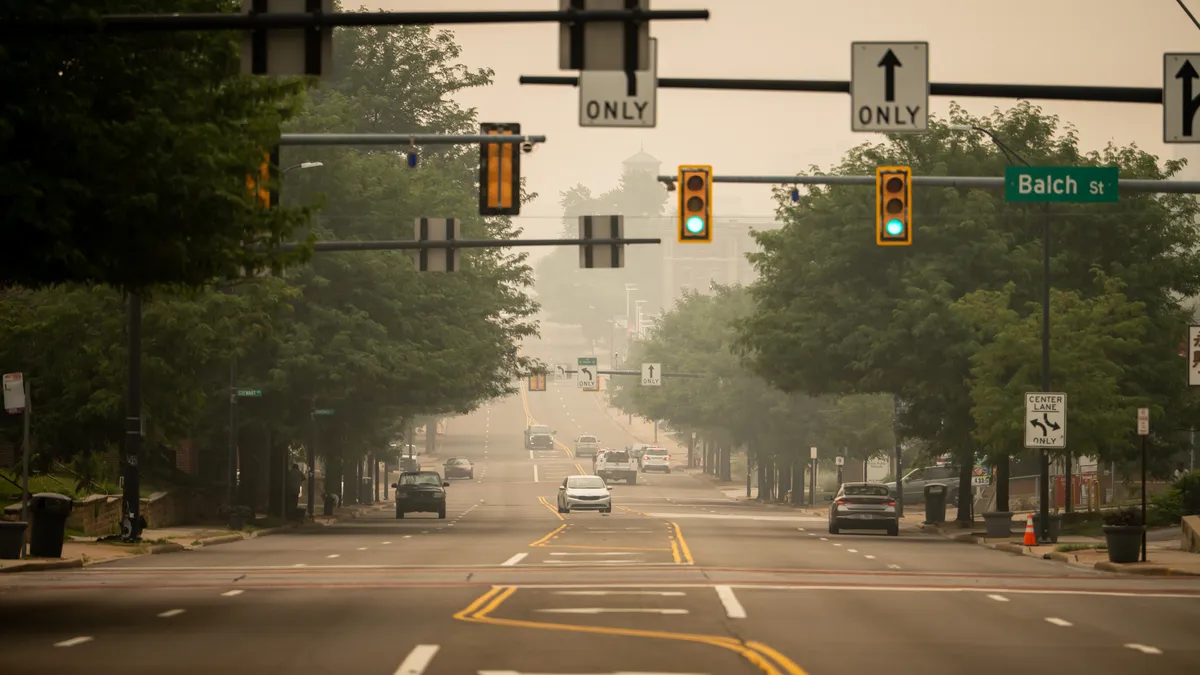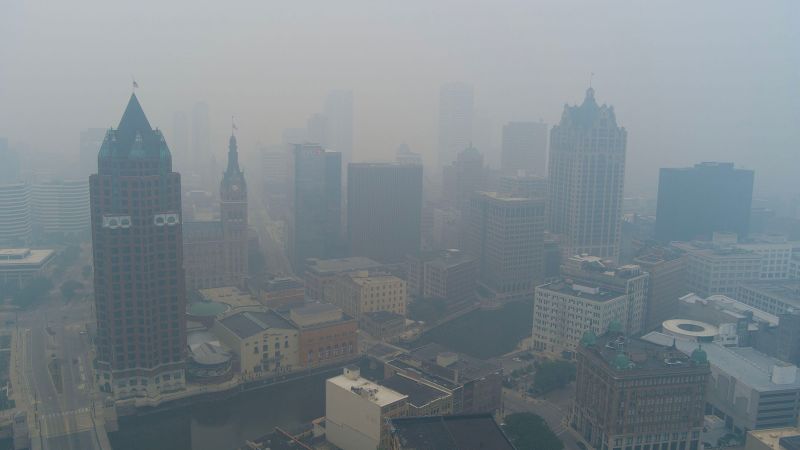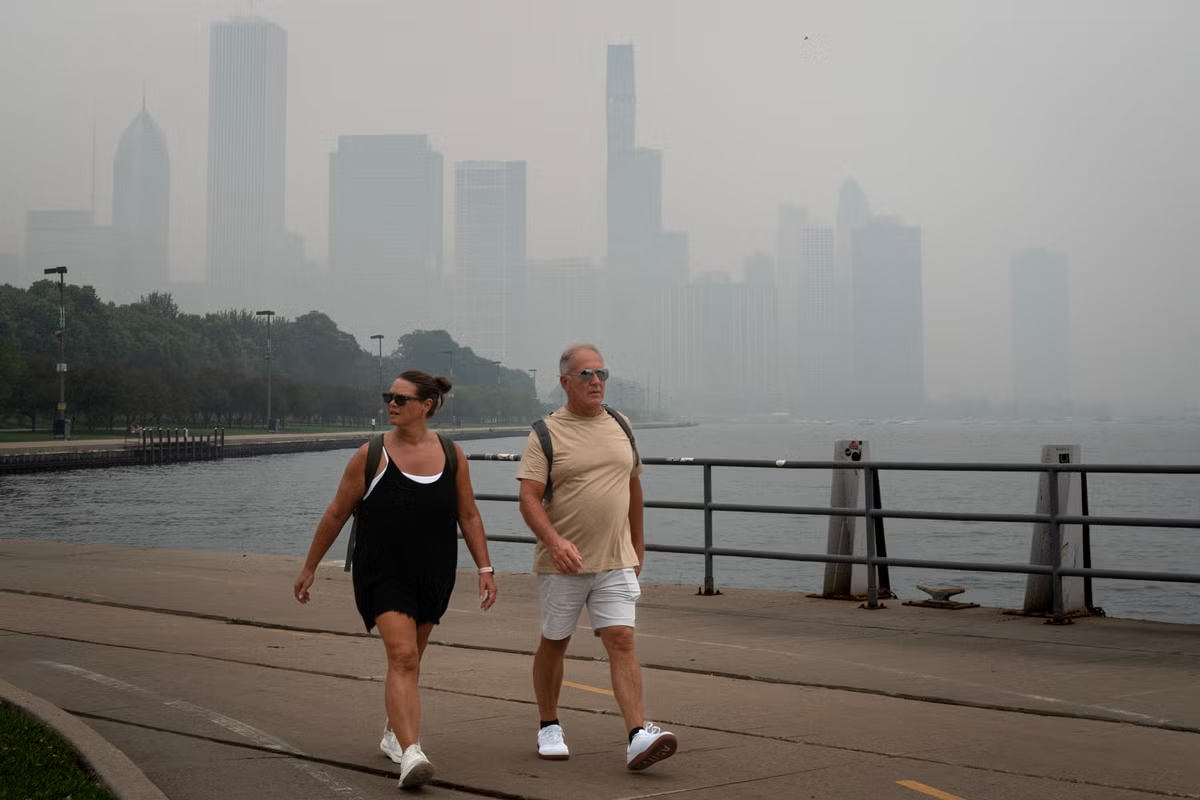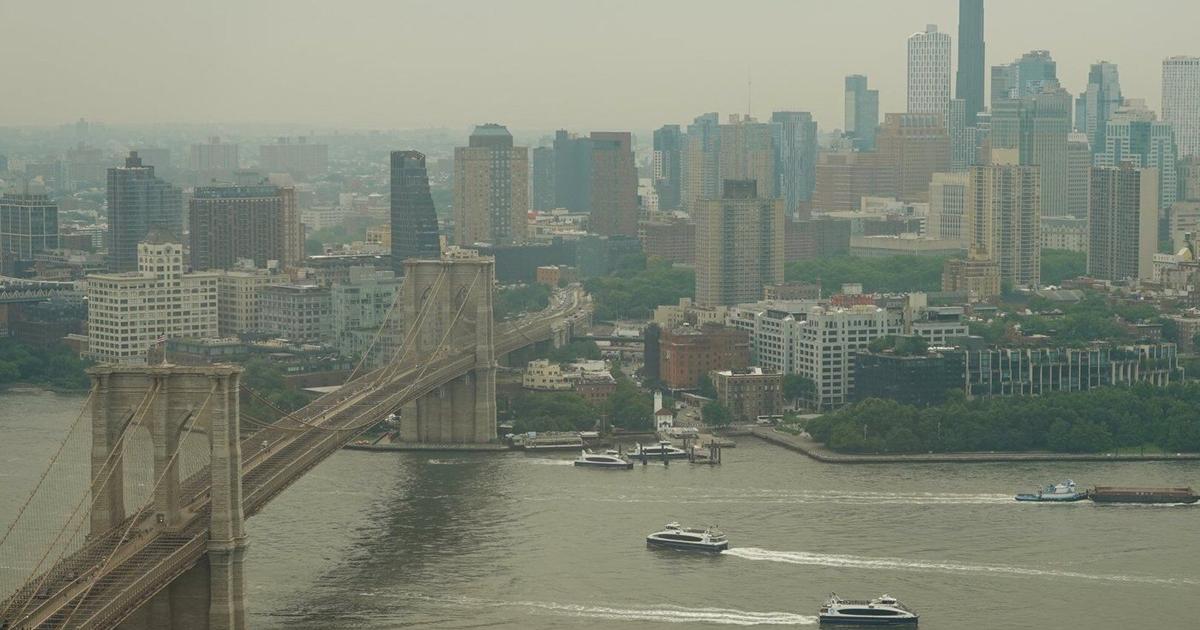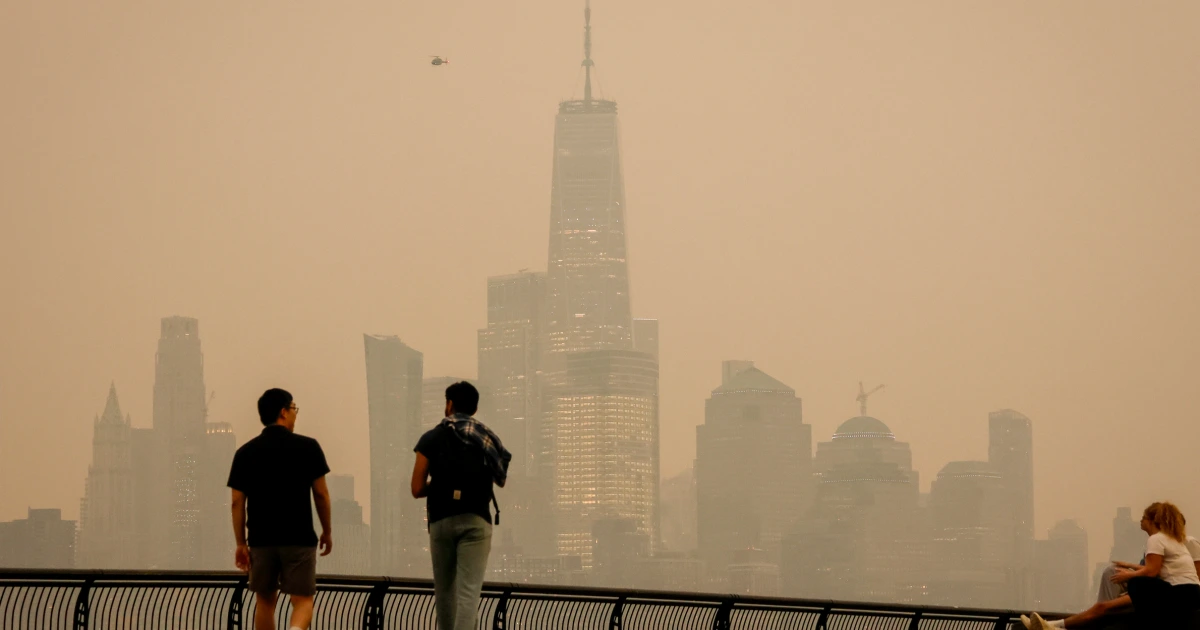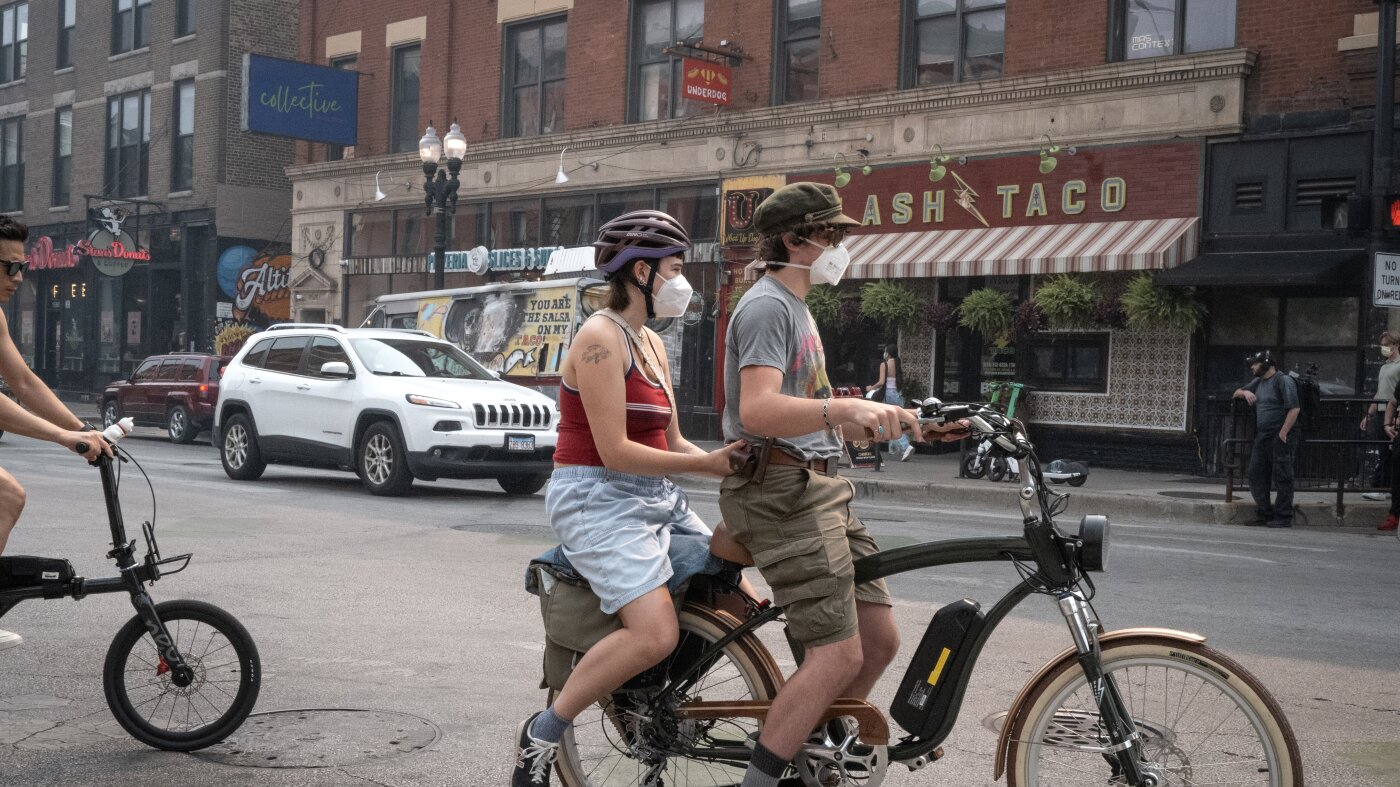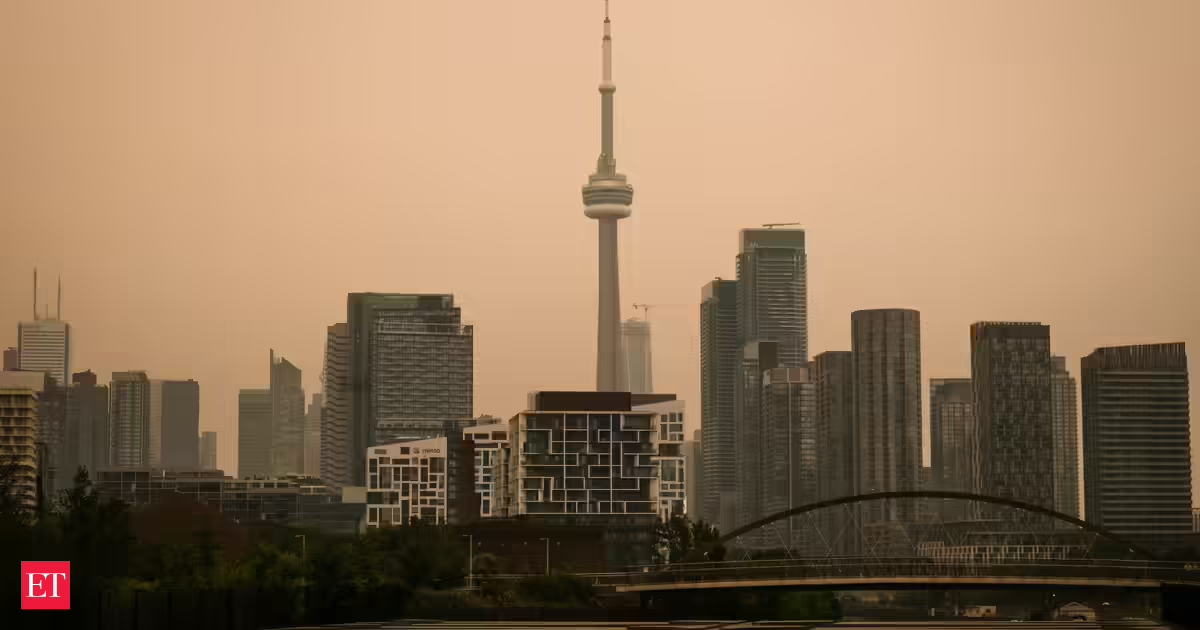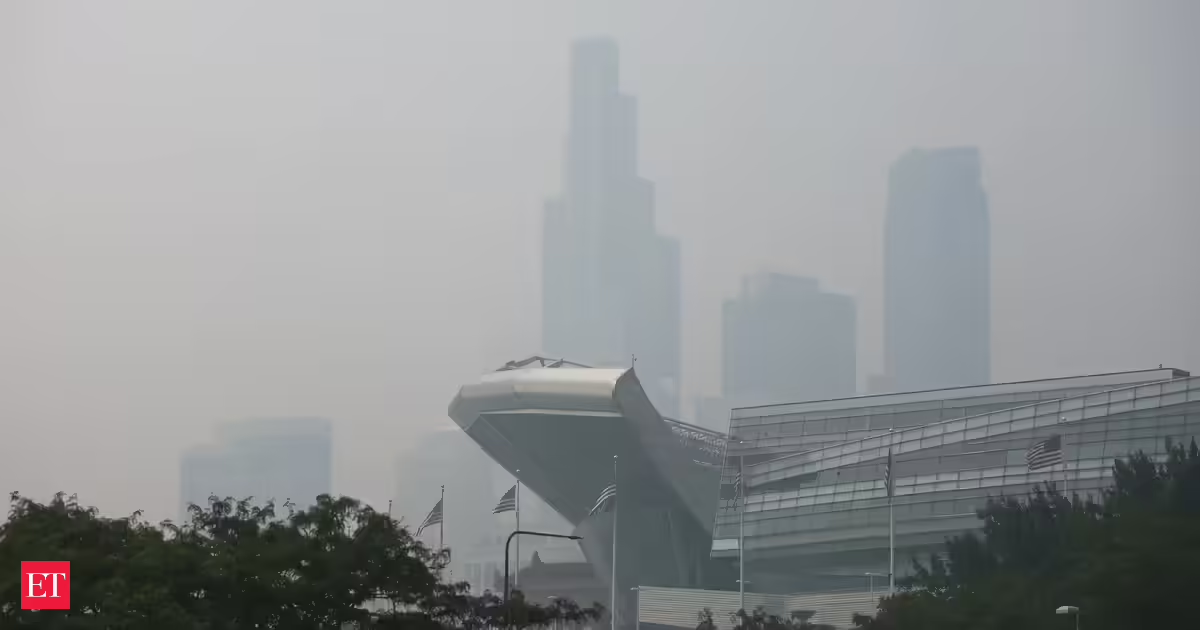
A thick blanket of smoke from massive Canadian wildfires has engulfed Chicago, pushing air pollution to hazardous levels and prompting health officials to advise residents to remain indoors. On Thursday, Chicago recorded hazardous air quality, placing it among the world's most polluted major cities as smoke spread across the Midwest and Northeast. The smoke has affected more than 125 million people, disrupting travel, sporting events and daily activities. Authorities expect conditions to persist through Friday before gradually improving.Also Read: Where are the Canadian wildfires currently? Check affected Canada and US cities, smoke forecast and latest updates Canadian wildfire smoke drives pollution surge The sharp decline in Chicago's air quality has been caused by smoke from hundreds of active wildfires burning across Canada. Strong winds carried smoke from Ontario, Manitoba and Saskatchewan into several US states, including Illinois, Minnesota, Michigan, Wisconsin and parts of the Northeast.Chicago records hazardous AQI Air quality monitoring agencies reported severe pollution levels across Chicago on Thursday. According to IQAir: Air Quality Index (AQI): 651 (Hazardous) Main pollutant: PM2.5 PM2.5 concentration: 401 µg/m³ According to AQI.in: Air Quality Index (AQI): 162 (Unhealthy) PM2.5: 79 µg/m³ PM10: 95 µg/m³ Carbon monoxide (CO): 197 ppb Sulfur dioxide (SO₂): 2 ppb Nitrogen dioxide (NO₂): 6 ppb Ozone (O₃): 58 ppb Why wildfire smoke is dangerous Wildfire smoke contains microscopic PM2.5 particles that can penetrate deep into the lungs and enter the bloodstream. Health experts warn that prolonged exposure can increase the risk of breathing difficulties, asthma attacks, heart disease and other serious health complications. Older adults, young children, pregnant women and people with heart or lung conditions are considered the most vulnerable, although officials advise everyone to minimise outdoor exposure while air quality remains hazardous. Health advisory issued for residents Authorities have advised residents to avoid outdoor exercise, keep windows closed to prevent smoke from entering homes, wear high-filtration masks if they need to go outside and use air purifiers where possible. Officials also recommend monitoring local air quality updates until conditions improve. When will Chicago's air quality improve? Forecasters expect smoke concentrations to begin easing from Friday as changing weather patterns and rainfall move into parts of the Midwest. However, officials caution that air quality may continue to remain unhealthy in some locations even after the densest smoke clears.
Will Chicago's air quality improve tomorrow? Here's what the forecast says
Chicago's air quality has become hazardous due to Canadian wildfire smoke. This pollution has affected over 125 million people across the Midwest and Northeast. Health officials advise residents to stay indoors and minimize outdoor exposure. The smoke is expected to persist through Friday before gradually improving. Authorities recommend monitoring air quality updates until conditions normalize.
380 words~2 min read