Show Caption
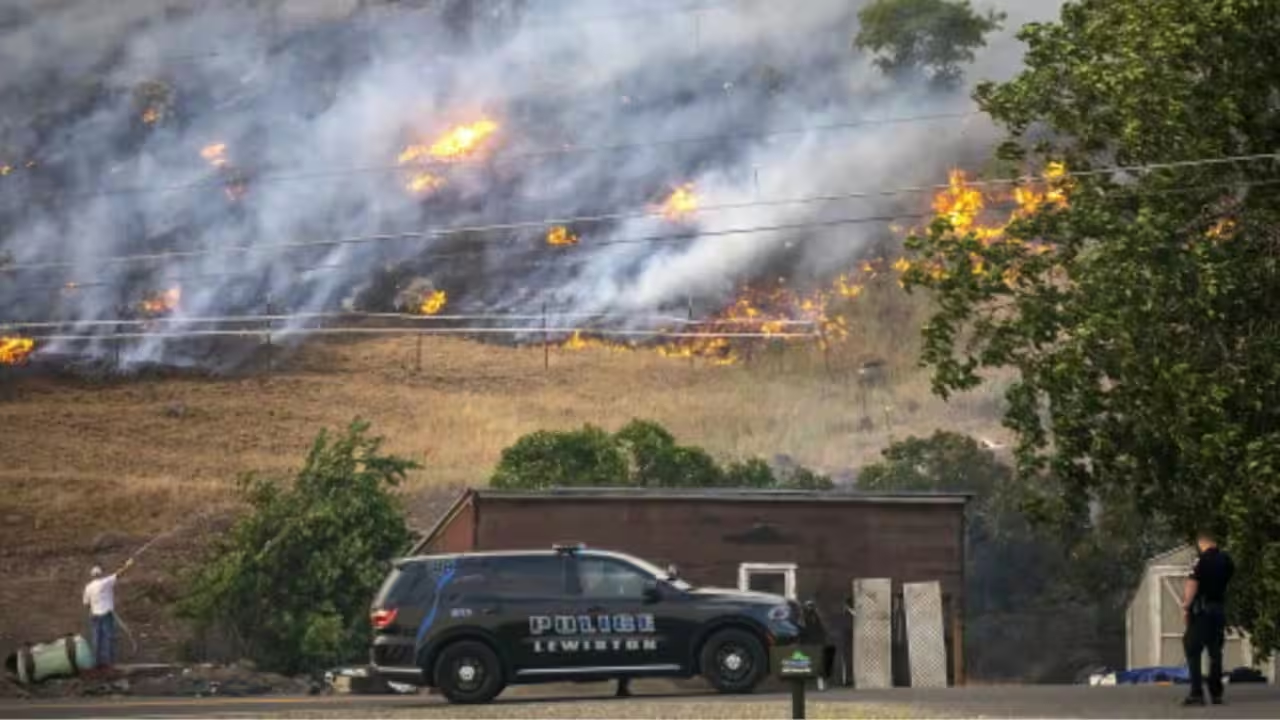
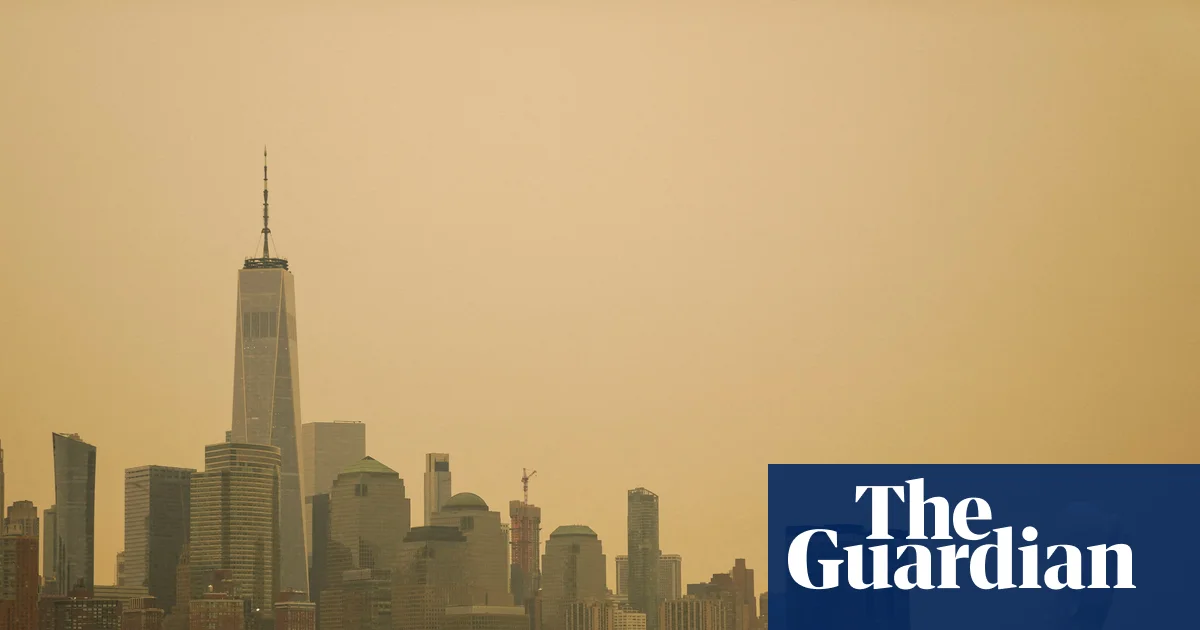
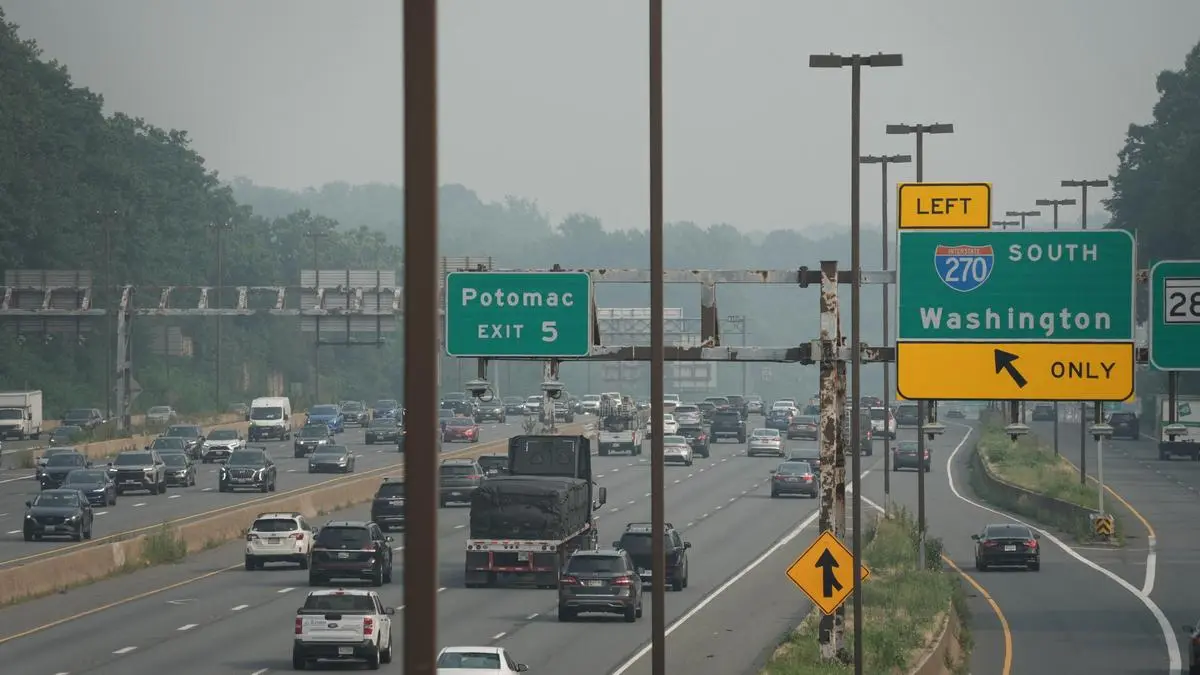
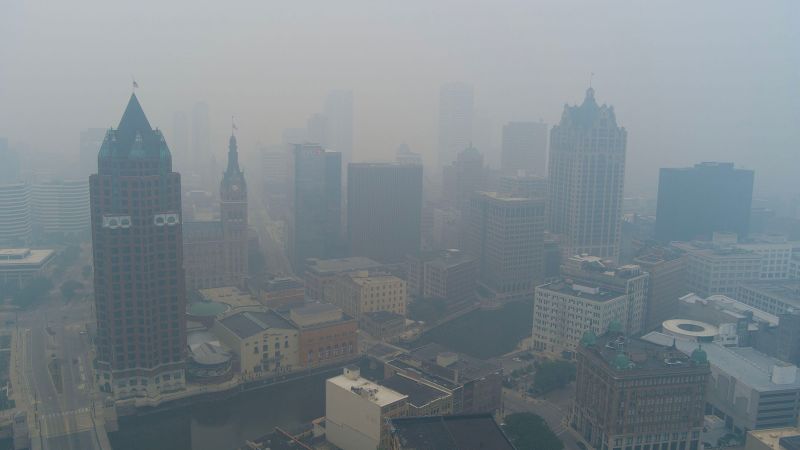
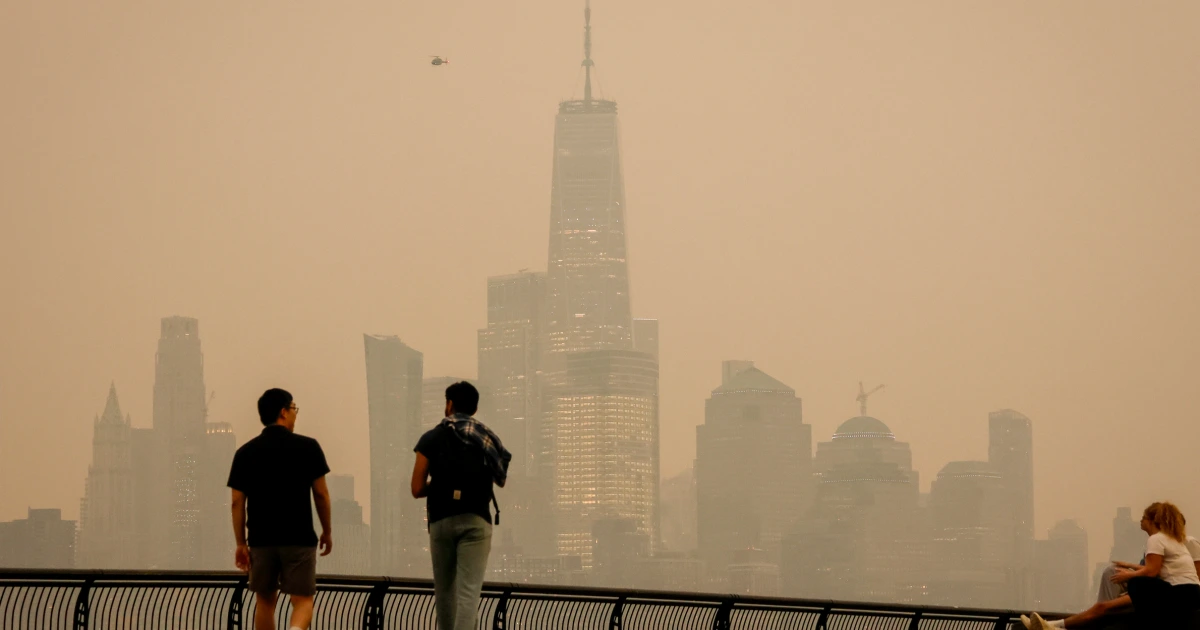
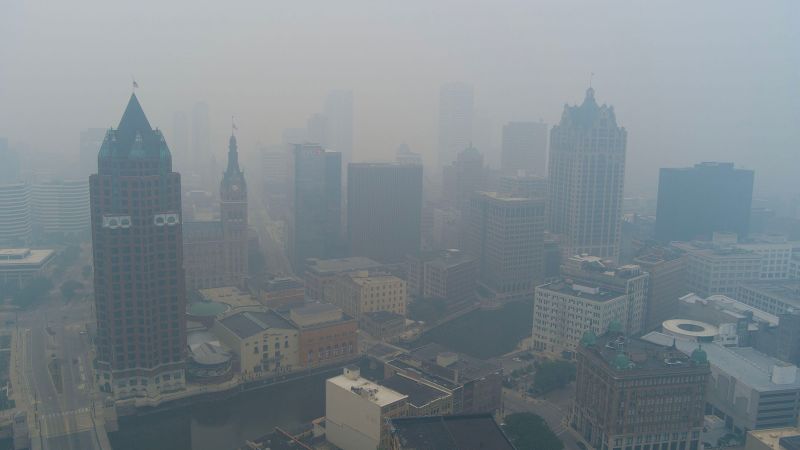
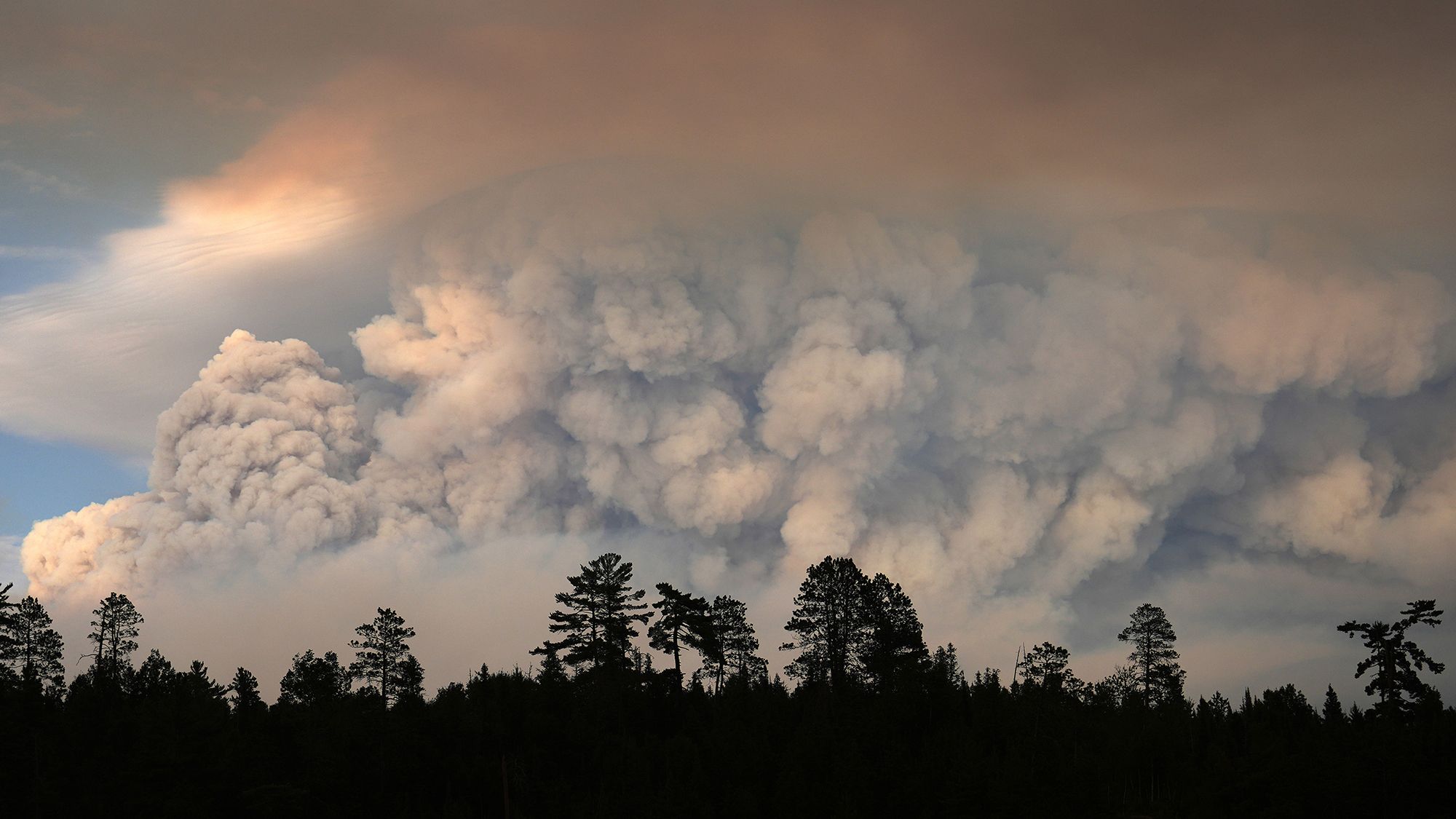
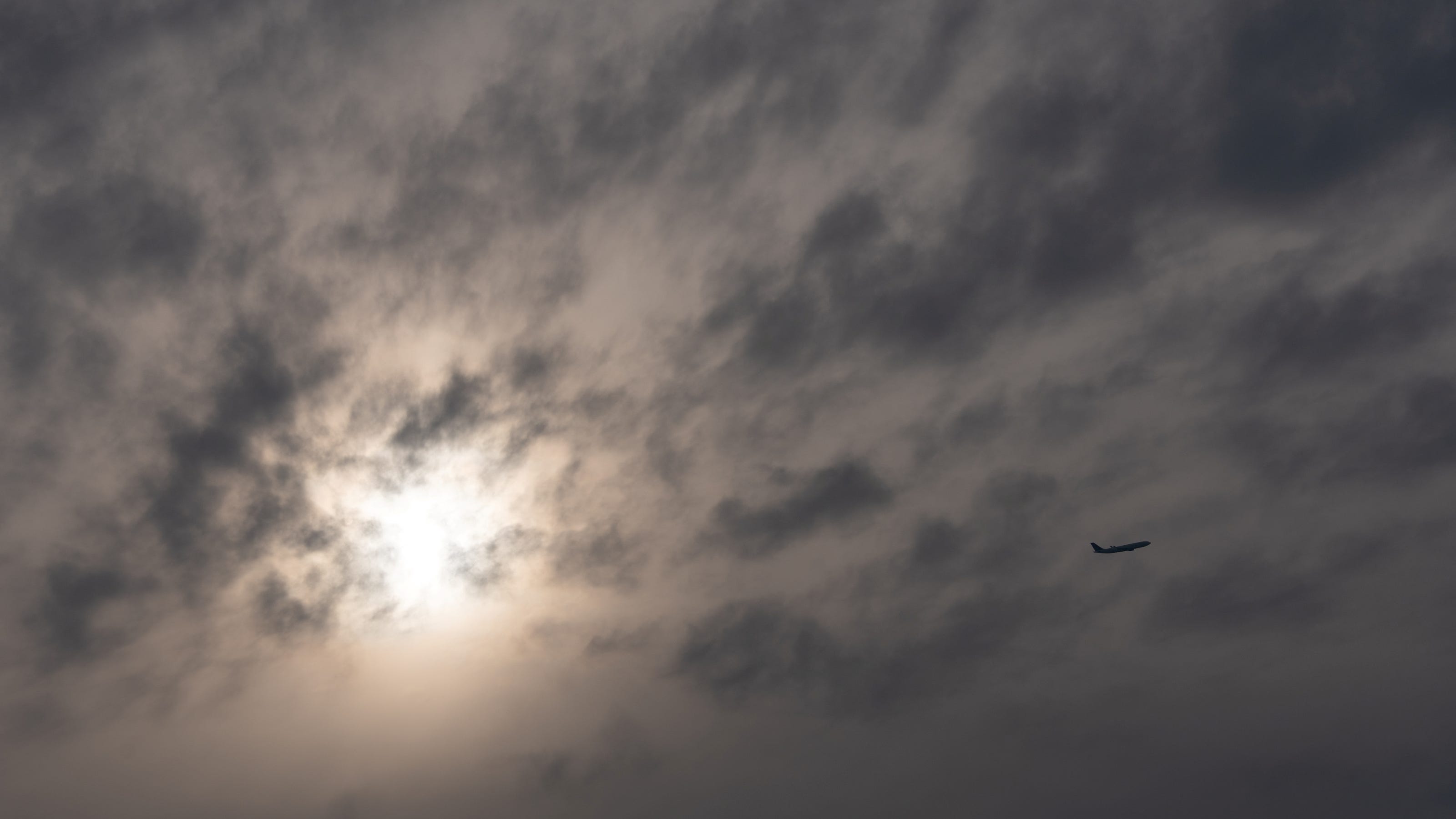
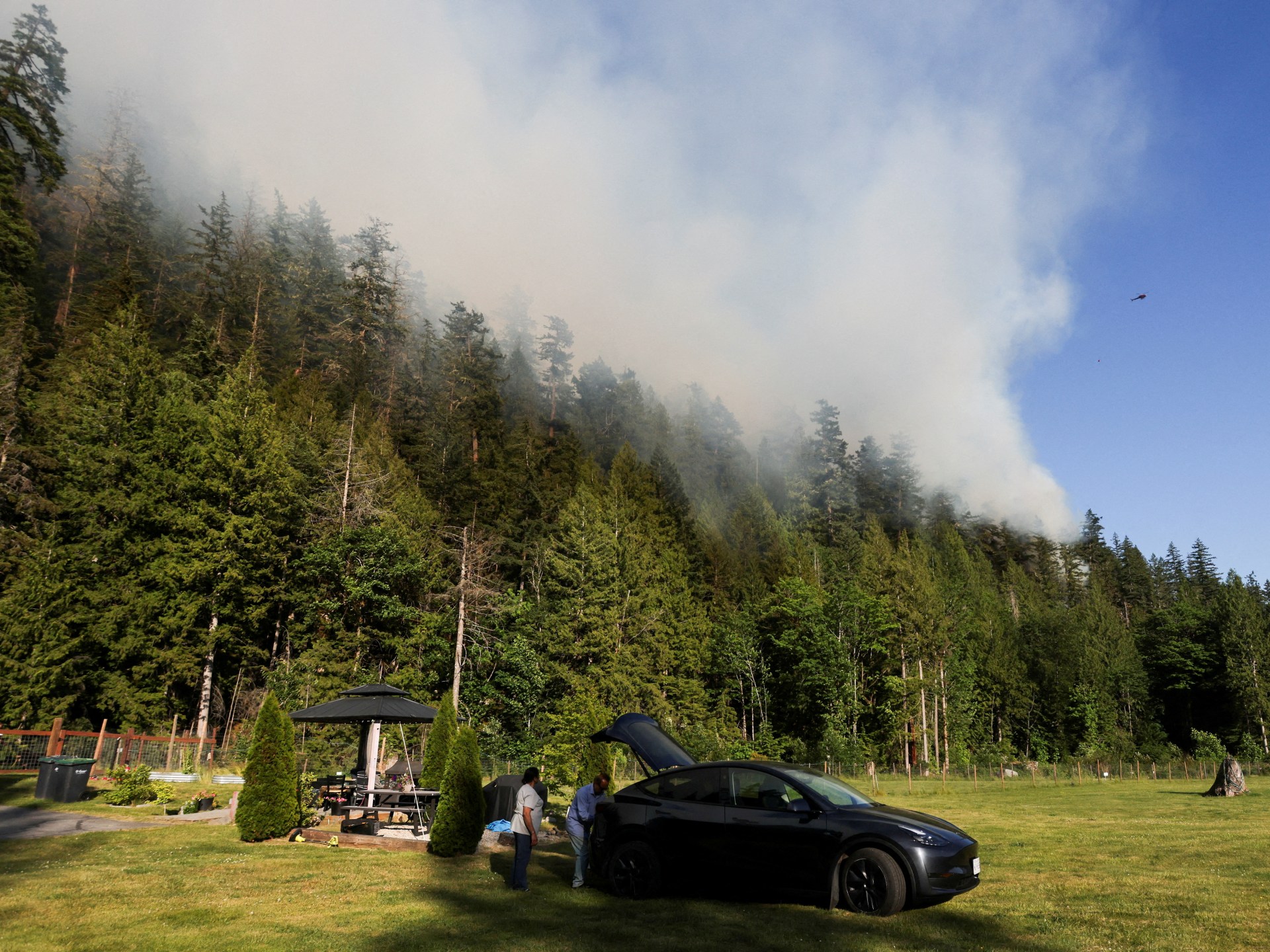
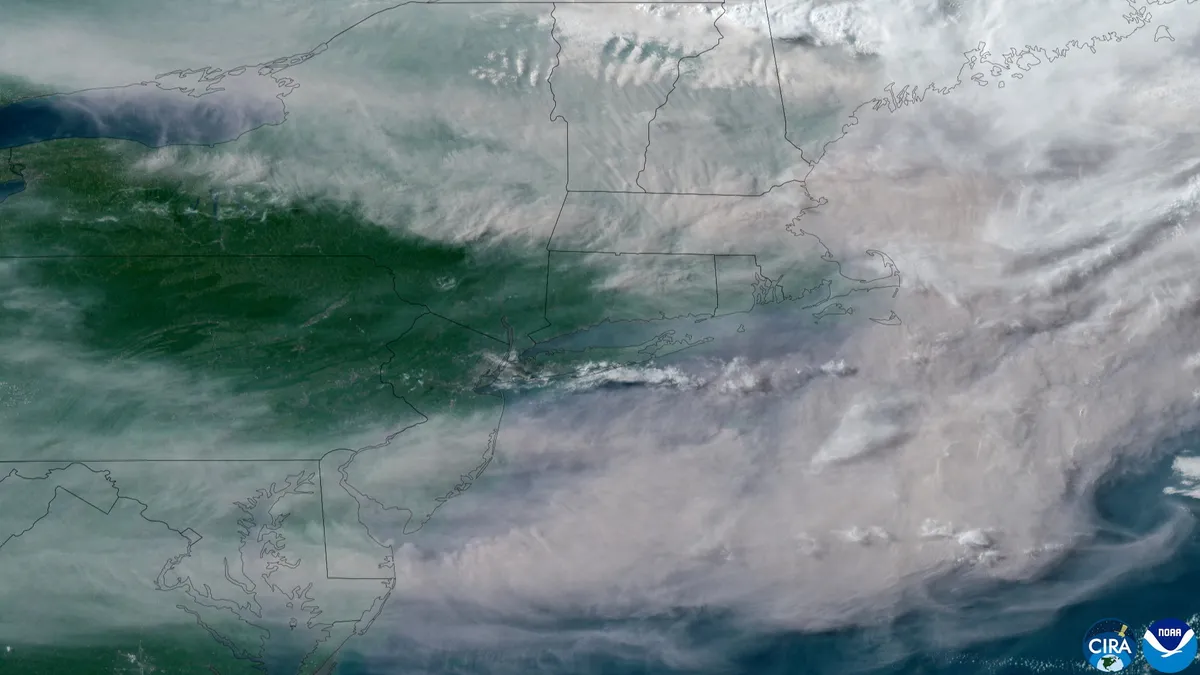
Poor air quality is impacting parts of the U.S. as the Canadian wildfires continue to grow.On Wednesday, July 15, northeast Illinois and northwest Indiana are under an air quality alert "due to unhealthy ozone levels," according to the National Weather Service in Chicago. The alert could be extended through Wednesday night if smoke from the Canadian wildfires reaches the area.Smoke continues to spread across the Great Lakes area as the Canadian wildfires continue, according to AirNow, a government program that records and publishes nationwide data on air quality, or how clean or polluted the air is, according to the National Weather Service.As of 12 p.m. ET on Wednesday, the highest Air Quality Index (AQI) scores are being reported in Minnesota, Michigan and Wisconsin, with "Hazardous" readings, while New Hampshire and upstate New York are forecast to face "Unhealthy" AQIs, according to AirNow.Here's what to know.See U.S. air quality mapSee U.S. wildfire and smoke mapAir quality forecast to become 'hazardous'On Wednesday, air quality is forecast to continue to be "Hazardous" in northern Minnesota, while other areas of the state and Wisconsin face "Very Unhealthy" conditions, according to AirNow forecasts.Surrounding areas will see "Unhealthy" conditions.While these conditions can affect anyone, people with existing medical conditions, such as asthma or COPD, can be more seriously impacted.Air Quality Index ranks the air on a scale that ranges across six "levels of concern" according to AirNow:Good (Green) – Air quality is "satisfactory, and air pollution poses little or no risk."Moderate (Yellow) – Air quality is acceptable, but people who are more sensitive to air pollution may be at risk.Unhealthy for Sensitive Groups (Orange) – Those with asthma, heart disease or other respiratory conditions might experience health effects.Unhealthy (Red) – Some in the general population might experience health effects, but sensitive groups may face "serious health effects."Very Unhealthy (Purple) – Risks of health effects increase for all members of the public.Hazardous (Maroon) – All members of the public are likely to be impacted, and it is considered a "health warning of emergency conditions."Side effects of inhaling wildfire smokeParticulate matter, a type of air pollutant made of small particles of solids or liquids that are suspended in the air, is one of the main components of wildfire smoke, according to the National Weather Service. The particles are smaller than a strand of human hair and can enter one's respiratory system, leading to a slew of symptoms.Wildfire smoke can irritate the eyes, nose, and throat and cause the following symptoms, according to the Centers for Disease Control and Prevention (CDC):FatigueCoughingWheezingChest tightnessShortness of breathDizzinessSome of the particles in wildfire smoke are so tiny they can easily pass people's usual defense mechanisms and dive deep into their lungs. Not only can they damage lung function, but they can also pass into the bloodstream and travel to other organs, According to Yale Medicine.The following is linked to exposure to these particles:Heart attackStrokeLung cancerDecline in cognitive functionWho is most impacted by poor air quality?The following people should be cautious and try to avoid breathing wildfire smoke:ChildrenPeople who are pregnantPeople with lung diseases, such as asthma and COPDAnyone with heart disease, diabetes or chronic kidney diseaseHow to stay amid poor air qualityAnyone facing poor air quality that may not be safe for them or their family members should do the following, according to the CDC:Check the air quality in your area through local weather appsStay inside if authorities say to do soKeep windows and doors closedAvoid burning anything indoors, like candles, gas, propane, incense or woodAvoid strenuous activity while outdoorsWear a tightly fitted, NIOSH-approved respirator while outdoorsThis file was updated with new information.Julia Gomez is a Trending reporter for USA TODAY and covers invasive species, space phenomena, scientific studies, natural disasters and trending news. Connect with her on LinkedIn, X, Instagram, and TikTok: @juliamariegz, or email her at jgomez@gannett.com.