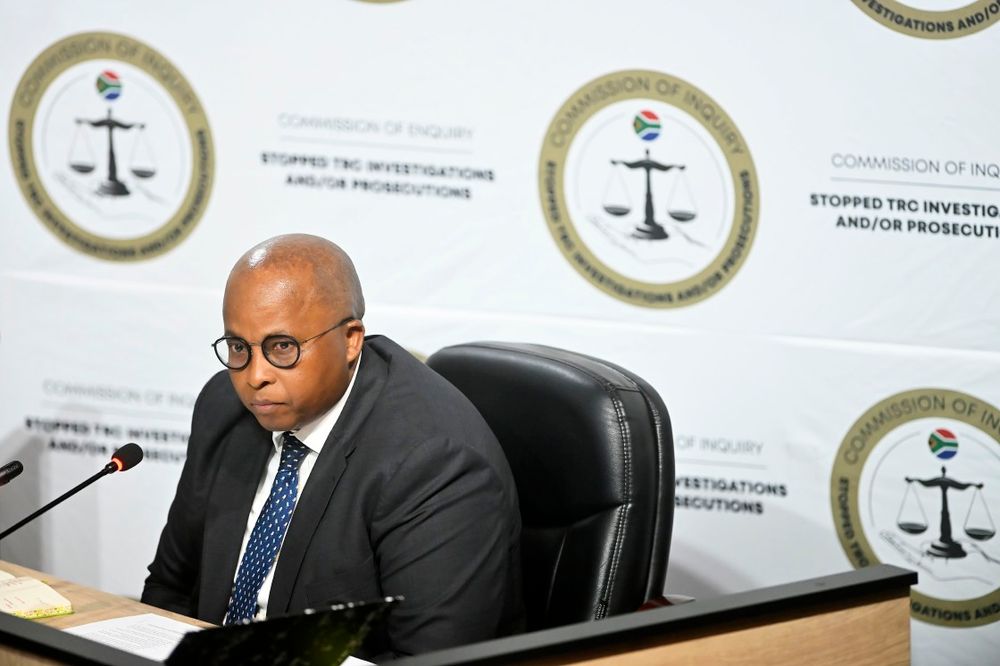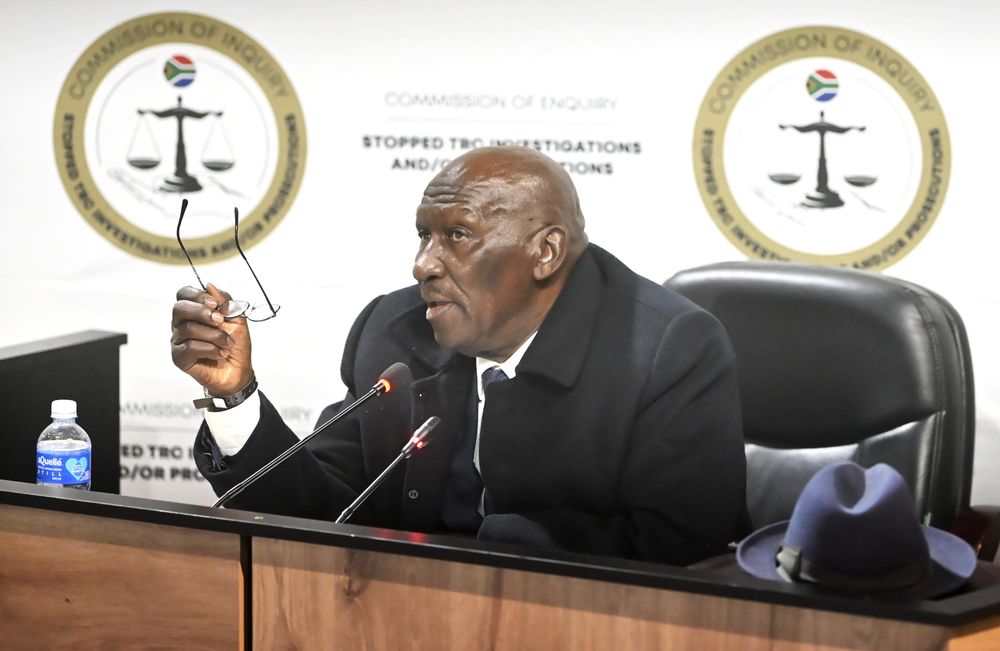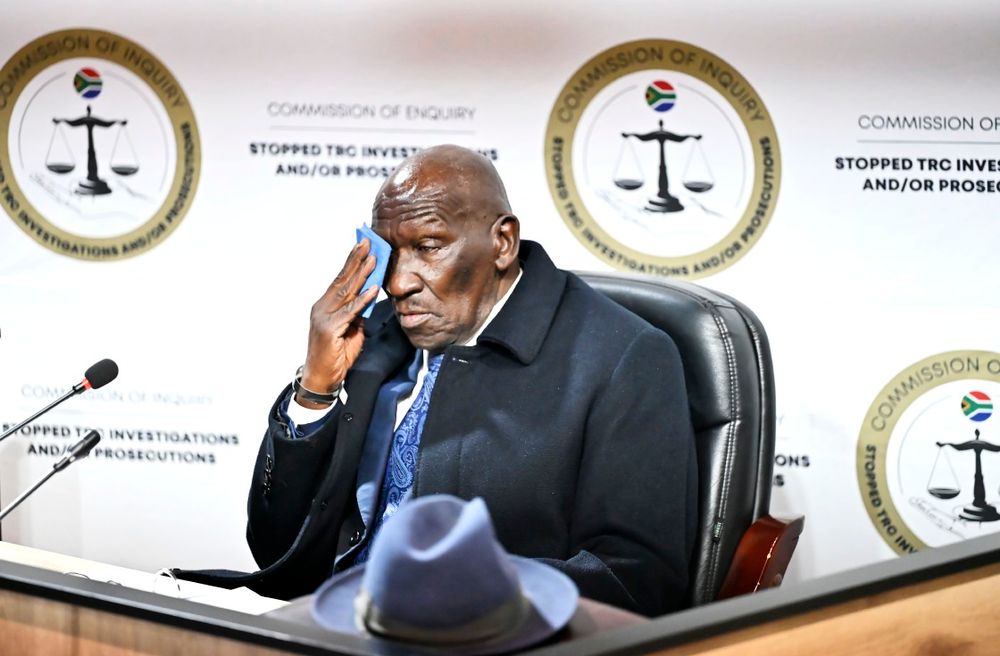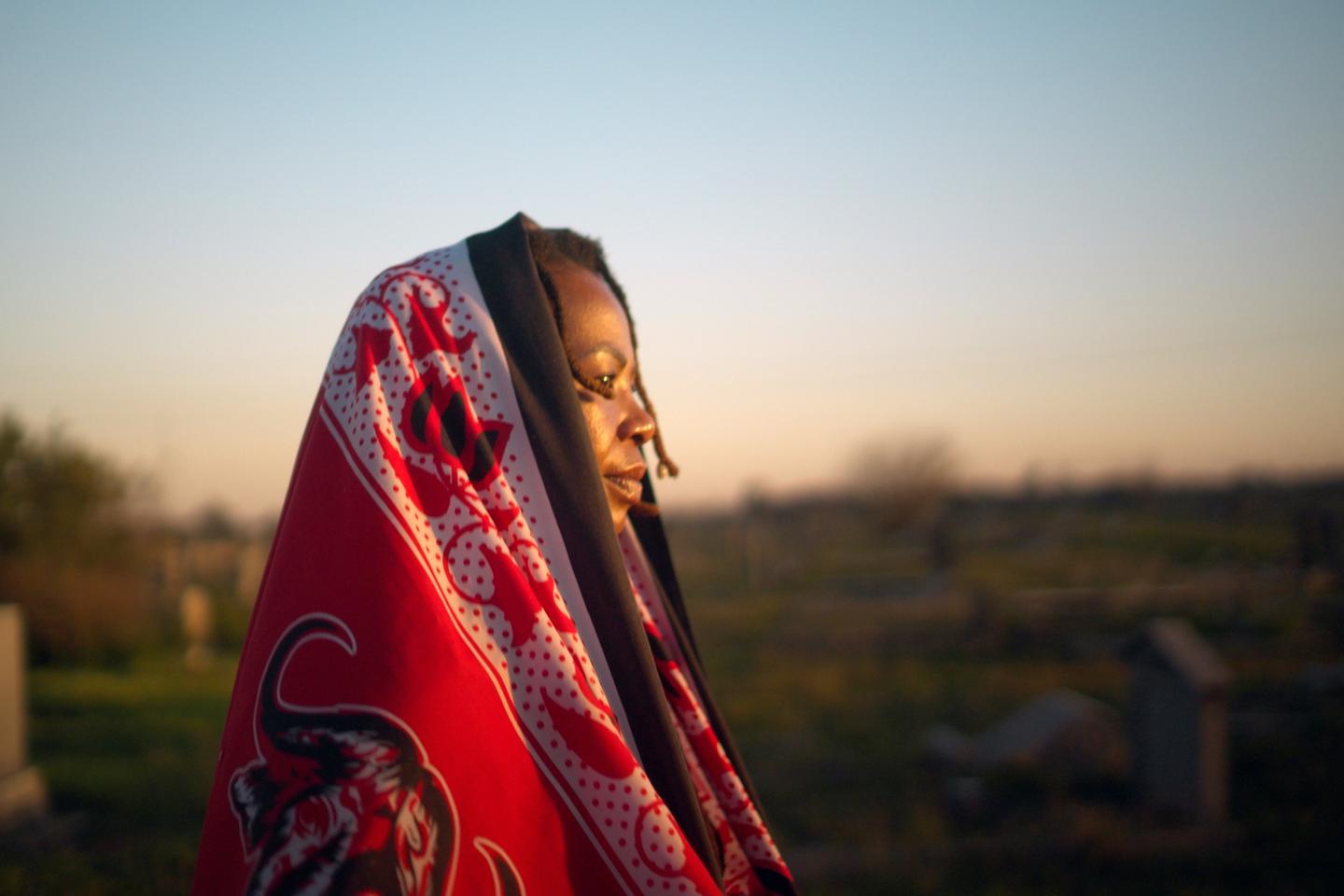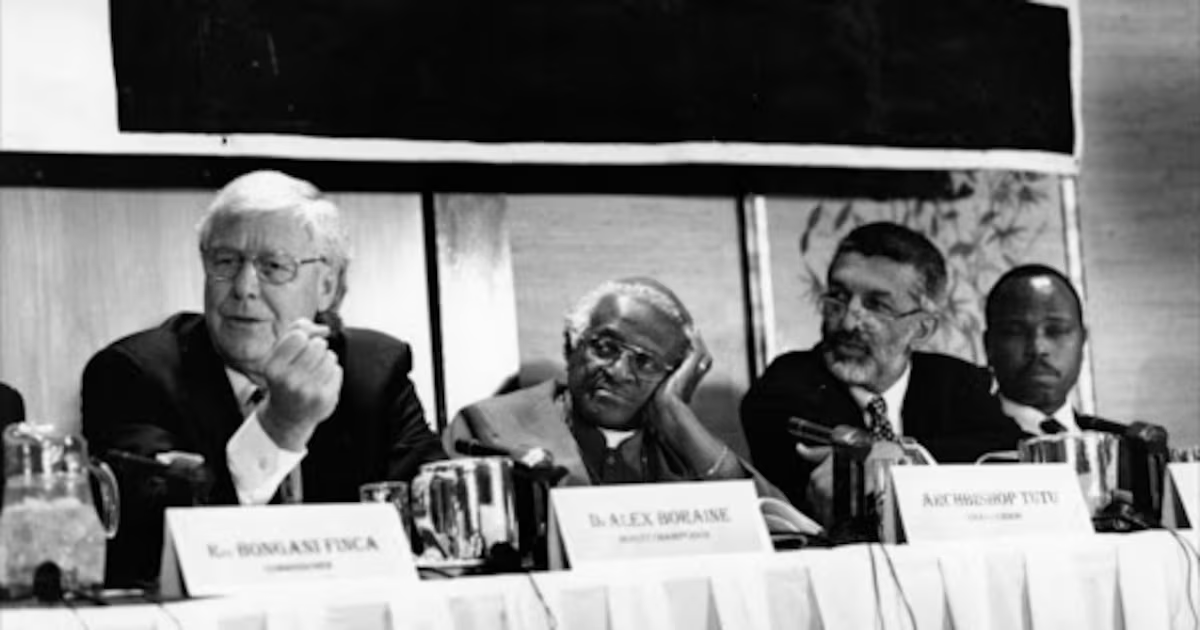
I recently attended the launch of an exhibition at the Apartheid Museum called Grave Injustice: The Unfinished Business of the TRC. The event included the screening of the extraordinary film, Bones of Memory, one of a series directed by Enver Samuels with support from the Foundation for Human Rights and others. The film tells the story of Ntombi Kubheka, a member of umKhonto weSizwe who was murdered in 1987 by the security forces. Kubheka was lured to a meeting with a man she thought was an ANC operative but was in fact a member of the notorious Vlakplaas terror unit. They met at Battery Beach in Durban, where Kubheka was abducted. She was then interrogated, tortured and murdered, her body dumped nearby. From the point of view of her family, she simply disappeared. Her death was only confirmed when several members of the security forces applied for amnesty at the Truth and Reconciliation Commission. The film focuses on the life of Ntombi’s daughter Thuli, who was three years old when her mother was murdered. Raised largely by her elder brother, Thuli suffered the trauma of living without a mother or breadwinner. Though reluctant to be filmed at first, she emerges as an extraordinary figure. She has spent much of her life coming to terms with her mother’s disappearance and with the TRC process and its aftermath. She has worked with the Missing Persons Task Team to try to locate her mother’s remains and bury them. The team has acted with tremendous compassion and expertise to try to find Ntombi’s remains. They identified a grave that appeared to match the description, only to find out, after a long process, that the DNA did not match. Thuli endured all of this and speaks movingly of this process. Despite terrible difficulties, she has managed to make a life for herself and her daughter, with whom she lives in a rented room in a Durban township. She comes across as a wise, reflective person and a tender, deeply committed mother. There has been no justice for Kubheka and little support for her family. The premise of the TRC was that perpetrators who were granted amnesty were protected from prosecutions but that those who did not apply, or who were not granted amnesty, would be prosecuted. For reasons that are difficult to fathom, the state failed to pursue prosecutions for decades. Eventually, following several legal challenges, the Khampepe commission was appointed to investigate whether there was political interference in this process. The work of the commission was delayed a number of times but is now under way. However, an application has been brought by former presidents Jacob Zuma and Thabo Mbeki, which may disrupt the proceedings or even bring them to an end. Revelations so far suggest multiple failures by state actors. Whether there was deliberate interference remains to be seen. Meanwhile, the state has started to act and should do much more. Several inquests into apartheid-era deaths have been reopened. The minister of justice has recently announced a new housing grant for some TRC victims, though this is for a limited subset of cases. It is not nearly enough. At the conclusion of the TRC, the state established the President’s Fund to support victims. This fund holds nearly R2bn of unspent money. Thirty years have passed. The fund should be mobilised urgently to establish an appropriate programme of support. Kubheka was murdered by state agents paid by the public purse. Her small children were left bereft and vulnerable. Other families are in a similar position. We owe them all a tremendous debt of gratitude and respect. • Bethlehem is an economic development specialist and partner at Genesis Analytics. She has worked in the forestry, renewable energy, housing and property sectors as well as in local and national government. She writes in her personal capacity. She is married to the curator of the Apartheid Museum.Business Day
LAEL BETHLEHEM | Thirty years after the TRC, many victims still await justice
The story of Ntombi Kubheka shows how SA has failed victims of apartheid-era crimes
651 words~3 min read