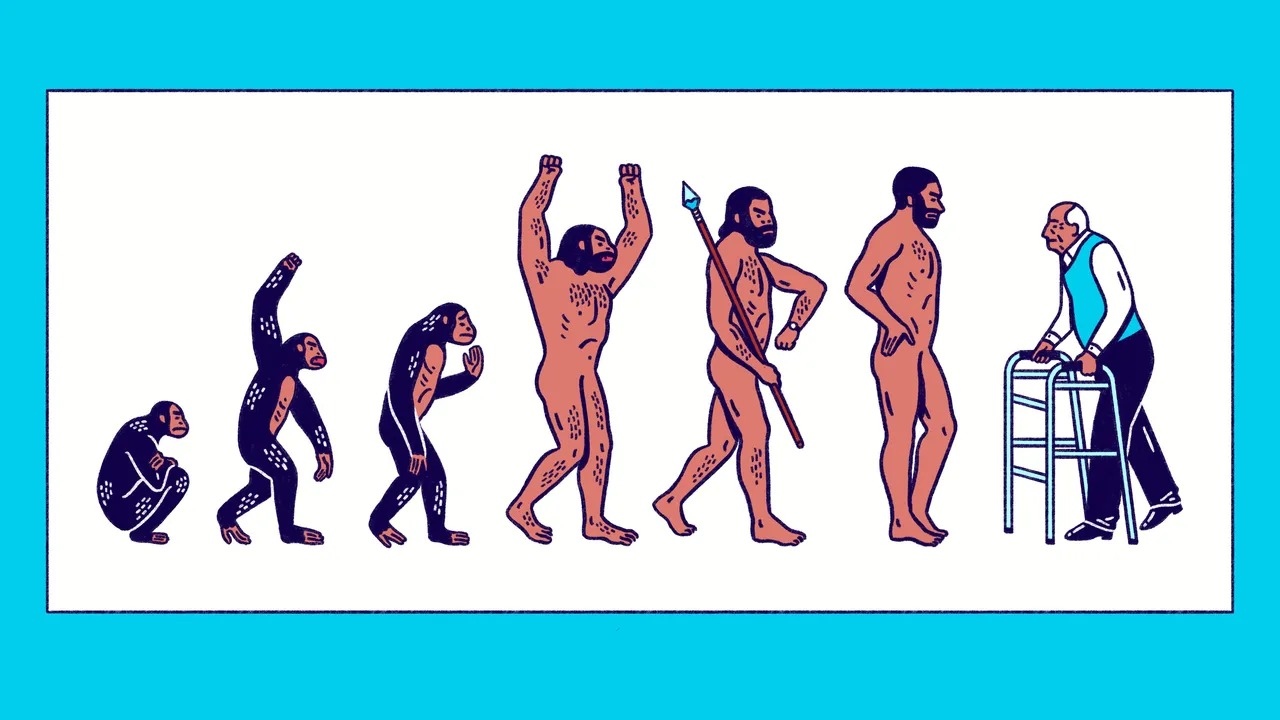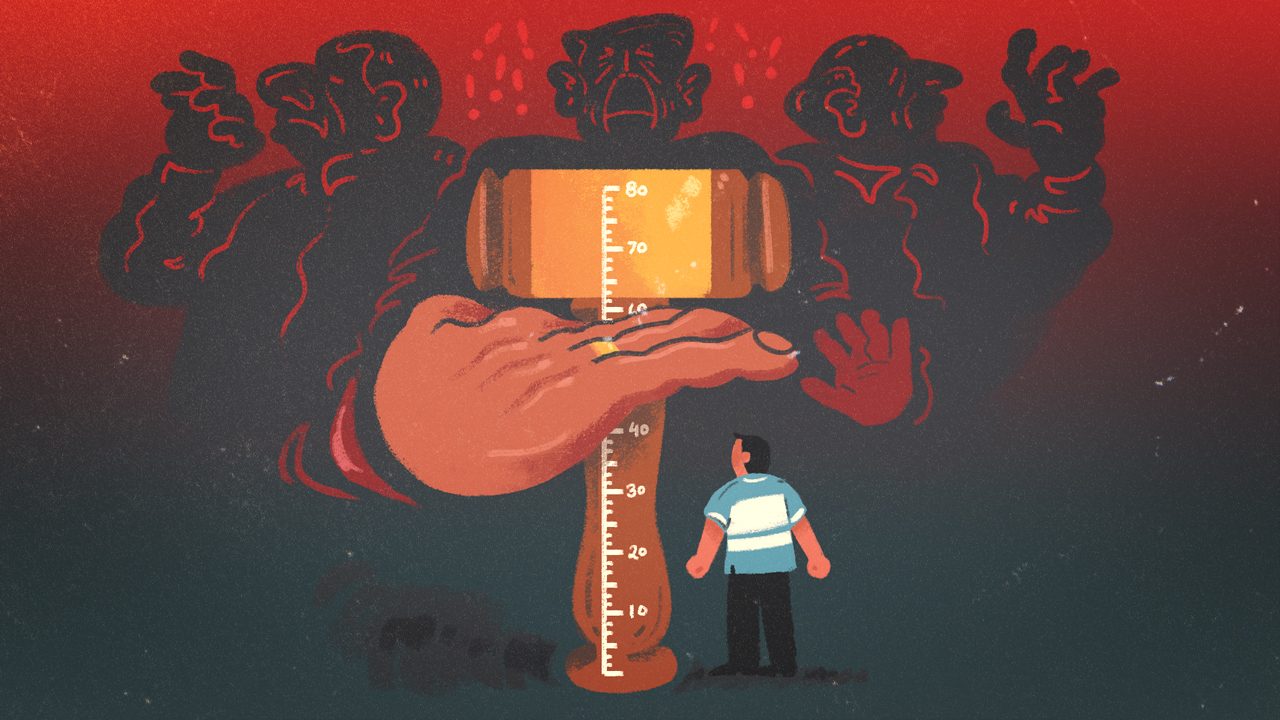
Old age is one defining feature of our national political landscape. It complements other factors, especially fat and overstaying political dynasties, that enable the rule of mostly senescent patriarchs and their children at the expense of sidelining young, non-dynastic voices.
This is not to say that all aging politicians are wicked, nor do young politicians from fat dynasties necessarily advance the welfare of the youth. Yet, when they and their family members normalize their possession of political power over time — through the corruption-plagued systems of Sangguniang Kabataan (Youth Council) and party-list, for example — the opportunity for independent, youthful politics is constrained to its limits.
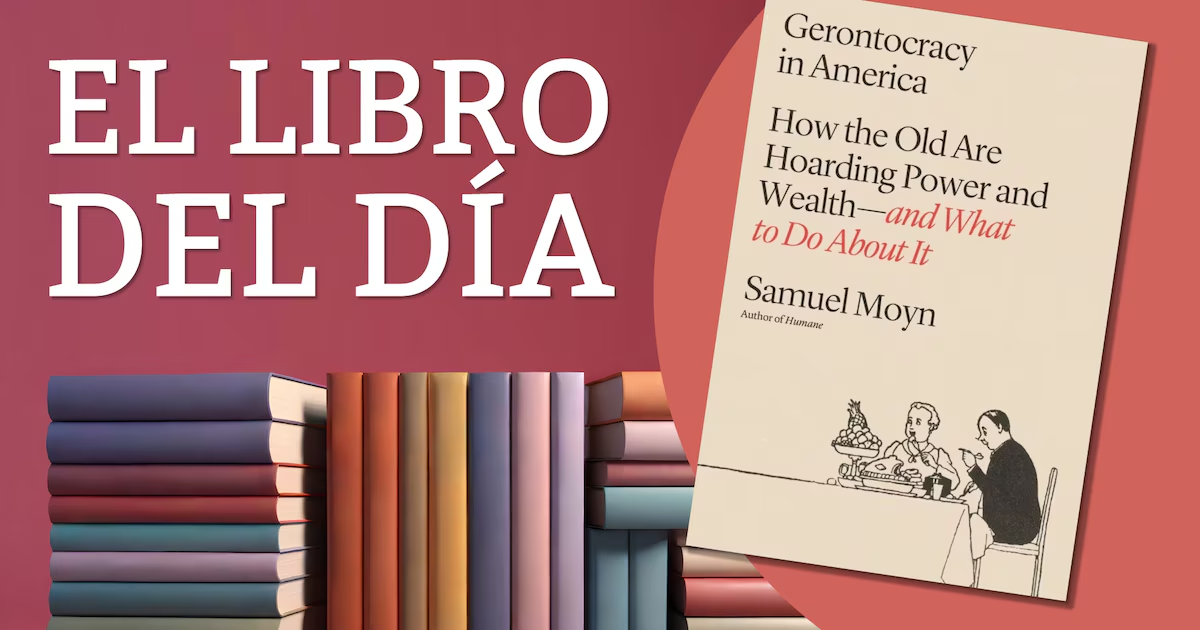
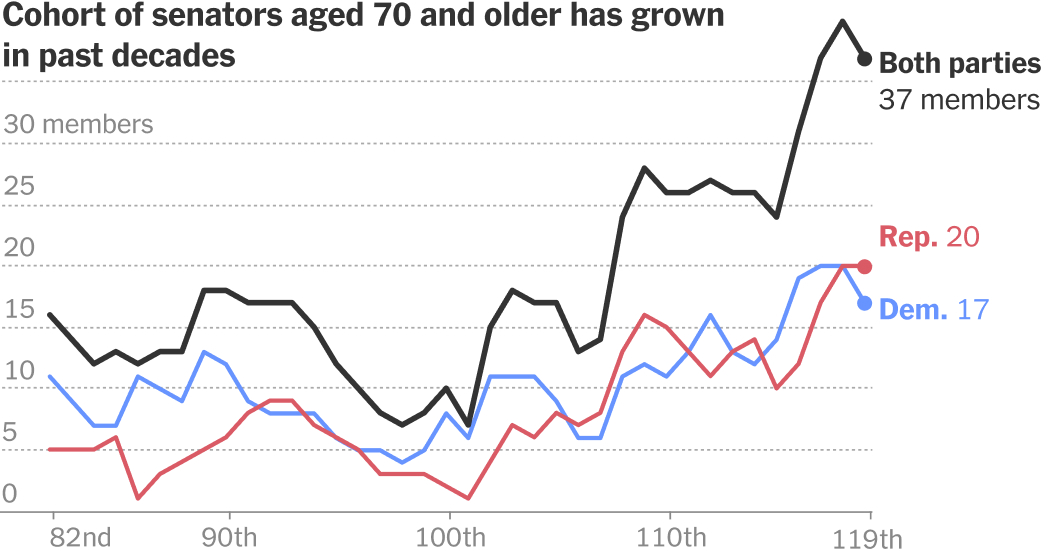
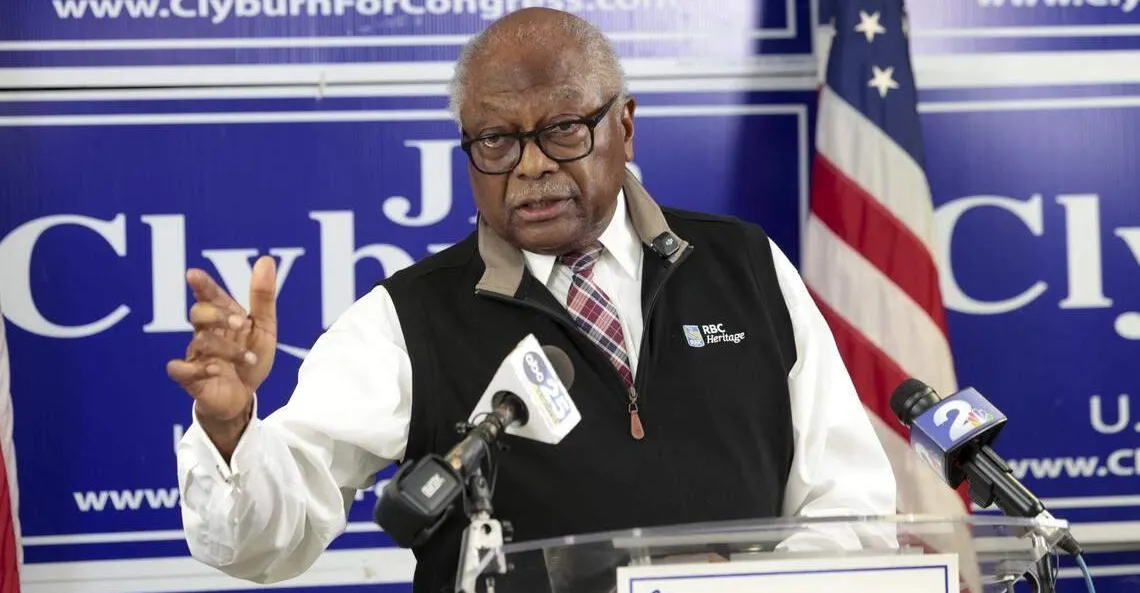
Gerontocracy is bad not only because it uncovers the rule of old, mostly men, but also, as in the case of the United States, it shows how the massive accumulation of power and wealth over the years by the old can, as a consequence, curtail the prospects of the young.
We are, of course, no stranger to the rule of old and powerful in national politics alone.
The average age of elected Philippine presidents since the 1986 People Power revolt is 59, which is remote from the constitutional requirement of at least 40 years old.