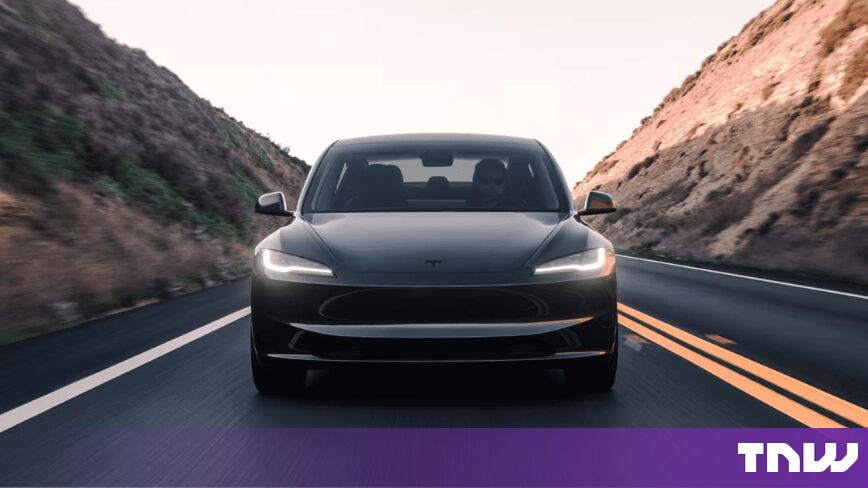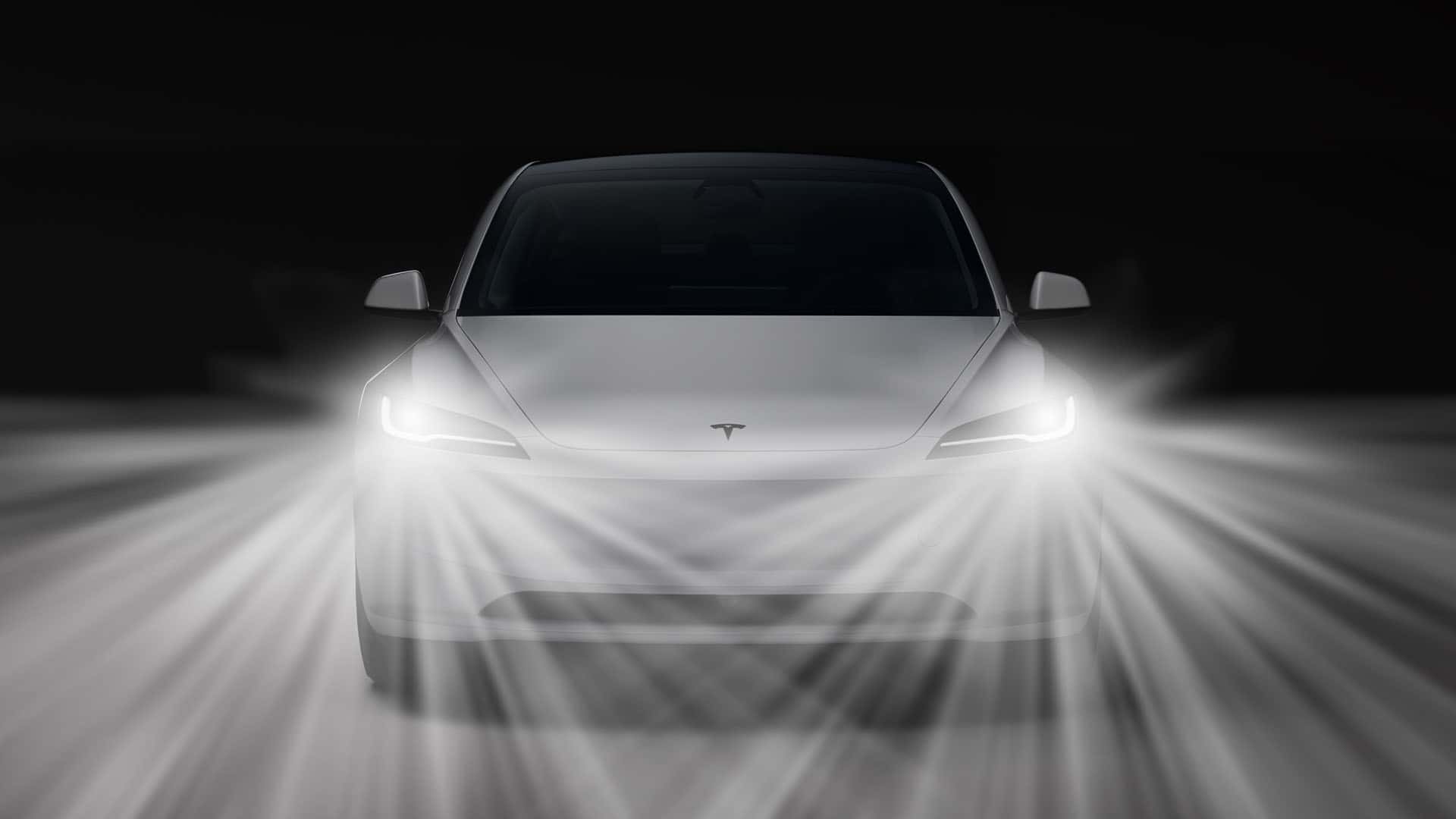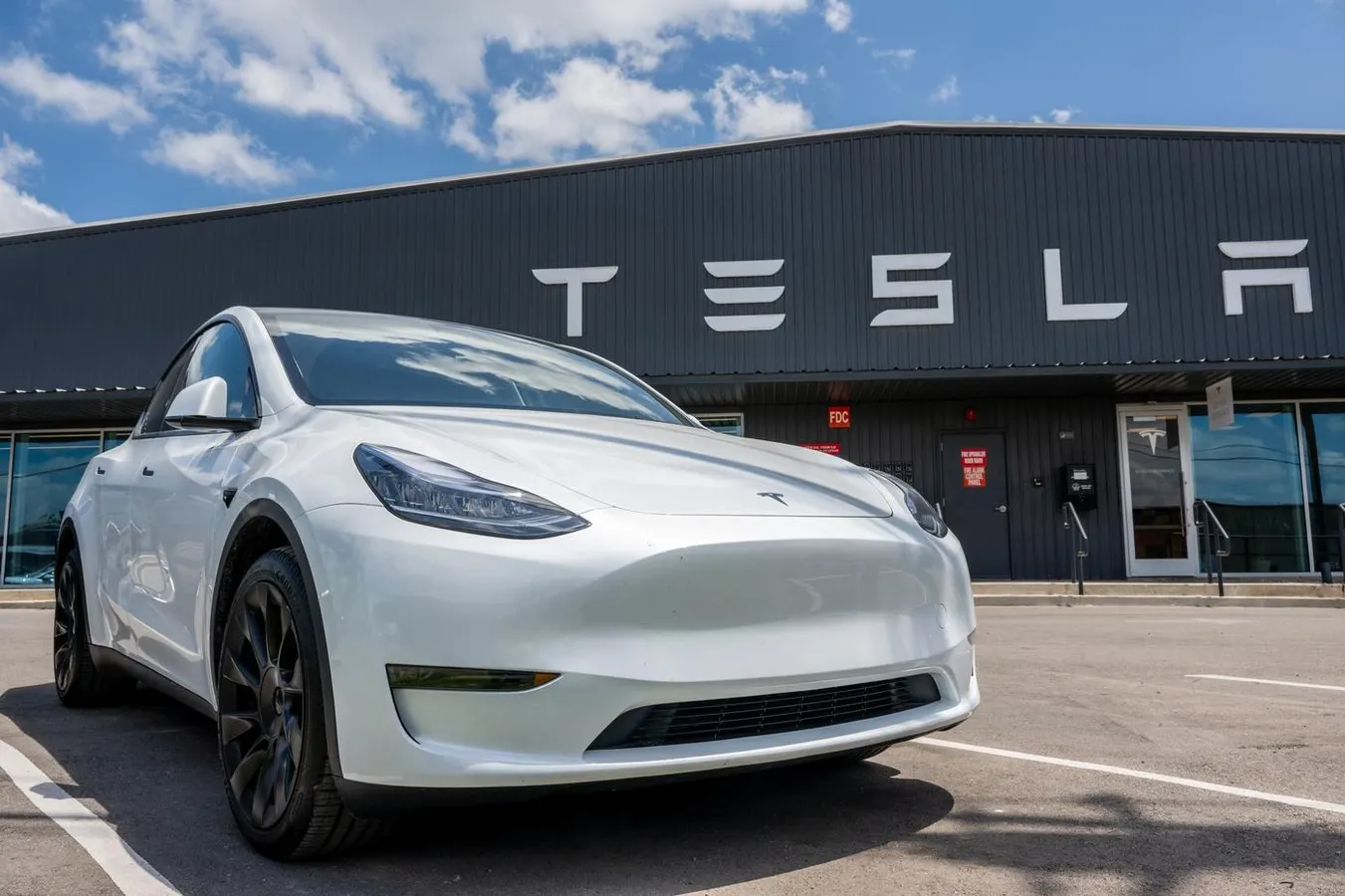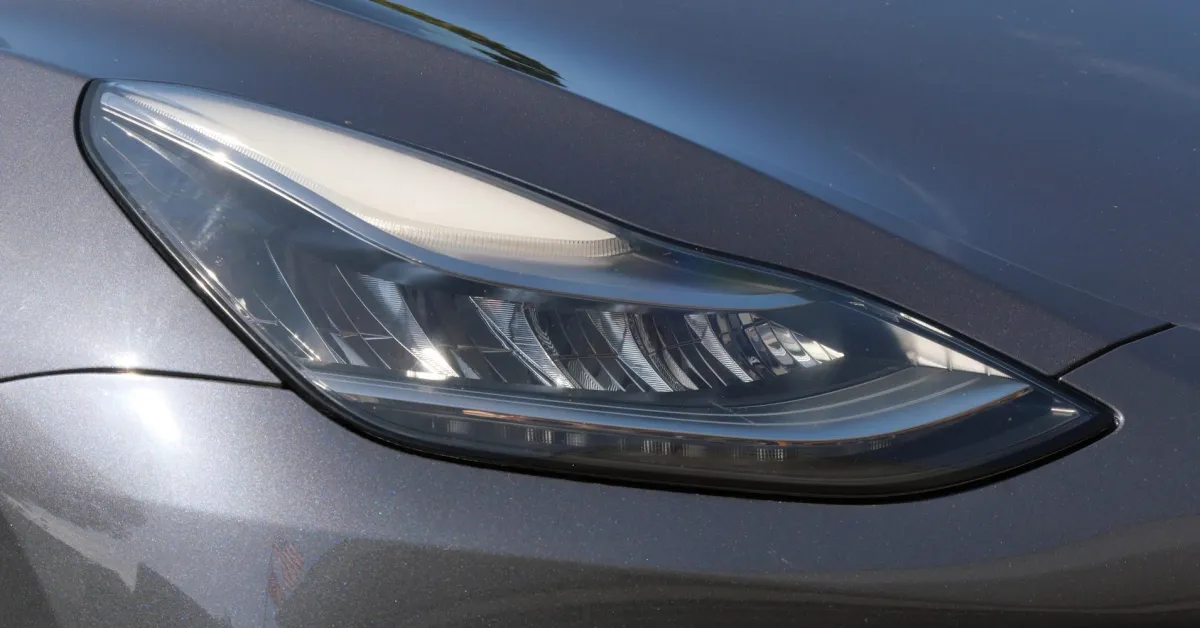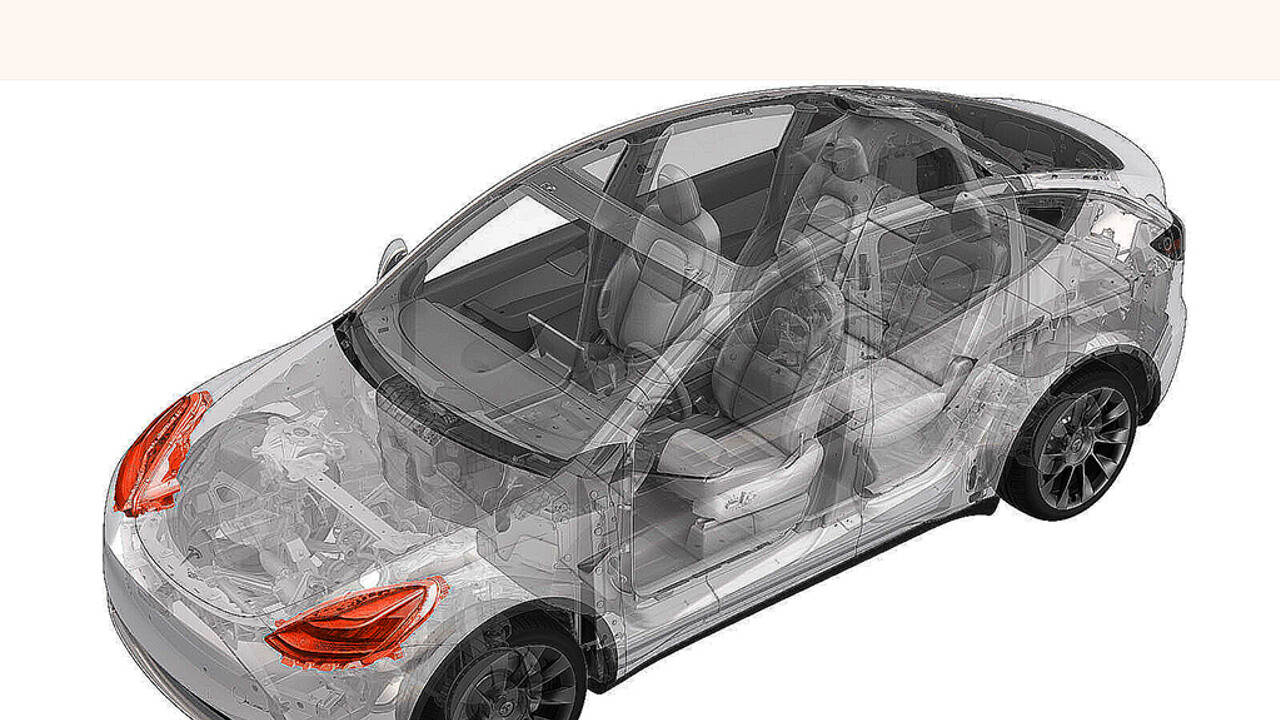
SynopsisTesla argued the issue was inconsequential to motor vehicle safety and did not require a recall or notification to consumers. NHTSA said it disagreed with Tesla's conclusion that there is no increased risk of glare for surrounding traffic or the driver of the vehicle. The recall covers about 19,900 2017-2023 model year Tesla Model 3 and Tesla Model Y vehicles, NHTSA said.The National Highway Traffic Safety Administration on Thursday said it was denying a 2024 petition filed by Tesla to avoid a recall fix for nearly 20,000 vehicles with headlights that may exceed maximum lighting levels.Tesla argued the issue was inconsequential to motor vehicle safety and did not require a recall or notification to consumers. NHTSA said it disagreed with Tesla's conclusion that there is no increased risk of glare for surrounding traffic or the driver of the vehicle. The recall covers about 19,900 2017-2023 model year Tesla Model 3 and Tesla Model Y vehicles, NHTSA said.Tesla did not immediately respond to a request for comment.The agency noted in 2022 it rejected a similar petition from GM to avoid fixing 820,000 vehicles over a lighting issue.Tesla added it is unaware of any complaints or reports of accidents or injuries related to this issue and believes it is inconsequential to safety.NHTSA said weather conditions such as rain, snow, and fog "could result in light from the noncompliant lamps causing veiling glare to the driver or other road users driving" near those Tesla vehicles.A survey released by the American Automobile Association in March said 6 in 10 drivers say glare is a problem after dark, and nearly three-quarters of those believe it has worsened over the past decade.NHTSA in 2022 rejected a petition to require a recall for vehicles using LED headlights including some Tesla Model 3, Ford Bronco, and Rivian R1T motor vehicles. The petition had argued they caused excessive glare. ...moreElevate your knowledge and leadership skills at a cost cheaper than your daily tea.Subscribe Now
Tesla headlight recall: US agency denies Tesla petition to avoid recall fix over headlight issue - The Economic Times
Tesla argued the issue was inconsequential to motor vehicle safety and did not require a recall or notification to consumers. NHTSA said it disagreed with Tesla's conclusion that there is no increased risk of glare for surrounding traffic or the driver of the vehicle. The recall covers about 19,900 2017-2023 model year Tesla Model 3 and Tesla Model Y vehicles, NHTSA said.
325 words~1 min read