Academia
Governments can prepare for persistently high energy prices, but they cannot anticipate every possible market outcome.
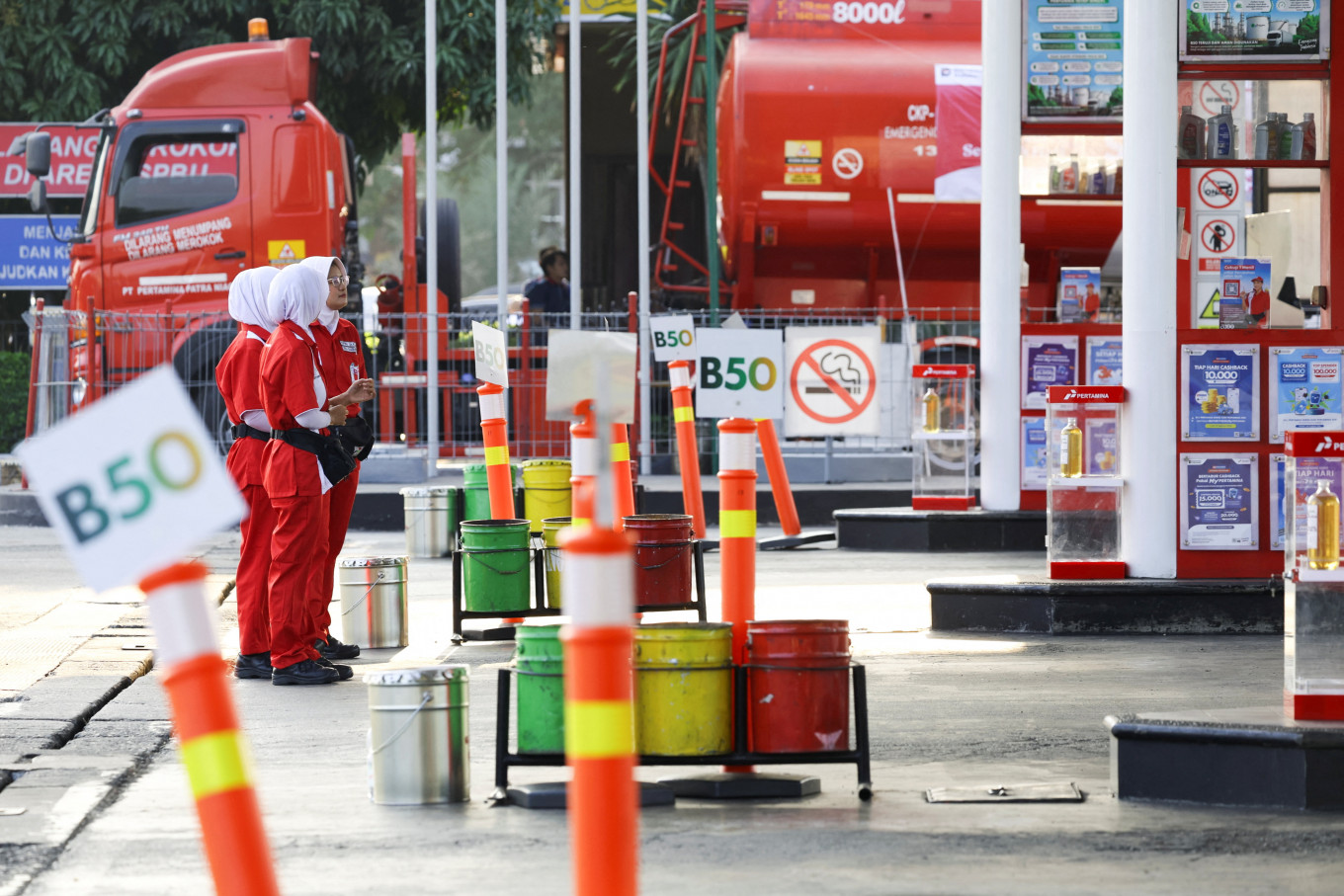
Workers stand at a petrol station for biodiesel containing 50 percent diesel fuel made of palm oil in Karawang, West Java, on July 9, 2026. (Reuters/Ajeng Dinar Ulfiana)
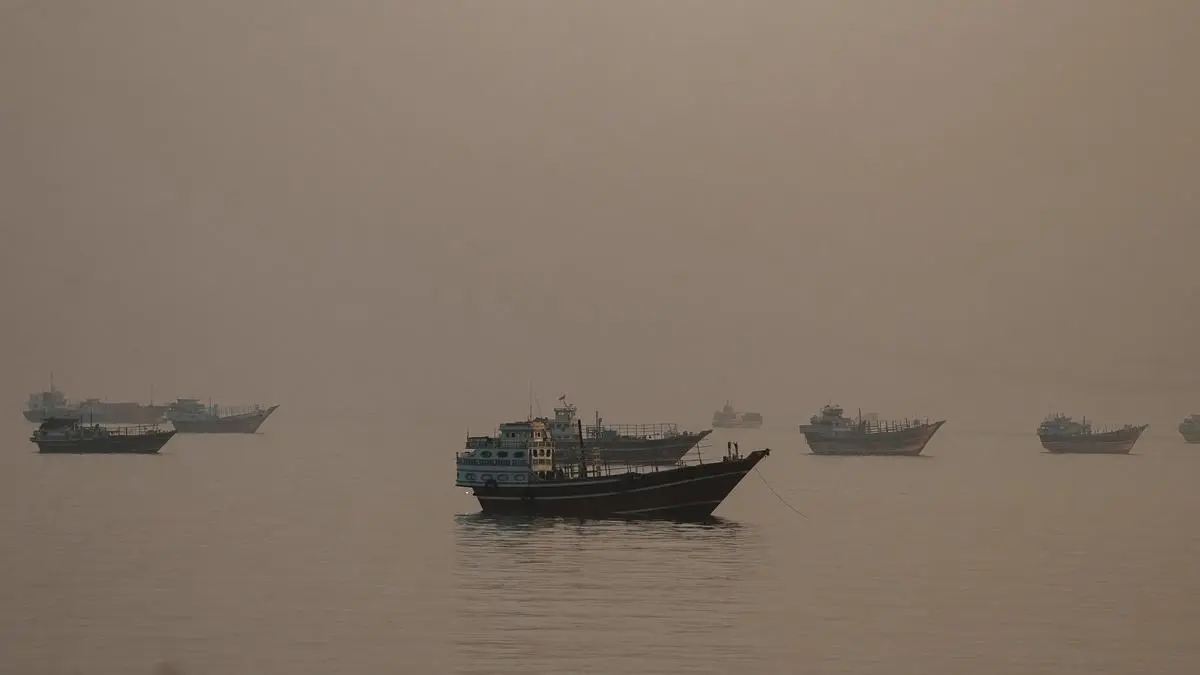
The past four months have demonstrated just how volatile oil markets can be. In March, Brent Crude climbed above US$100 a barrel for the first time in four years, reaching $119 on March 9, its highest level since the 2022 energy crisis, as Iran’s closure of the Strait of Hormuz brought tanker traffic to a near-standstill. Prices remained elevated for months and were still above $105 in mid-May.After the United States and Iran agreed to a ceasefire in June and began negotiations on a permanent settlement, the Strait gradually reopened, though the process has been repeatedly interrupted by renewed clashes. As a result, prices declined sharply, falling into the low $70s by late June, before ticking up again with the resumption of hostilities.
These dramatic swings have provided a real-world stress test for energy-importing economies, particularly the ASEAN+3 countries. With roughly 84 percent of crude shipments through the Strait of Hormuz destined for Asian markets, and China sourcing nearly 50 percent of its oil imports through that single choke point, the region bore the brunt of the global energy shock.