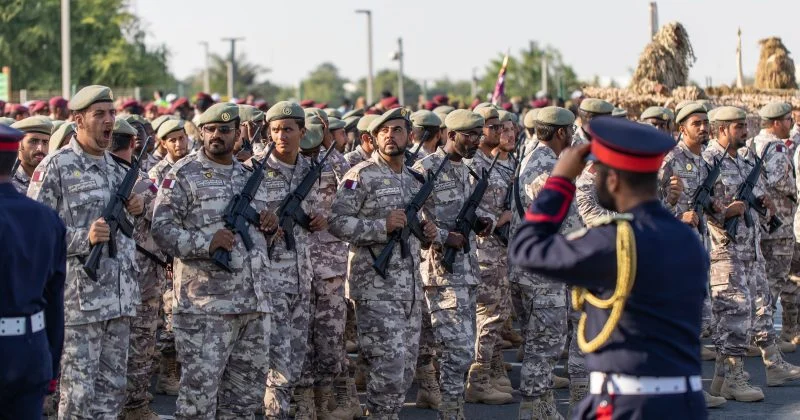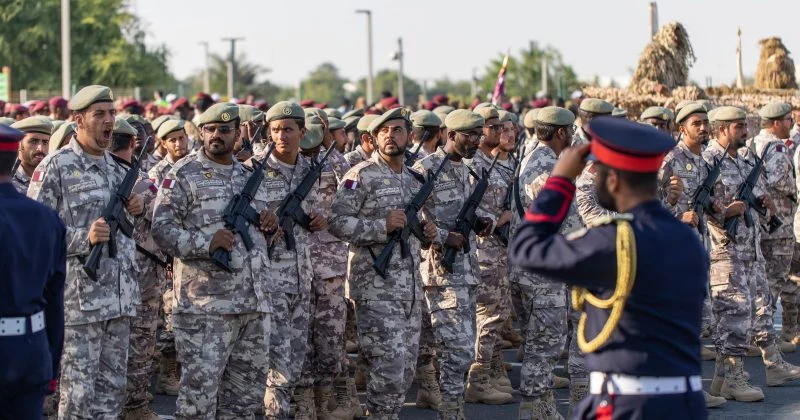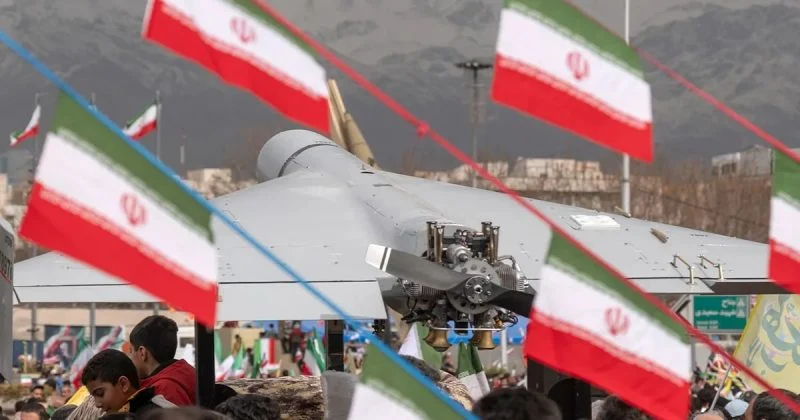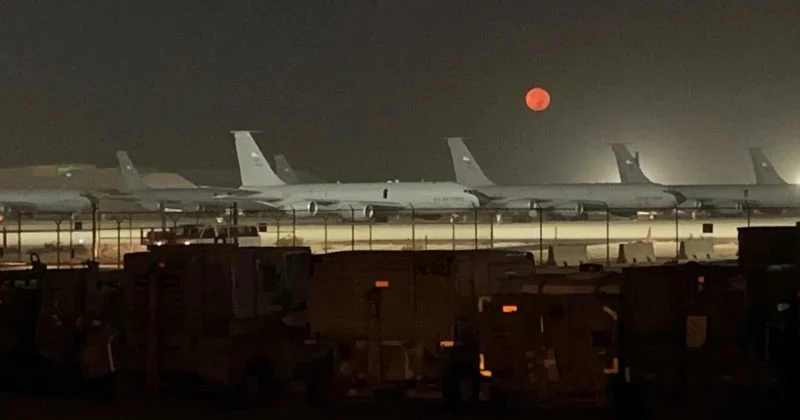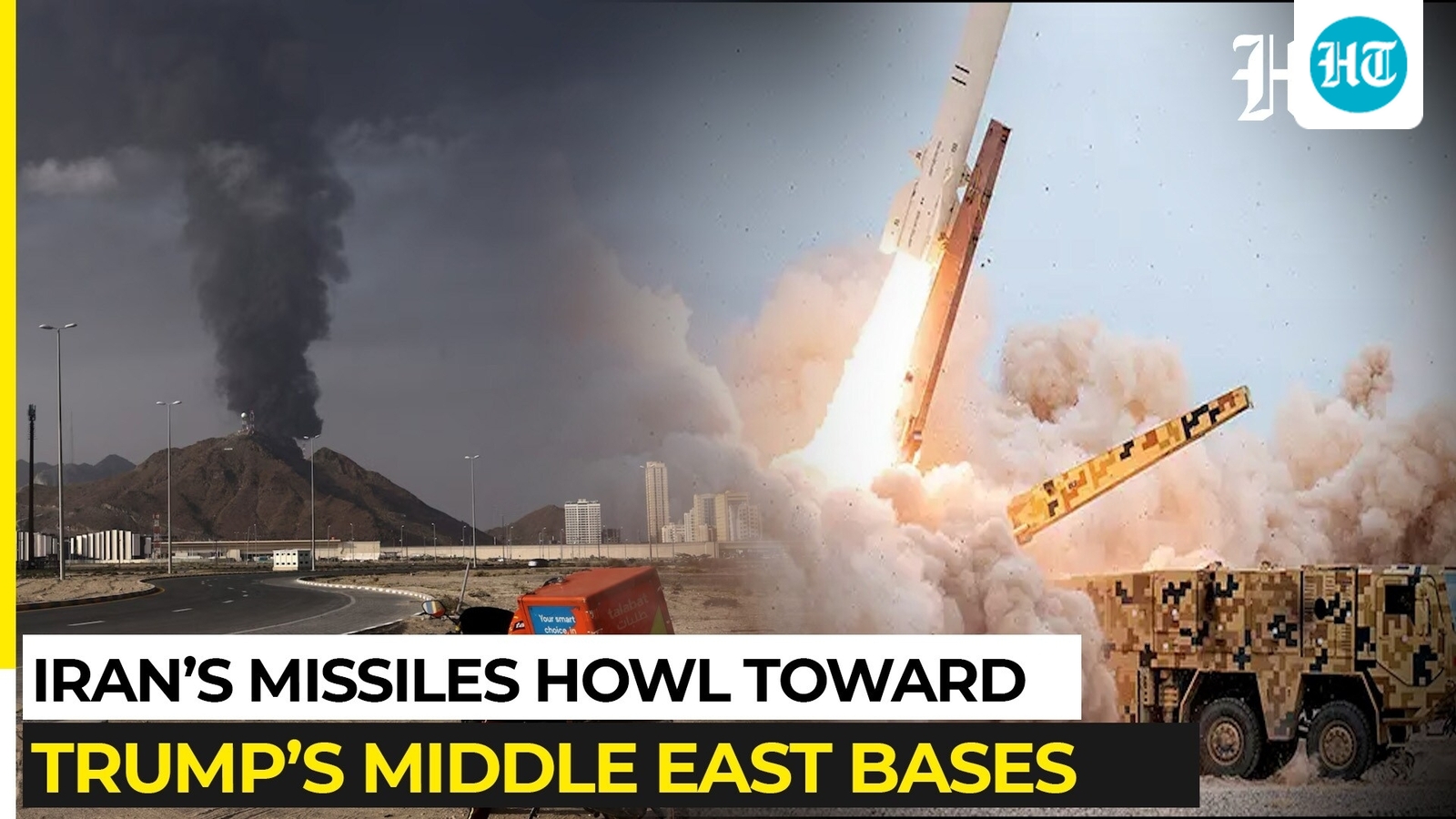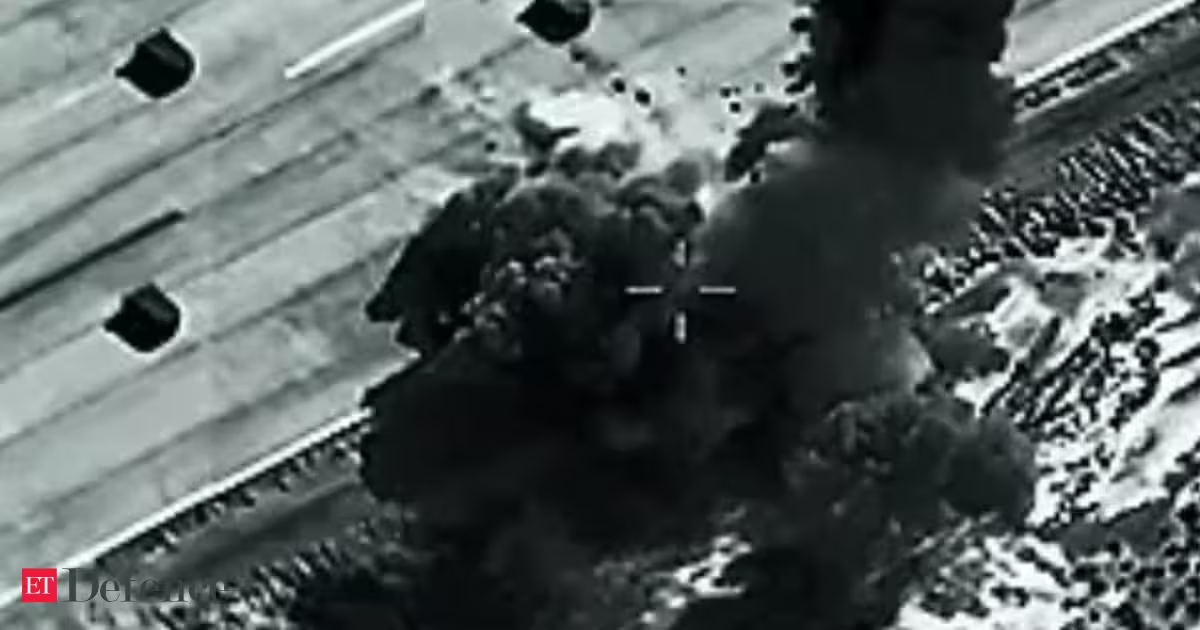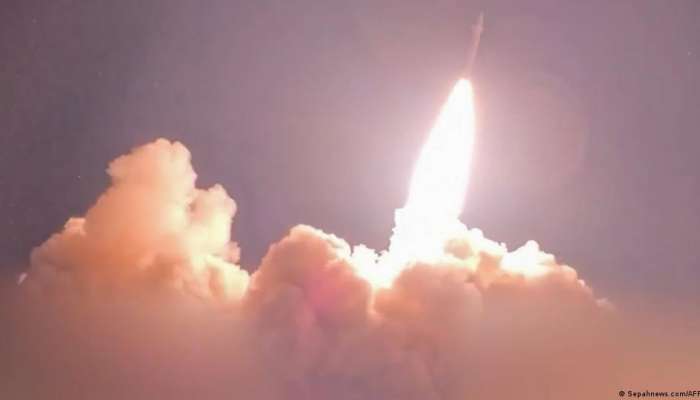
Qatar’s Defence Ministry announced the interception of a missile attack, raising concerns about regional security and potential escalation of tensions in the Gulf. This development comes amid heightened geopolitical activities in the Middle East. The interception, coupled with China’s central bank injecting its largest weekly liquidity since January 2023, adds layers of complexity to the current economic and political climate.
In prediction markets, this event appears to have influenced the US-Iran effective ceasefire odds significantly. The odds of a ceasefire being declared by July 18 have decreased to 4.5% from 6% over the past 24 hours, suggesting market participants’ perception of increased regional instability. Other sub-markets related to the ceasefire have also seen fluctuations, indicating a broader impact on the expectations for diplomatic resolutions in the region.
The Strait of Hormuz, a critical maritime chokepoint, remains under close observation. The odds of traffic normalization by July 31 remain low at 1%, highlighting persistent concerns about potential disruptions in the wake of escalating tensions.
Key Takeaways
Qatar’s interception of a missile attack suggests rising tensions in the Gulf region, which may impact diplomatic efforts.