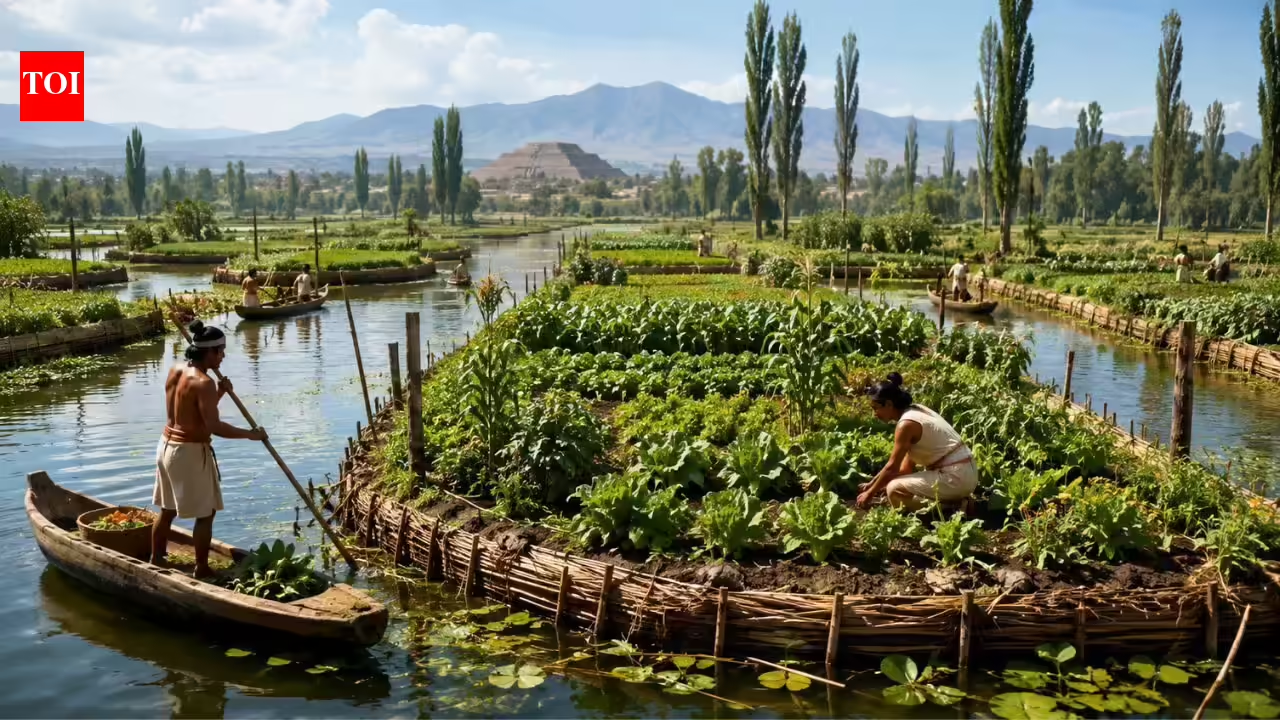
At the southern edge of Mexico City, where traffic and buildings surround what remains of an ancient lake landscape, narrow canals still weave between patches of green farmland. These fields are not ordinary plots of soil. They are chinampas, carefully constructed agricultural islands created centuries ago in the shallow waters of the Valley of Mexico. Built by generations of Indigenous farmers, the raised gardens transformed wetlands into productive farmland and supported the growth of one of Mesoamerica’s greatest cities. Although their numbers have declined, chinampas continue to preserve an unusual farming system where water, soil, plants and human labour remain closely connected.The ancient engineering behind Mexico’s artificial islandsThe term ‘chinampa’ is derived from the language known as Nahuatl, which translates to an enclosed space made up of plants. These gardens, commonly referred to as 'floating gardens', are not technically floating; they are fixed on top of lake beds, and have several layers of earth forming raised platforms over the water.Construction of a chinampa involved elaborate planning and laborious work. The farmers had to select appropriate areas of shallow lake terrains and insert wooden posts in the lake bed to define the boundaries of the field. The areas between the posts were filled with woven plant materials such as reeds and branches to form boundaries. Willow trees would also be planted along the borders, preferably species of willow trees which thrive in wet conditions. The growing roots of the willows contributed to holding the garden together.Once the framework was constructed, soil and mud collected from the lake water would be layered within the boundaries of the garden. This would lead to the formation of a raised fertile garden above the lake bed surface.The shape and size of these artificial islands varied. Some were small garden plots, while others stretched much farther across the water. Their design allowed farmers to create reliable growing spaces in places where natural farmland was limited.The canals that powered an ancient farming systemThe functionality of the chinampas depended upon an interdependence with the natural environment. The canals that separated one plot from another was not a mere empty space between the plots. It formed a part of the whole agricultural process.Water naturally flowed through the soil, making it possible for the crops to be watered by underground moisture. Additionally, the farmers regulated the water levels with the help of various channels, dams, and drainage systems in order to prevent the fields from being flooded excessively. The canals served as transportation routes for transporting crops, tools, and organic materials by boat.The raised earth combined with regulated water flow formed a steady ecosystem which allowed for the constant farming throughout the whole year rather than during just one specific time period.Moreover, the landscapes formed the little ecosystems themselves. The canals served as home for the aquatic creatures while the fields served as habitat for all kinds of plants, insects, birds, and microorganisms. The surrounding of the field was covered with trees which shaded the crops from the wind.How chinamperos kept the soil fertileMaintaining a chinampa was a continuous task. The farmers who worked these fields, known as chinamperos, regularly renewed the soil instead of allowing the land to lose its fertility.One traditional practice involved removing nutrient-rich material from the bottom of canals and spreading it across the fields. The dark sediment contained decomposed plant matter and other organic material that improved the quality of the soil. Cleaning the canals and feeding the fields became part of the same process.Compost made from household waste, plant remains, ash and other organic materials was also added. Crop leftovers were returned to the soil, helping retain moisture and reduce weed growth.This careful management allowed chinampas to produce a wide range of crops. Ancient farmers grew staples such as maize, beans and squash, along with vegetables, herbs and flowers. The combination of different crops helped make efficient use of the limited space. Corn provided support for climbing beans, beans contributed nutrients to the soil, and squash leaves helped protect the ground from drying out.By the height of the Aztec Empire, chinampa agriculture had become one of the most productive farming systems in the region.How chinampas helped feed the Aztec capital When the Mexica people, often associated with the Aztec Empire, established their capital of Tenochtitlan on Lake Texcoco, they faced a difficult challenge. The city was built in a lake environment with limited natural farmland nearby. Chinampas offered a solution.The technique was not invented by the Aztecs. Earlier communities around the Valley of Mexico, including those near Xochimilco, had already developed forms of raised-field agriculture. The Mexica adopted and expanded these methods as their city grew into a powerful political and economic centre.The agricultural islands surrounding the lakes helped supply food to a large urban population. Farmers transported harvests by canoe through the interconnected waterways, bringing produce to markets around Tenochtitlan.The system was highly organised. Land management, irrigation and the movement of resources were closely linked to the needs of the city. Even human waste from urban areas was collected and used as fertiliser, returning nutrients back to the fields.Flowers were also an important part of chinampa cultivation. In Aztec culture, flowers carried religious and artistic significance, and the gardens around the capital supplied plants used in ceremonies and daily life.Xochimilco’s surviving chinampa landscapeMost of the lakes around the Aztec capital were drained after the Spanish conquest and even after that, with the growth of the city. However, some parts of the chinampa land were saved in Xochimilco, which is south of Mexico City nowadays.The canals and agricultural plots of this place are a reminiscence of the history of the area before the invasion. People use traditional and modern knowledge to grow vegetables, flowers, and herbs.There are only a few plots left of the chinampas, because many plots have been abandoned and transformed into something else. It has become harder and harder to farm because of the urbanization of the area and its pollution, as well as the change of economic situation.To keep a chinampa productive is time-consuming and it requires some knowledge and experience.How ancient farmland became a refuge for a rare amphibianThe survival of chinampas goes beyond agricultural considerations. The waterways of Xochimilco contain one of the last known habitats of the axolotl, an amphibian unique to the valley of Mexico.Axolotls have existed since ancient times when they were well-known among the Aztecs, before acquiring worldwide notoriety due to their body regeneration capability. Currently, the wild population of axolotls is threatened by habitat destruction, pollution, and introduction of invasive species like carps and tilapias.The small canals surrounding the chinampa farms are places which axolotls can use to evade some of these problems. However, as agricultural production practices become less common, so do the canals supporting them.In Xochimilco, efforts to restore the agricultural and natural environment go hand-in-hand, as protecting chinampas will protect the habitats where the farming and wildlife co-exist.The people preserving Mexico’s last chinampa fieldsChinampas are among the few ancient farming systems that have been able to survive even today. The effectiveness of such farming systems depends on how well the communities living there preserve the farmland and the canals from generation to generation.The issues are serious though. The majority of the land there is no longer under cultivation, and the expansion of Mexico City is altering the landscape every day. If it is not preserved, the landscape of the civilization might become a part of oblivion.Still, what is being preserved by the chinampas in Xochimilco is the history of the Indigenous adaptation of agriculture techniques to adverse conditions using simple means.
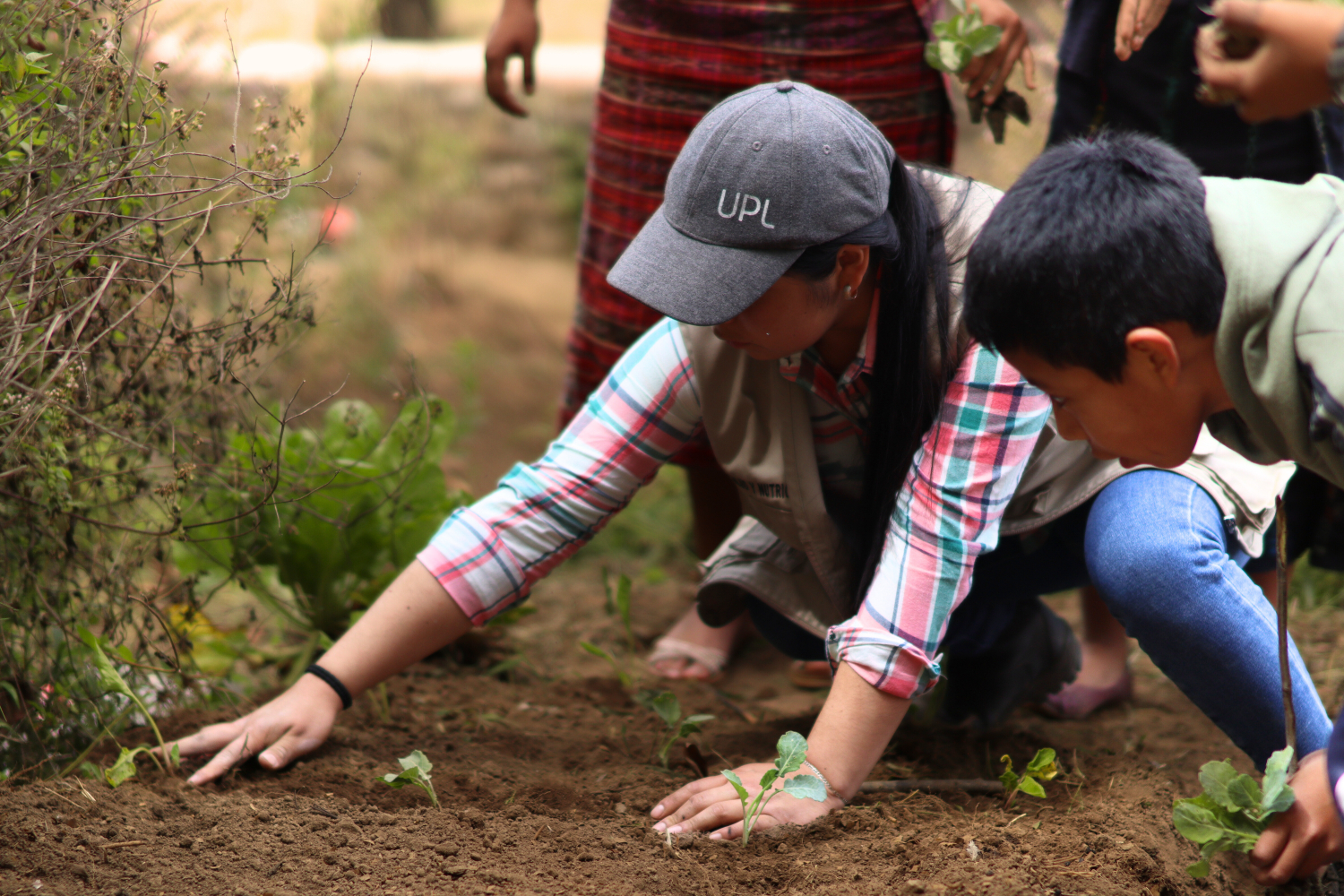
Mexico’s ancient farmers turned lakes into fertile farmland 1,000 years ago by building artificial islands from mud, plants and trees
At the southern edge of Mexico City, where traffic and buildings surround what remains of an ancient lake landscape, narrow canals still weave between patches of green farmland. These fields are not ordinary plots of soil.
1,261 words~6 min read