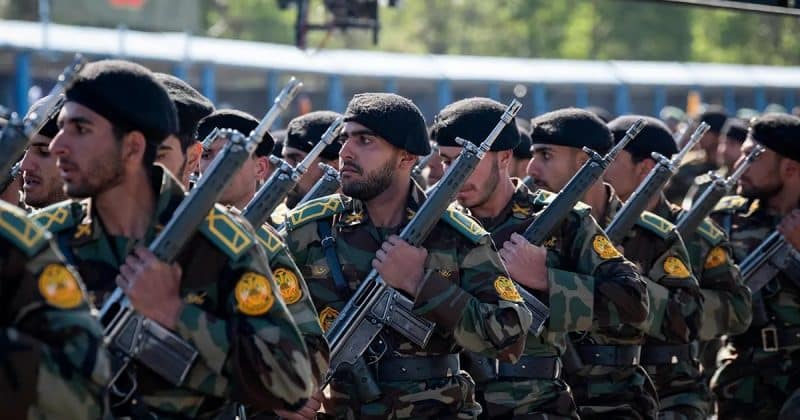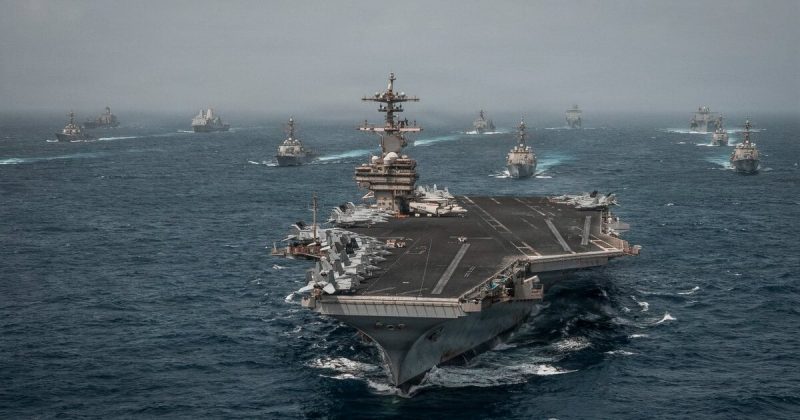
The prospect of a larger conflict between the United States and Iran has increased, while hopes for a quick de-escalation have diminished, according to recent reports. This shift in outlook follows recent escalations in the ongoing 2026 Iran War, which saw the collapse of a ceasefire agreement from June 2026. With the U.S. reinstating a naval blockade and launching new airstrikes, and Iran retaliating against U.S. bases and threatening energy exports, tensions have reached new heights. Market participants appear to interpret these developments as significantly lowering the likelihood of a US-Iran deal that includes reconstruction funding in 2026.
The current prediction markets reflect a substantial reduction in the probability of a US-Iran deal being reached this year. As of the latest updates, the odds for Iran reconstruction funding being part of such a deal in 2026 have dropped to 26%, a marked decline from 40% just a week ago. This suggests that participants view the escalating military actions and breakdown of diplomatic efforts as inconsistent with the conditions necessary for a diplomatic resolution involving reconstruction funding.
With the Strait of Hormuz under threat and military operations intensifying, the market implications are profound. The potential for an all-out regional war has raised concerns over global crude oil shipments, which could be severely disrupted, affecting both regional stability and global economic conditions.