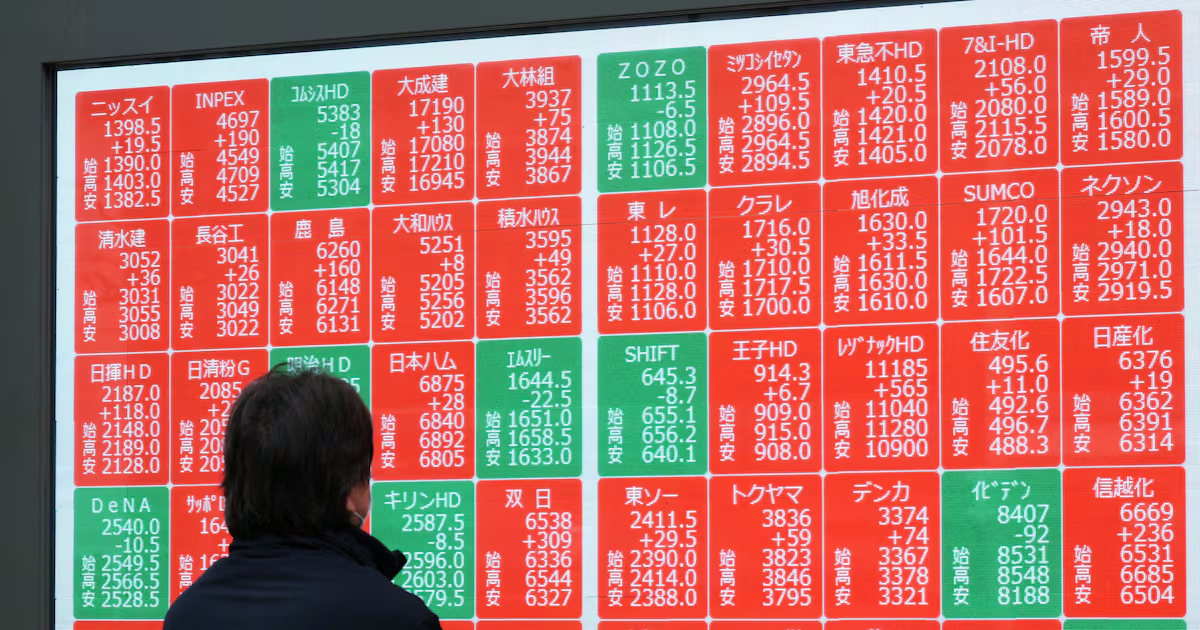
The semiconductor sector just had the kind of week that makes portfolio managers reach for something stronger than coffee. US chip and memory stocks cratered in a brutal selloff that wiped out more than $1 trillion in market value, with the Philadelphia Semiconductor Index (SOX) posting its largest single-day decline since March 2020.
The carnage was widespread. Nvidia shed $330 billion in market capitalization in a single session. Micron’s stock plunged as much as 13% during the worst of the selling. And the SOX index pulled back more than 11% from highs reached earlier in June. This same index had surged 102% in the first half of 2026.
What triggered the selloff
The proximate cause was Broadcom delivering AI chip guidance that landed well below what analysts had baked into their models. A robust jobs report added fuel to the fire. Stronger-than-expected employment data raised expectations for potential interest rate hikes, which is basically kryptonite for growth stocks trading at eye-watering multiples.
Memory chipmakers got hit particularly hard. Companies like Micron had been riding high on AI-driven demand for high-bandwidth memory, outperforming the broader semiconductor space for much of 2026. That outperformance made them the most obvious targets for profit-taking when sentiment shifted.