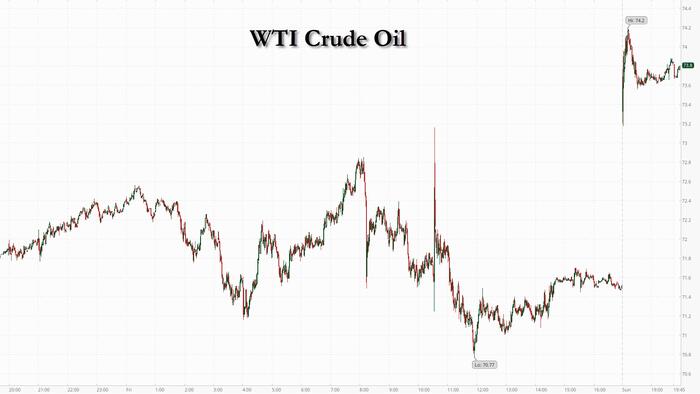
That’s essentially what oil traders have been doing with $1-wide put spreads on Brent and WTI-linked futures. The strategy has exploded in popularity as a low-cost hedge against the whiplash-inducing unpredictability of the Trump administration’s Iran policy. Since mid-last week, roughly 400 million barrels’ worth of these contracts have changed hands, with a single Thursday seeing 70 million barrels traded in one session.
Why this specific trade, and why now
A $1-wide put spread is about as narrow as options hedges get. You buy a put at one strike price and sell another put just $1 below it, capping both your risk and your potential payout. The appeal is cost: these spreads are priced around 14 cents, compared to about 40 cents for wider alternatives.
In English: traders are paying roughly a third of the usual price for protection that covers a small but specific band of downside. When you’re not sure whether oil is about to spike $5 or crater $5 based on a single presidential statement, spending less per hedge and placing more of them starts to make a lot of sense.
The geopolitical backdrop