Audio By Vocalize
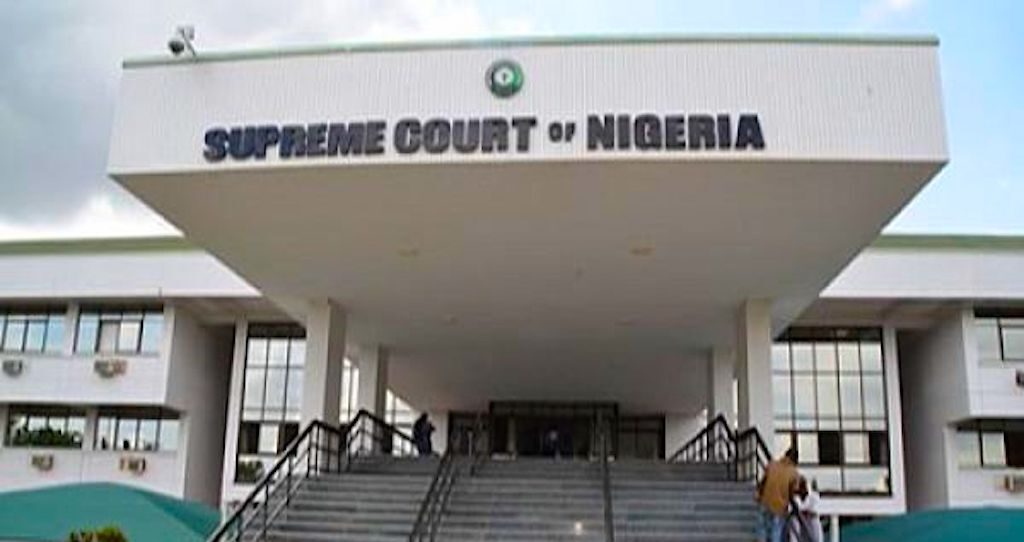
The Supreme Court of Kenya in Nairobi. [File, Standard]
This week we have seen the acute breakdown of the Judiciary e-filing portal that fundamentally affected access to justice in terms of the filing of cases. As the Judiciary strives to make its system more reliable and dependable to ensure it does not jeopardise access to justice, it must stand up and firm against a worrying trend by judicial officers which is two-fold; the delayed delivery of rulings and judgements after listing them as such in the Judiciary cause lists and the delivery by promises of “rulings and judgements shall be uploaded on the Court Tracking System (CTS)”.
The Judiciary must constantly remind itself that every institution can easily slide into the worst form of loss of confidence of the general public and the consumers of its services even after a substantial commendable reform if it decides to entrench an informality system that operates within the main formal system. This is what many judicial officers in the magistracy and even the High Court have resorted to.
A ruling or judgment will be set down for delivery today and later deferred even five or six times, the only mild reason you will get as a litigant or an advocate is that the said decision is not ready. Nothing more. As a legal practitioner, there are times you follow the outcome of a simple ruling of let say a ruling on extension of time to file certain court pleadings, an application for stay pending appeal or way less complex applications for a longer period of time than the actual case itself. This is where we are. The late justice David Majanja would determine most of these in barely five minutes. If the Judiciary is genuinely interested in clearing the backlog, it should reflect on just how many judicial officers, especially at magistracy, are wired in the delay of matters.