Story audio is generated using AI
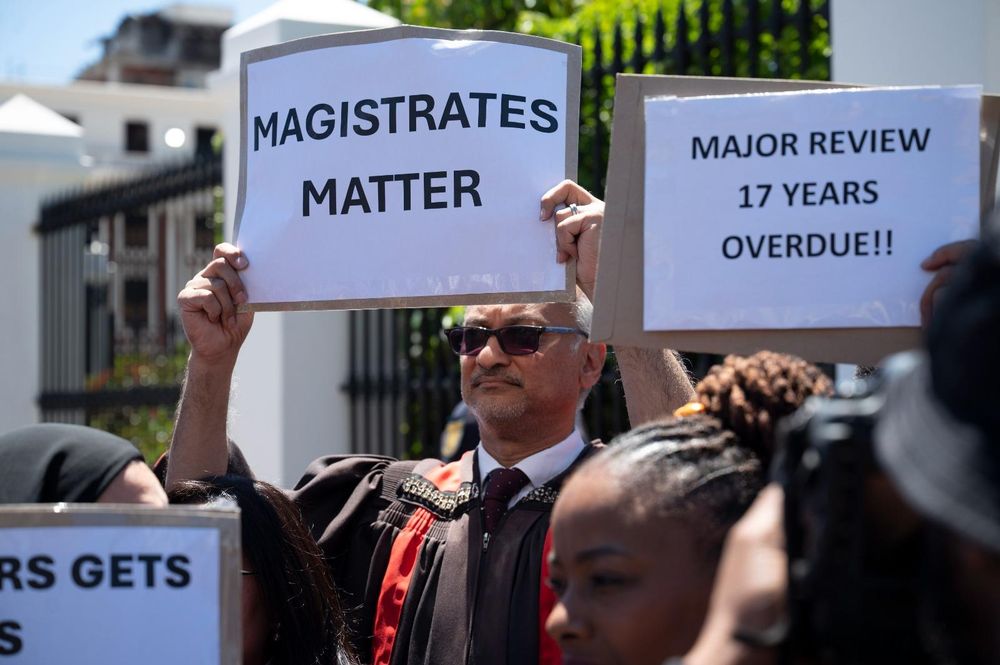
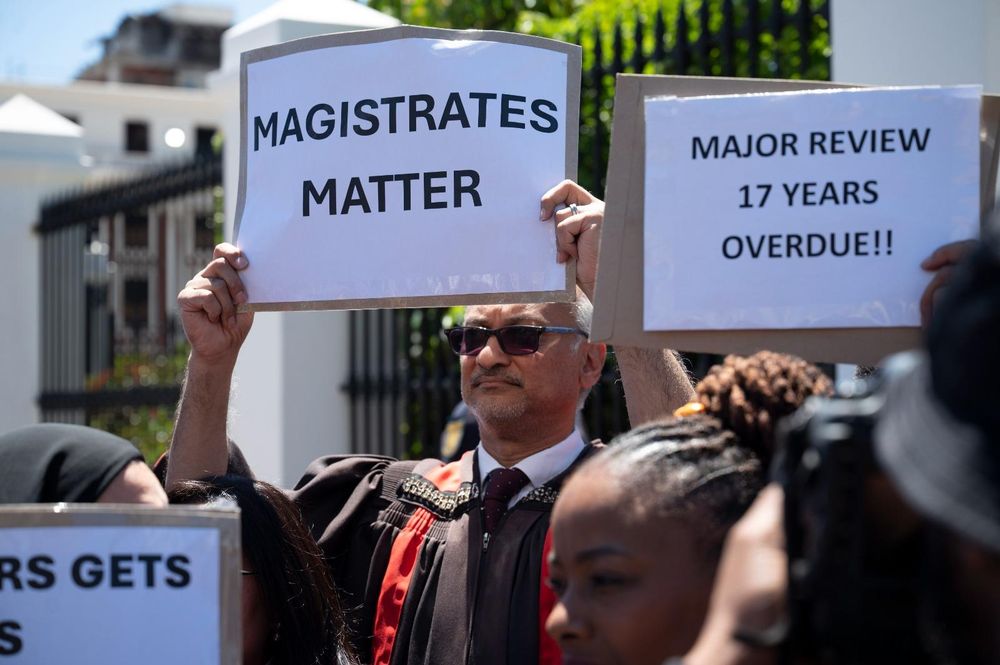
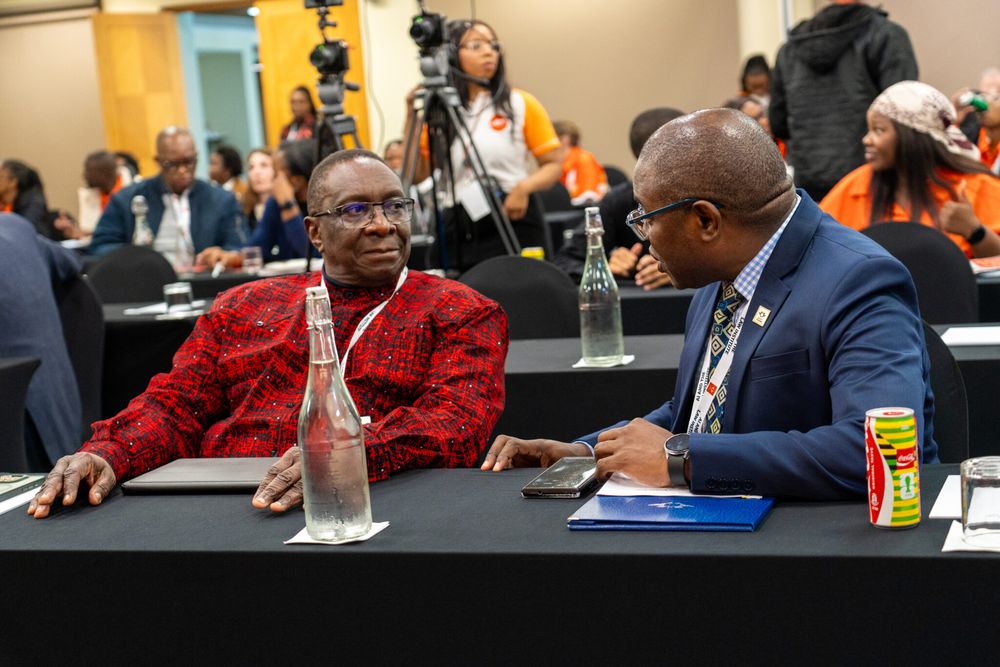
South Africa’s judiciary has adopted a series of resolutions aimed at advancing the creation of a single, independent judicial system, including transferring responsibility for the administration of magistrate’s courts to the Office of the Chief Justice.Deputy chief justice Dunstan Mlambo announced the resolutions at the close of the four-day 2026 Judiciary Conference in Umhlanga, Durban, on Thursday after delegates unanimously adopted the proposals. The conference brought together judges and magistrates from across the country to assess progress since the landmark 2023 Judges Conference and chart the next phase of judicial reform. Mlambo said delegates reaffirmed their commitment to establishing “a single, unified judiciary as a constitutionally independent and equal branch of the state, which is inclusive of the magistracy”.Among the key resolutions was a decision that the judiciary technical committee should develop a judiciary-led court administration and governance model with the legislative proposals required to establish a fully institutionally independent judiciary.The conference also resolved that a co-ordinated implementation plan, with clear milestones, timeframes and adequate resources, should guide the transition. This includes migrating magistrate’s courts and their administrative functions to the office of the chief justice through a constitutionally compliant process.Delegates further called for a sustainable funding model to guarantee the judiciary’s financial independence while ensuring accountability for public funds. Administrative functions that do not require legislative amendments should be transferred immediately through memorandums of understanding and service-level agreements.The judiciary also reaffirmed an earlier resolution that judicial salaries, allowances and benefits should ultimately be determined by an independent statutory body rather than existing arrangements. It further resolved that remuneration reviews should be transparent, evidence-based and conducted regularly.The conference called for a committee to investigate amendments to legislation governing judges’ employment conditions, including extending certain benefits to dependants, reviewing pension arrangements for magistrates and considering whether all judicial officers should belong to the Parmed medical scheme.Delegates also resolved that the office of the chief justice should assess staffing, court infrastructure, security, information technology, interpretation services and research support across all courts before developing a prioritised implementation plan to address shortcomings.On judicial governance, the conference agreed that the review of the code of judicial conduct and the norms and standards for the performance of judicial functions should be finalised to create a harmonised ethical and accountability framework across both judges and magistrates.The conference also noted concerns over reserved judgments and encouraged judicial officers to participate in the review process examining timeframes for delivering judgments.To create a more unified judicial system, delegates resolved that legislation governing judges and magistrates should eventually be amended to establish a single framework for judicial appointments and disciplinary processes.The conference further recommended that the Judicial Service Commission and the Magistrates’ Commission review legislation to address accountability gaps involving acting judicial appointments while improving the efficiency of their complaints and disciplinary systems.AI featured prominently in the resolutions.The judiciary resolved to accelerate court modernisation through integrated case management systems, electronic filing and stronger cybersecurity while finalising an AI policy governing the technology’s use.Under the proposed framework, AI would initially be used for administrative functions such as court recording, transcription, translation, document summarisation and case management. The judiciary resolved that judges must retain ultimate control over judicial reasoning and decision-making, with AI subject to human oversight.The conference also called for the judiciary to develop official digital communication platforms, including judgment summaries and social media channels, to improve public understanding of the courts and counter misinformation.Delegates further resolved that judicial wellness should become a permanent institutional programme, supported through dedicated budgeting and preventative interventions for judicial officers experiencing professional or personal difficulties.The resolutions build on decisions adopted at the 2023 Judges Conference, which first endorsed the creation of a single judiciary and greater institutional independence for the courts. Since then, government has begun transferring some administrative functions from the department of justice & constitutional development to the office of the chief justice as part of a phased reform process. President Cyril Ramaphosa has previously endorsed the principle of full institutional autonomy for the judiciary, while the office of the chief justice has assumed responsibility for an increasing number of court administration functions.Business Day