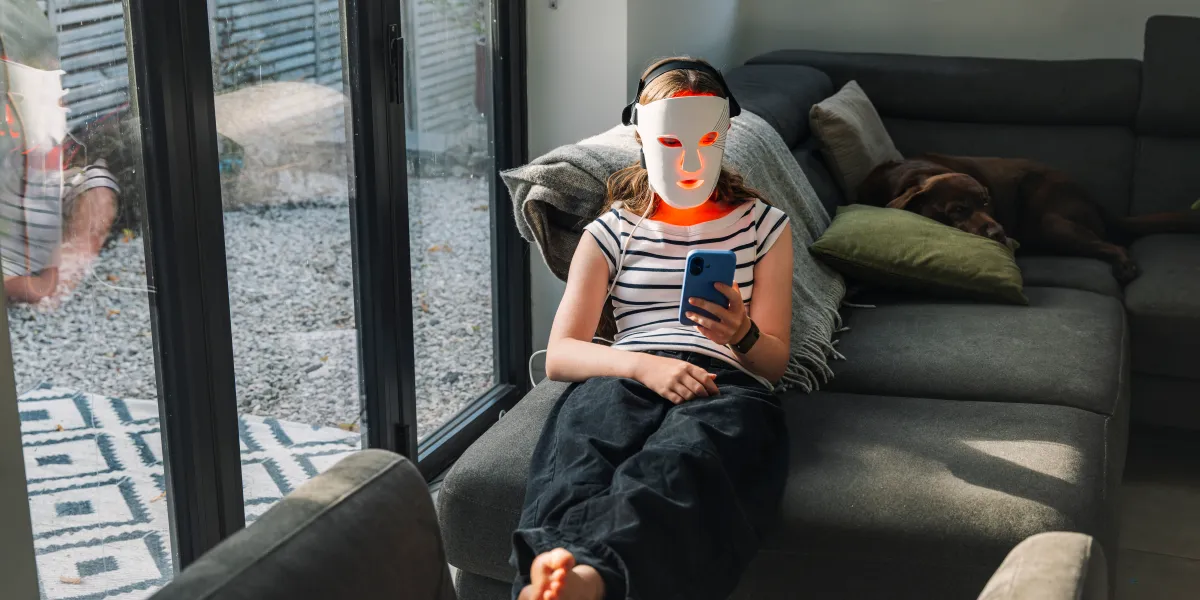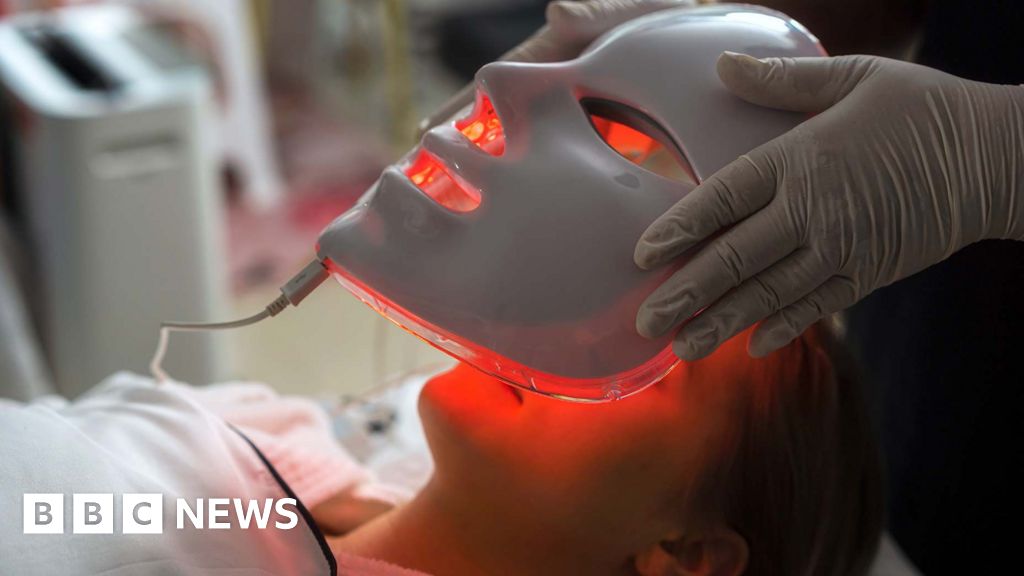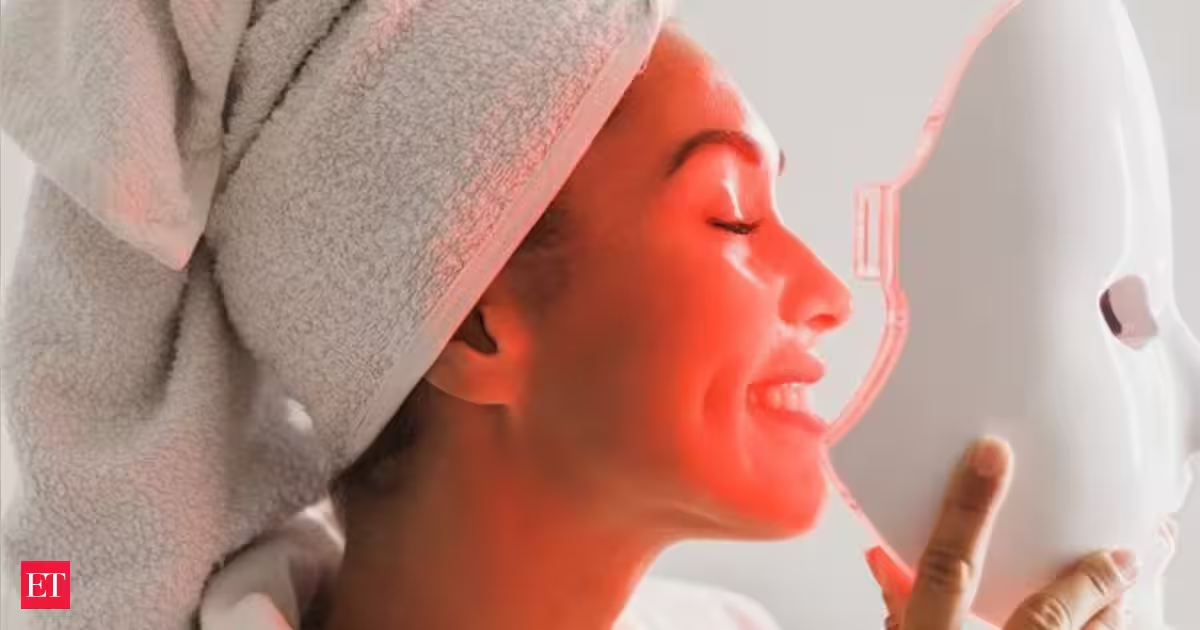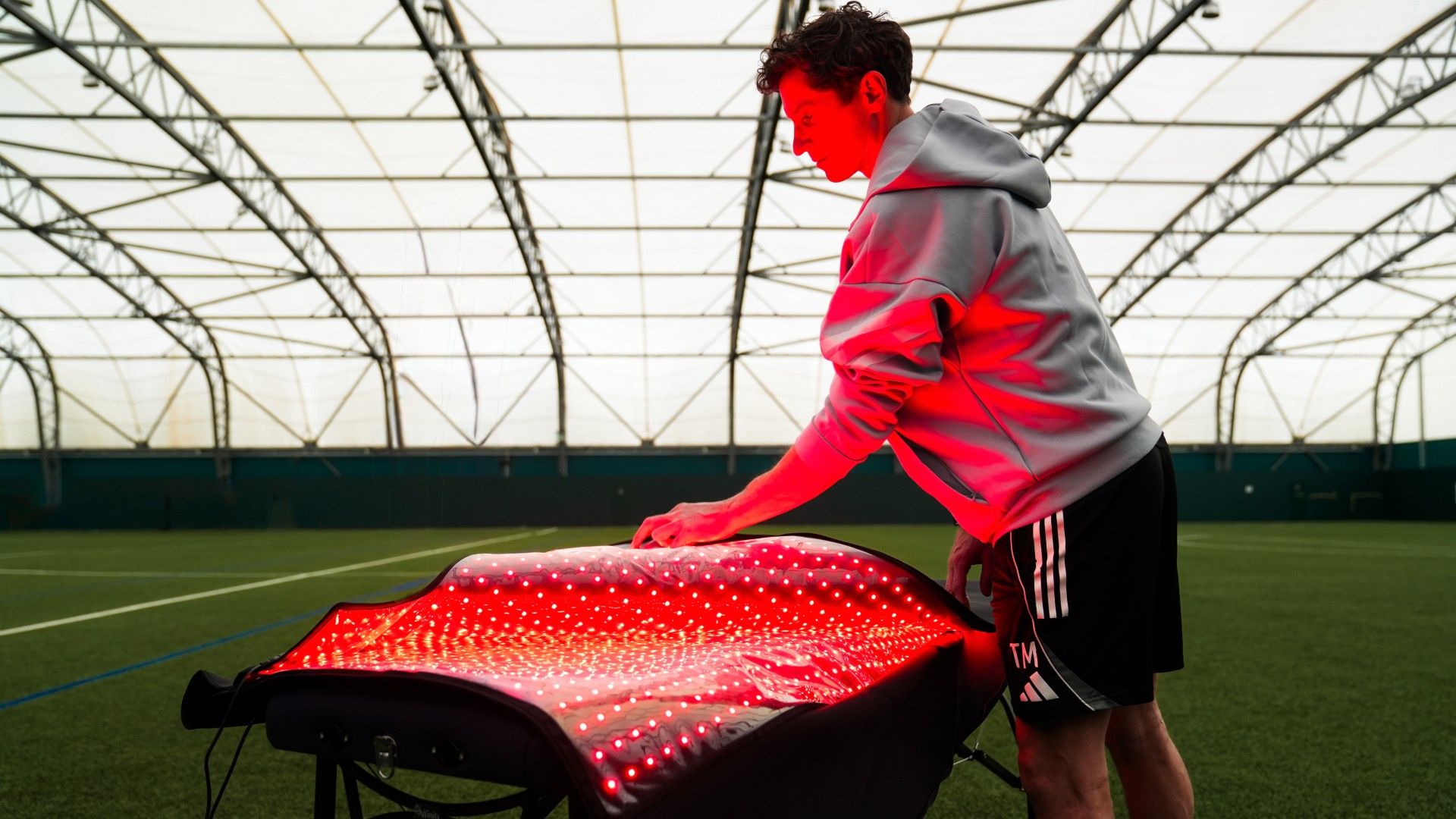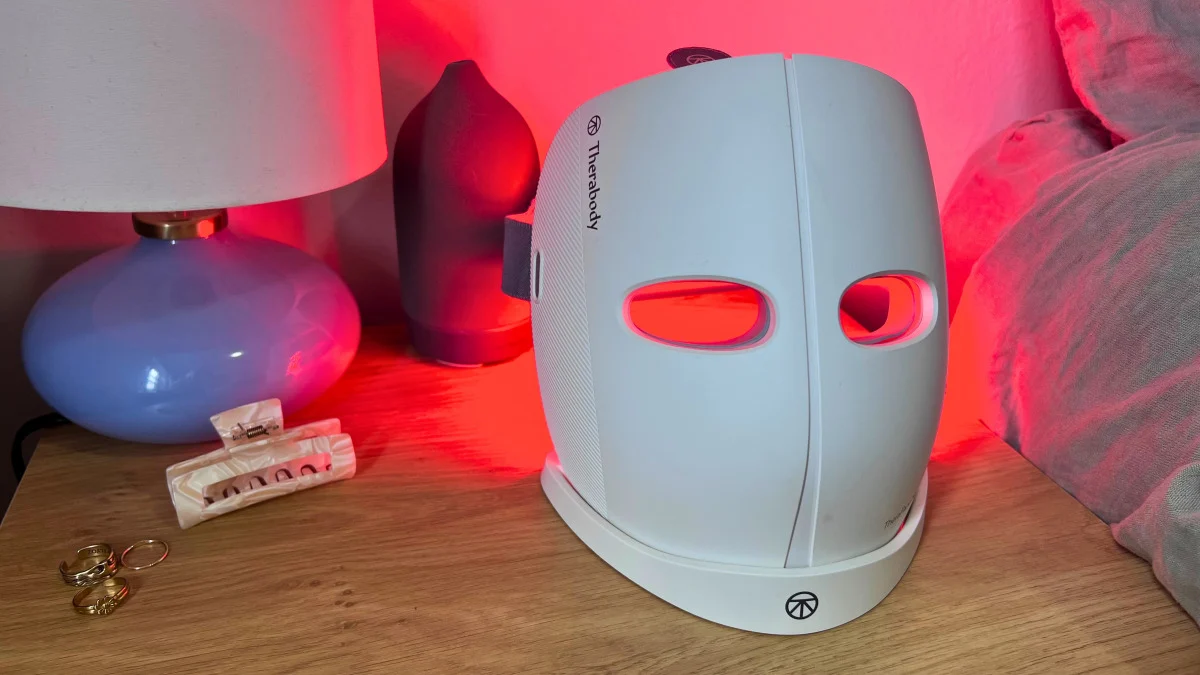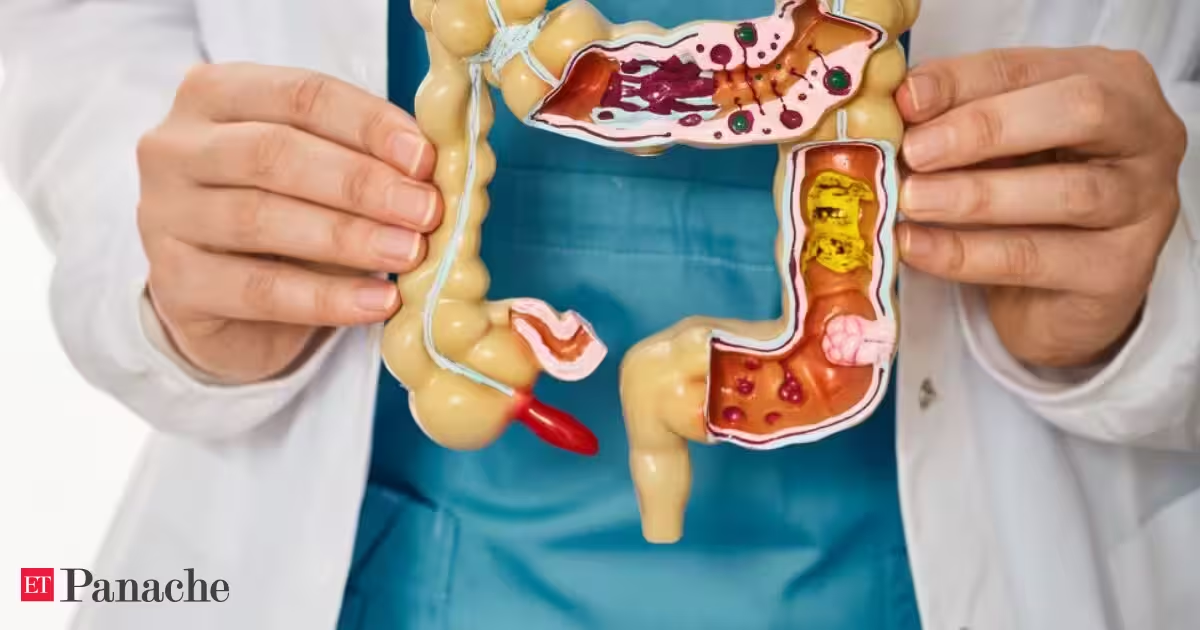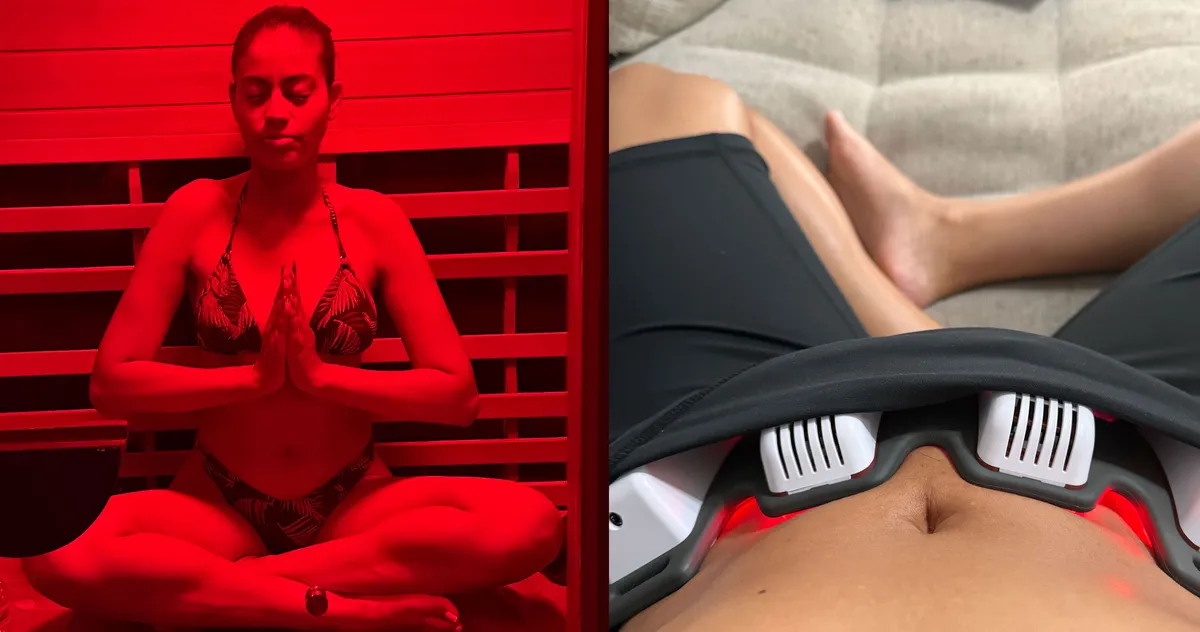
For most people, mornings begin with coffee. Lately, mine begins with an infrared red-light-therapy device strapped across my lower abdomen for ten minutes — the latest in over two decades’ worth of attempts to adapt my life to a body desperately asking for help. At the moment, I’m in the middle of a two-week course of antibiotics for suspected SIBO (small intestinal bacterial overgrowth) following years of digestive issues that doctors could only label as irritable bowel syndrome (IBS). I’m taking neomycin and Xifaxan, both of which target intestinal bacteria, timing every meal around them. They’re strong medications, but luckily, I haven’t yet experienced any of the possible side effects (nausea, vomiting, diarrhea, fatigue, dizziness, and constipation, among others).
My health issues began when I was 18 or 19. First came gastritis and acid reflux. Then IBS — at the time, the diarrhea-predominant kind. I was in college and knew almost nobody who talked openly about digestive disorders. Doctors didn’t have many answers beyond telling me to avoid certain foods, and my friends didn’t understand what it felt like to cancel plans because my stomach suddenly stopped cooperating. For years, I was mortified to talk about poop.