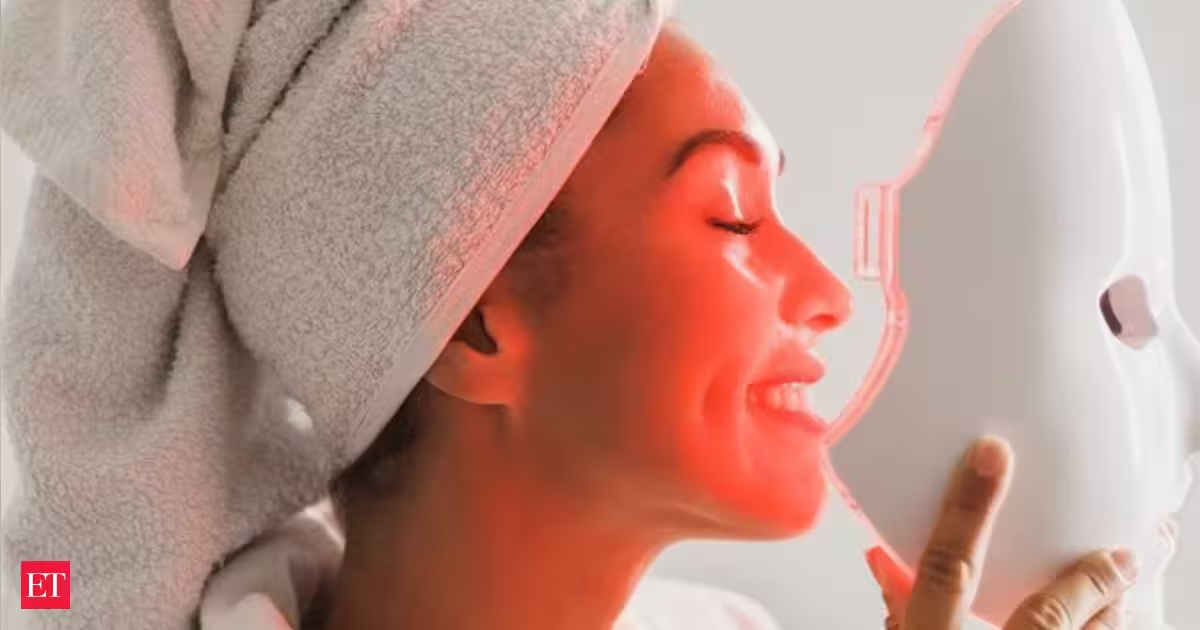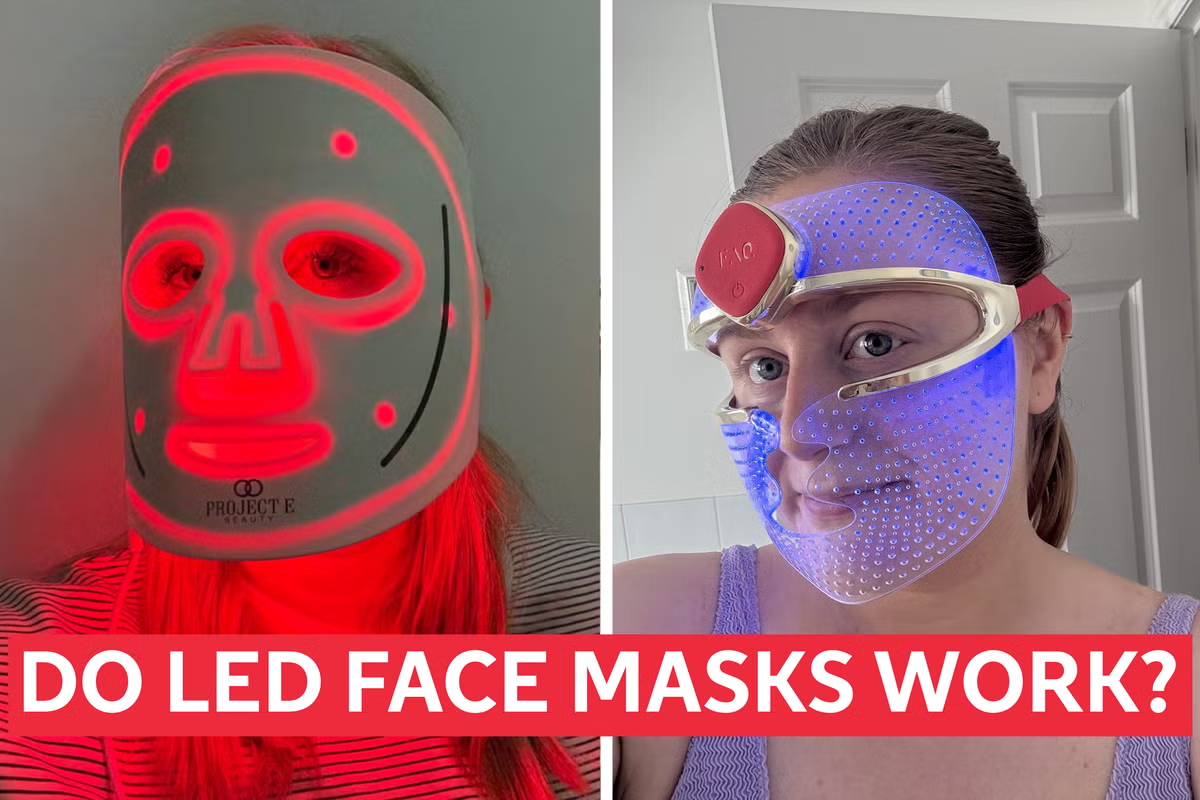
Red light therapy is gaining popularity as a tool for supporting overall wellness, from improving skin health to easing sore muscles. Social media videos of people in glowing red light therapy masks or caps may seem like science fiction, but the science behind red light therapy is real. It works by penetrating the skin with low levels of red and near-infrared light, stimulating cellular activity, and helping cells produce more energy to function more efficiently. The process may support skin healing and reduce inflammation, with potential benefits for hair regrowth, wound healing, and skin texture.
The research on red light therapy is still evolving, but findings suggest a range of potential benefits across skin care, pain management, and muscle recovery. We talked to experts, including a board-certified dermatologist, a cosmetic surgeon, and a physiatrist, about what those benefits are and who may want to add red light therapy to their routine.
What is red light therapy?
At 600-750 nanometers (nms), red light has the longest wavelengths in the visible light spectrum. Near-infrared light, which starts around 750 nms, is no longer visible to the human eye. Red light therapy, or photobiomodulation, uses red and near-infrared light ranging from 600-850 nms to penetrate skin at the cellular level. “This light works directly on the mitochondria, activating many enzymes that allow for cell turnover, cell repair, and inflammation reduction,” says cosmetic surgeon Sheina Bawa.